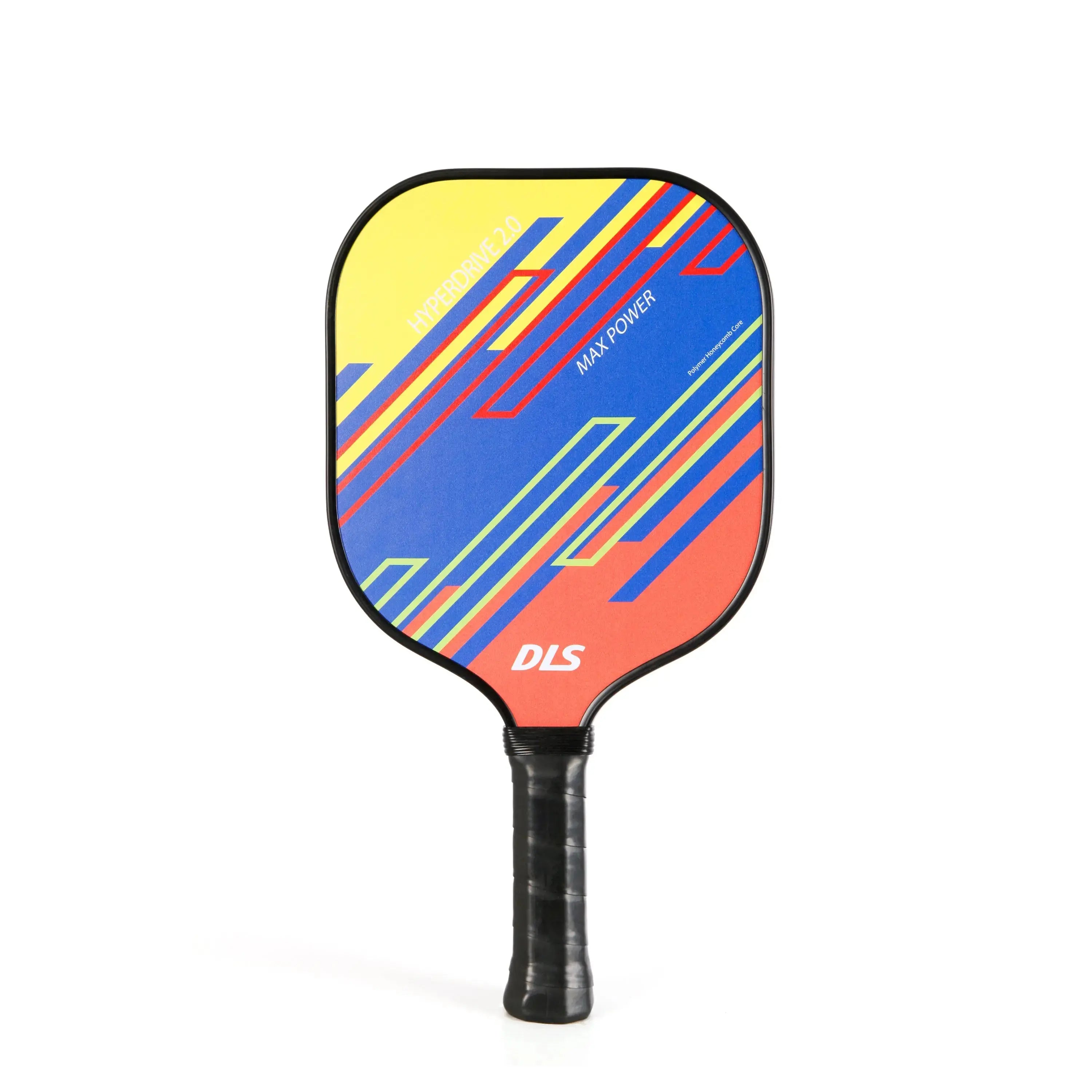
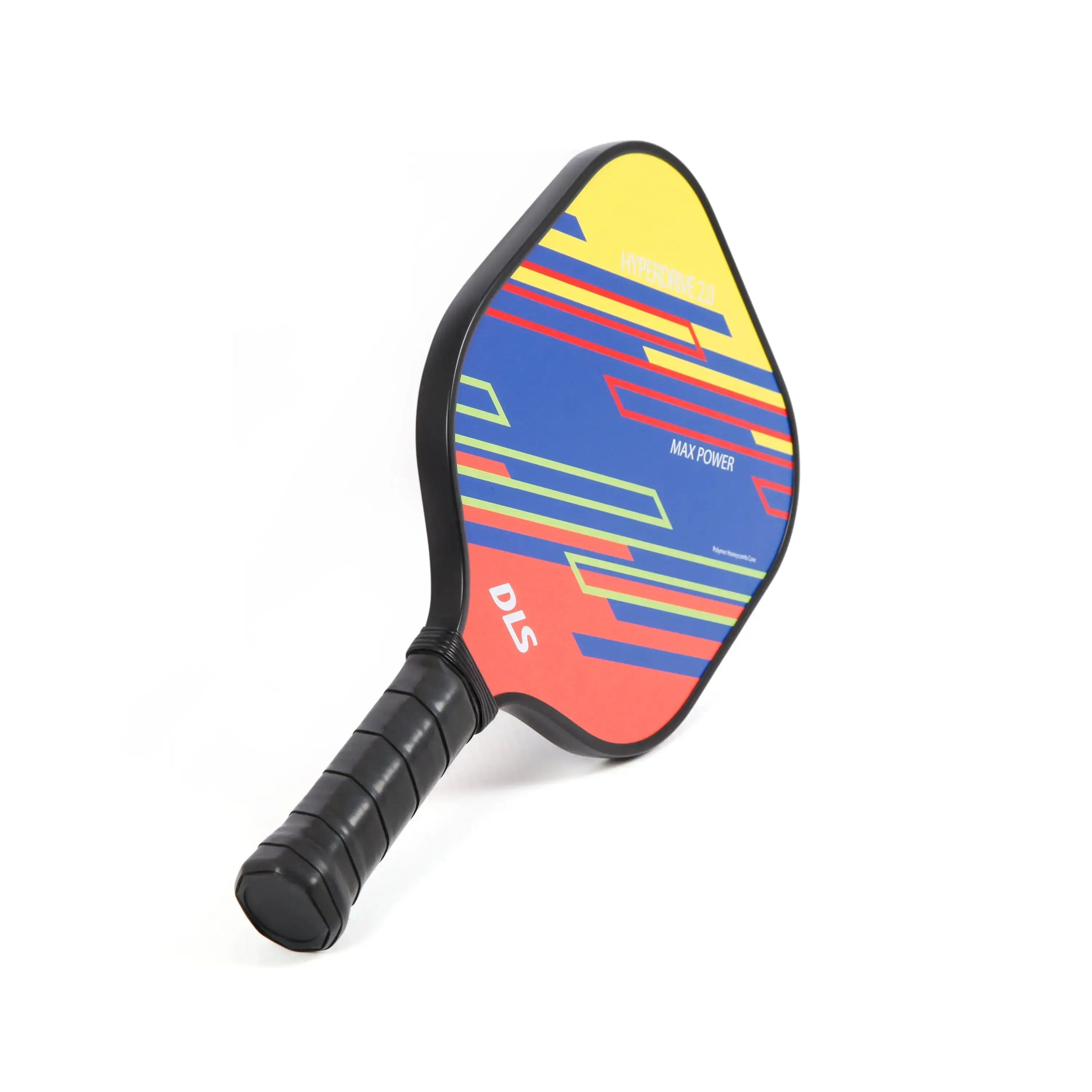
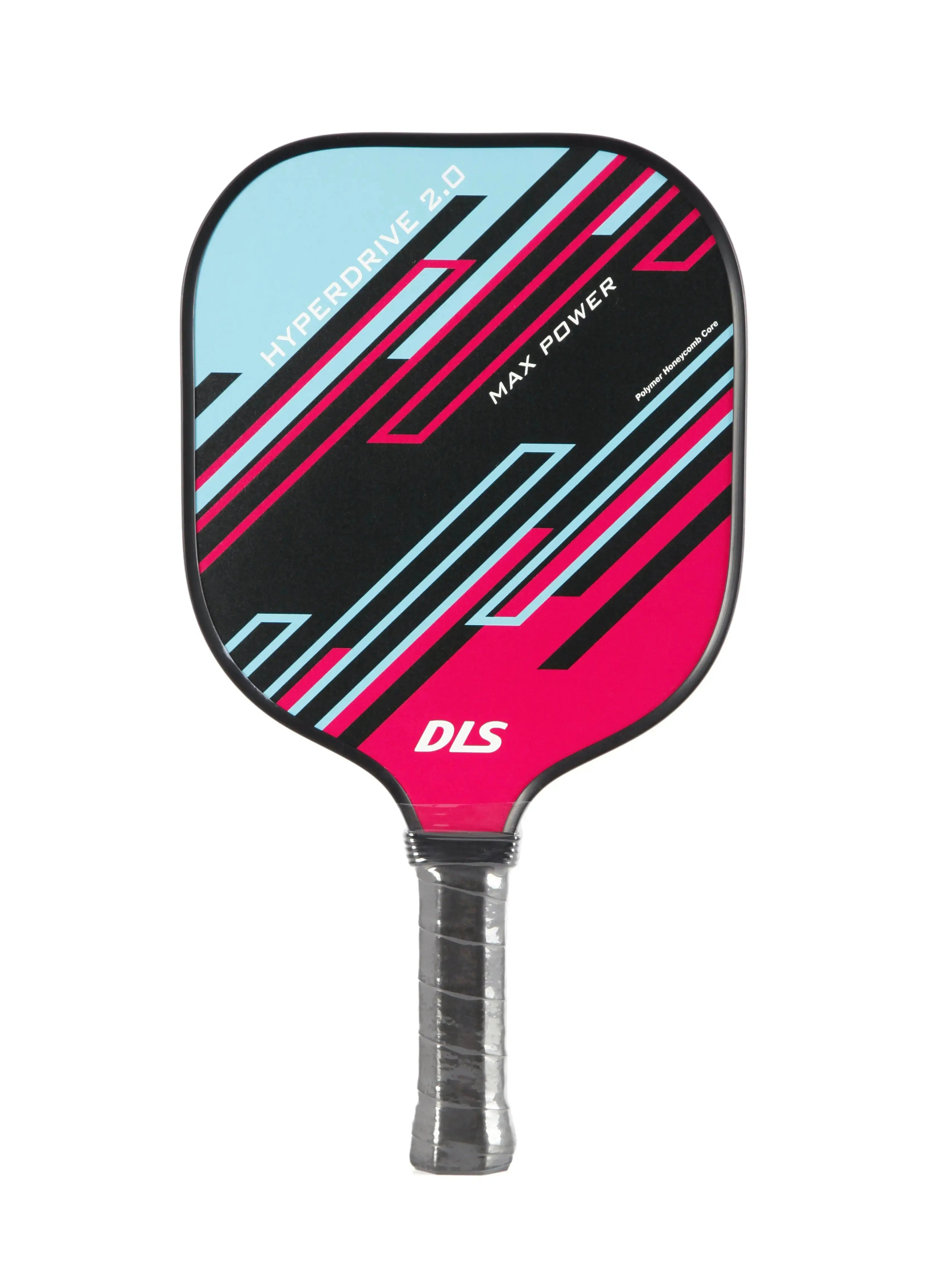
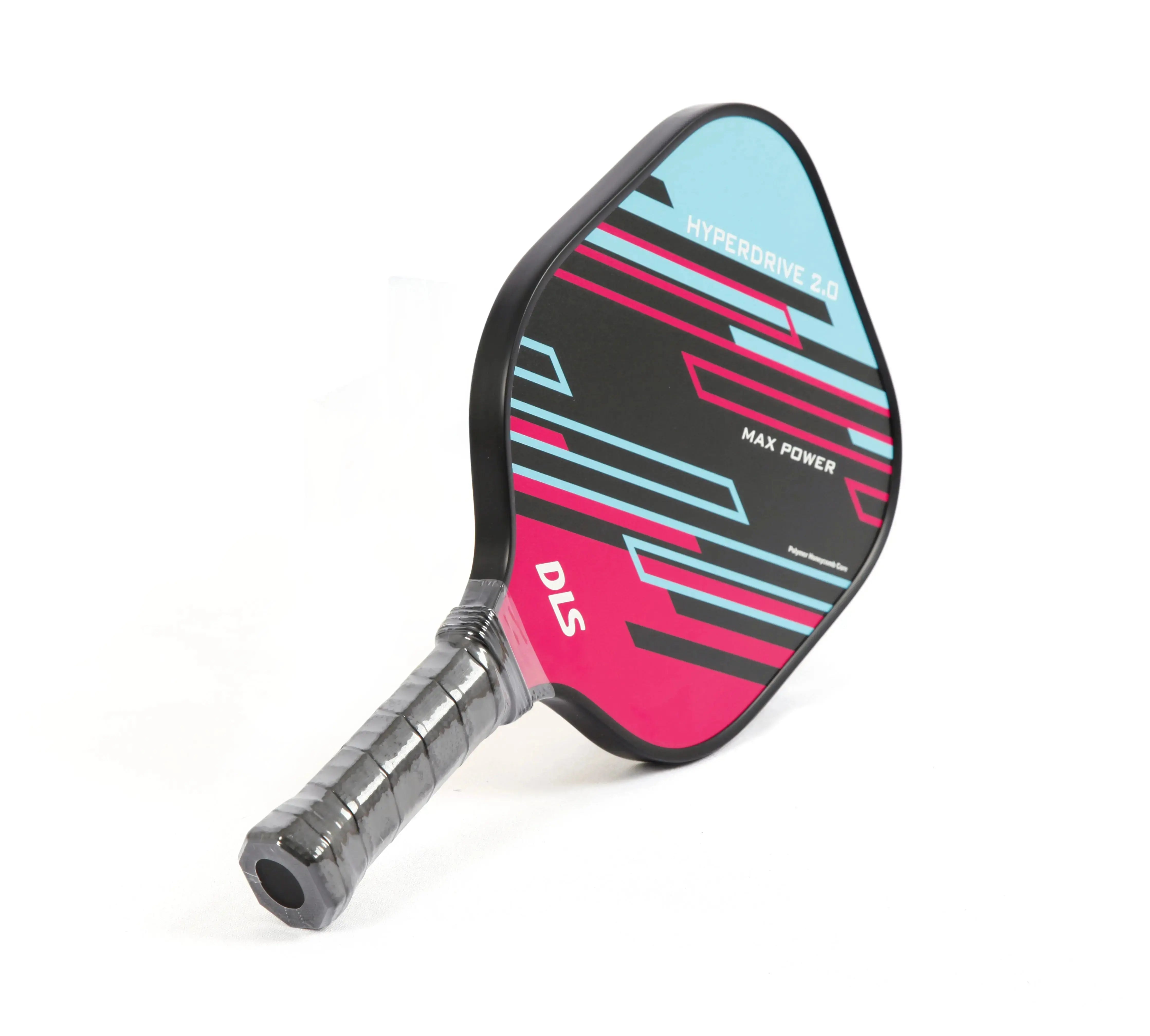
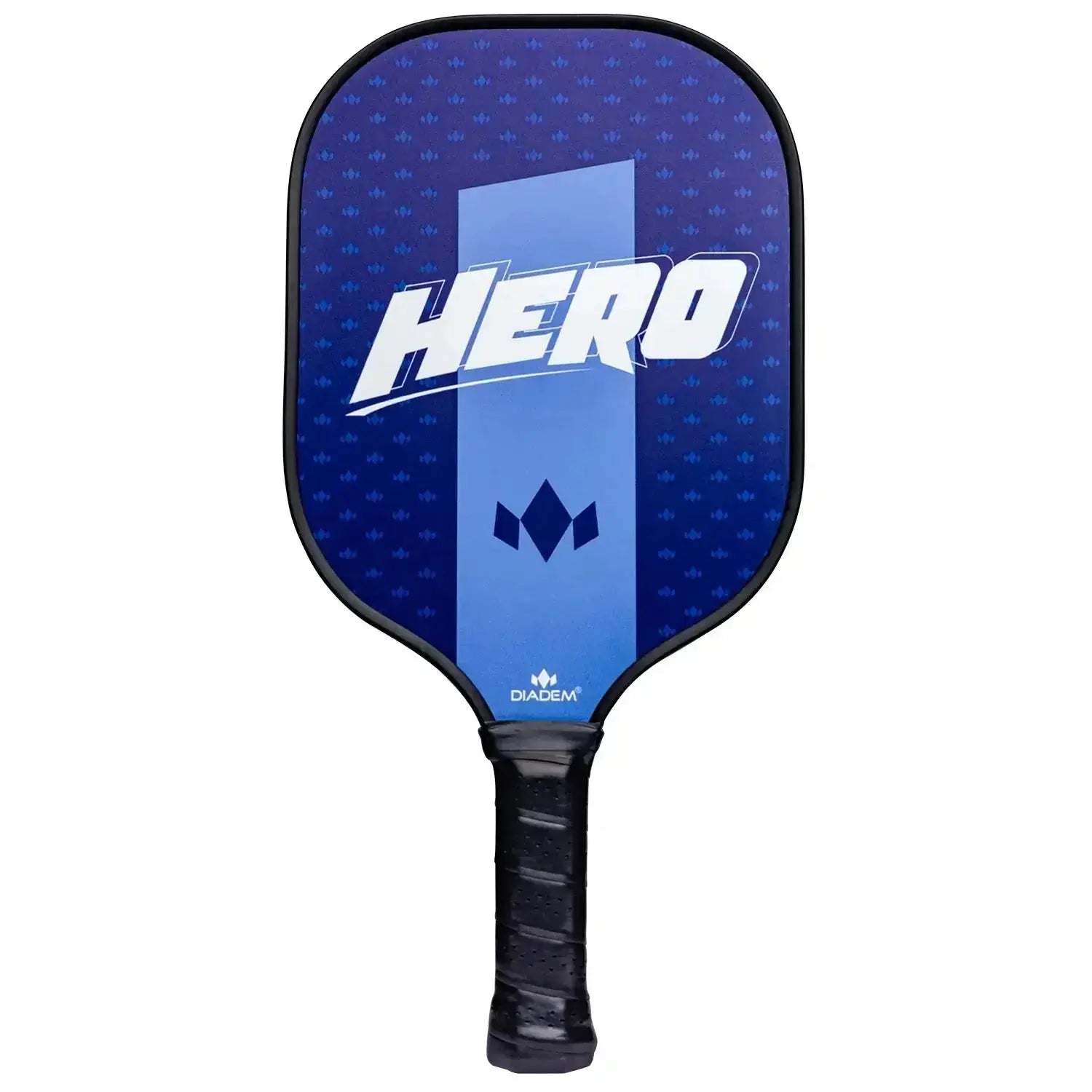
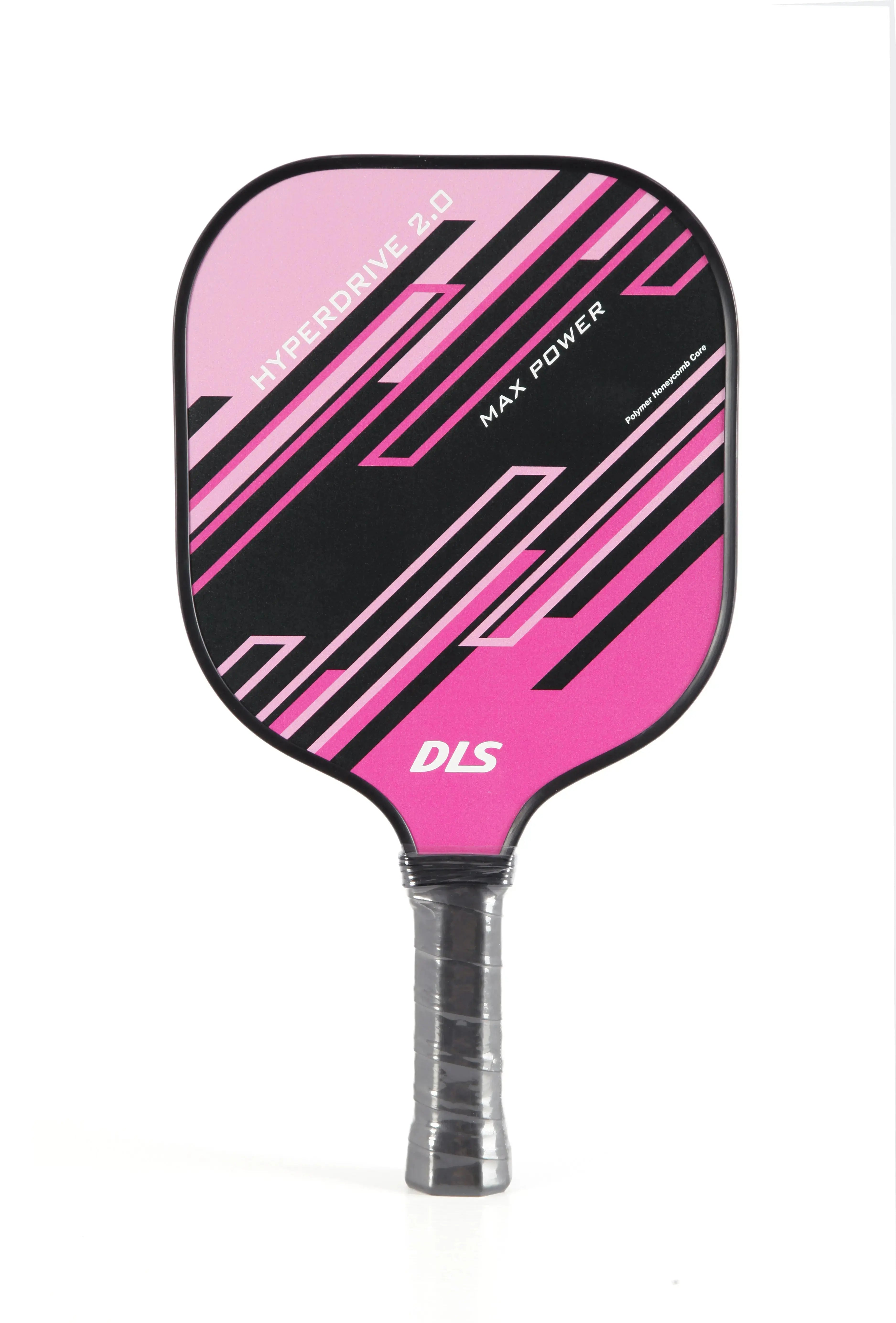
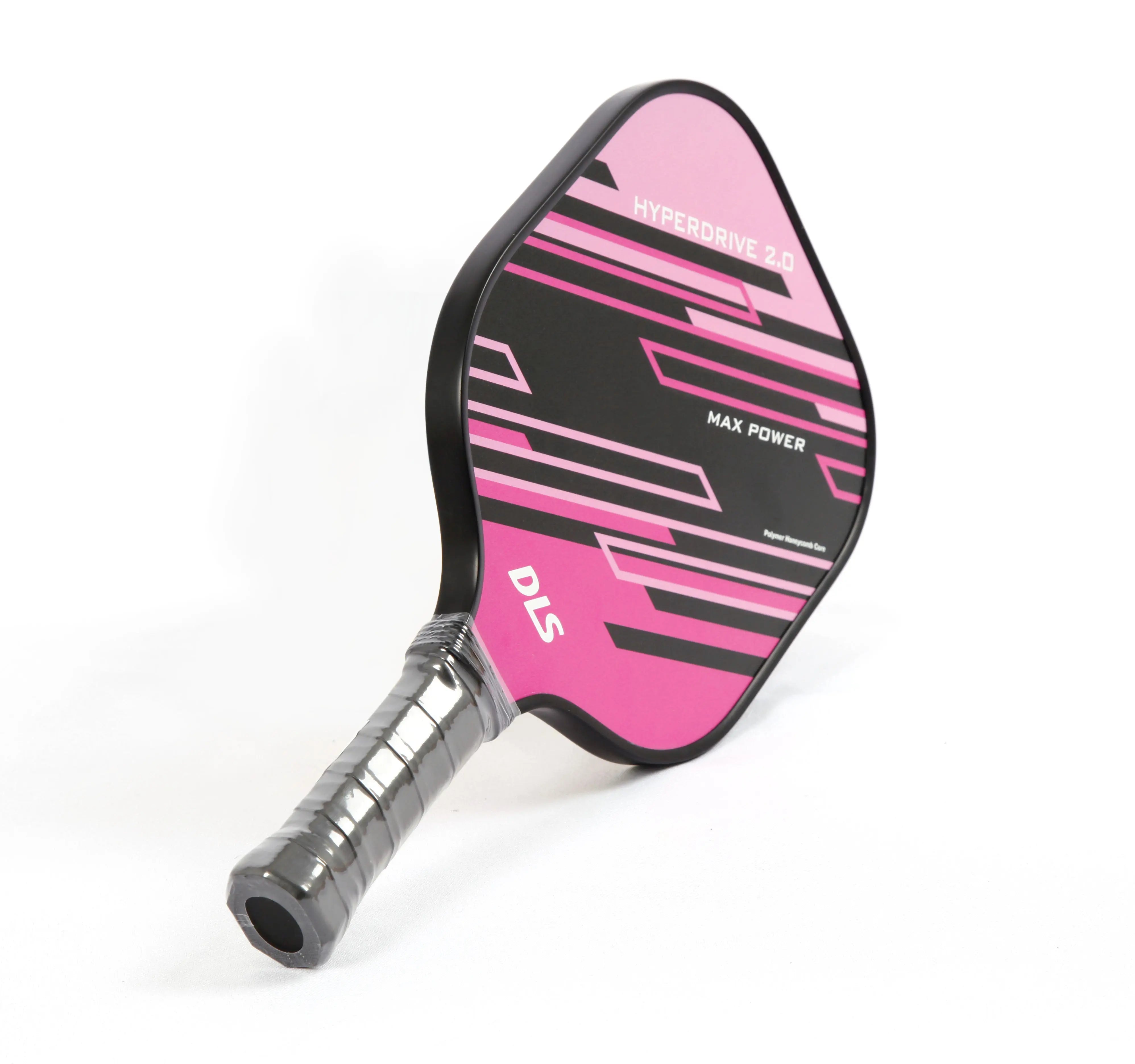
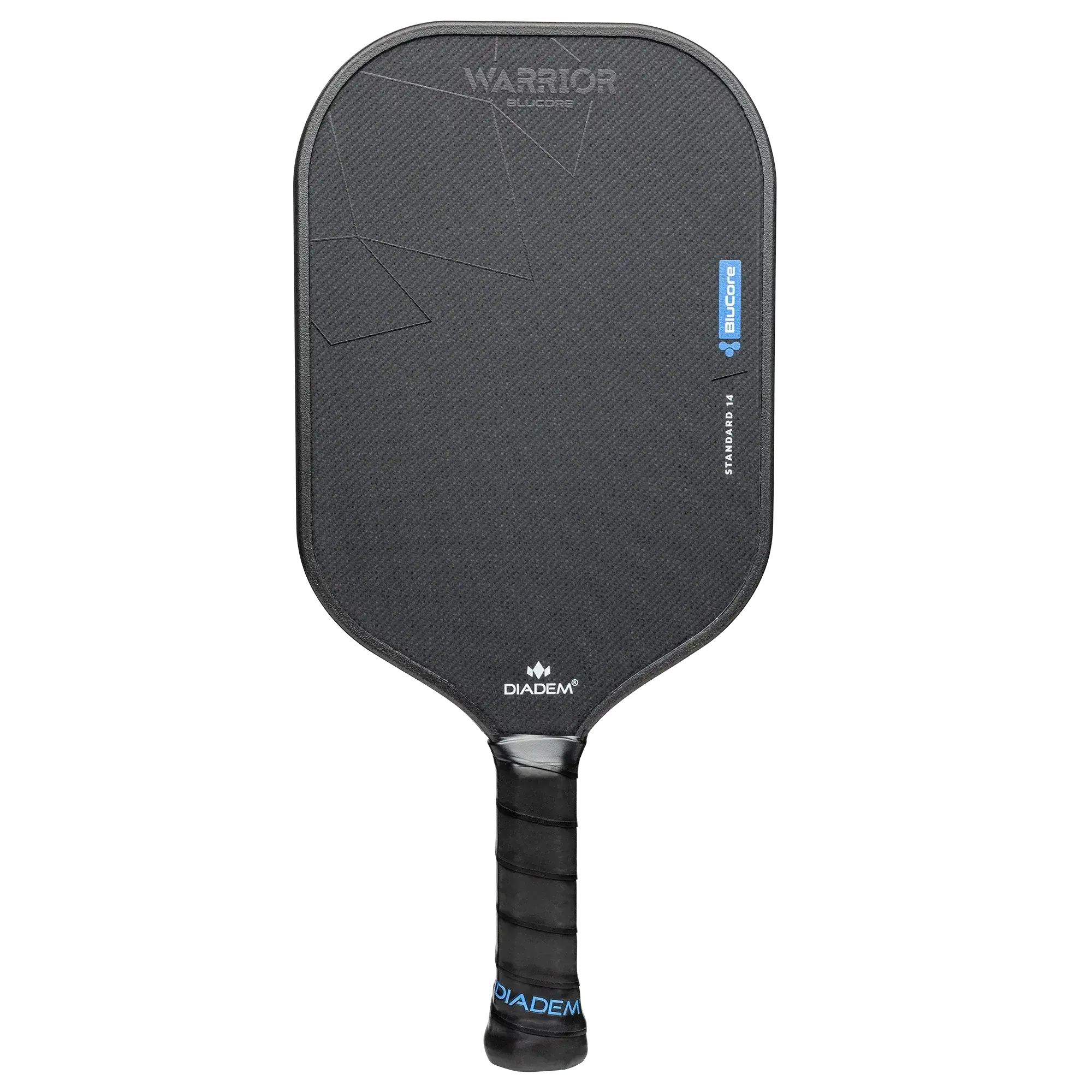
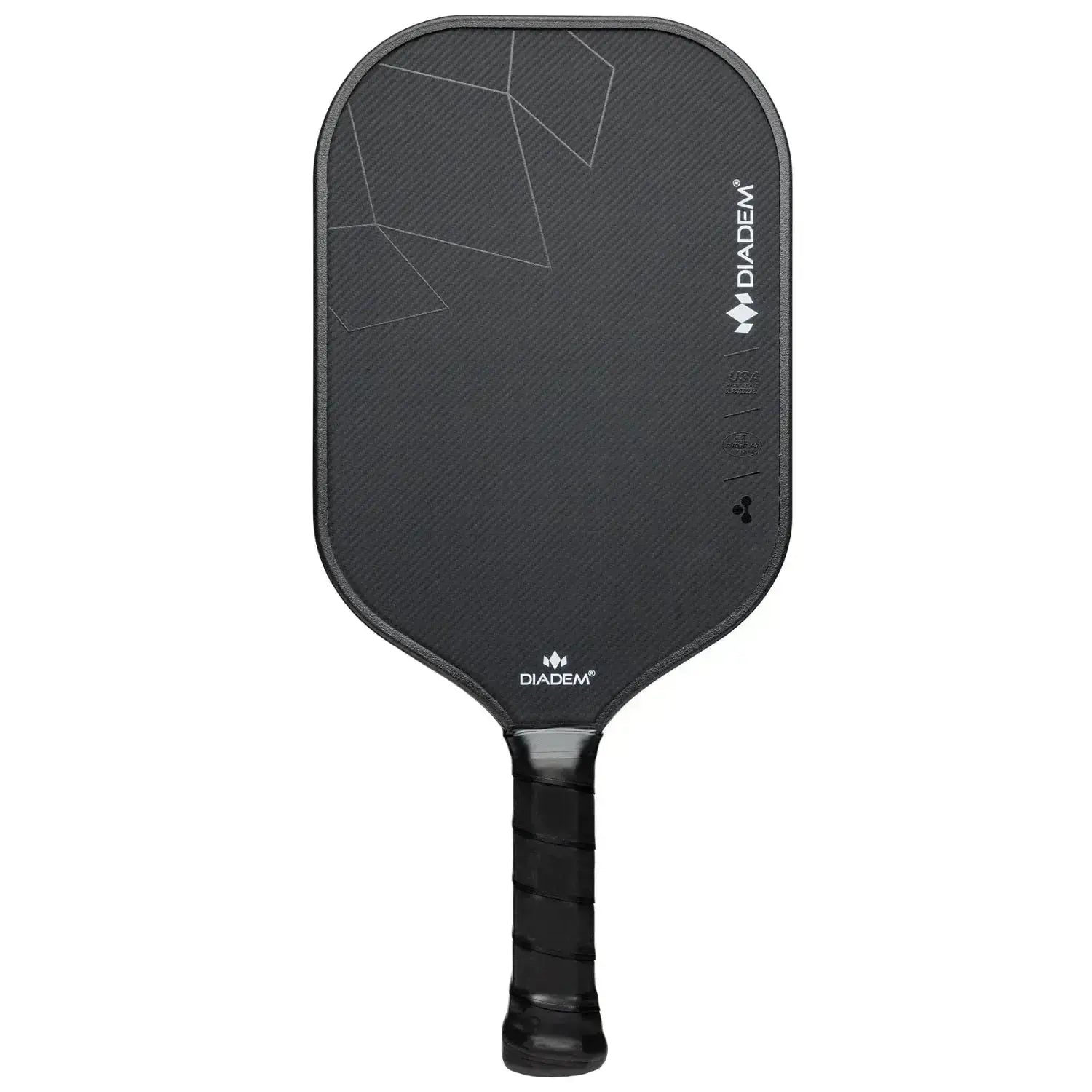
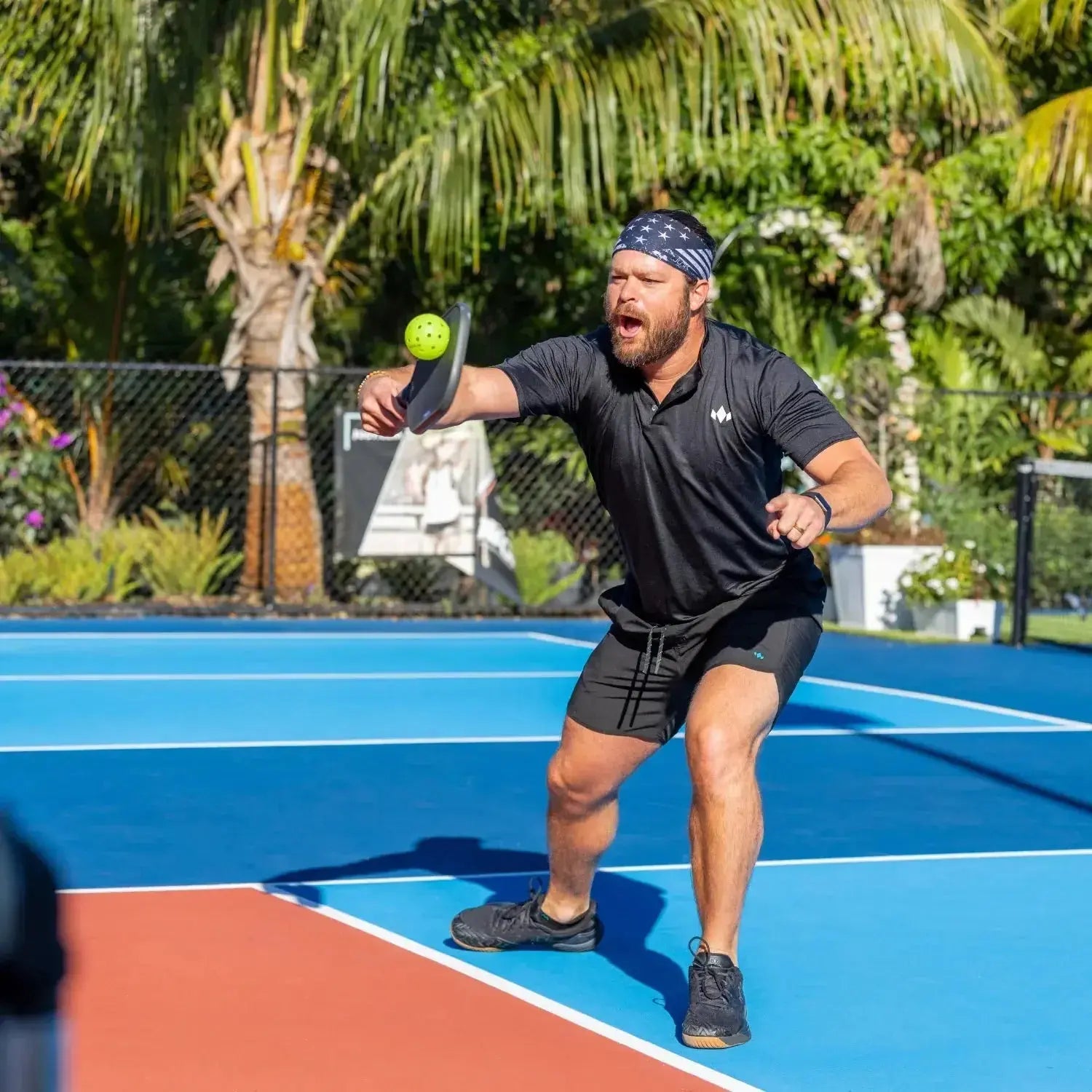
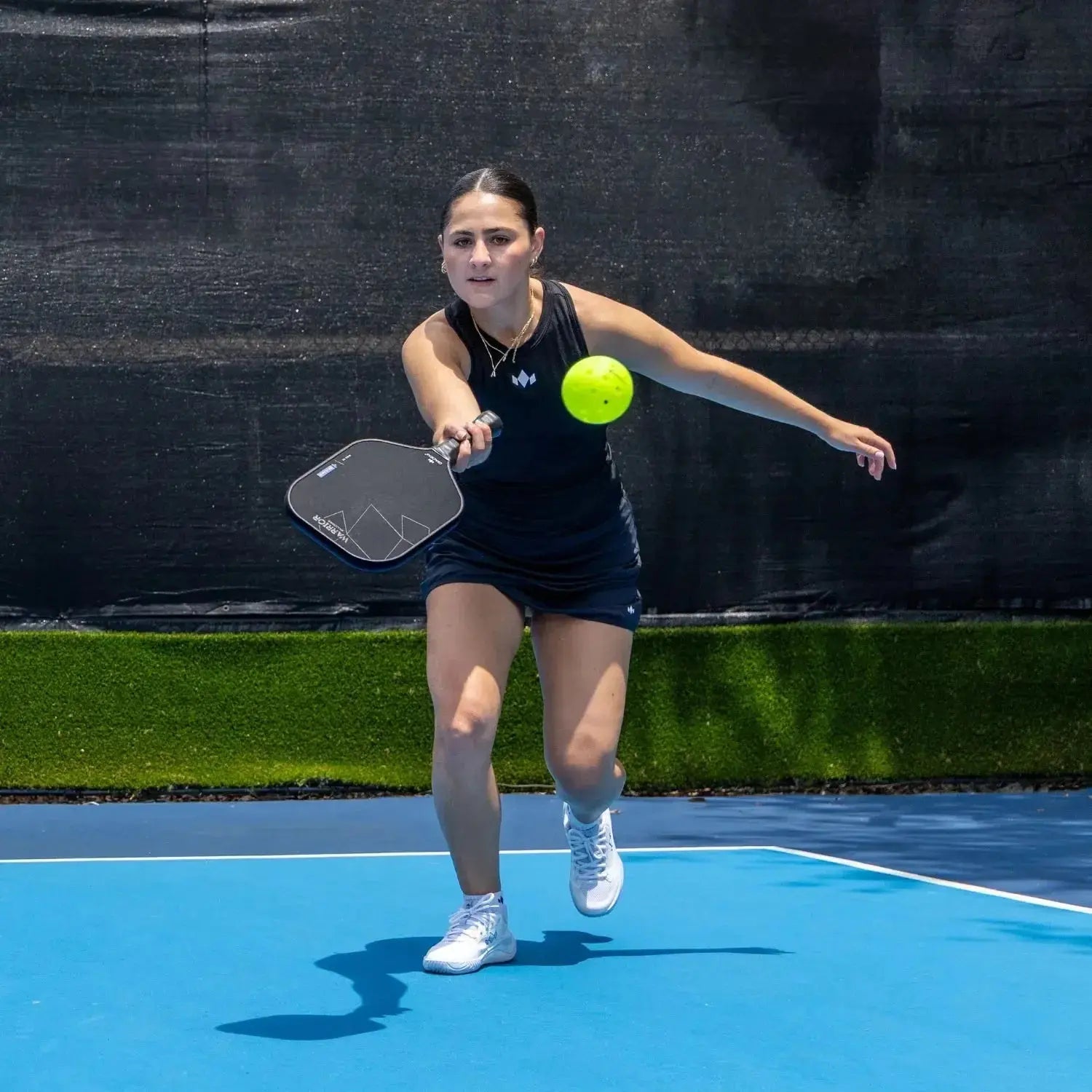
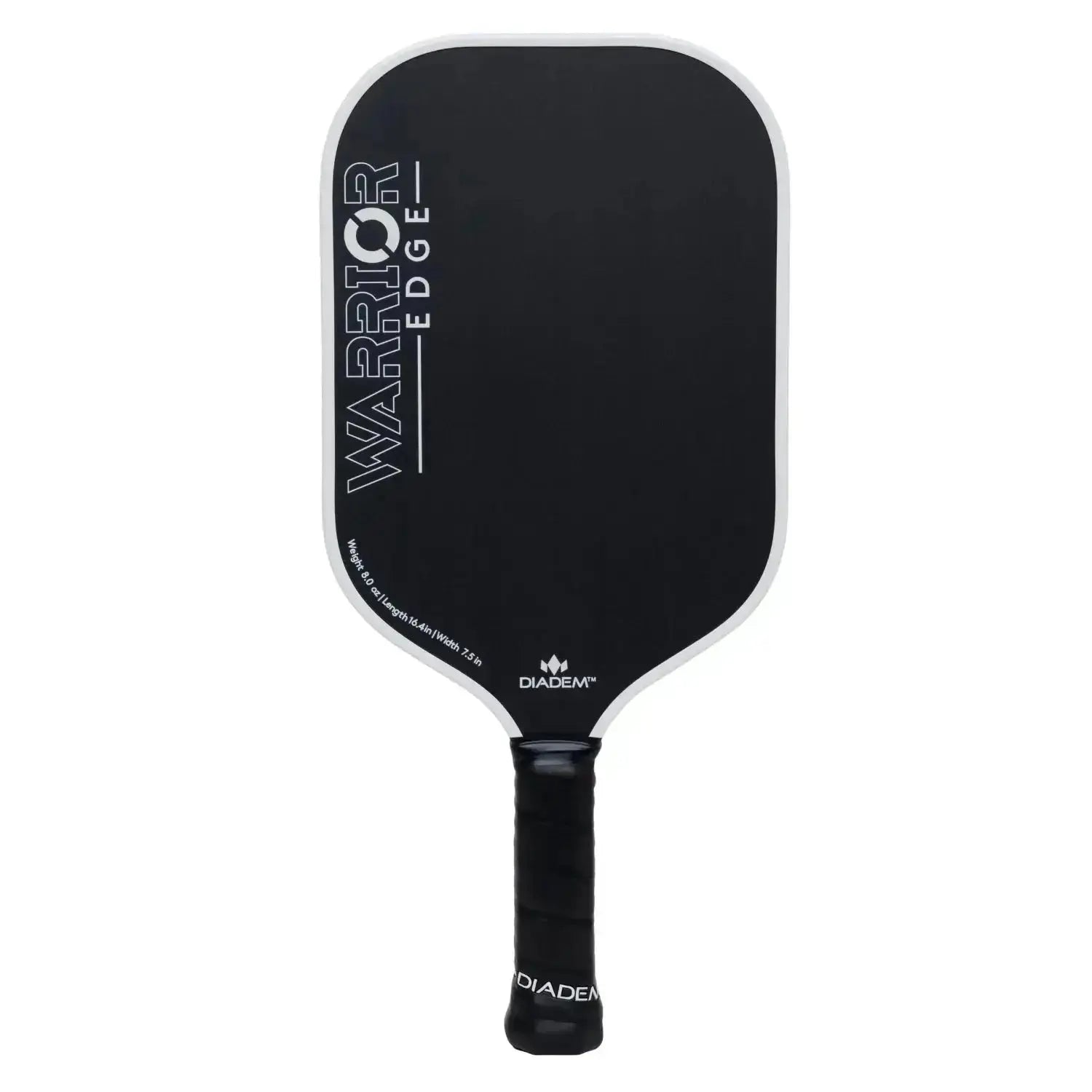
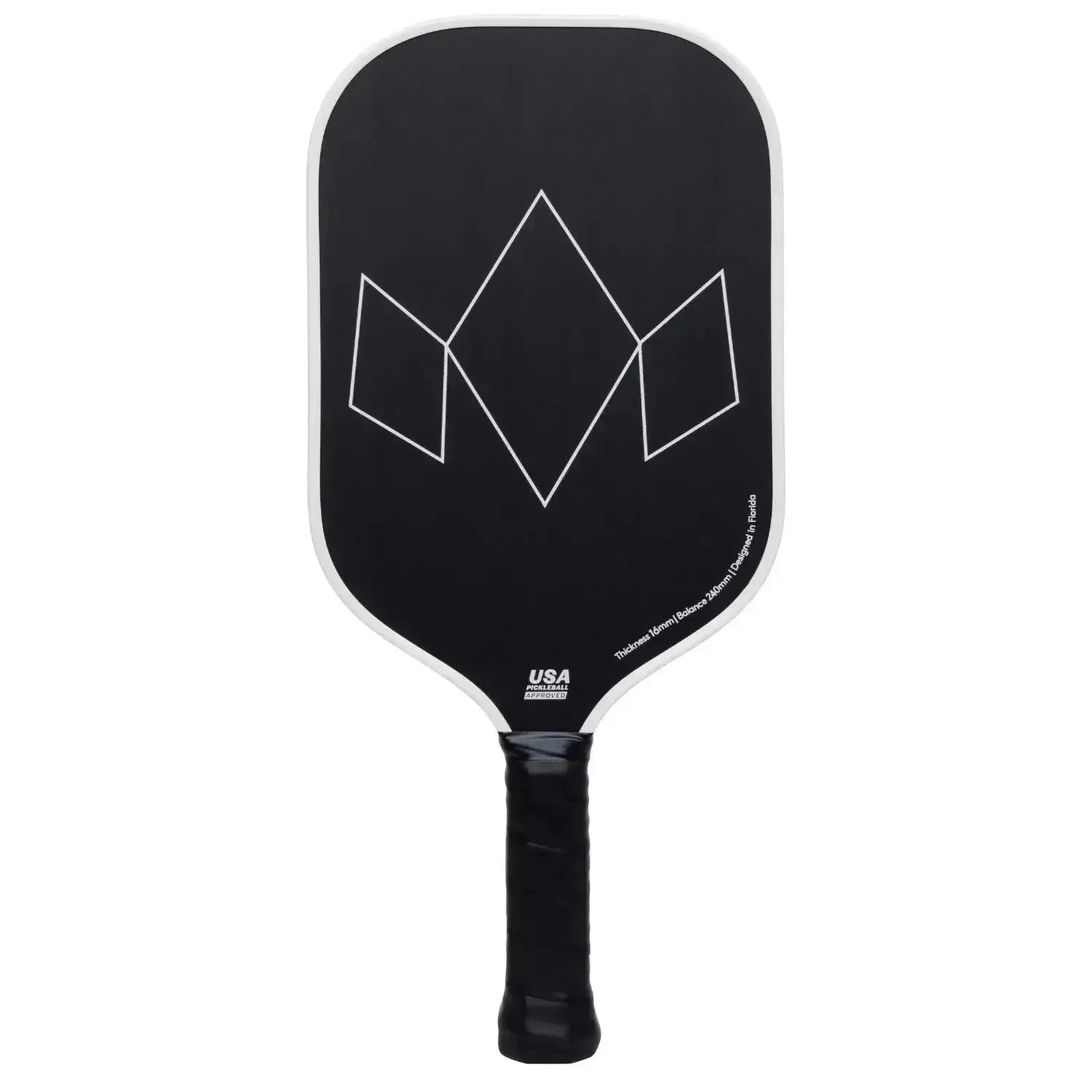
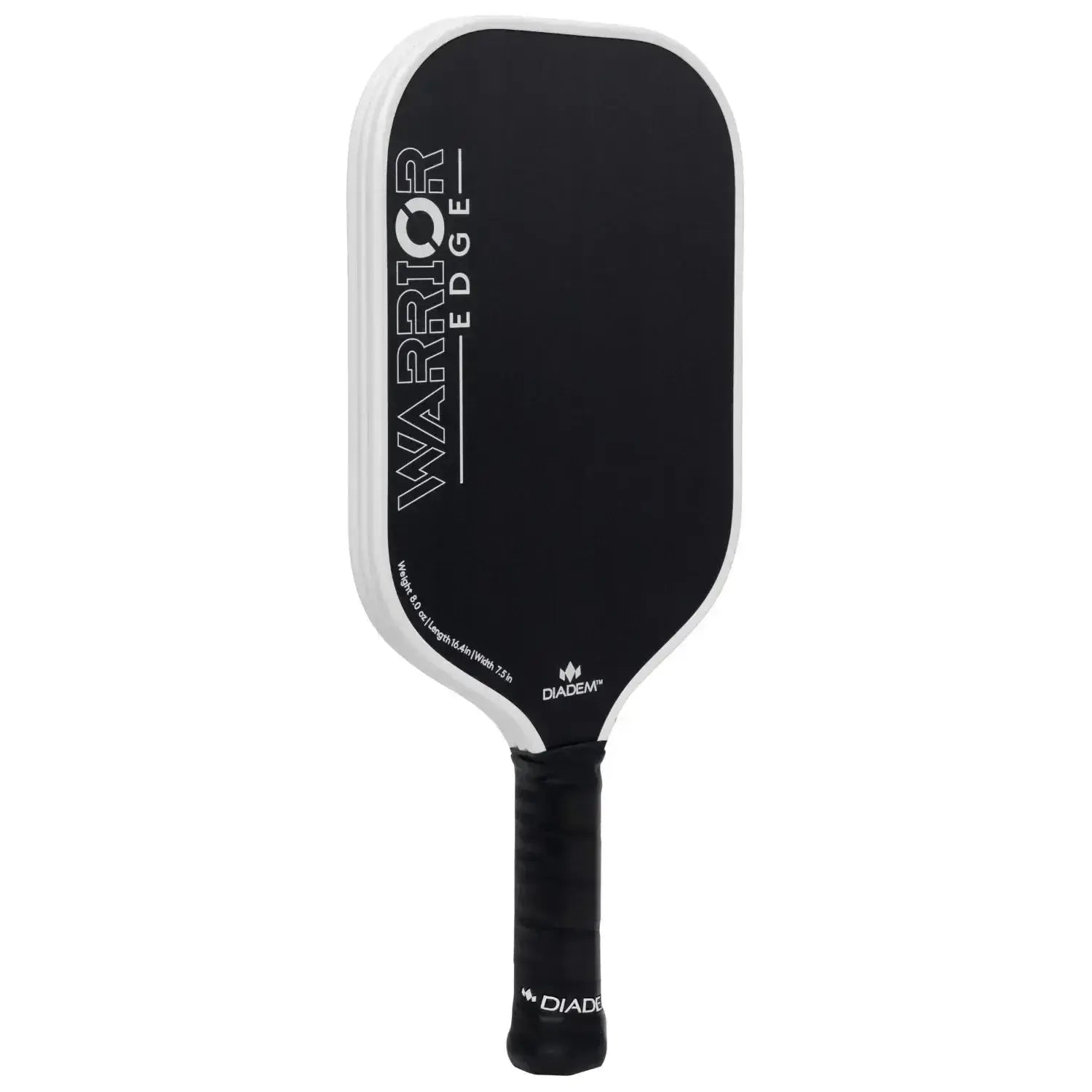
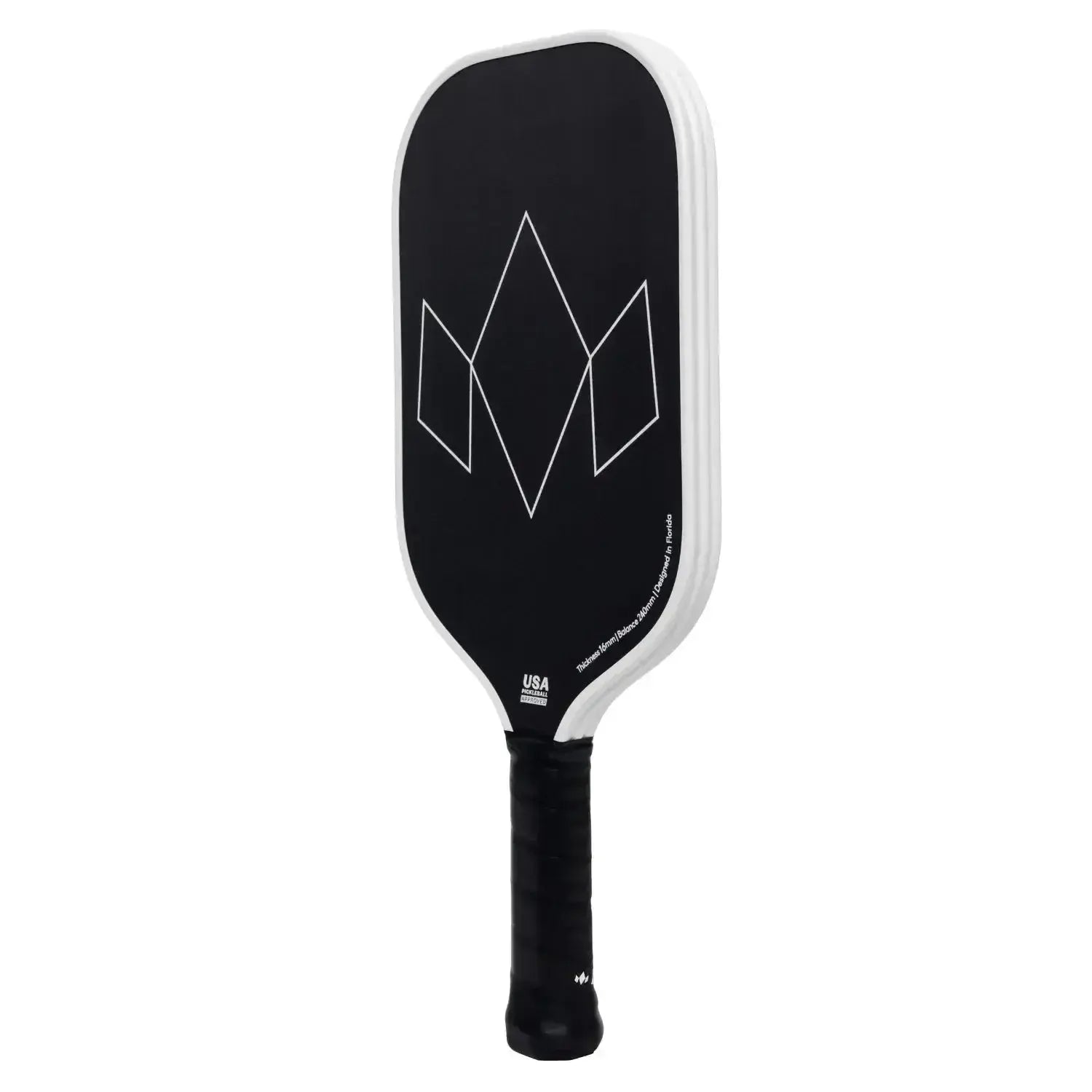
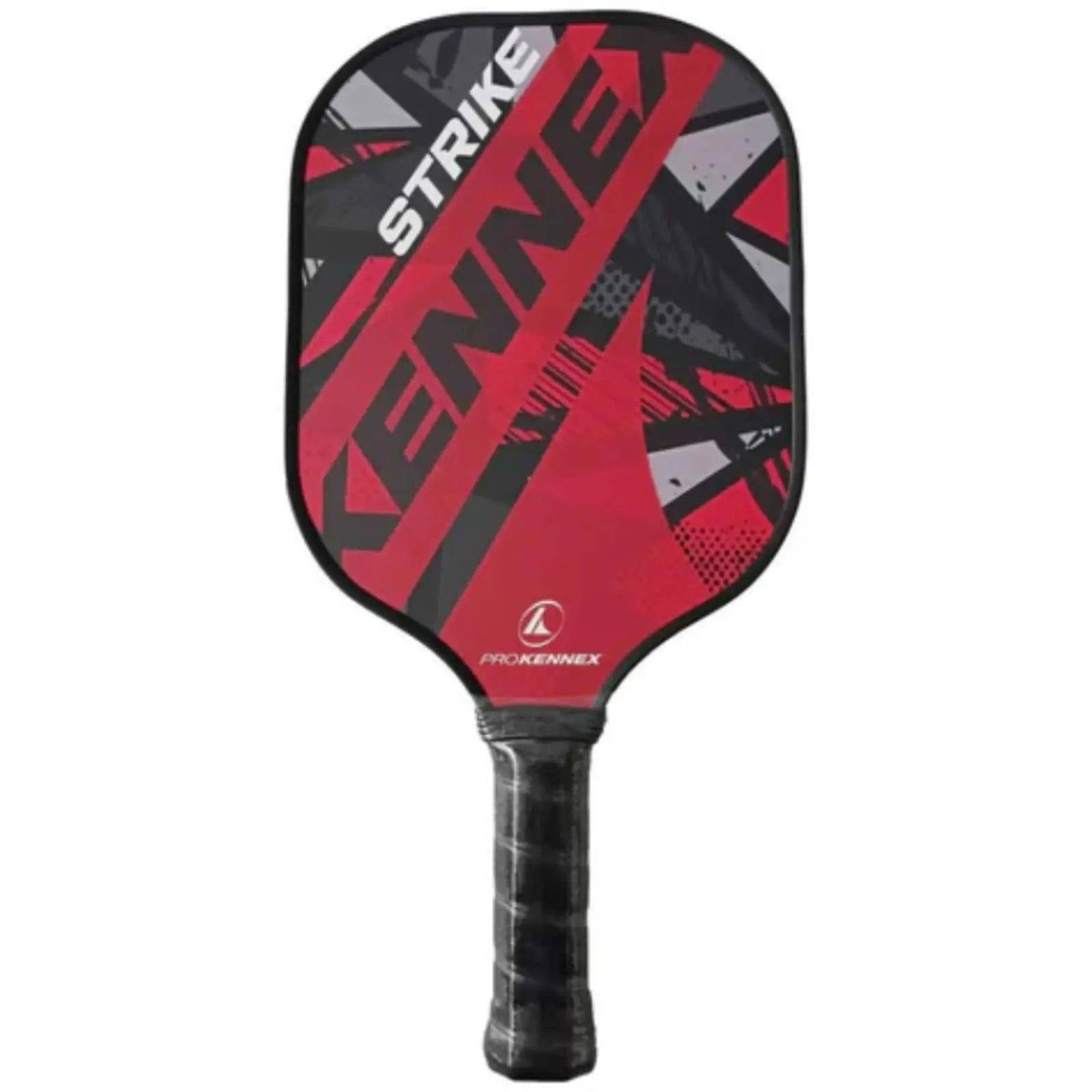
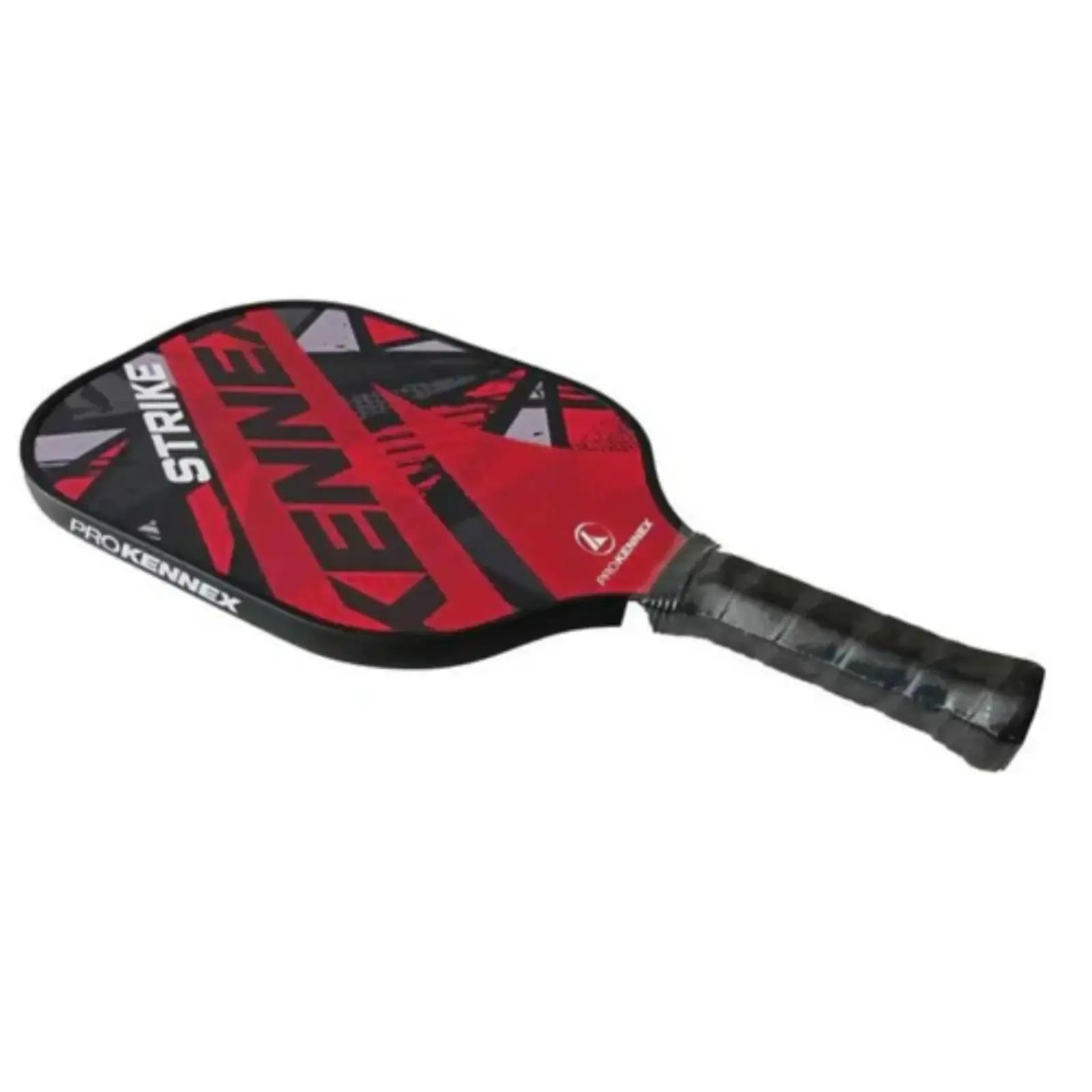
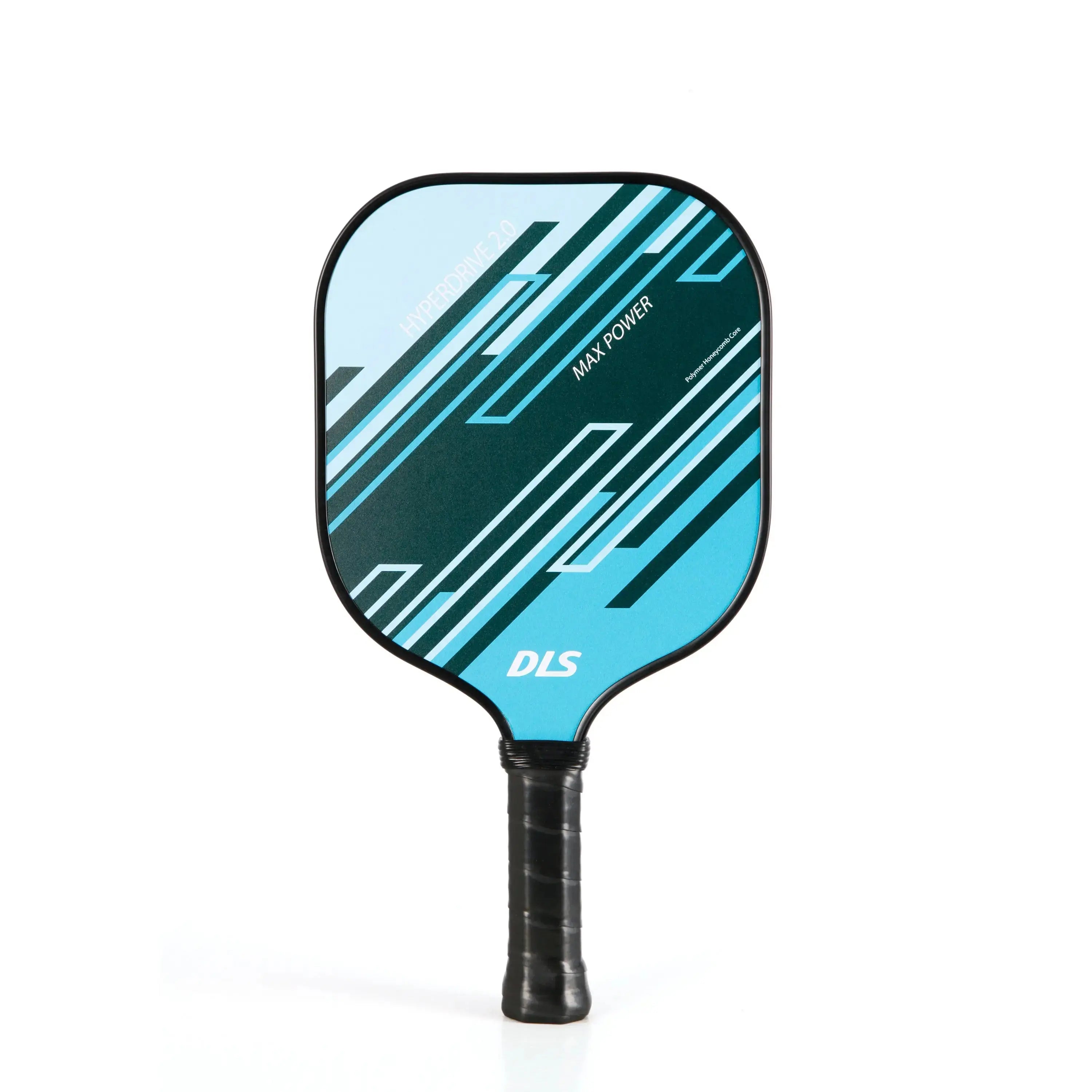
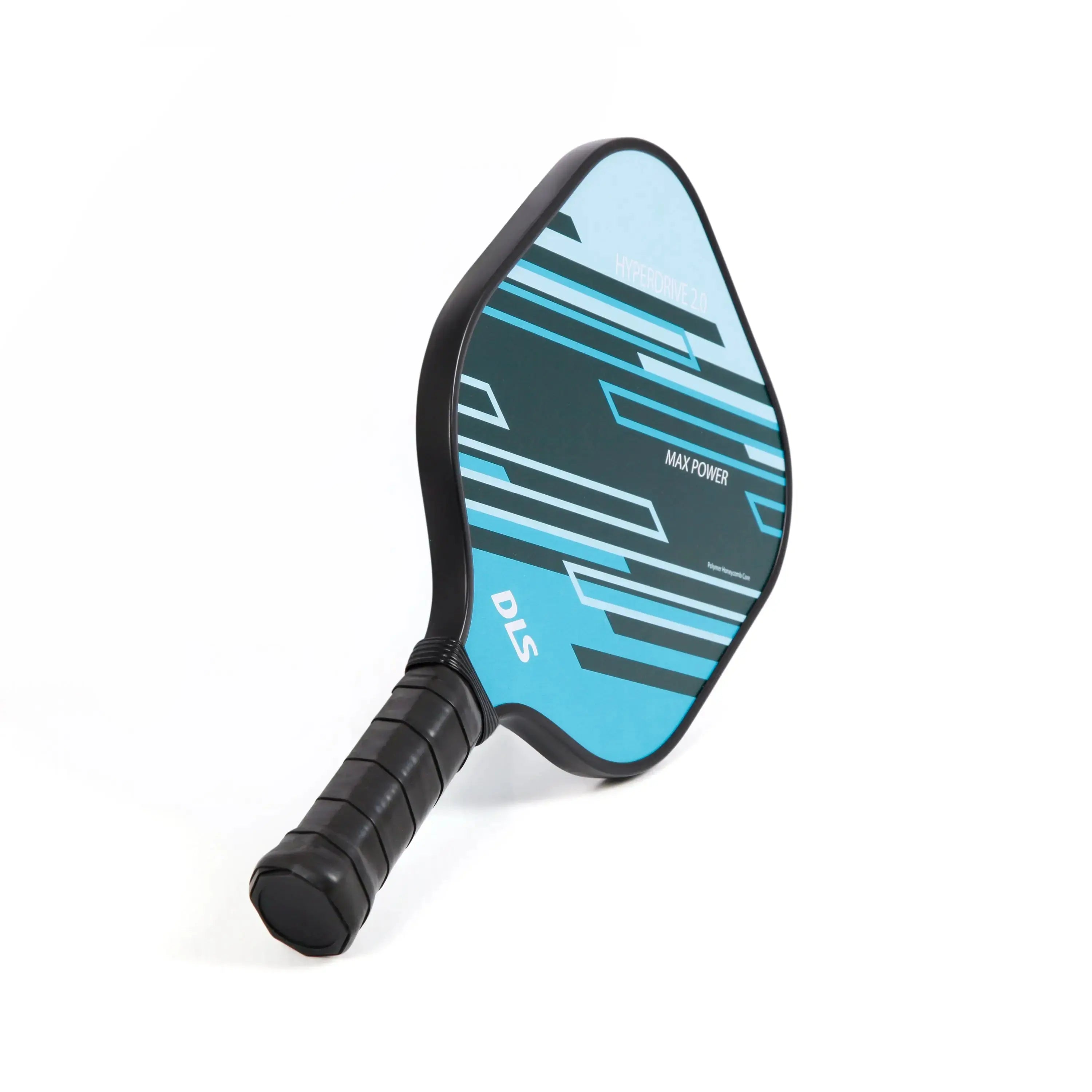
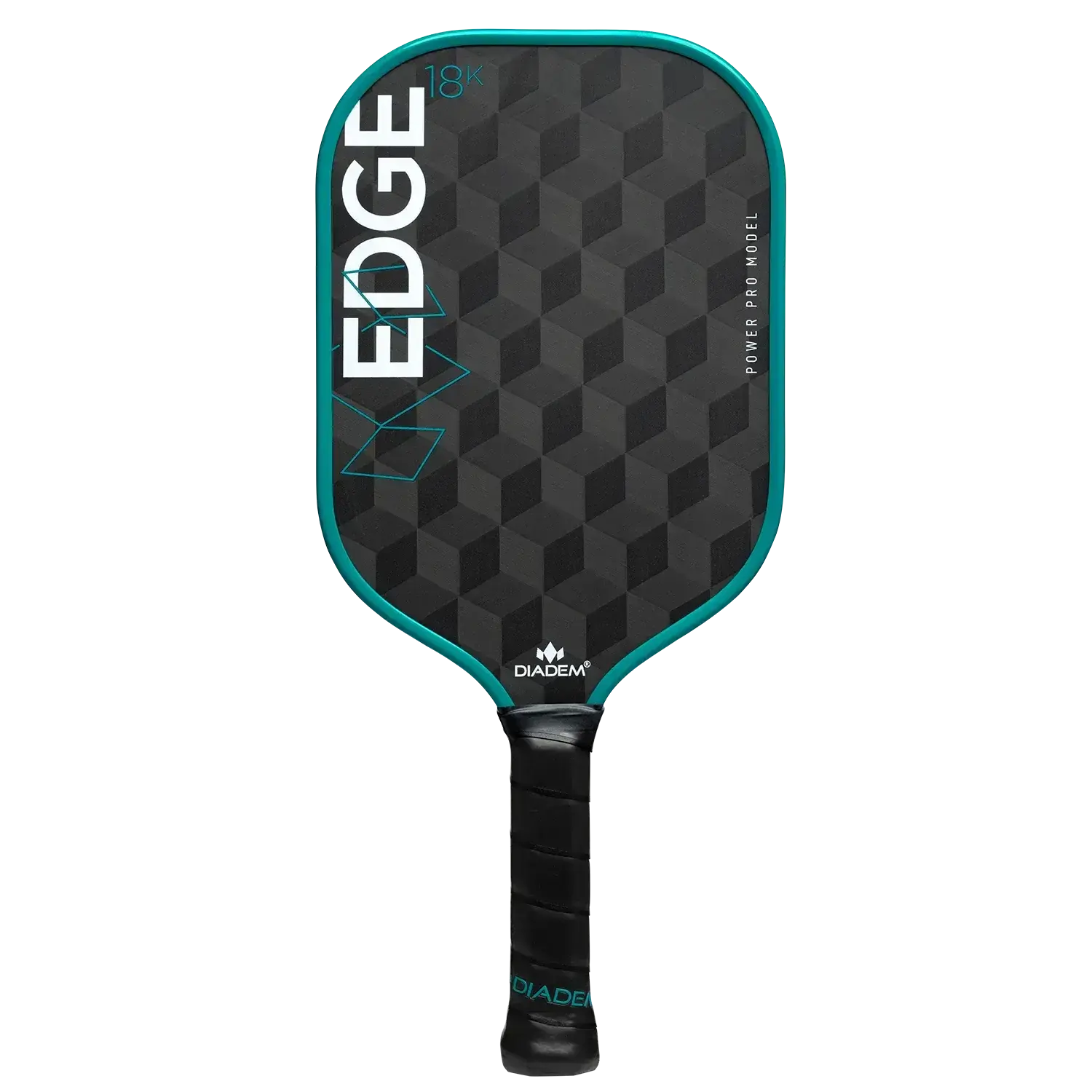
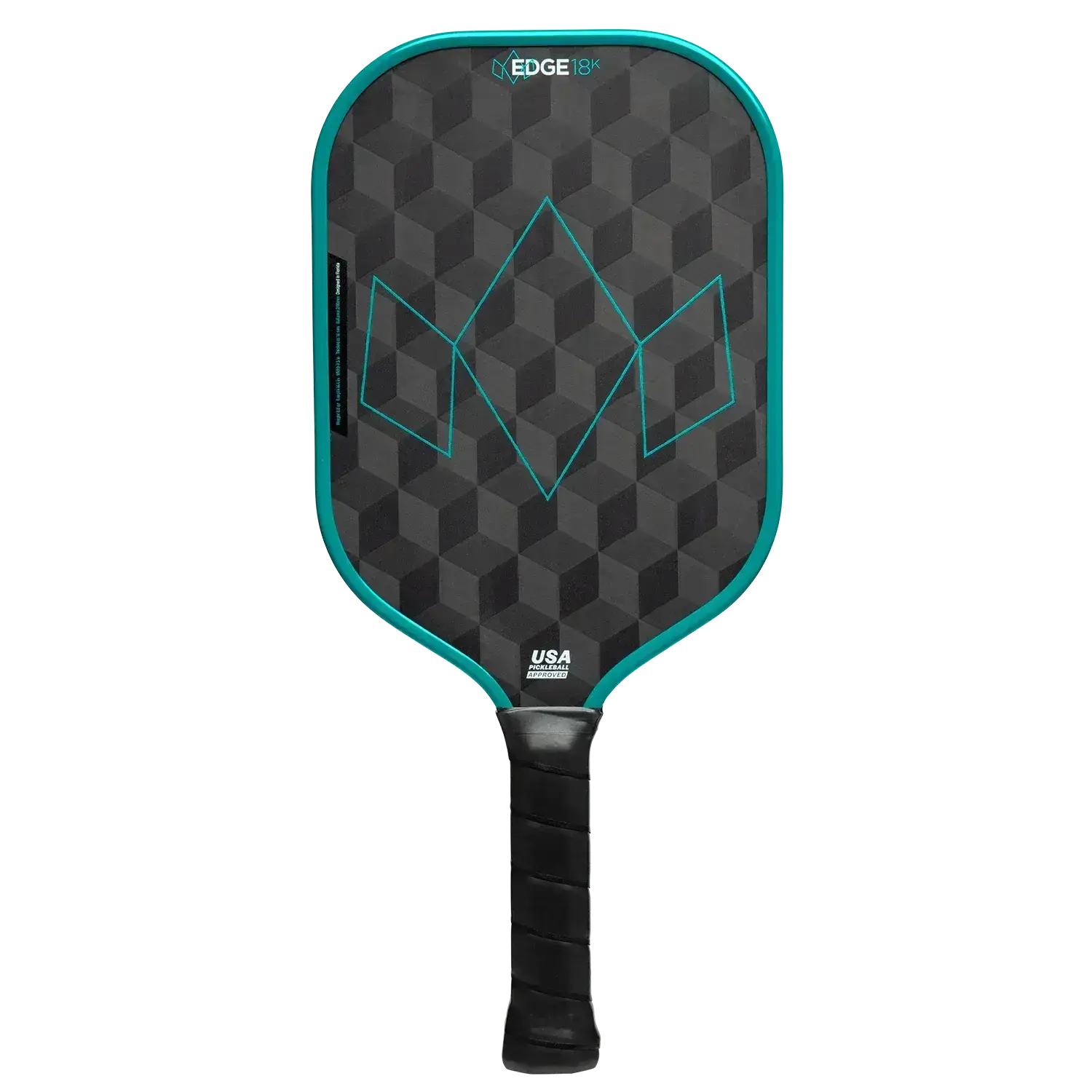
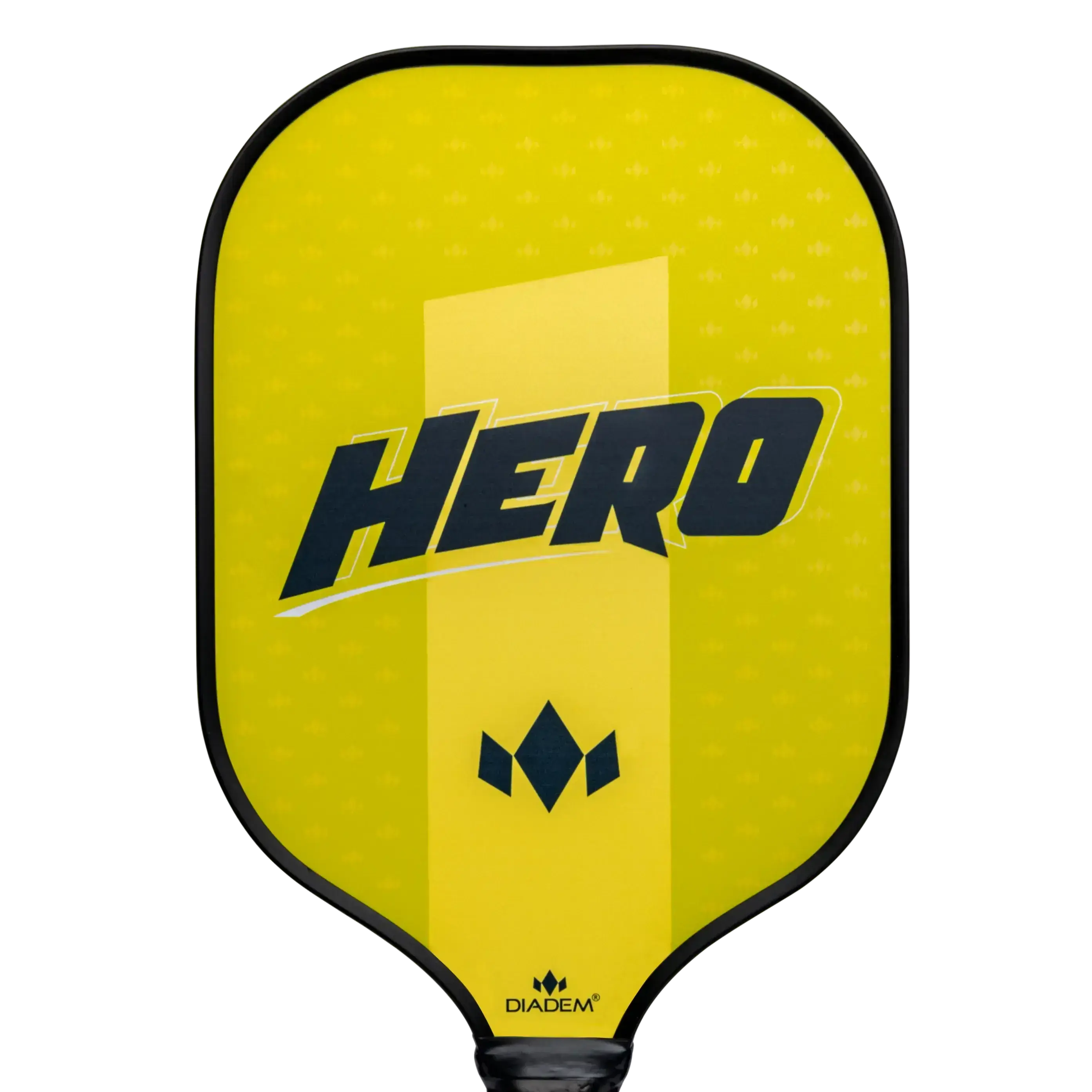
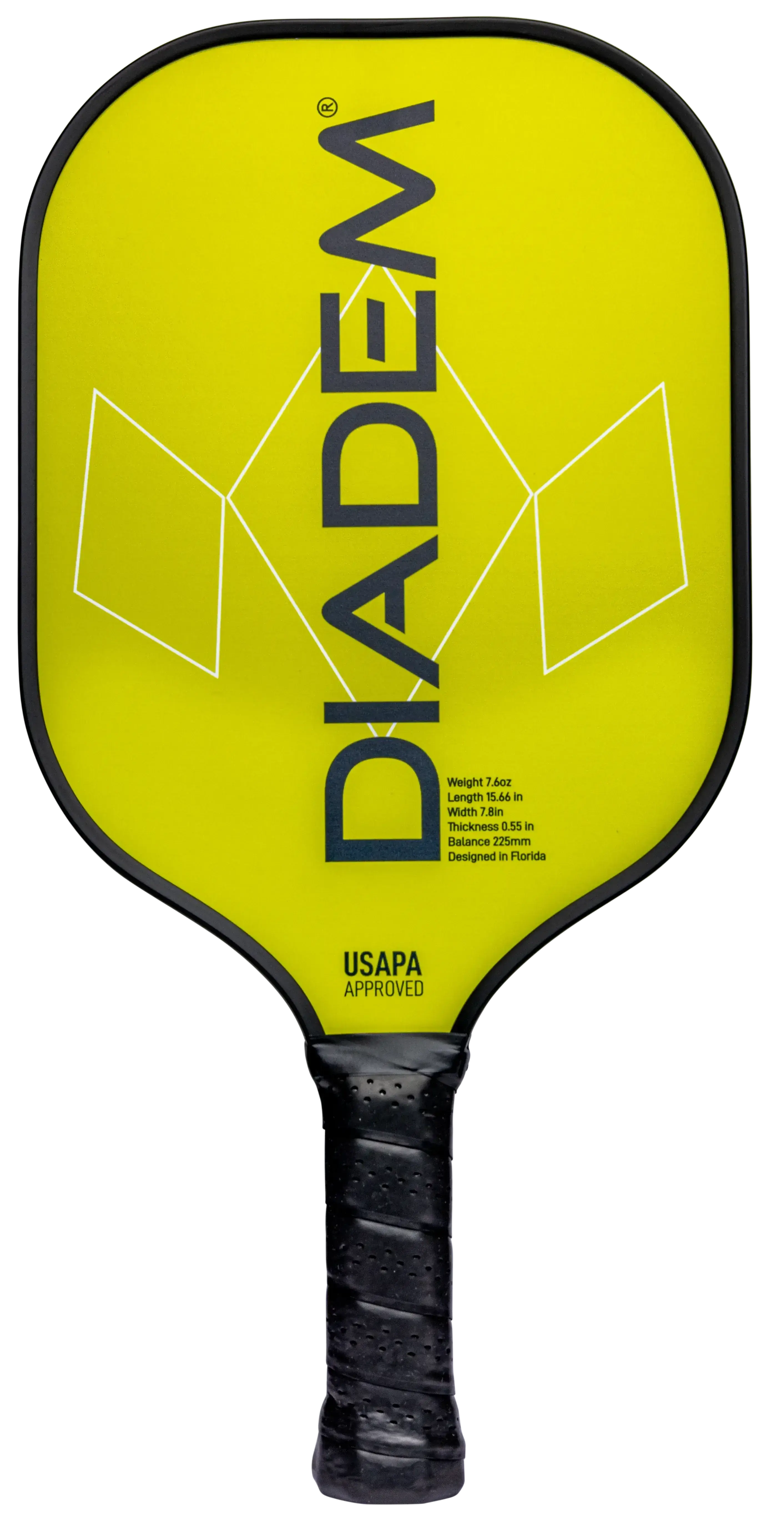
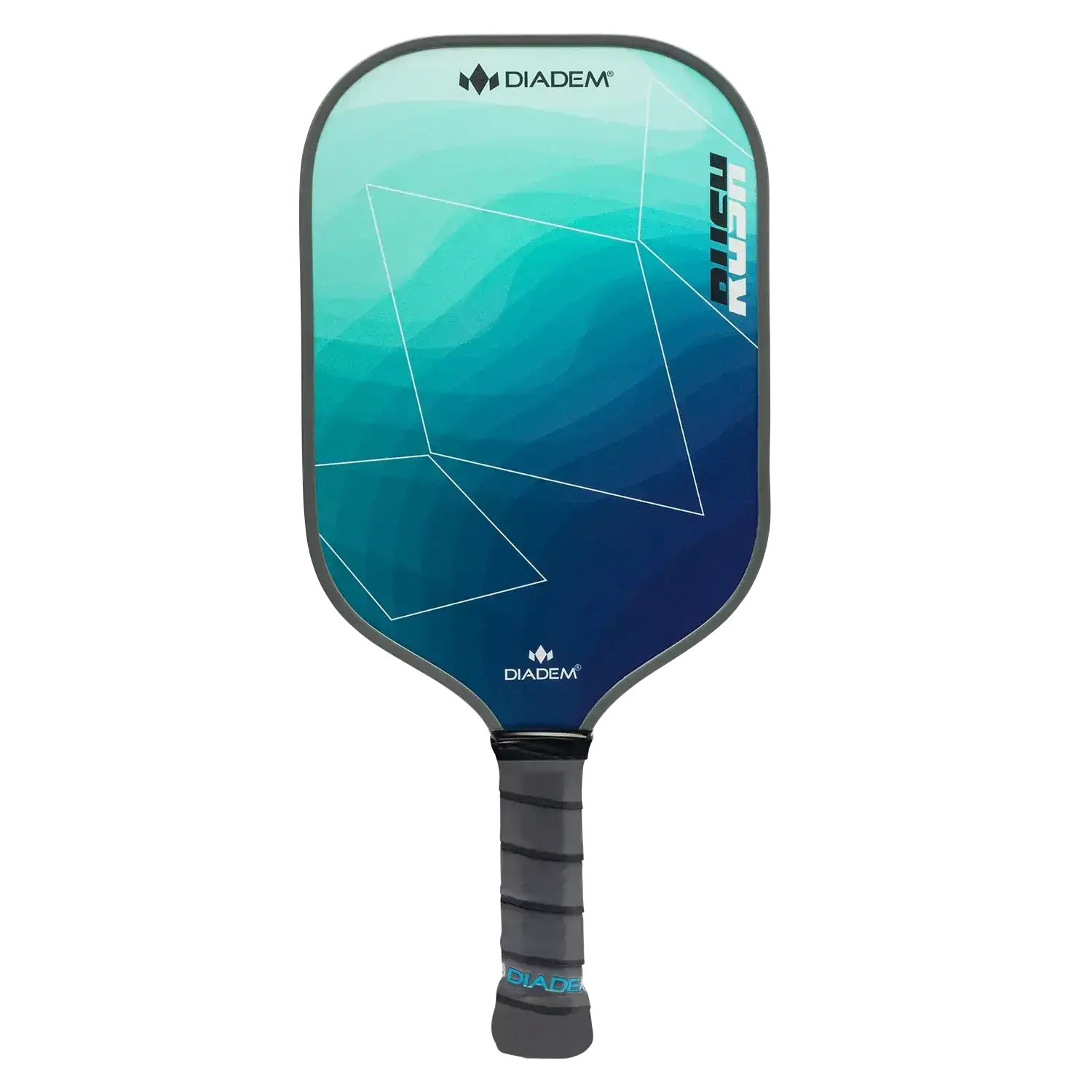
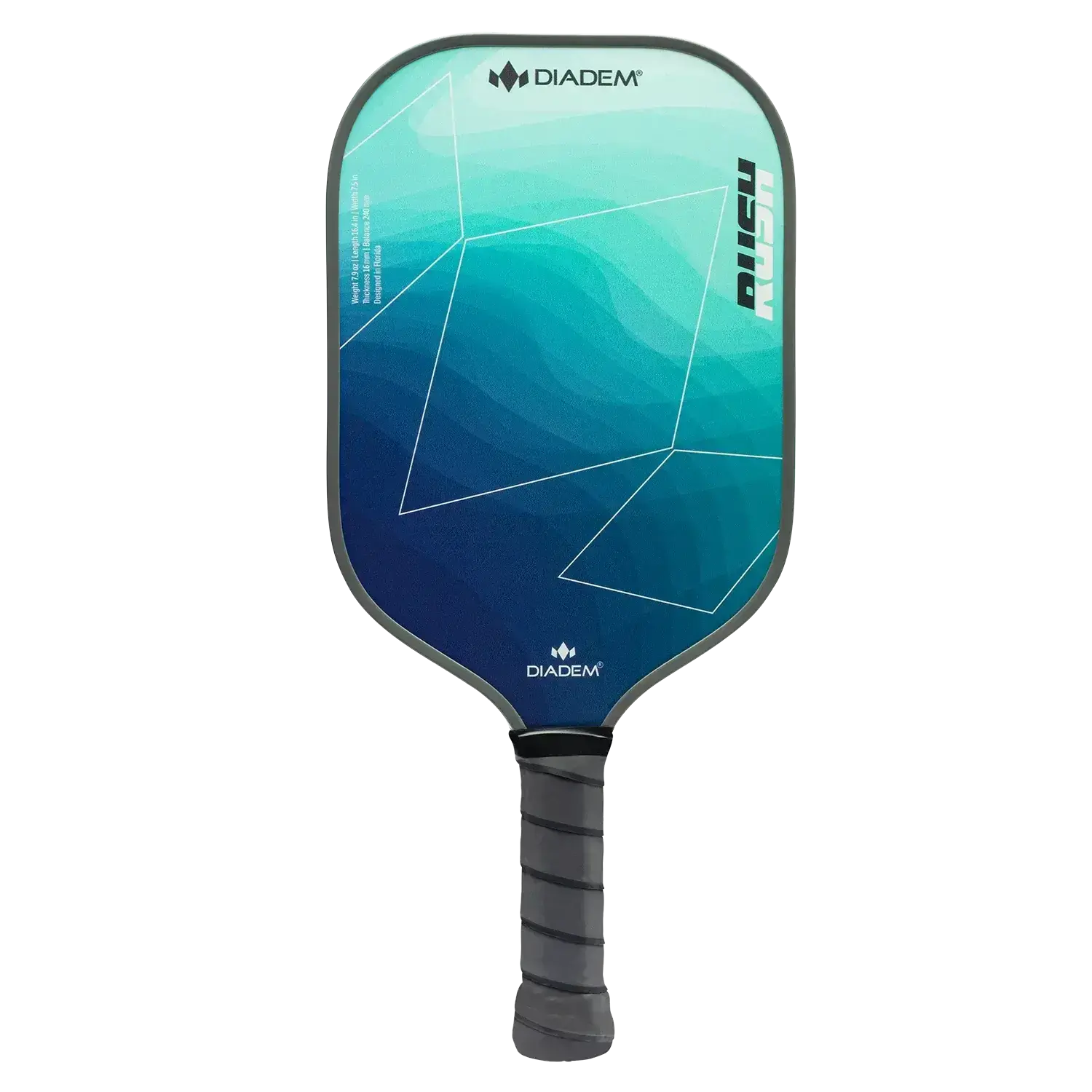
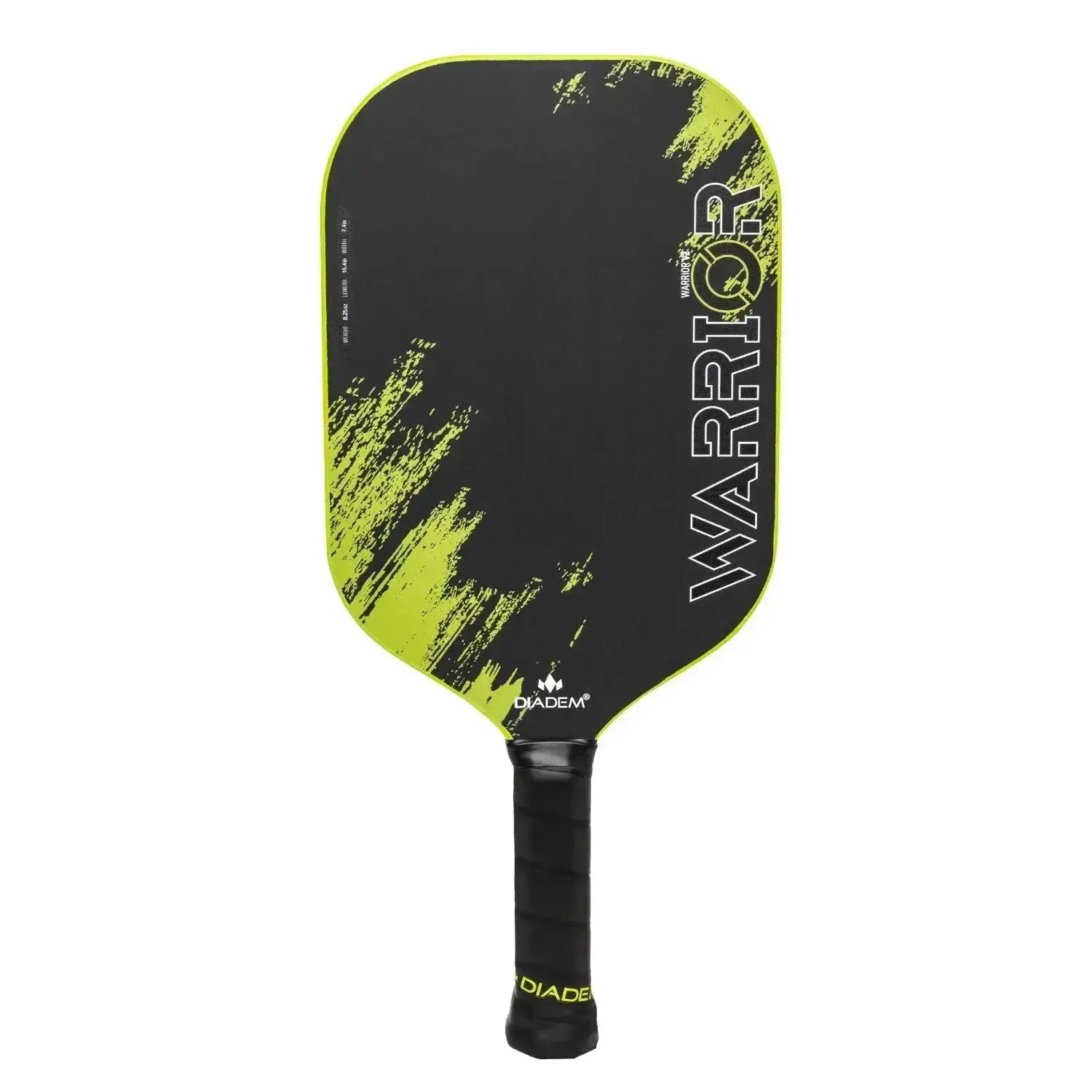
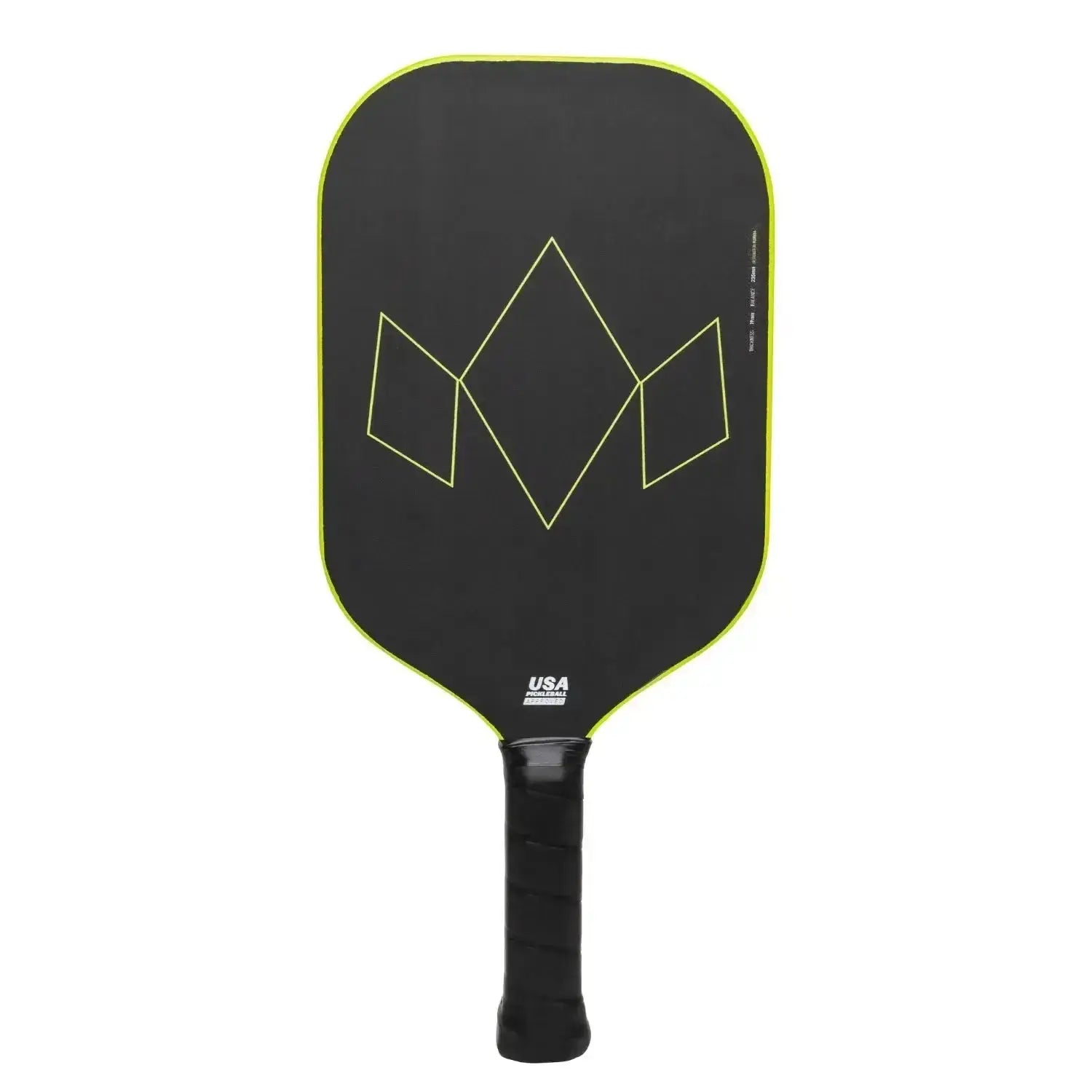
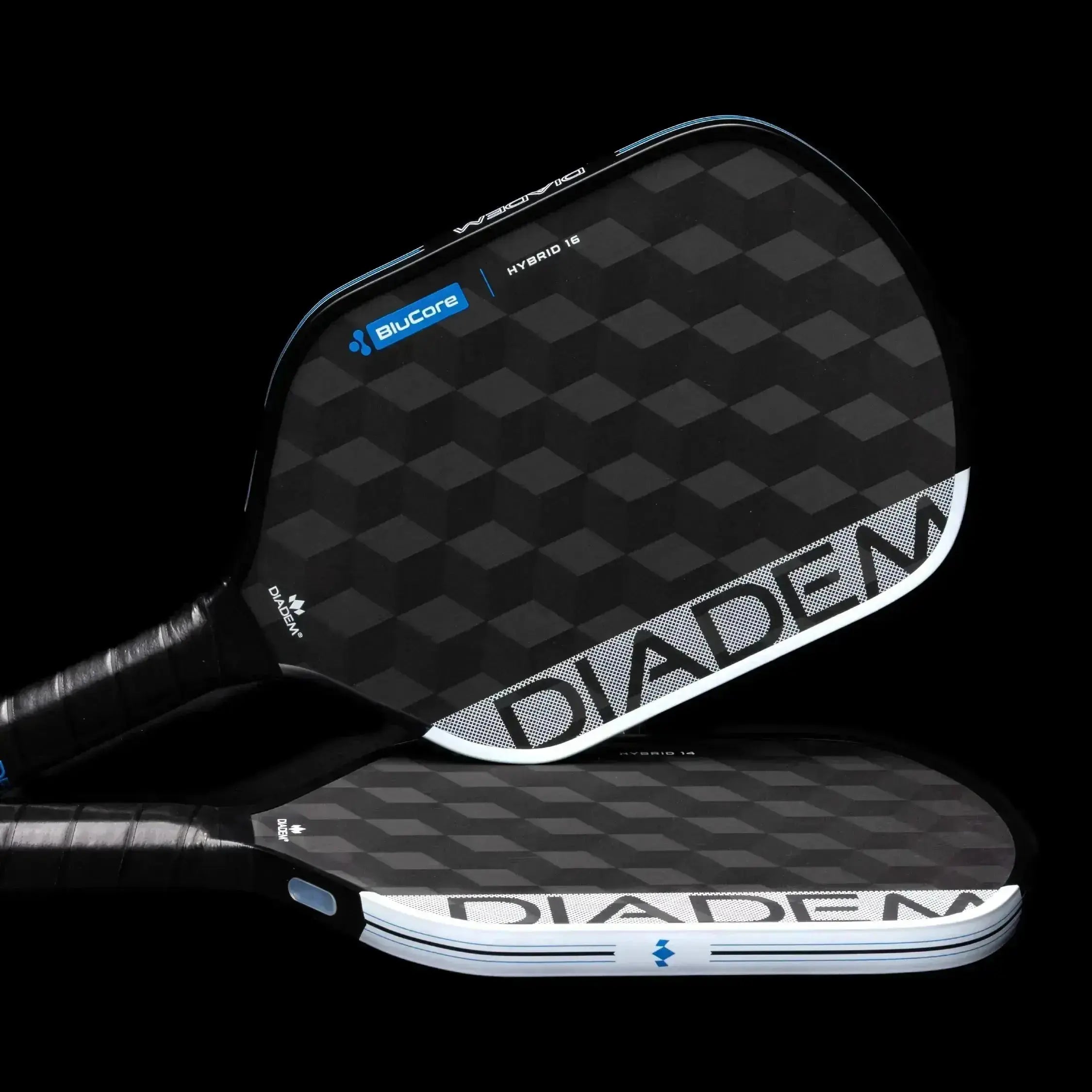
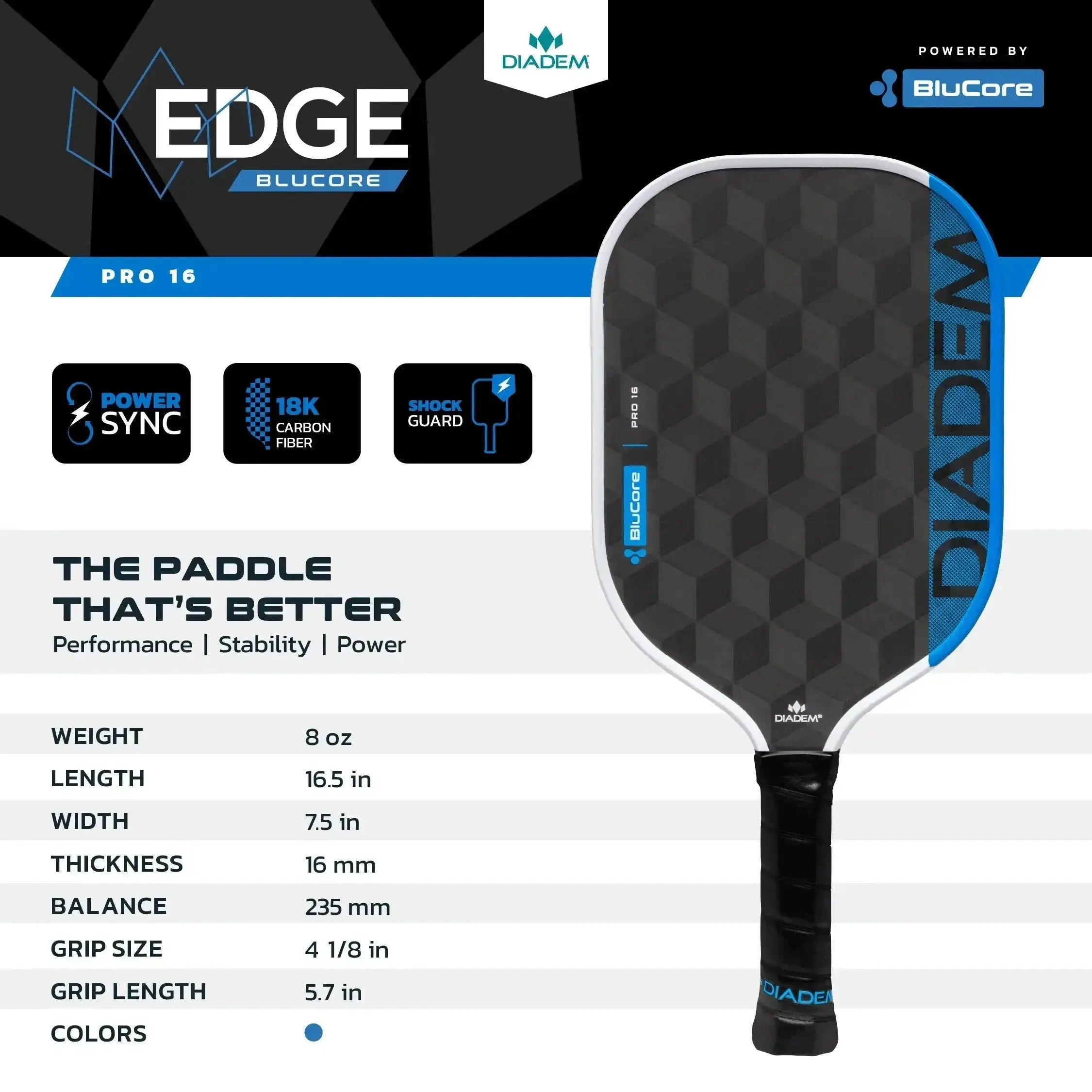
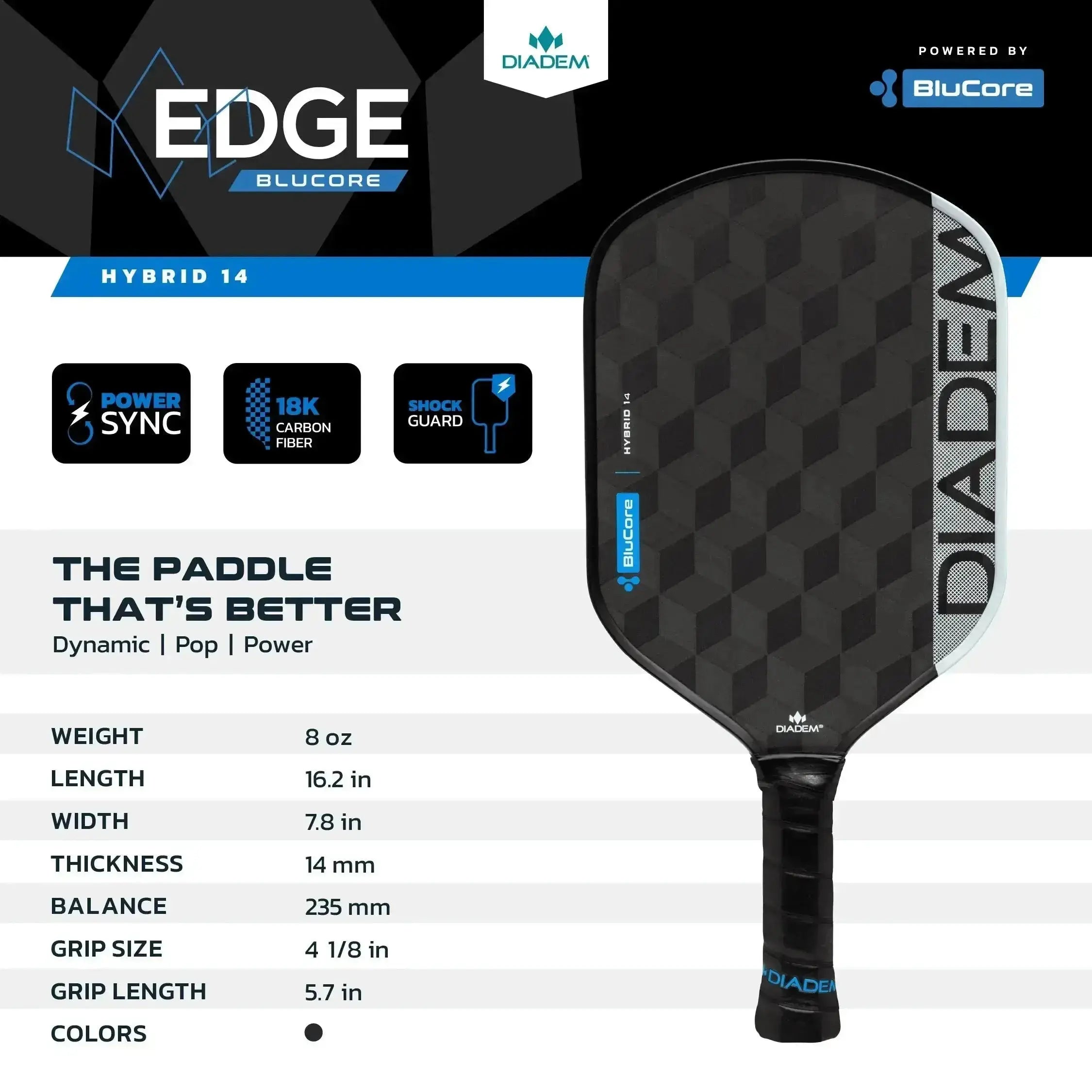
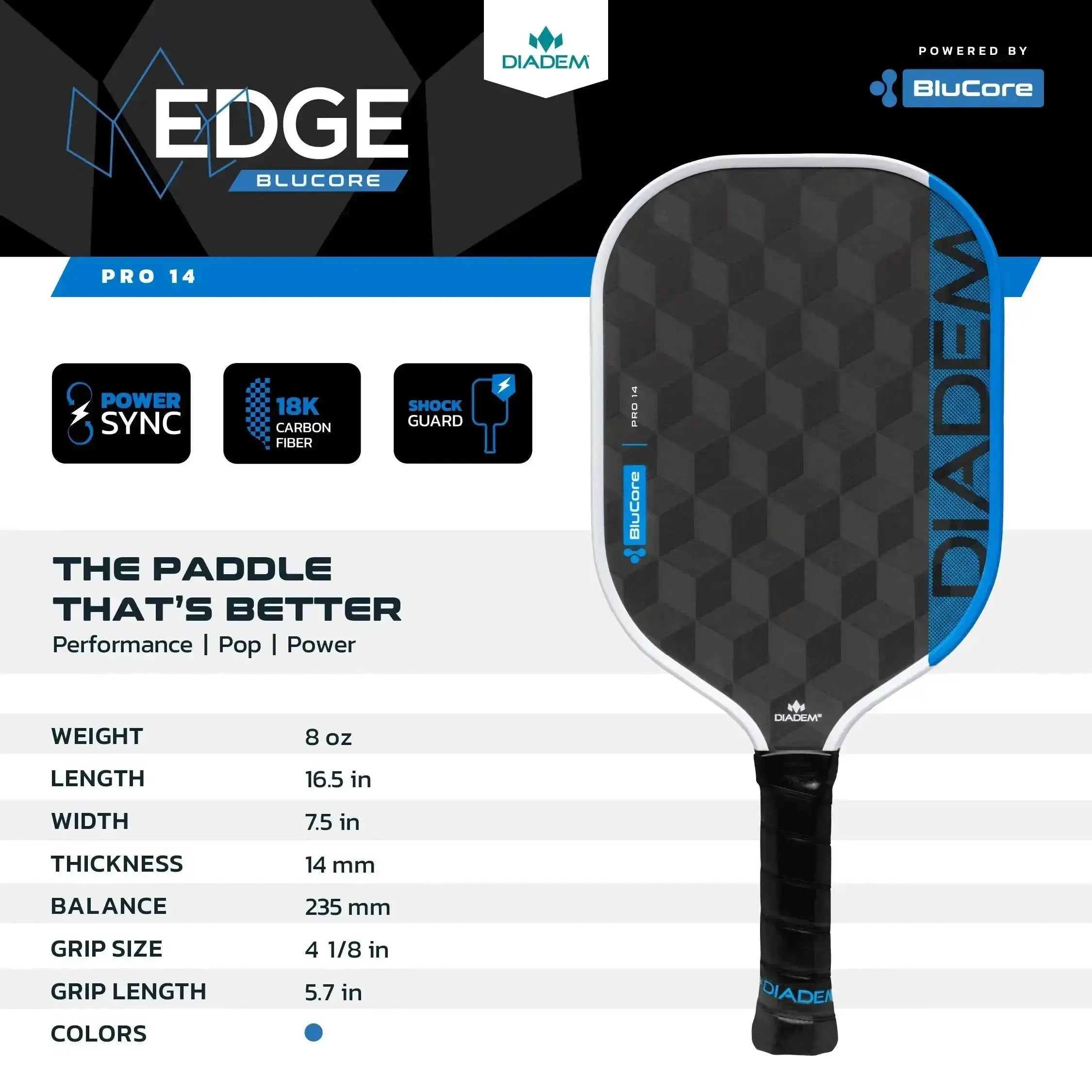
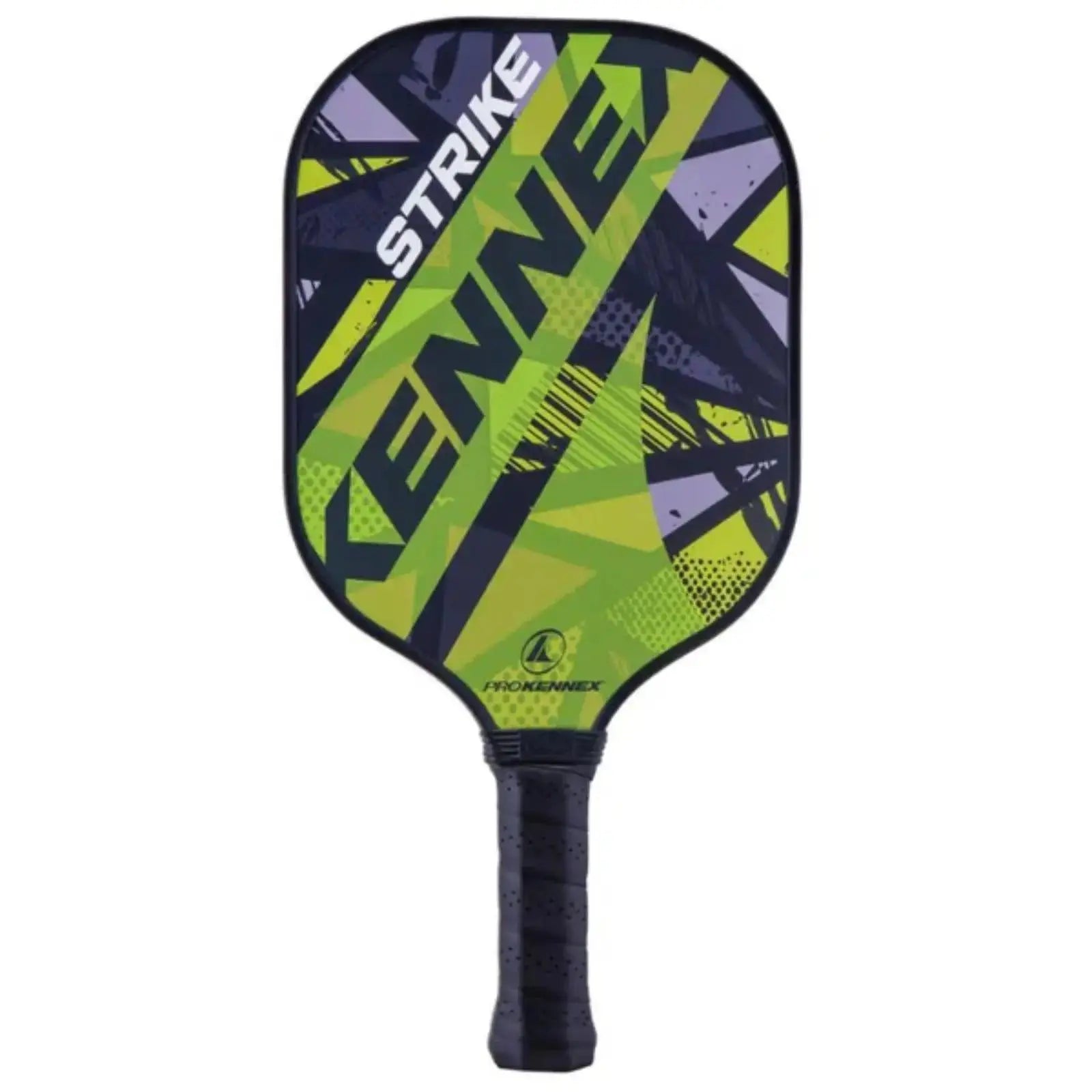
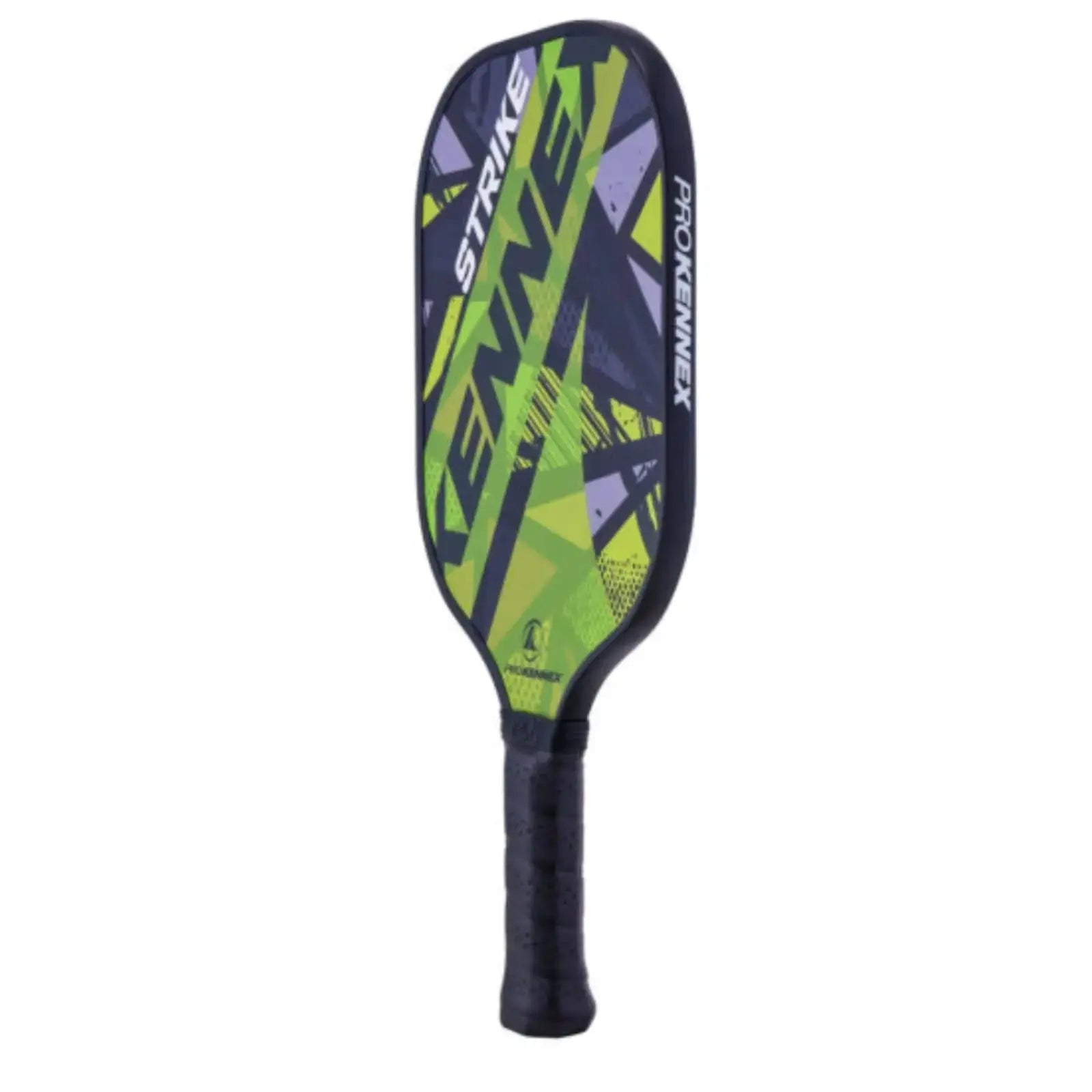
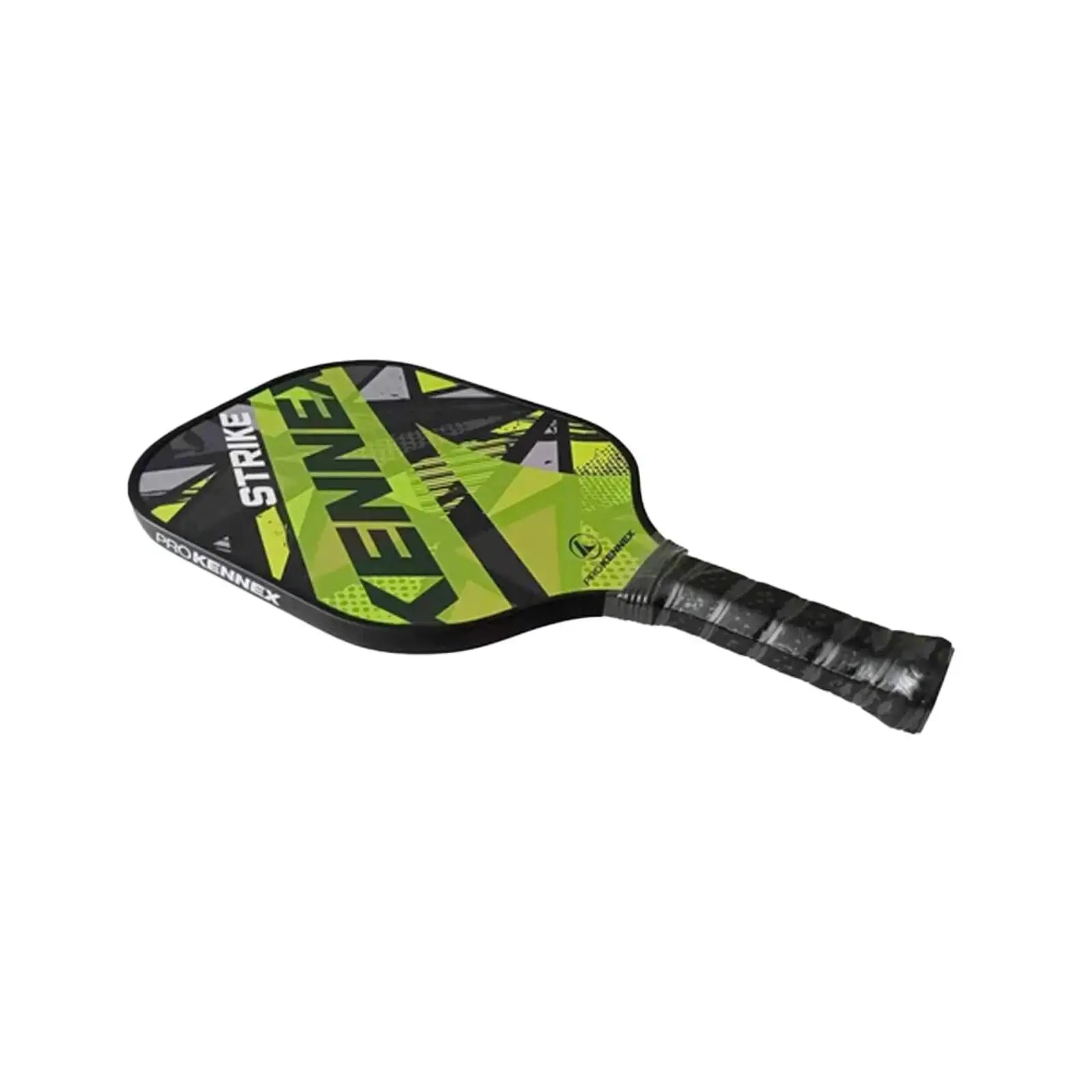
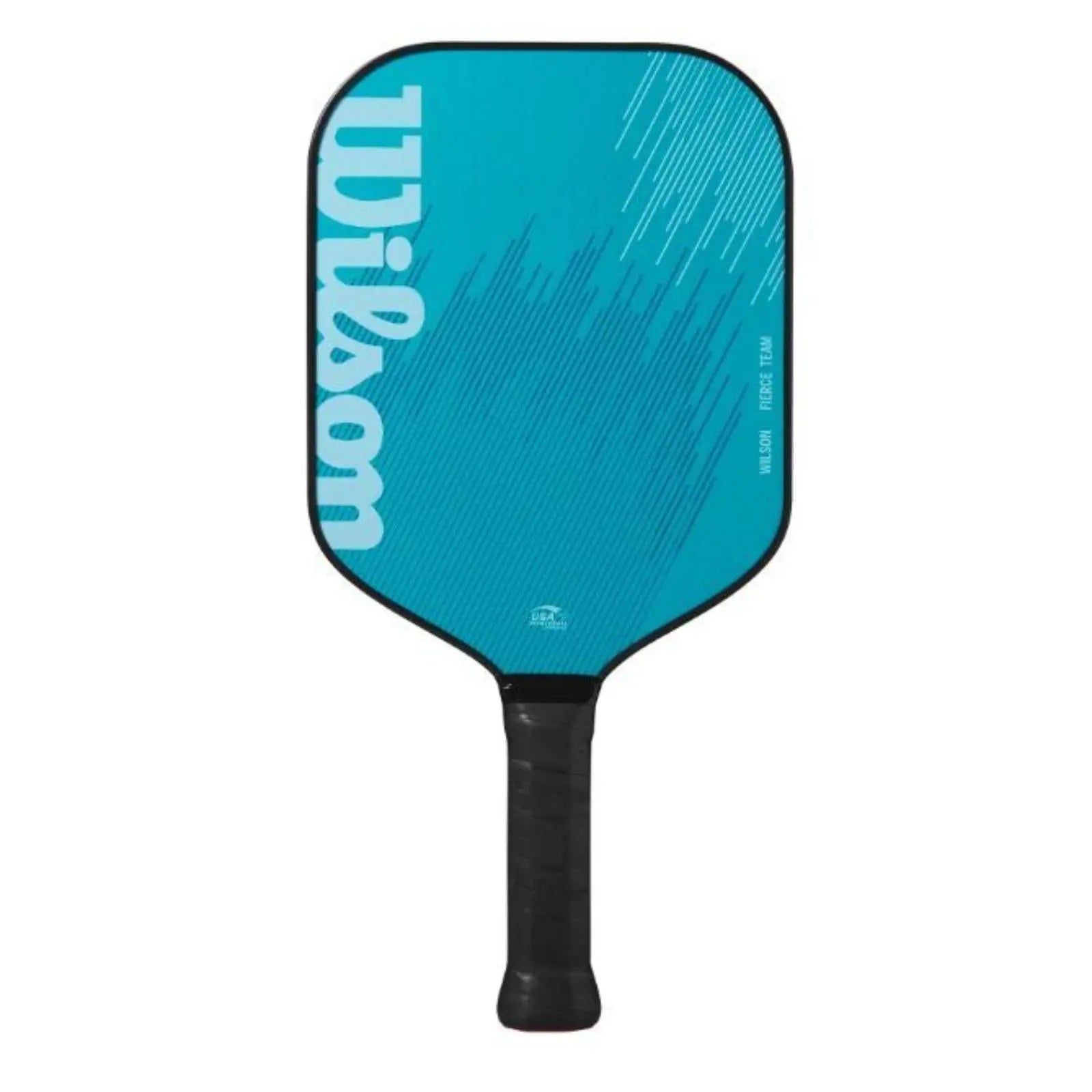
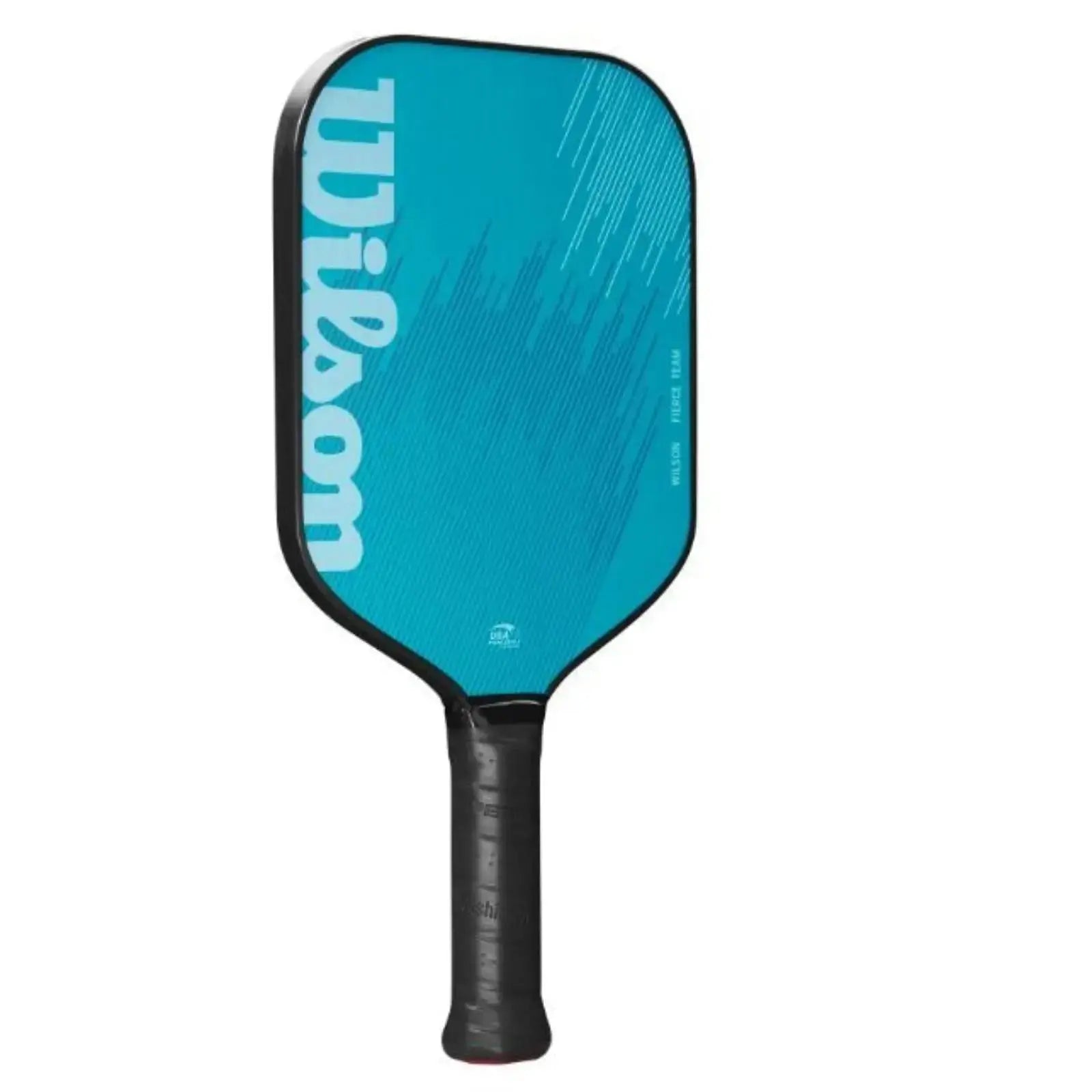
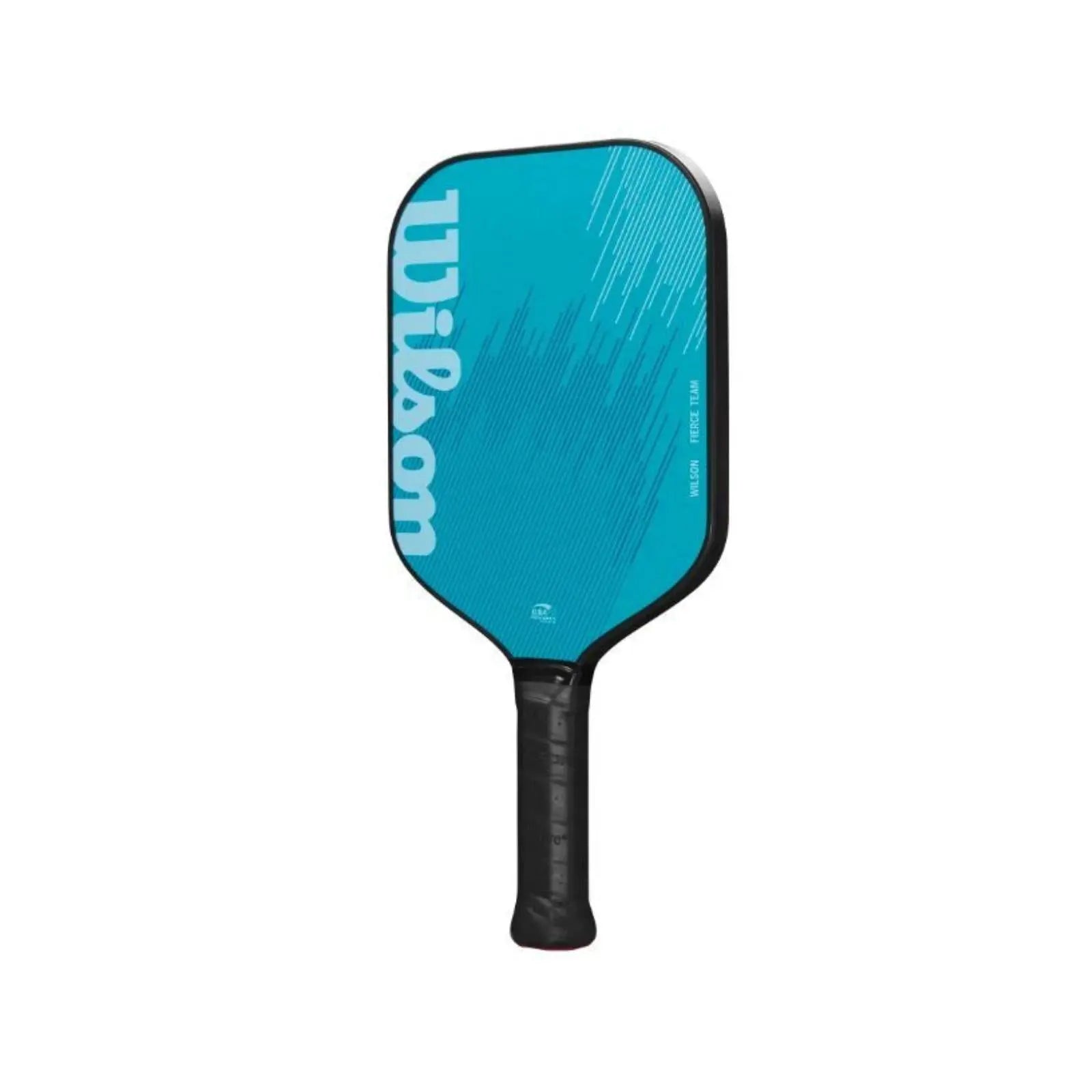
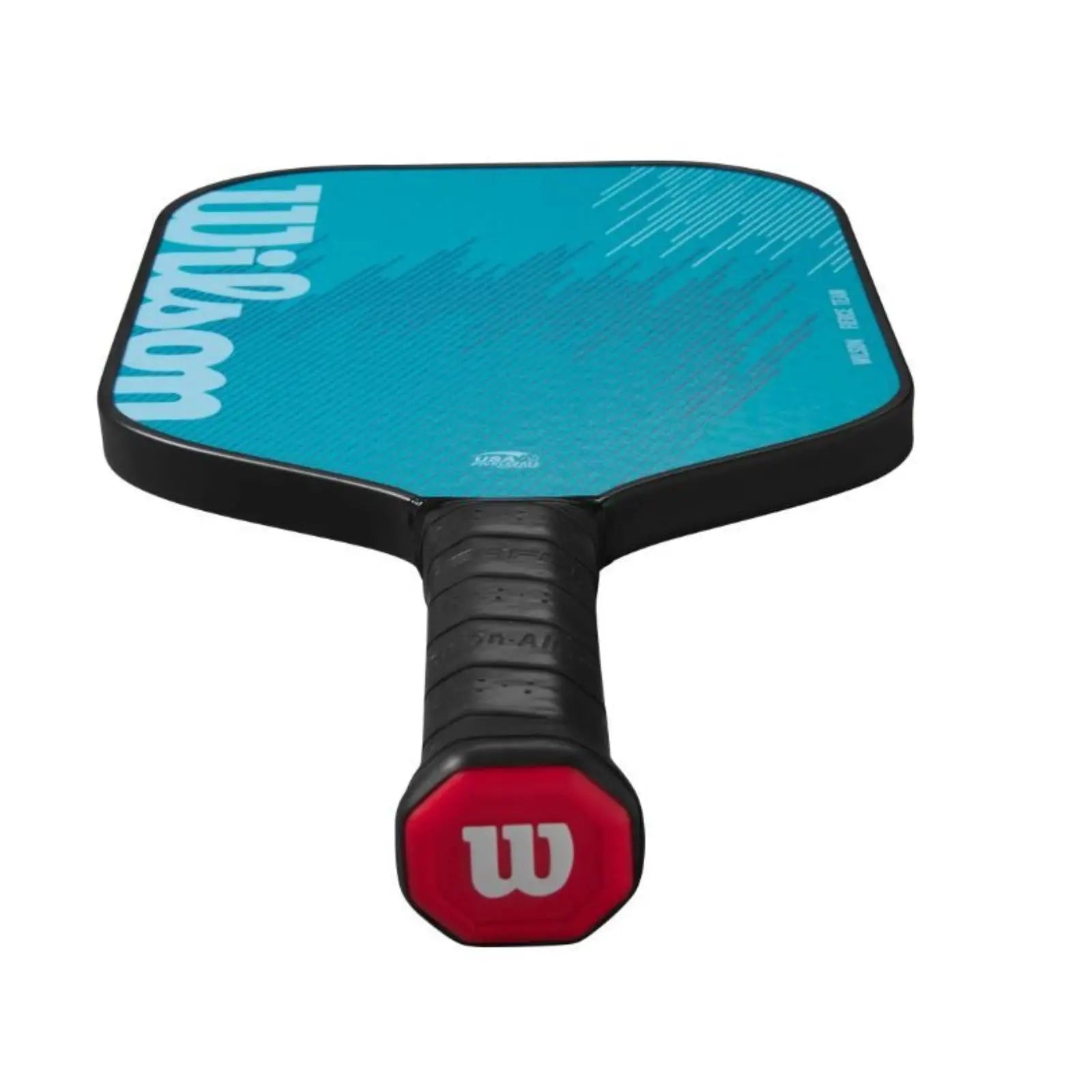
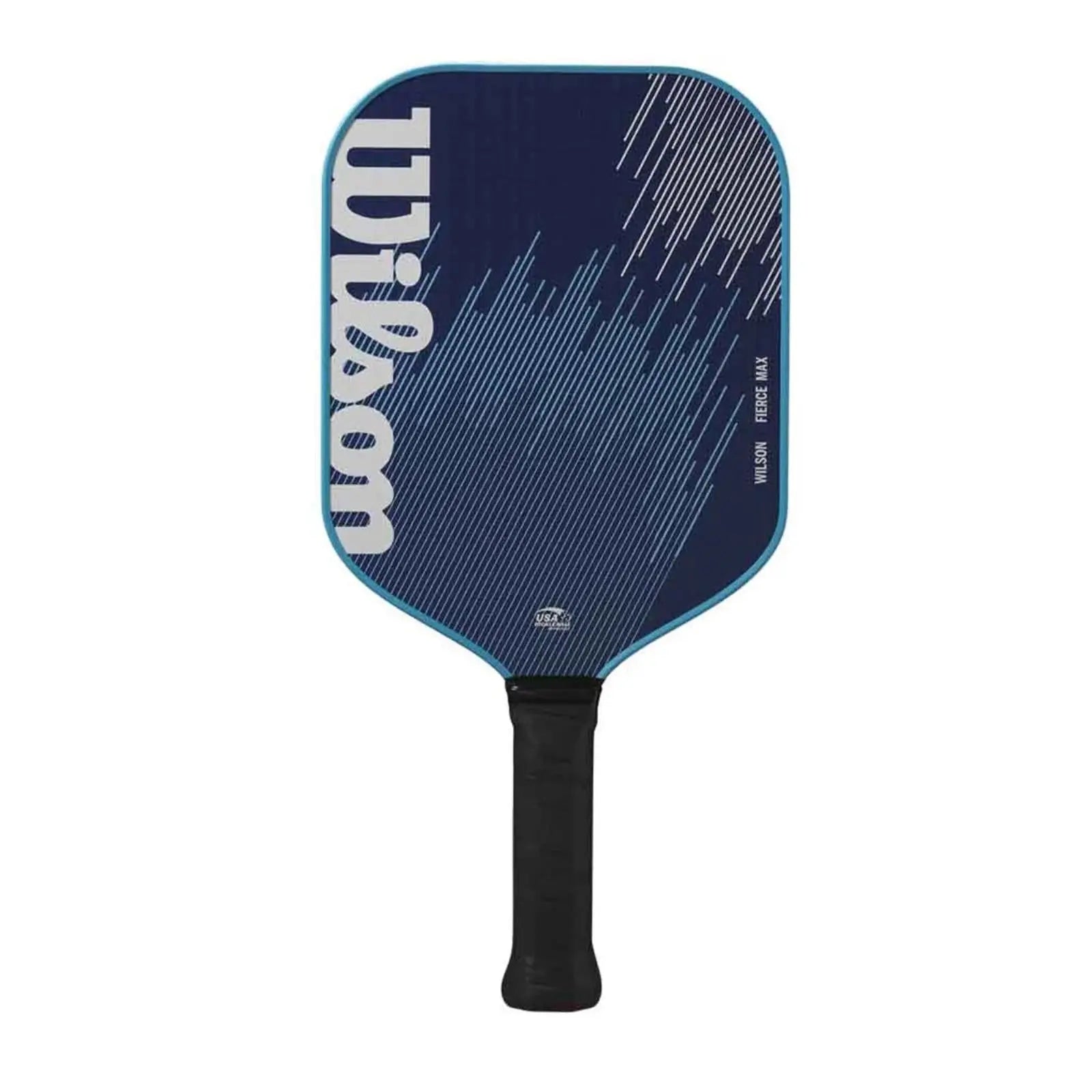
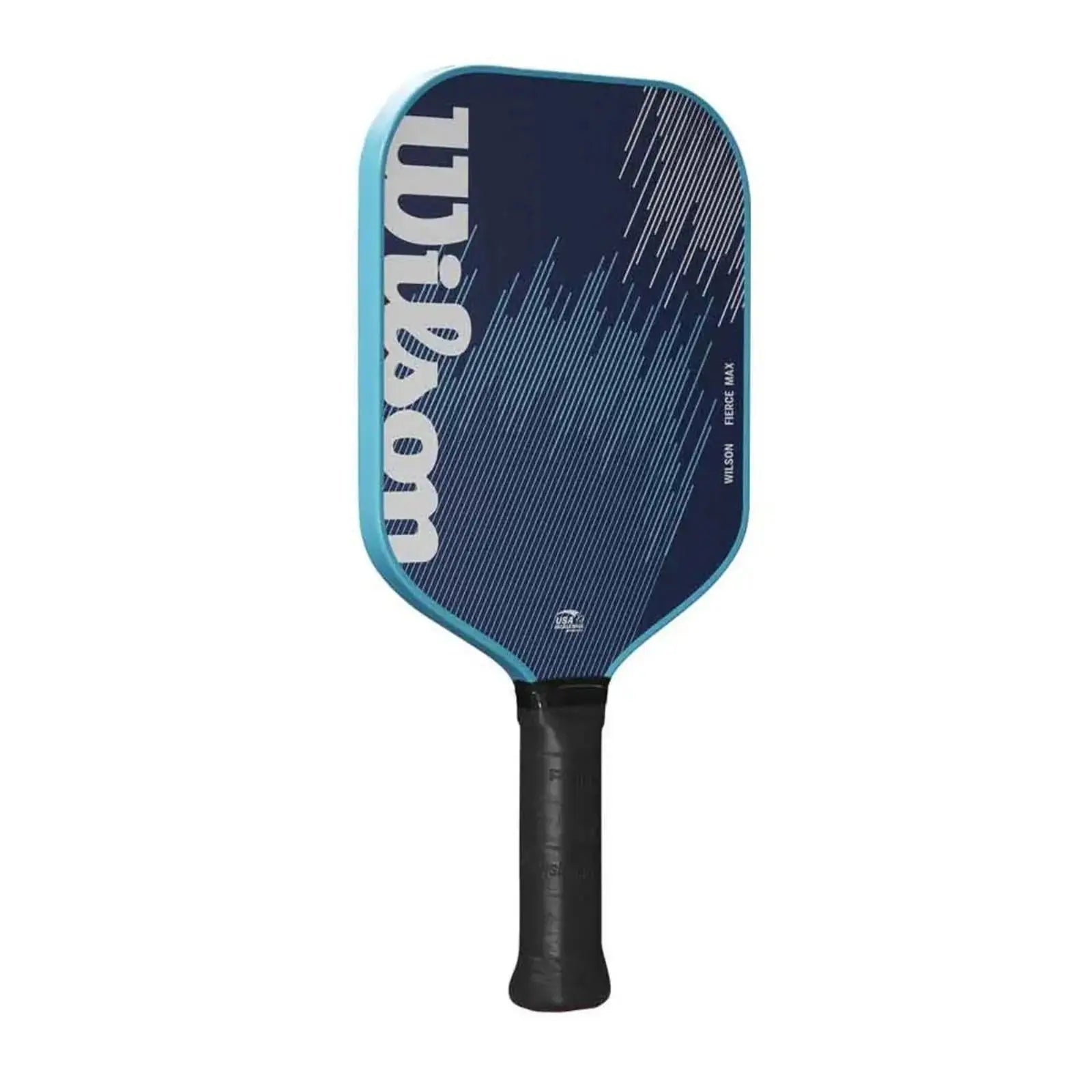
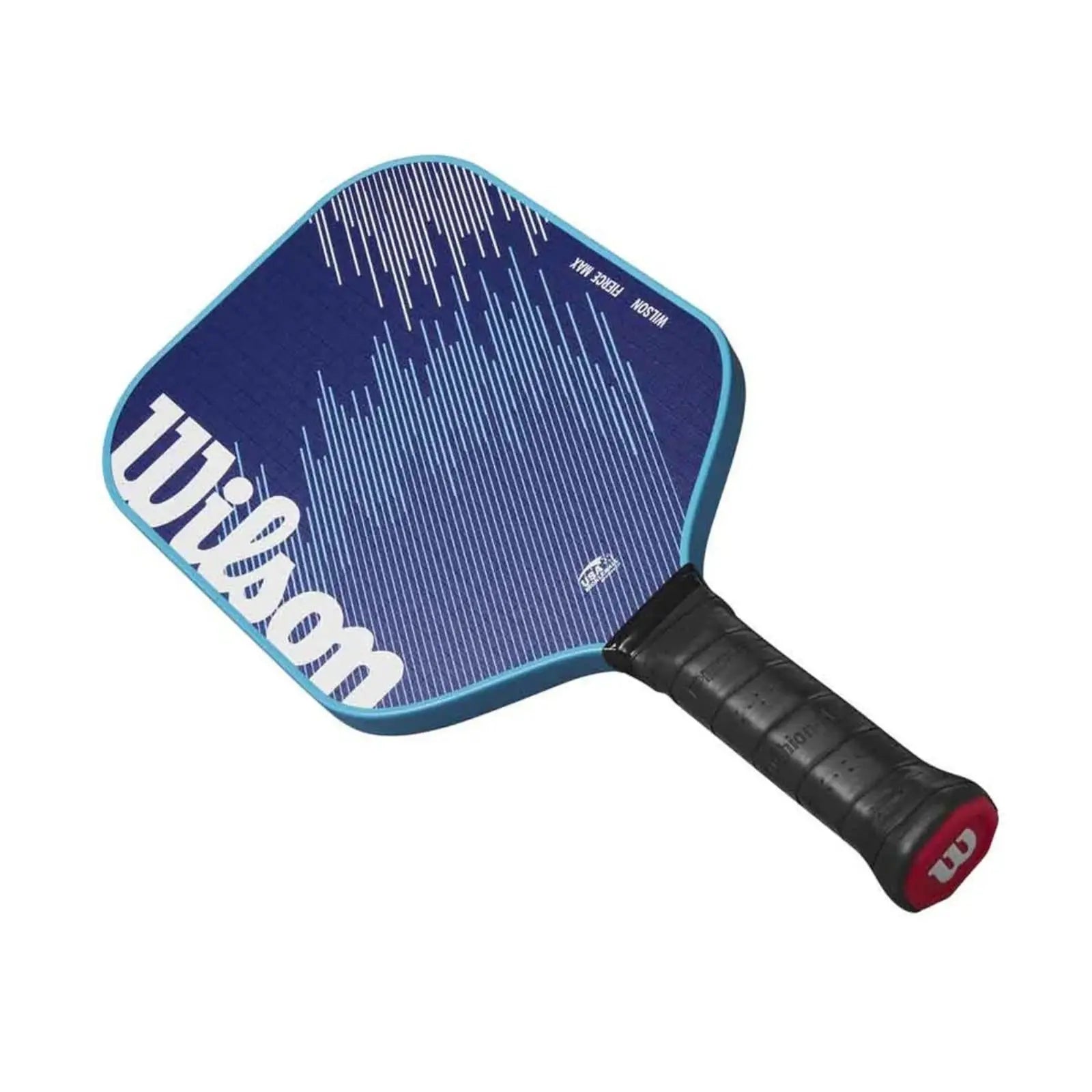
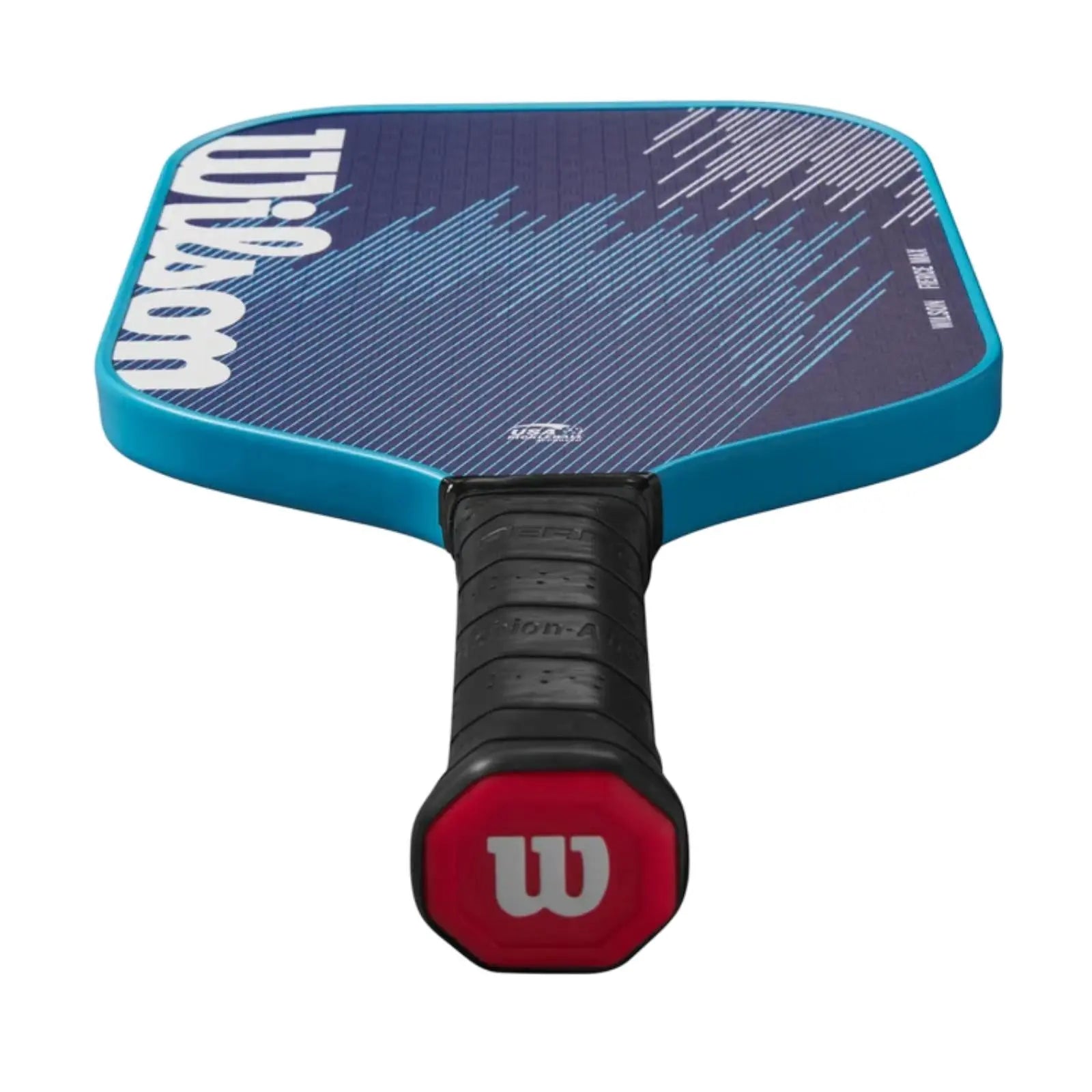
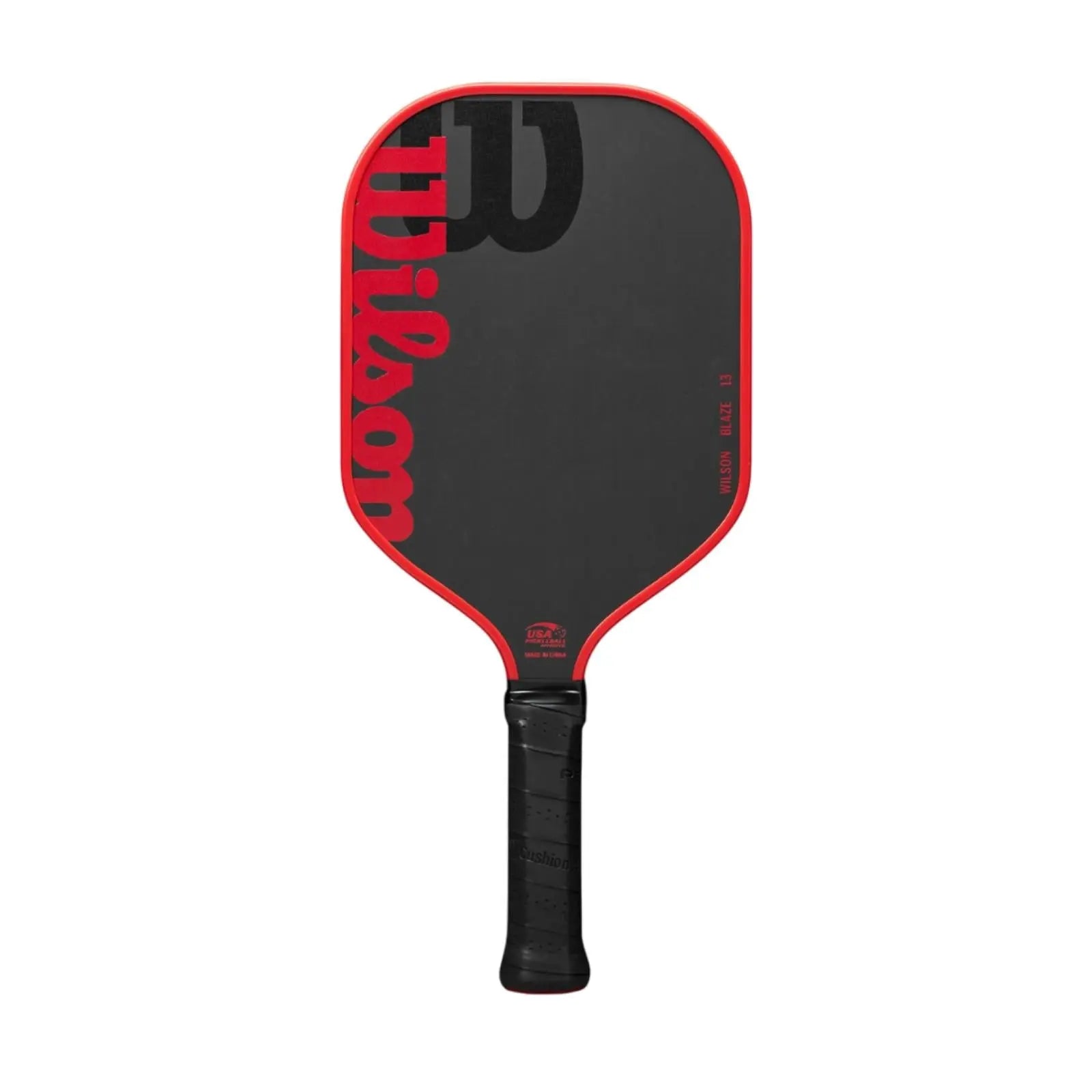
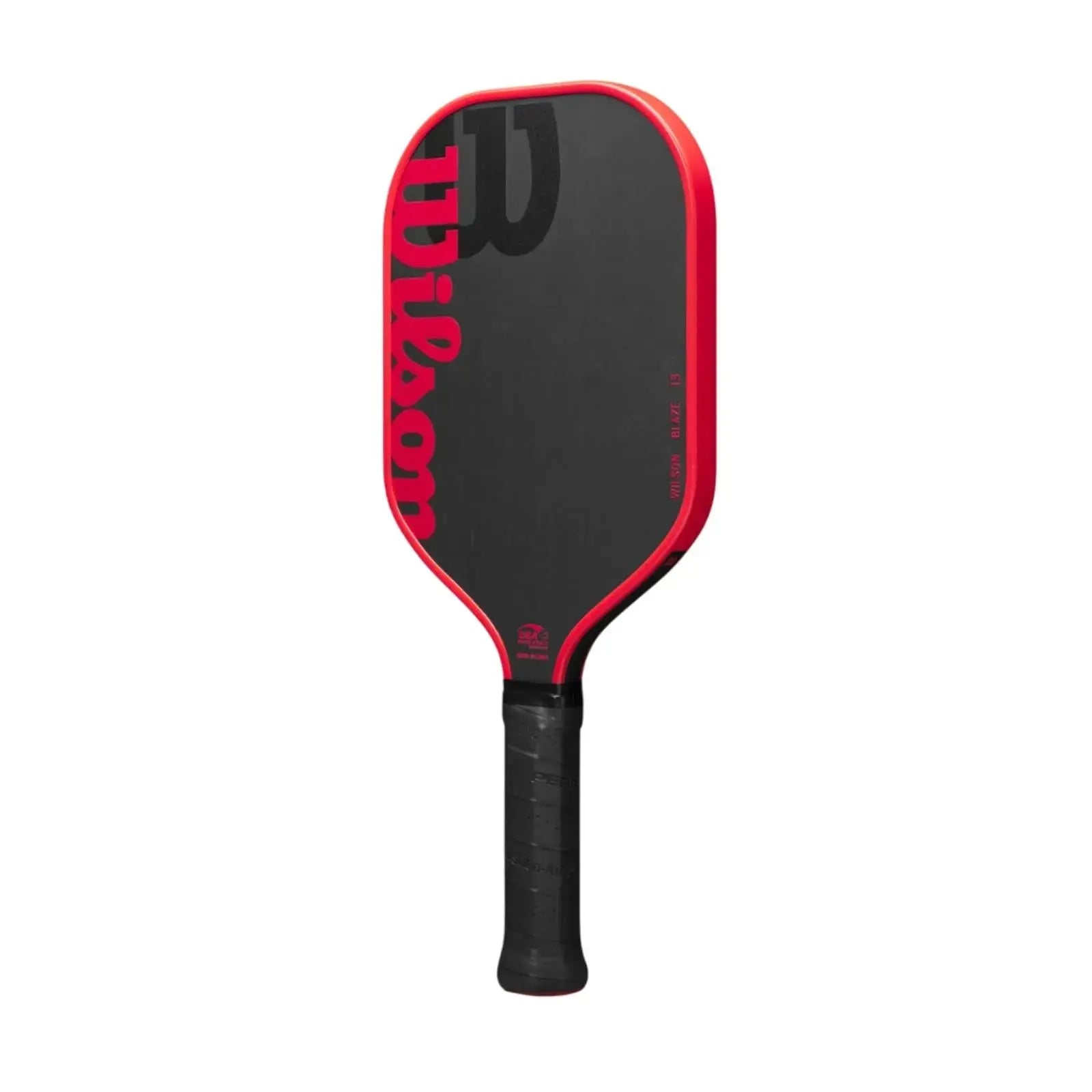
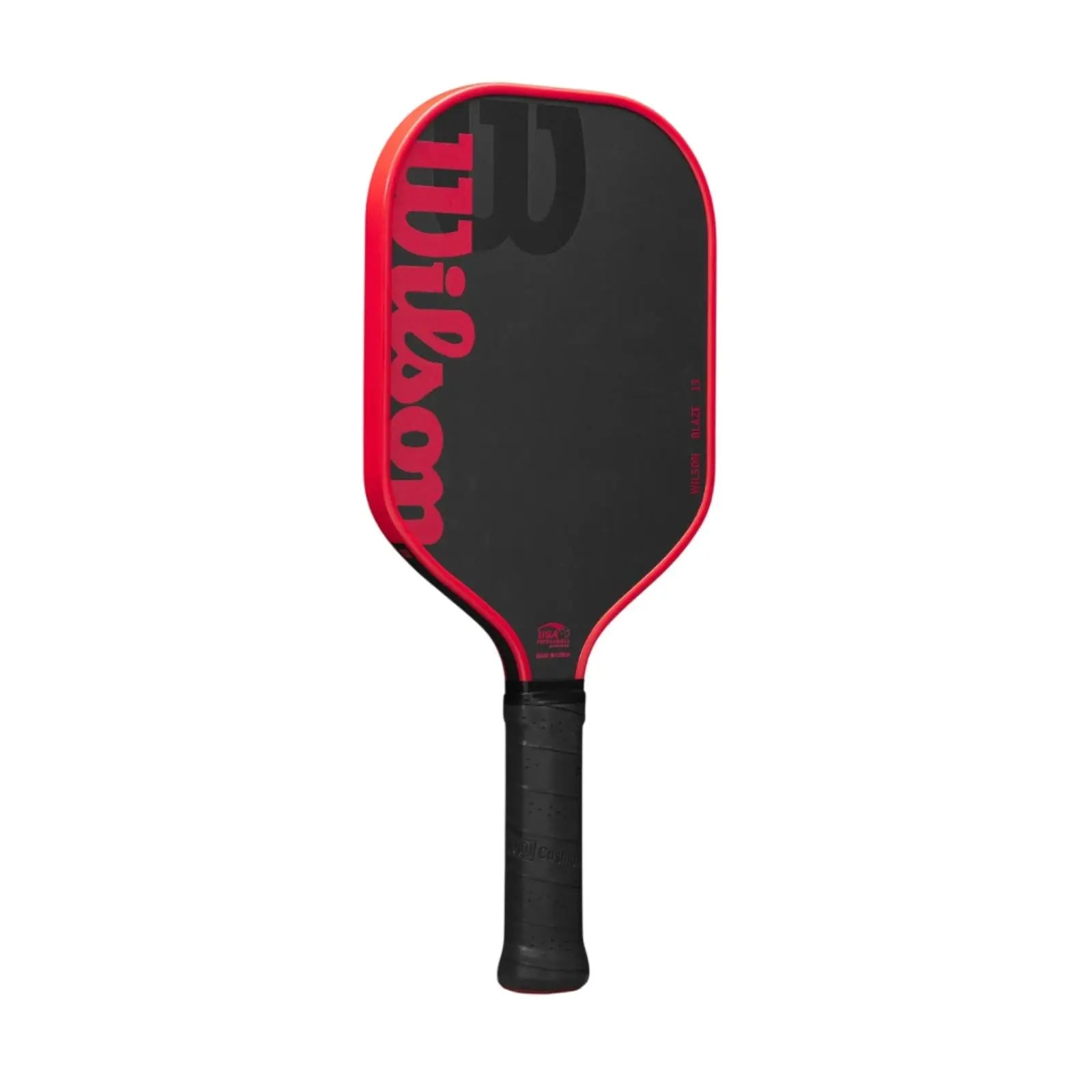
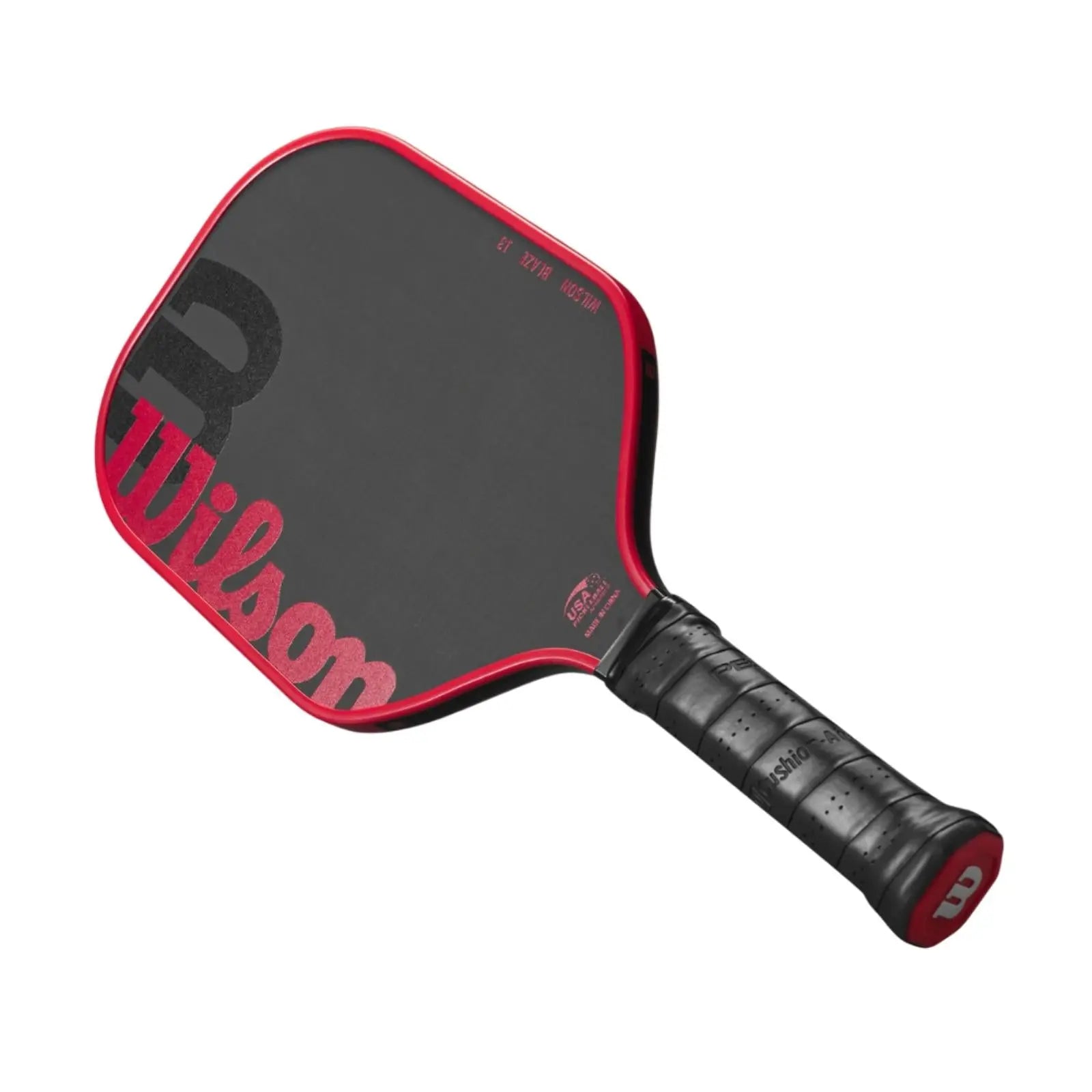
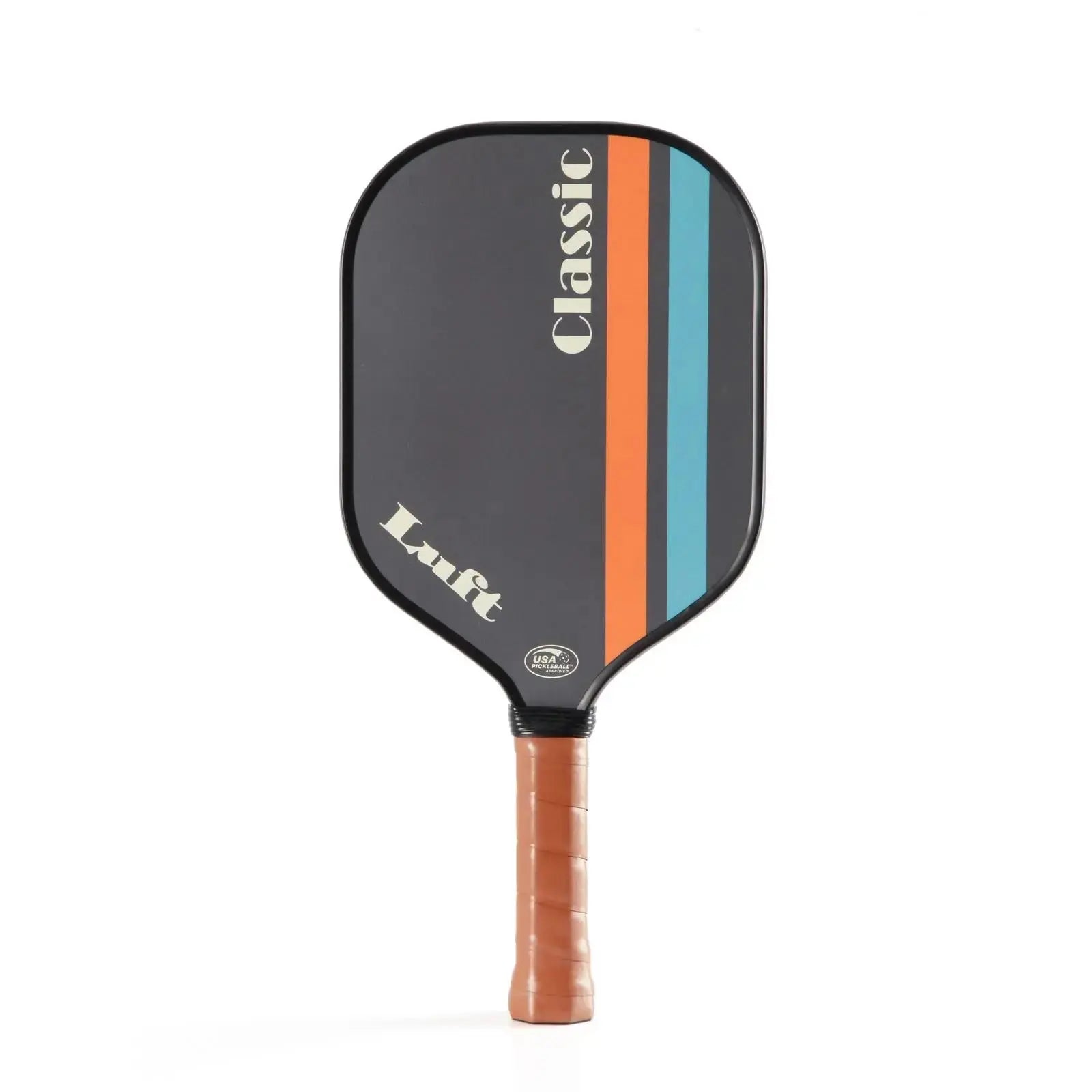
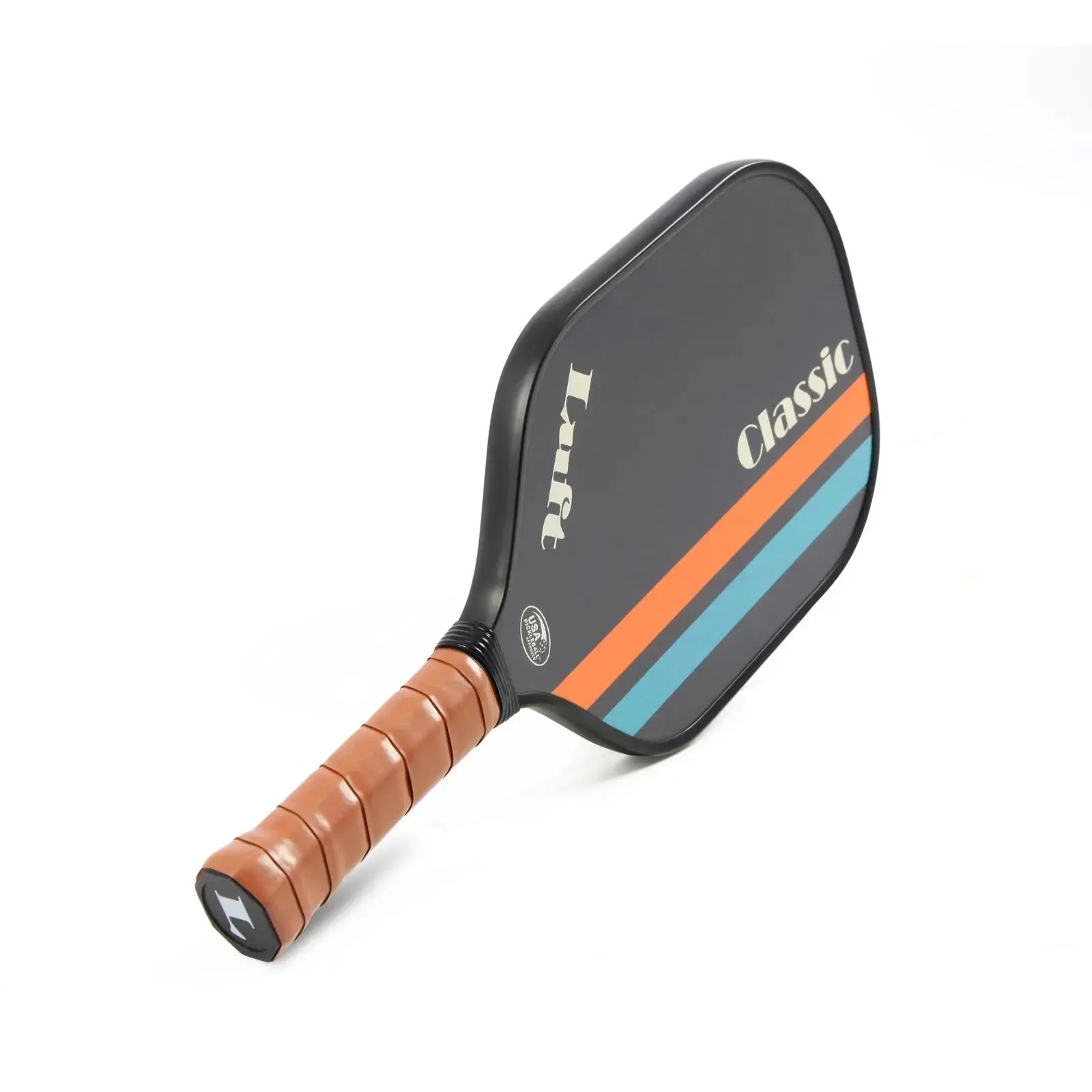
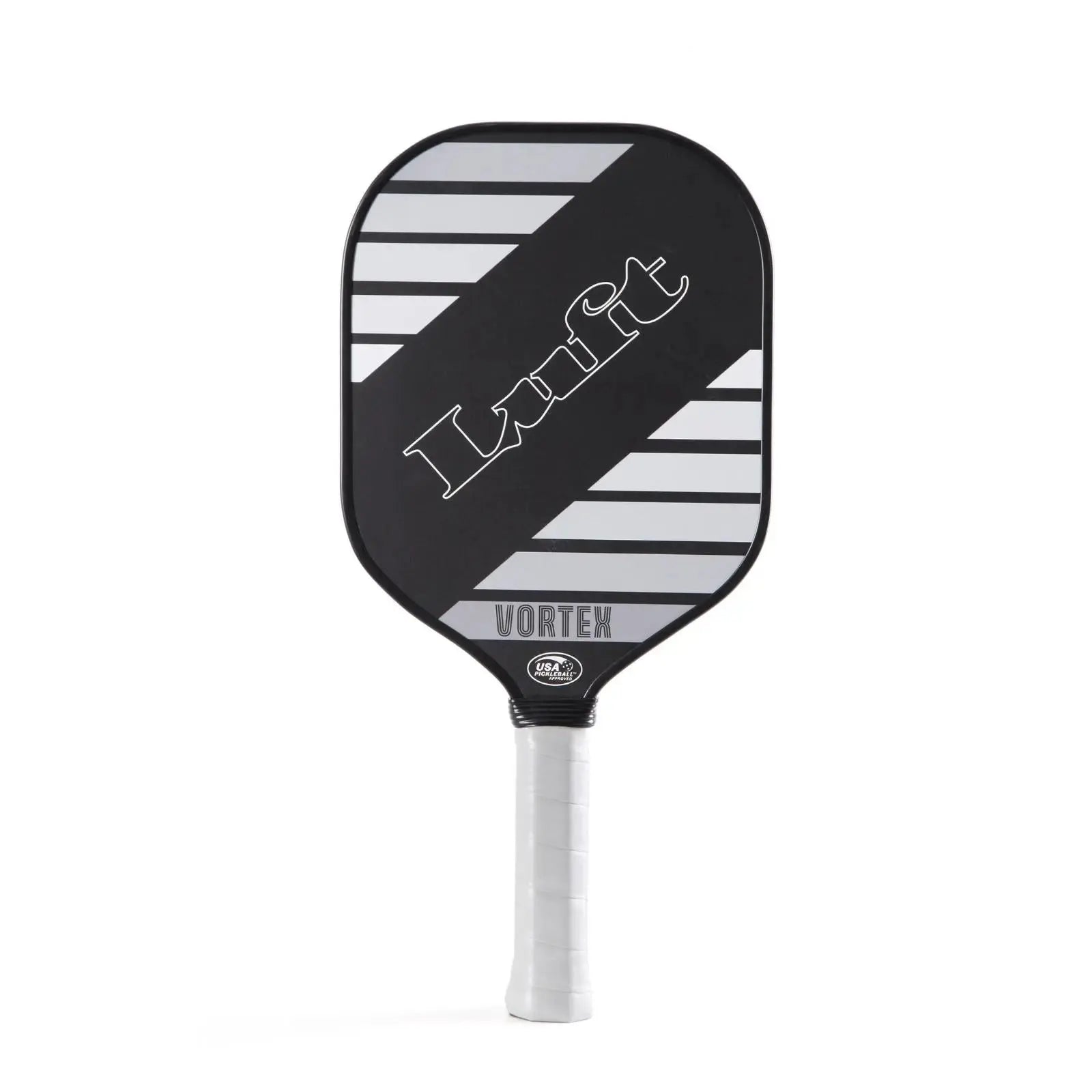
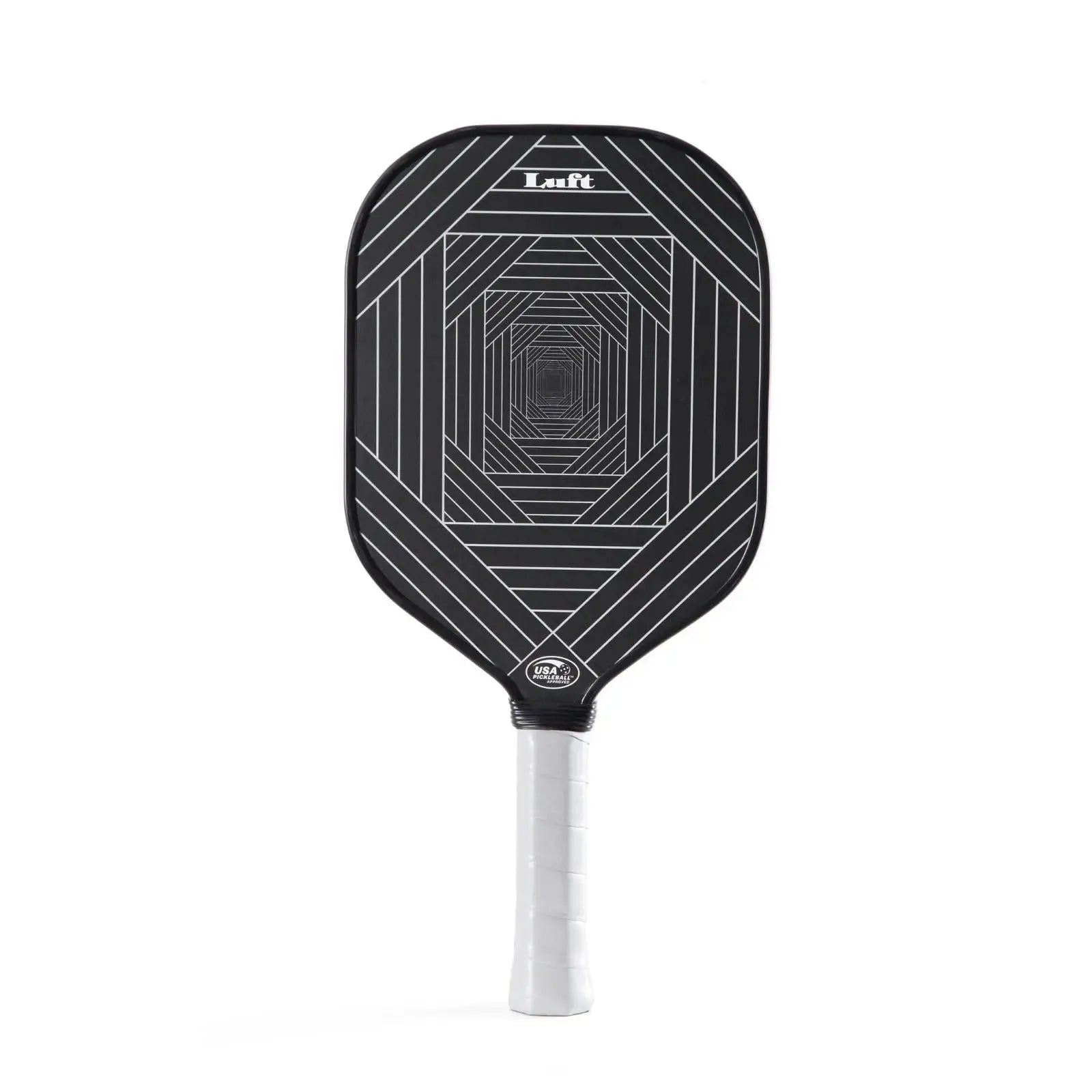
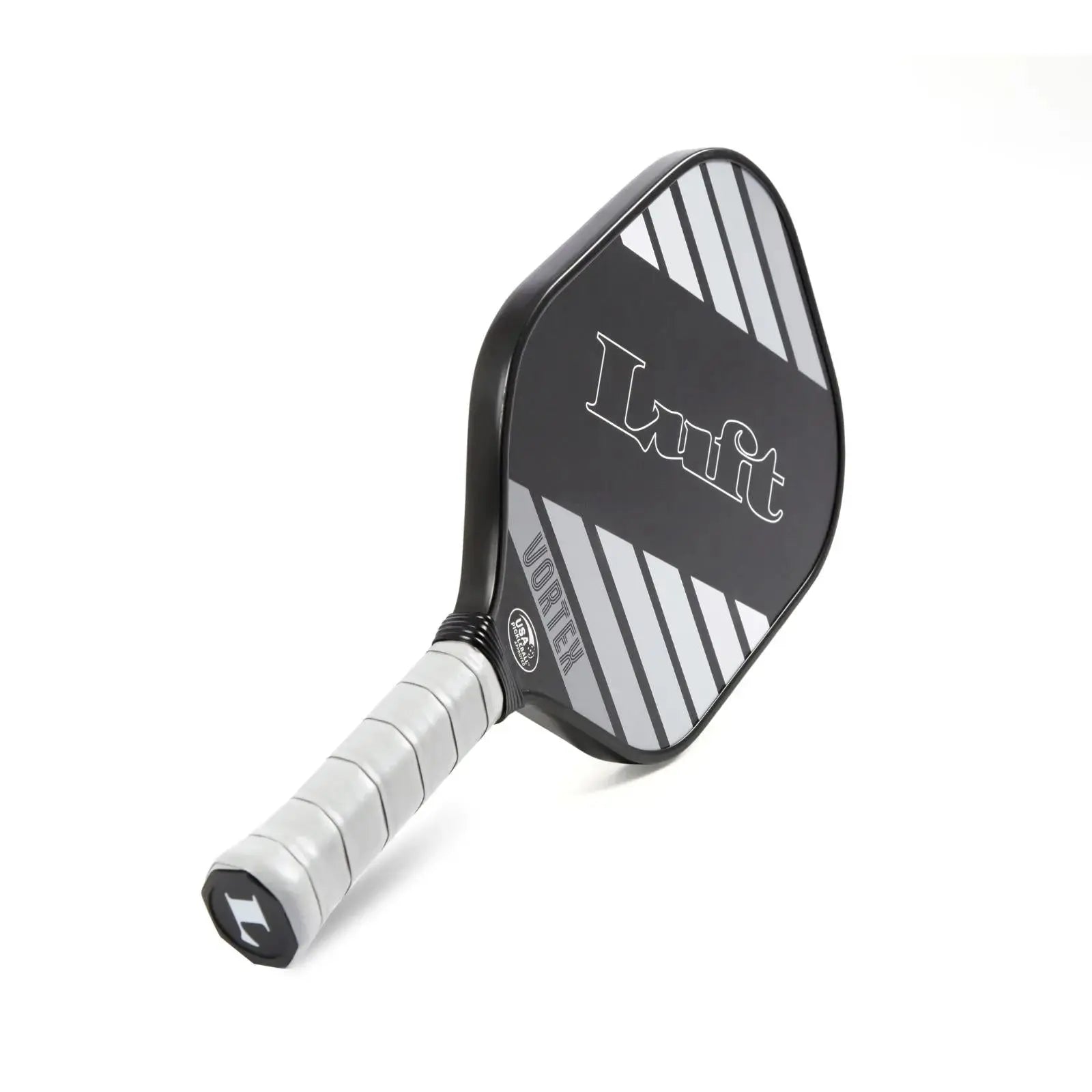
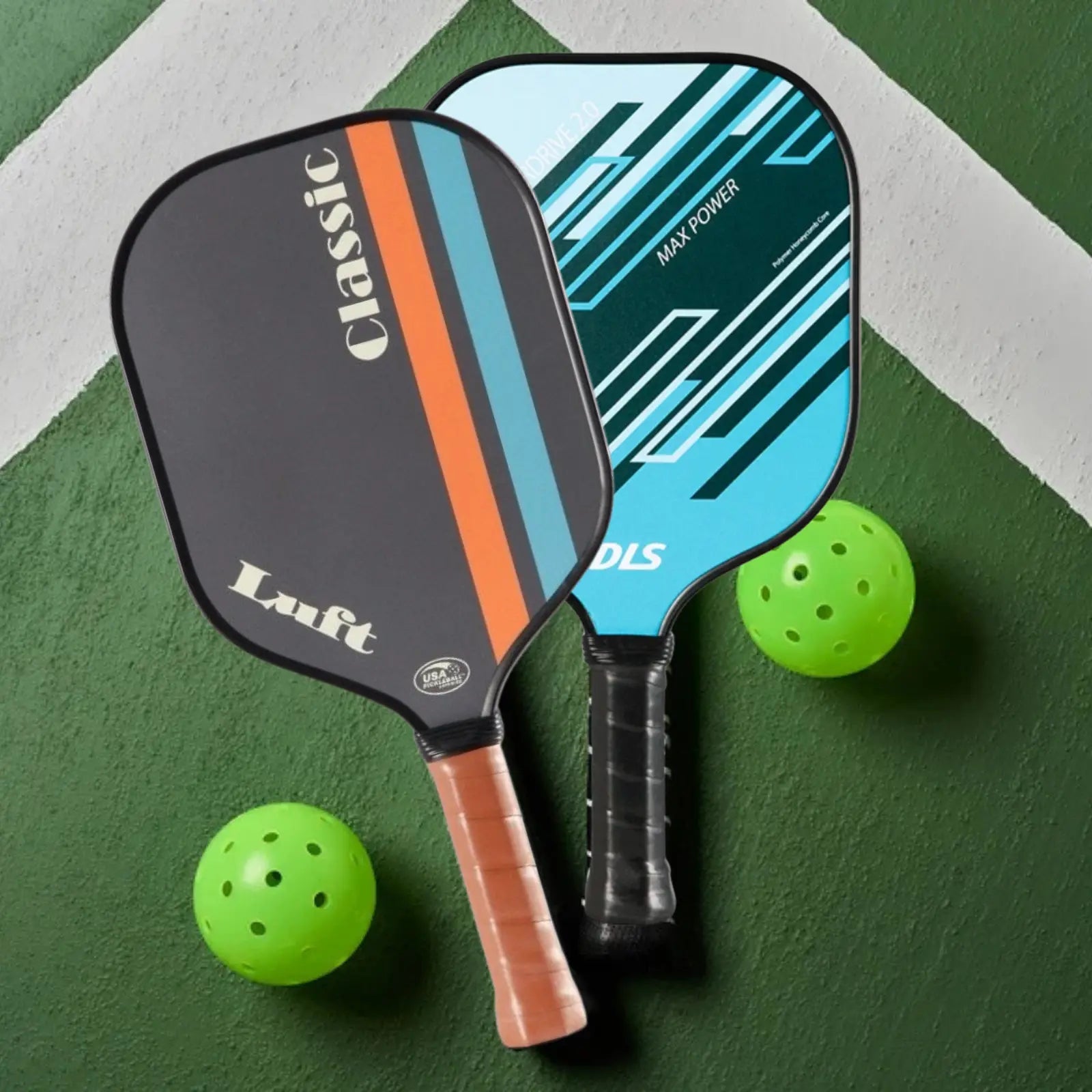
Fiberglass pickleball paddles — power-oriented paddle faces with forgiving sweet spots, perfect for intermediate players who want easy depth and pop. Sturdy Racquets stocks fiberglass pickleball paddles from leading brands at accessible price points.
Why fiberglass paddles?
Fiberglass face technology delivers more power than carbon fibre — the slightly softer face flexes more on impact, returning that energy to the ball as added pop. The sweet spot is also more forgiving, making fiberglass paddles a popular choice for intermediate players developing their game and beginners ready to upgrade from composite. The trade-off versus carbon: less spin generation and slightly shorter face lifespan.
Choosing a fiberglass paddle
Fiberglass paddles suit power-focused intermediate players, doubles specialists who want easy pop on volleys, and beginners who've outgrown composite paddles but aren't ready for carbon. Look for a 16mm core for control or 13–14mm for added power. Most fiberglass paddles weigh 200–230g.
Where fiberglass fits in our paddle range
For premium spin and control, see carbon fibre paddles. For affordable entry options, see composite paddles. Browse the full pickleball paddles range to compare materials. Brand-specific options available in our Wilson, Babolat, and LUFT ranges.
Frequently Asked Questions
What's the difference between fiberglass and carbon fibre pickleball paddles?
Fiberglass faces are softer and more powerful — they flex on impact for added pop. Carbon fibre faces are firmer with grittier texture — they generate more spin and offer more control. Fiberglass suits power players; carbon suits spin and precision players.
Are fiberglass paddles good for beginners?
Yes — fiberglass is a popular step-up from composite for developing players. The softer face is forgiving on off-centre hits and the added power helps players who haven't yet developed full swing speed. Many doubles-focused intermediate players stay with fiberglass long-term.
How long do fiberglass pickleball paddles last?
Fiberglass faces are slightly less durable than carbon — typically 6–18 months of regular play before noticeable performance decline. The softer face material wears faster than carbon's. Replace when the face feels noticeably less responsive or shows visible wear.
What weight should a fiberglass paddle be?
Most fiberglass paddles sit in the 200–230g range. Lighter paddles (200–210g) suit fast-handed players; heavier paddles (220–230g) deliver more power and stability. The weight choice is more about player preference than fiberglass-specific.
Are fiberglass paddles USAPA approved?
Most major fiberglass paddles meet USAPA equipment standards for tournament play. Always verify the specific model's certification on the product page or contact us if planning to use it in sanctioned competition.