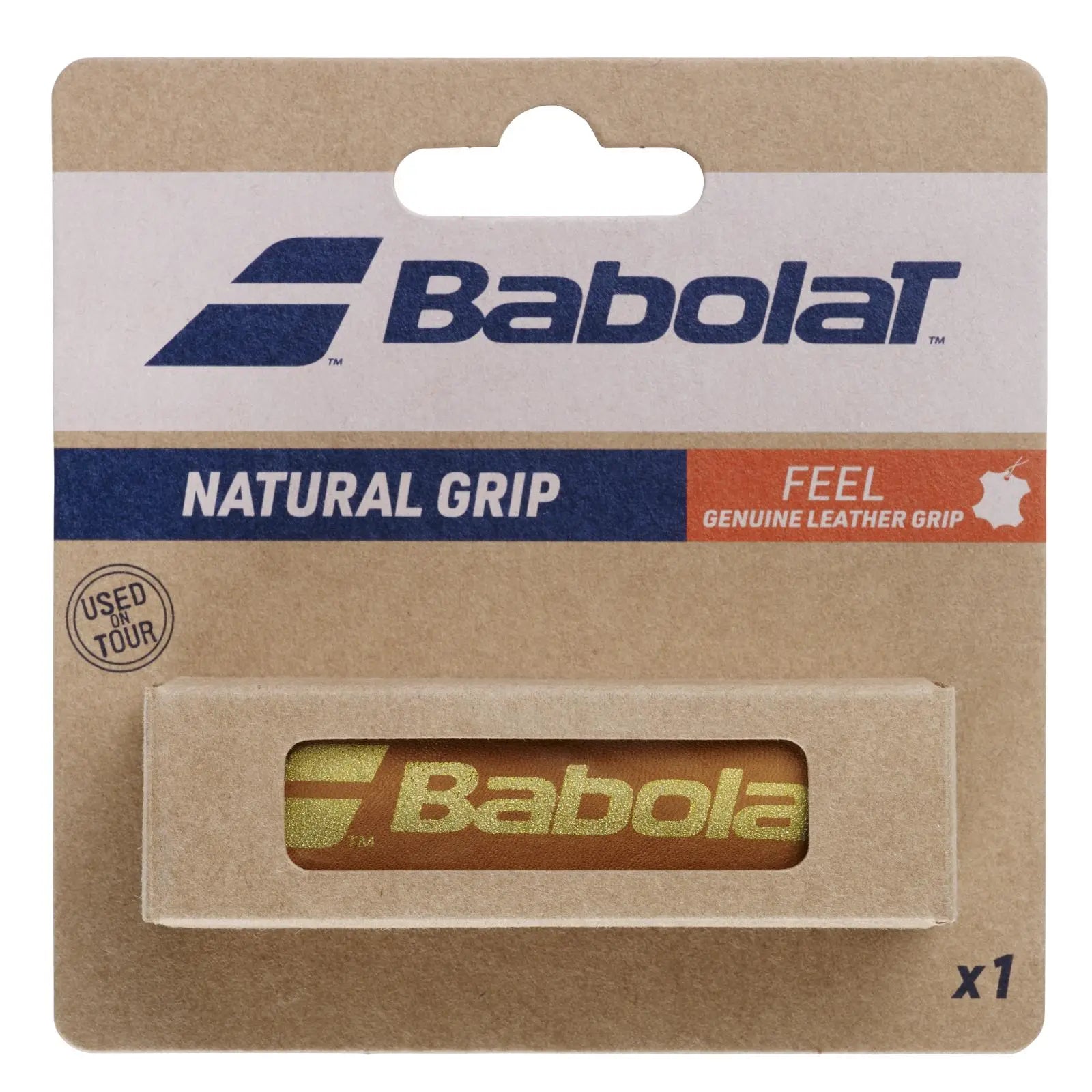
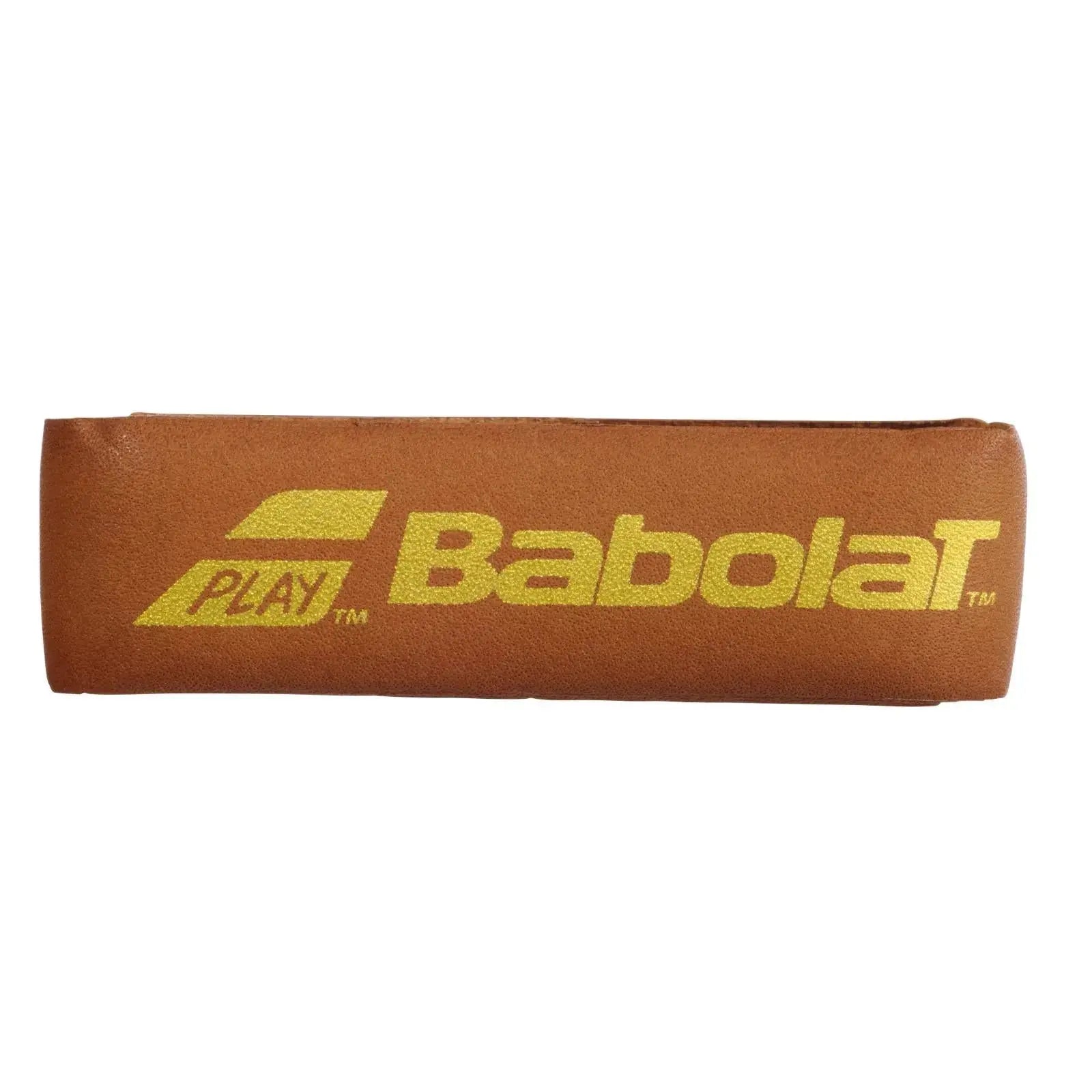
Leather replacement grips for tennis racquets
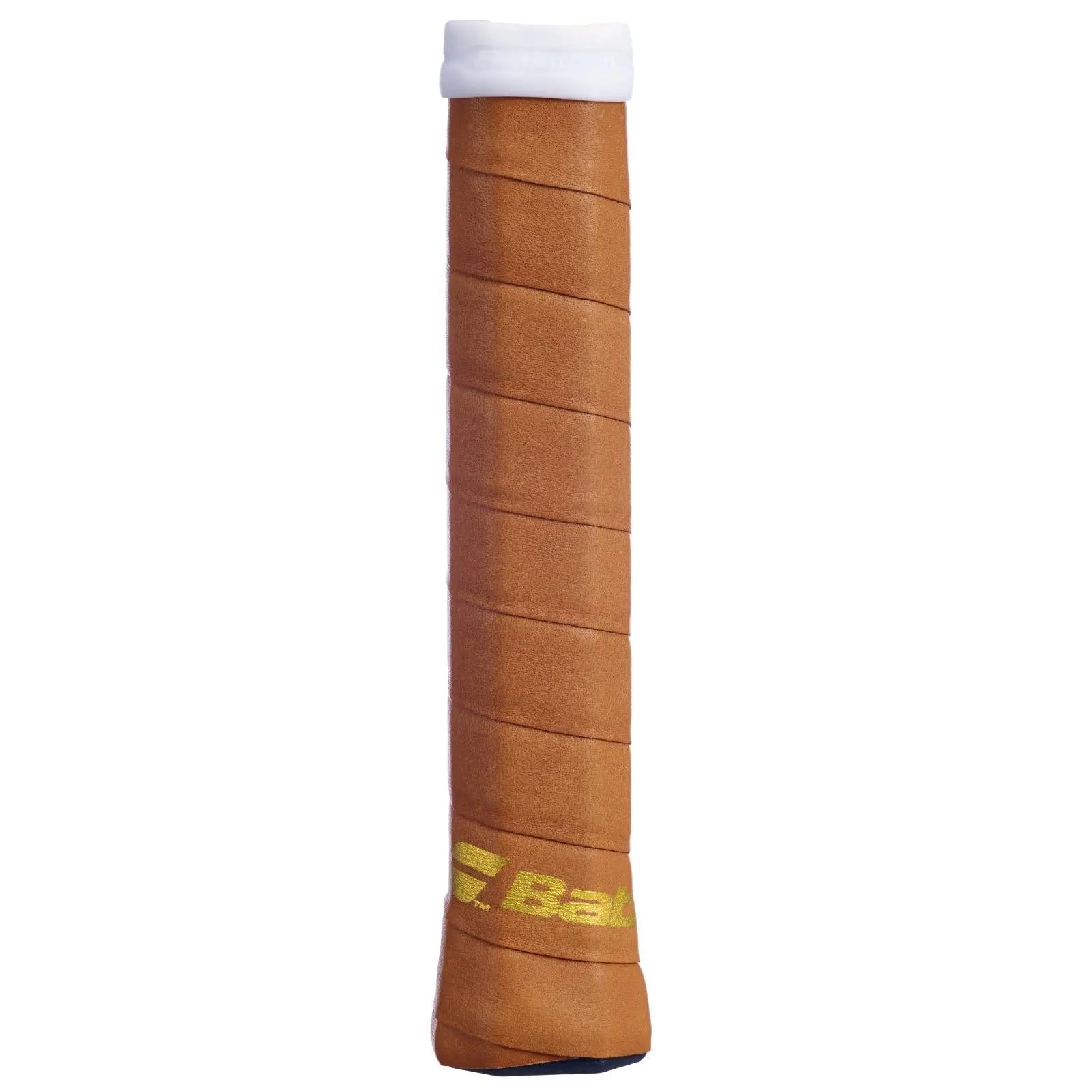
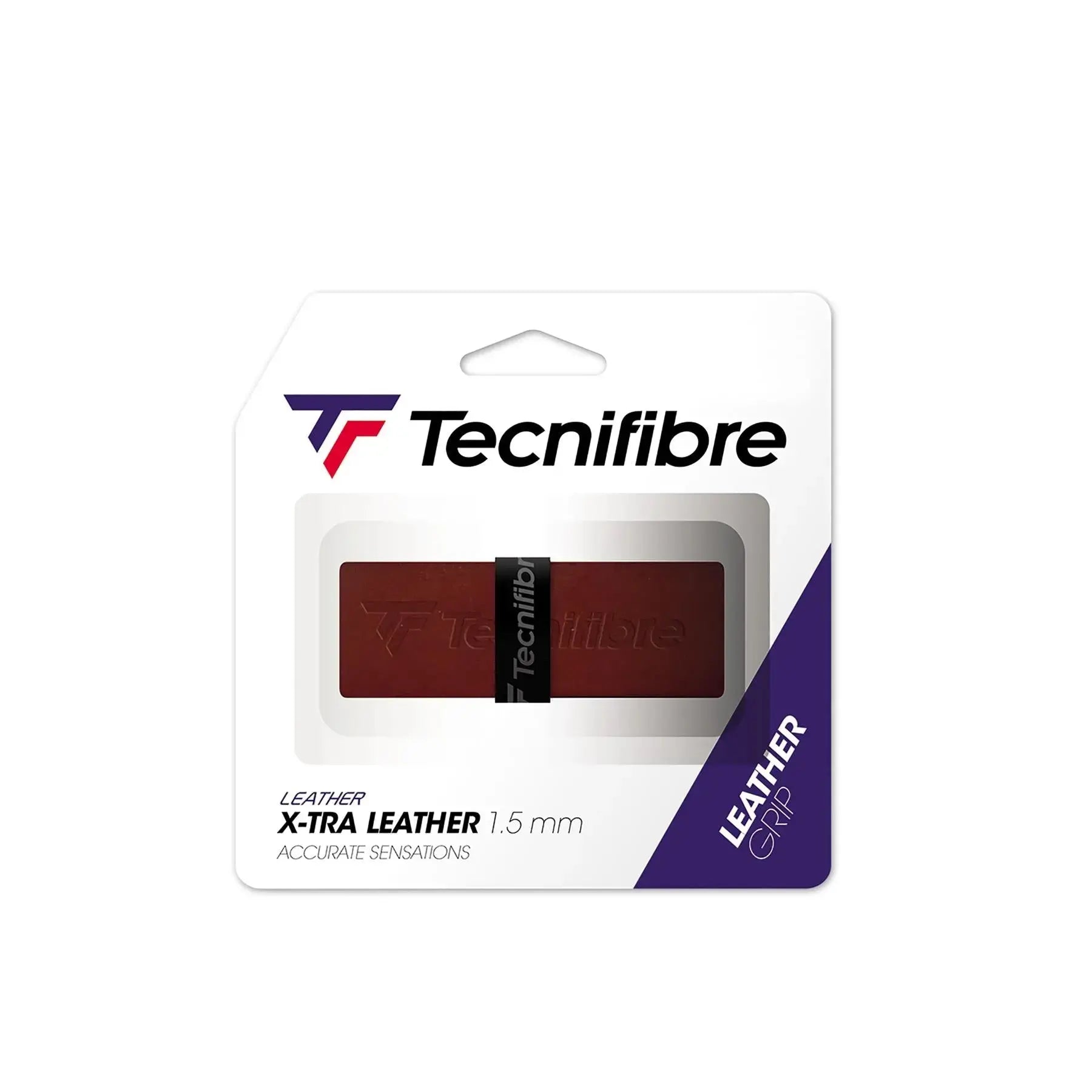
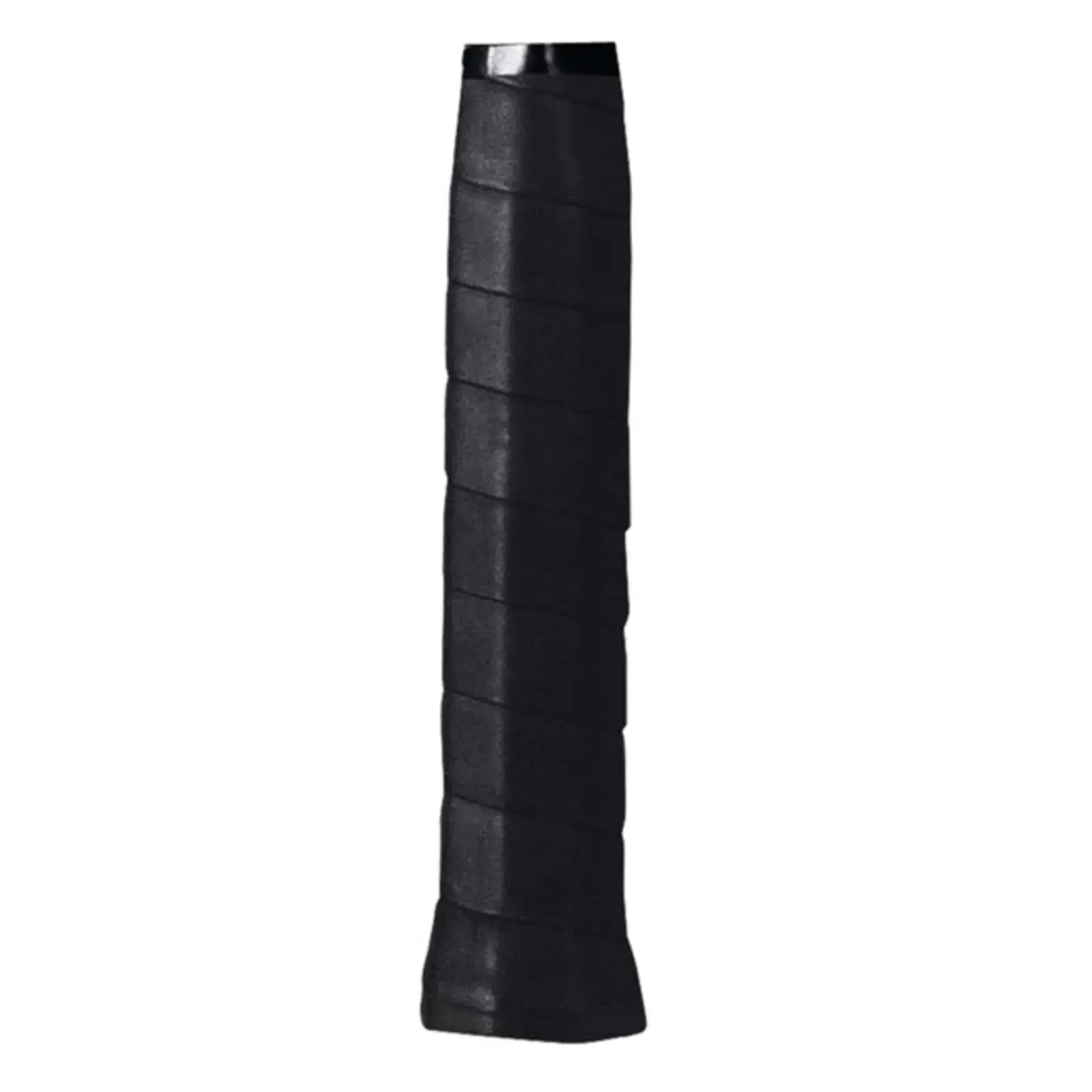
A leather replacement grip changes the feel of a racquet more than almost any other modification. Where synthetic grips give you cushion and forgiveness, leather gives you a firm, direct feedback channel between your hand and the frame. Players who customise their racquets — Federer was famous for using a leather grip, Djokovic uses one underneath his overgrip — swear by the connected feel. Leather is also slightly heavier than synthetic, adding a small amount of swing weight in the handle (head-light bias).
How to choose
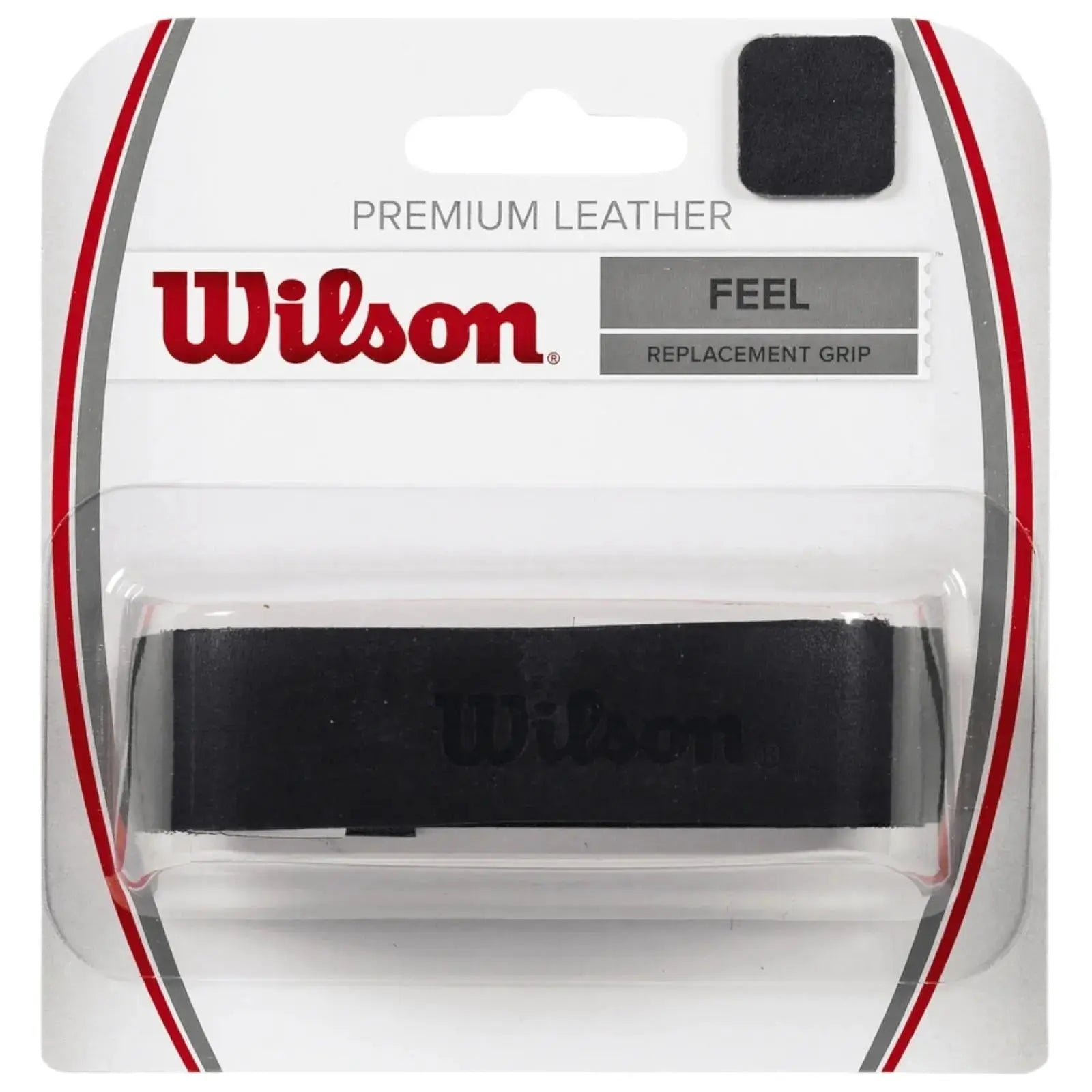
Wilson Premium Leather is the long-running standard. Pair with one of our Wilson racquets like the Pro Staff for an authentic Federer-style set-up. For comfort-first players, see Babolat racquets with their factory synthetic grips.
Frequently asked questions
Why use a leather replacement grip?
Direct feel and slight head-light bias. Players who customise their racquets often install a leather grip under an overgrip for the best of both worlds.
How does leather feel different from synthetic?
Firmer, more direct, less cushioned. You feel more of the racquet's response through the handle.
Is leather harder to install?
Slightly. Leather is stiffer than synthetic and requires more careful overlap. Most racquet shops offer fitting for $5-10.
Will leather make my racquet heavier?
Slightly — typically 5-10g added to the handle, which makes the racquet feel more head-light and stable.
How long does a leather grip last?
Years, if you keep an overgrip on top. Without an overgrip, it can wear in 6-12 months from sweat and friction.