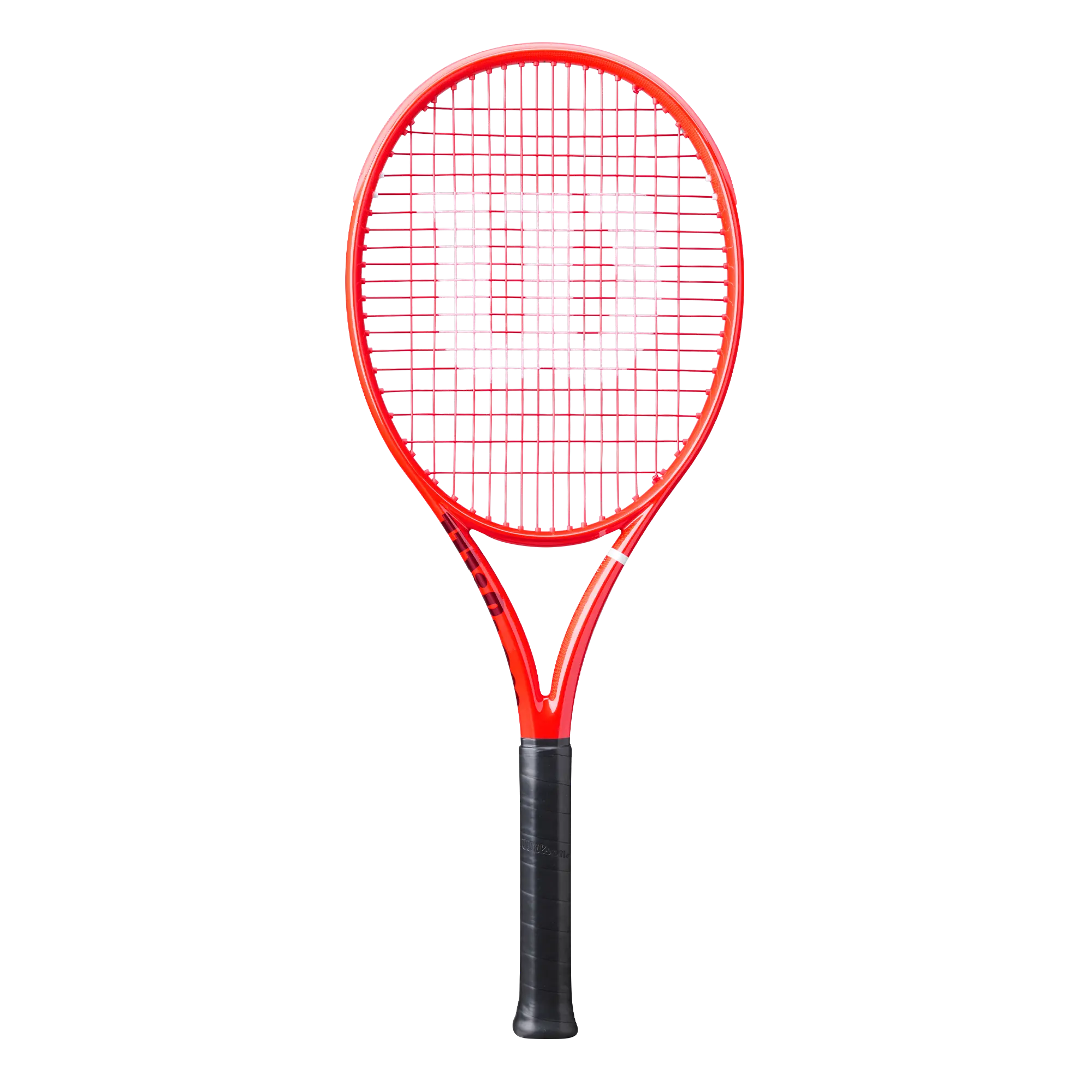
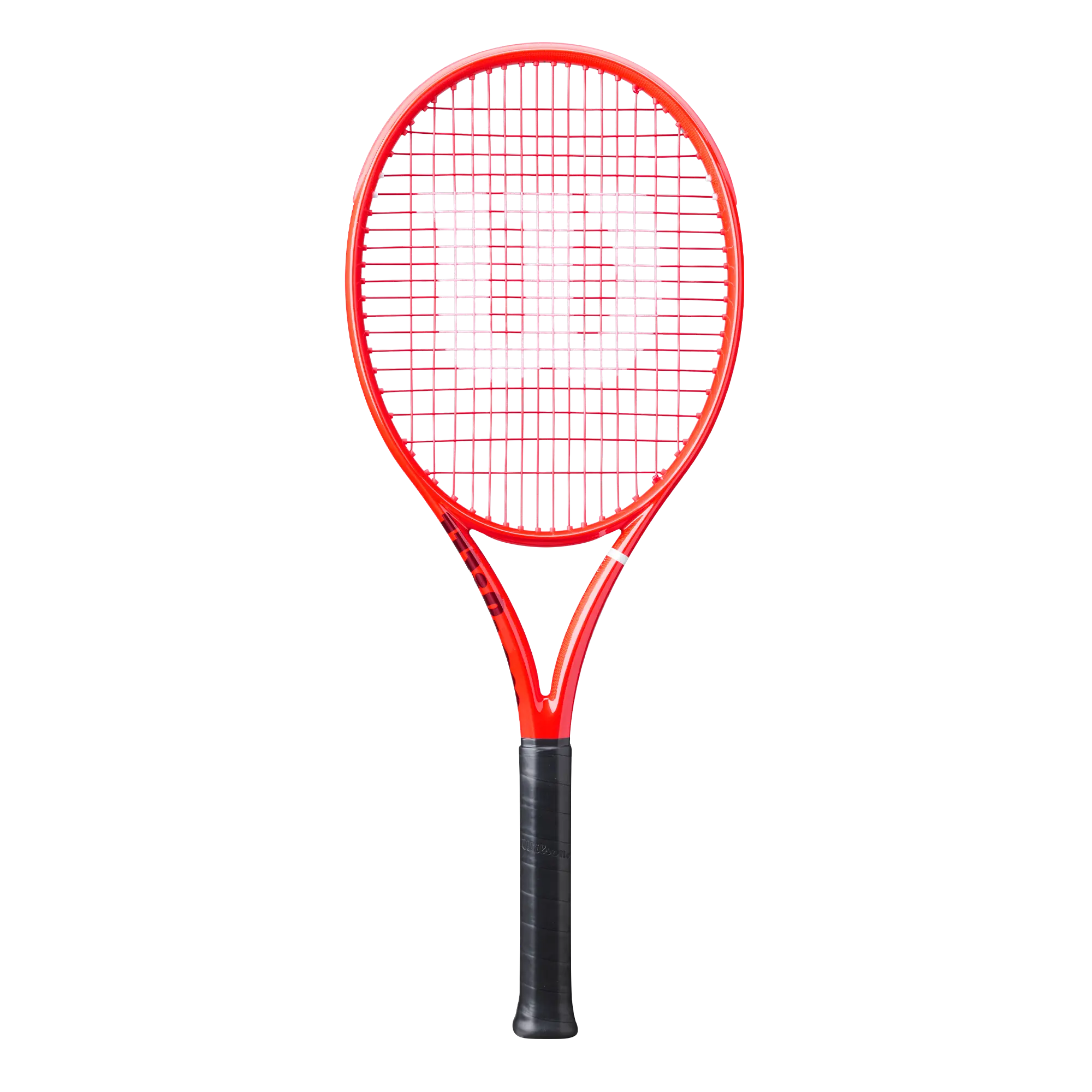
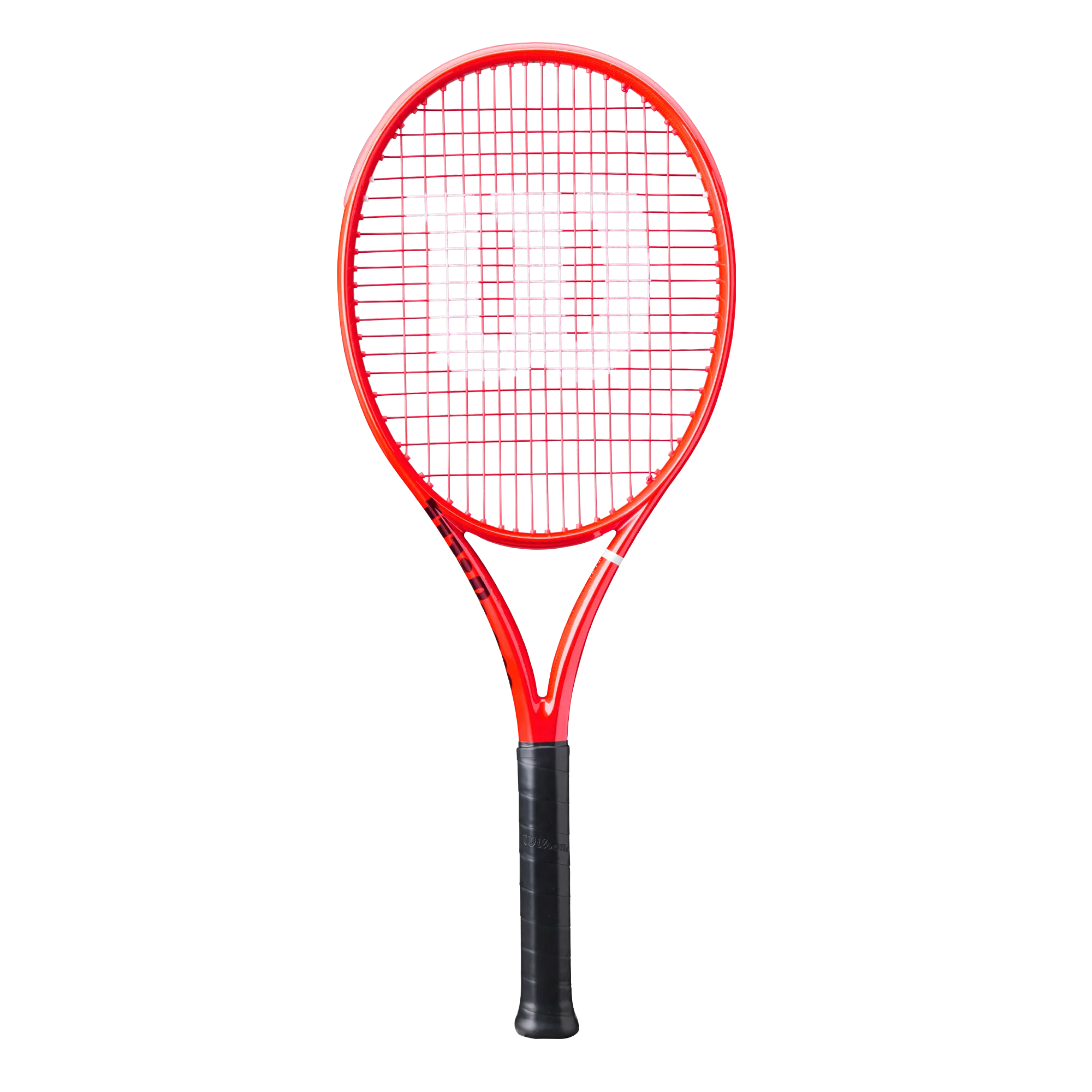
The Defyer Series. Built to Dictate.
Bold, unmistakable, and made to take control — the Wilson Defyer series is built for aspiring high-level players who don't wait for the game to come to them. From the rackets to the bags, every piece shares the same standout design DNA and the same purpose: help you hit heavy, play with confidence, and stand out on the way to the court and back.
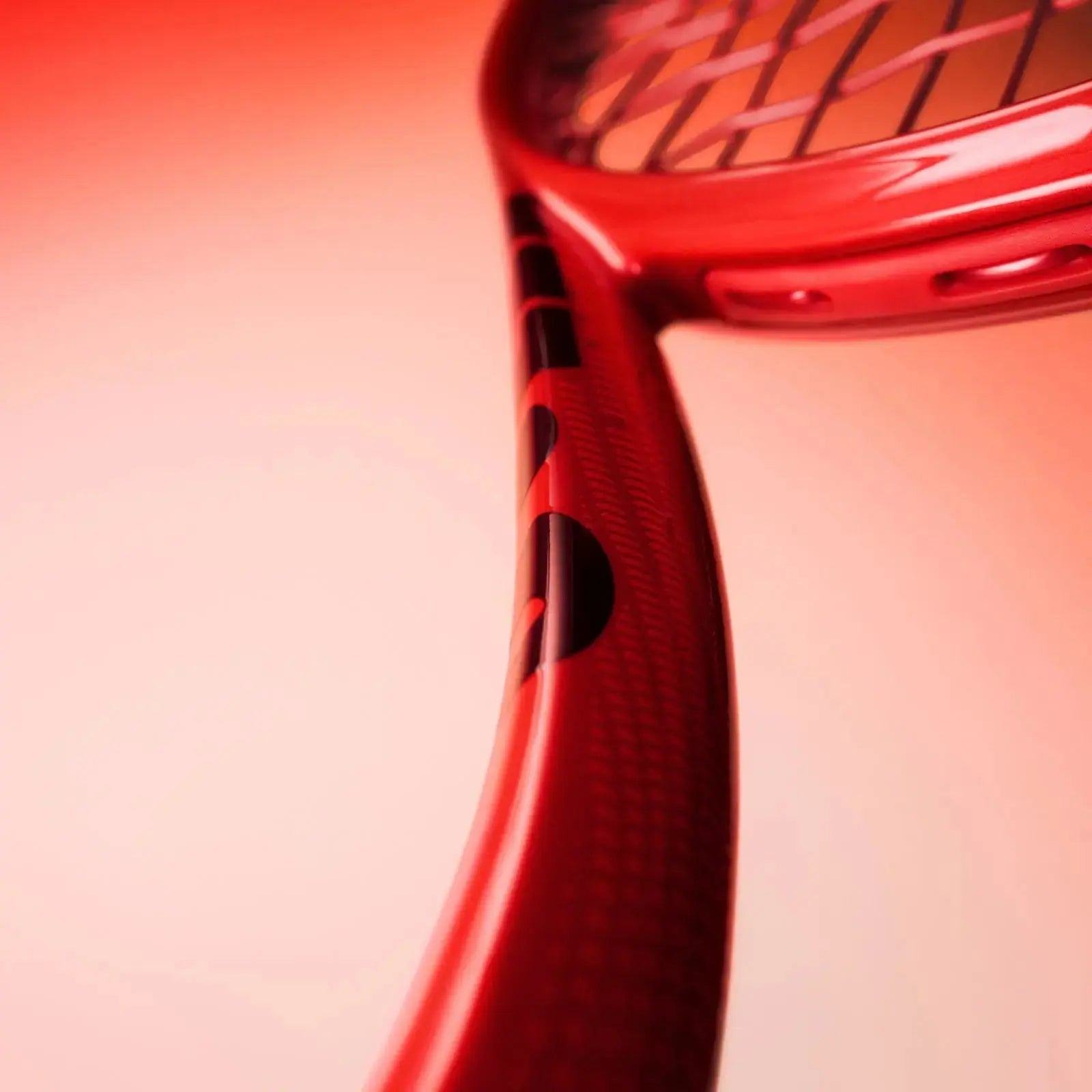
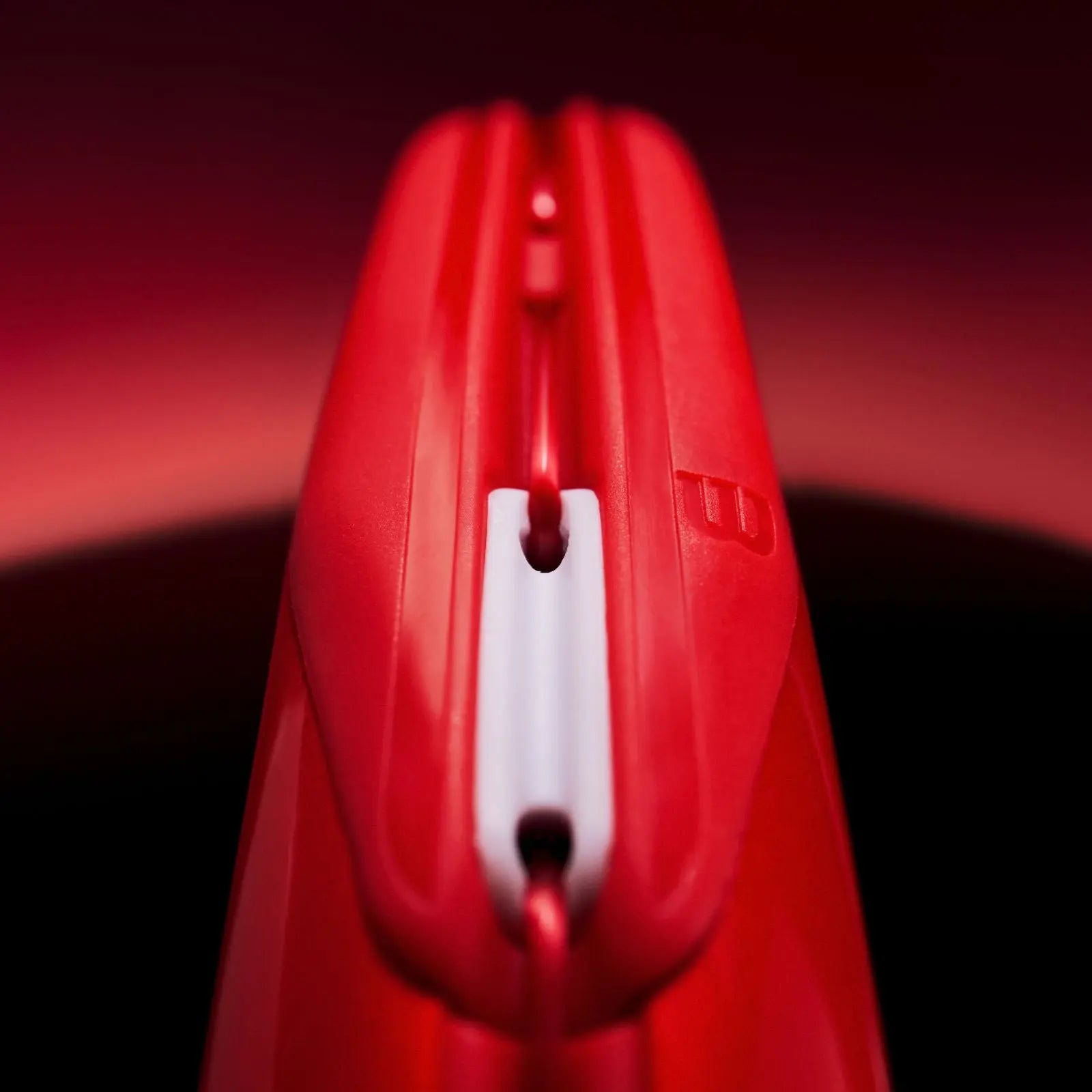
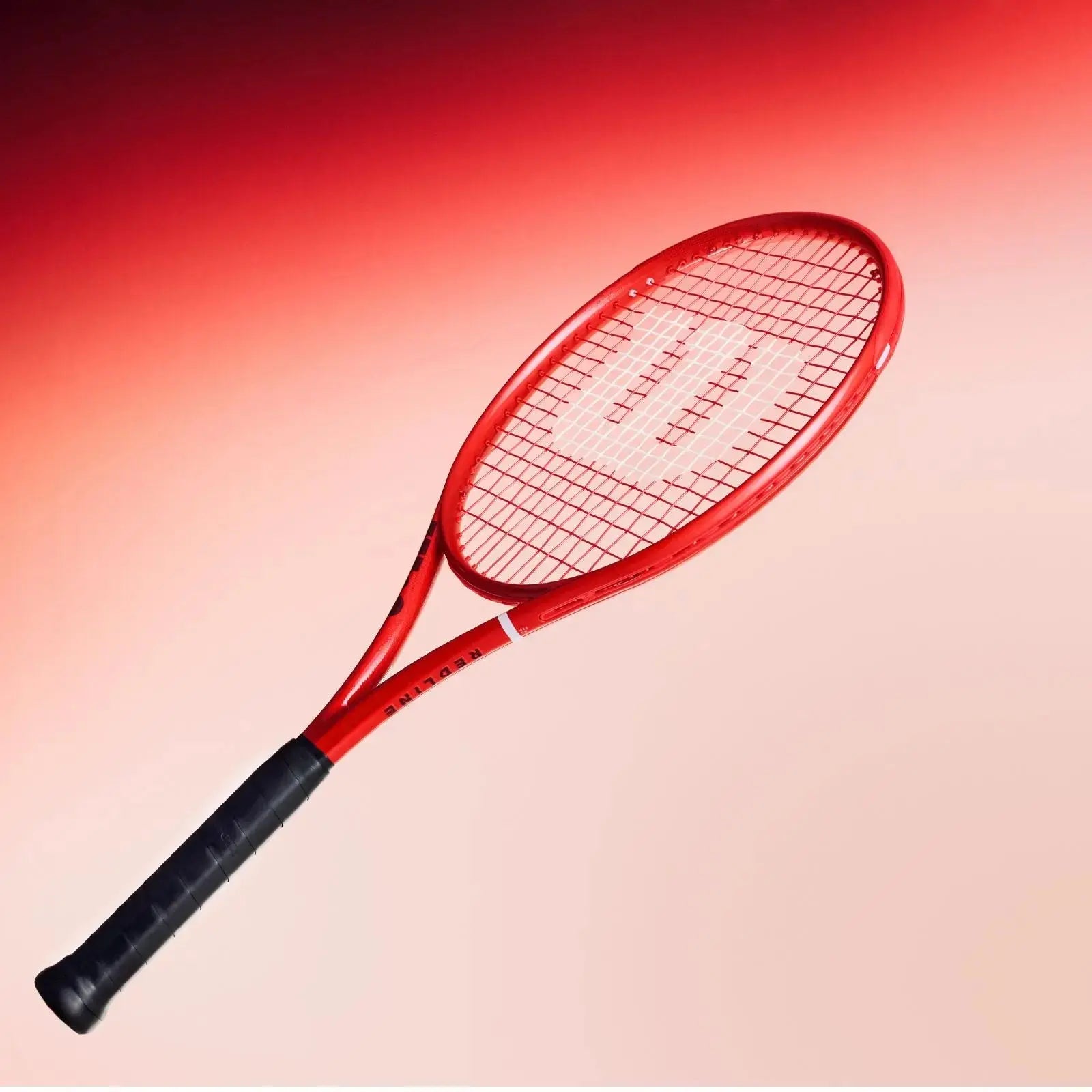
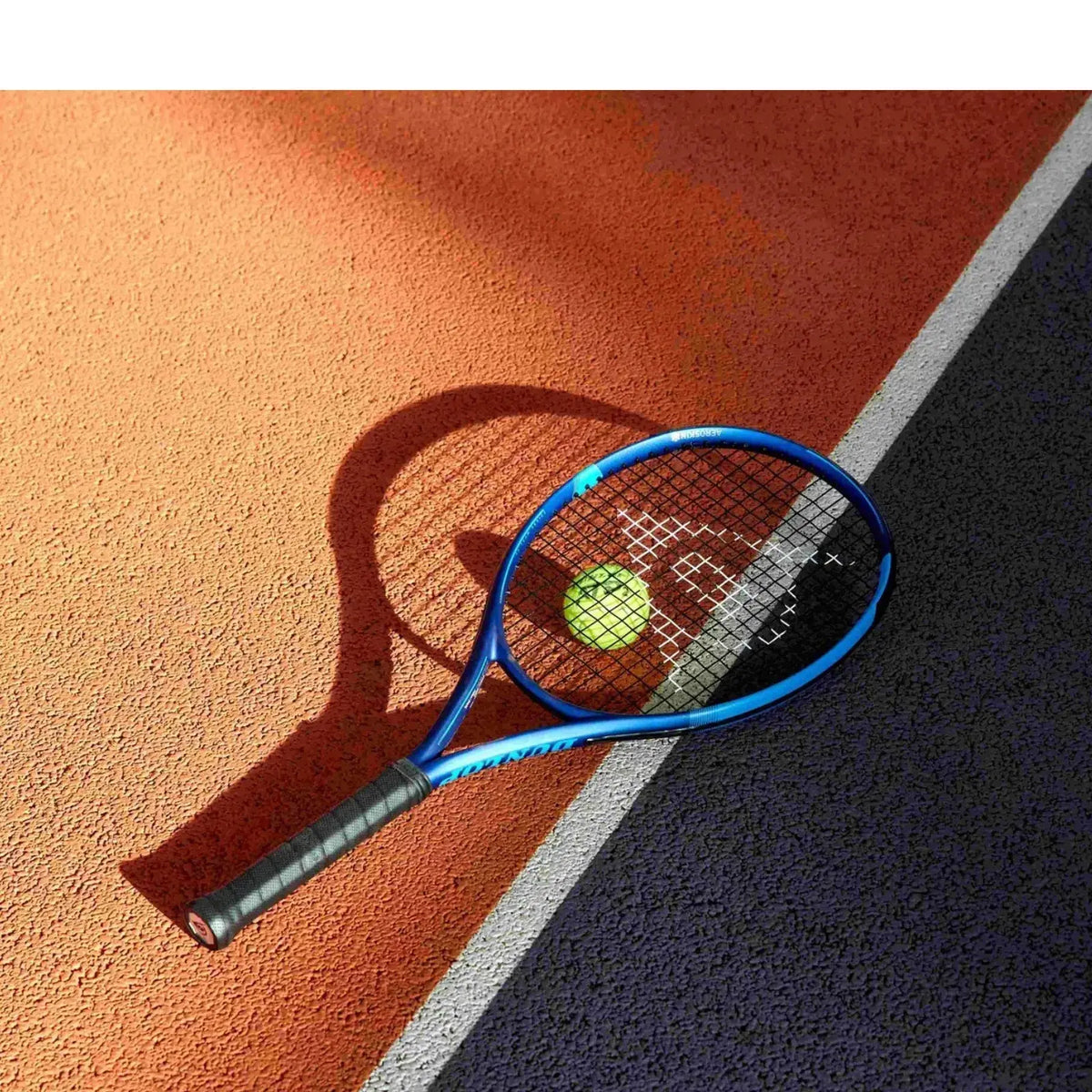
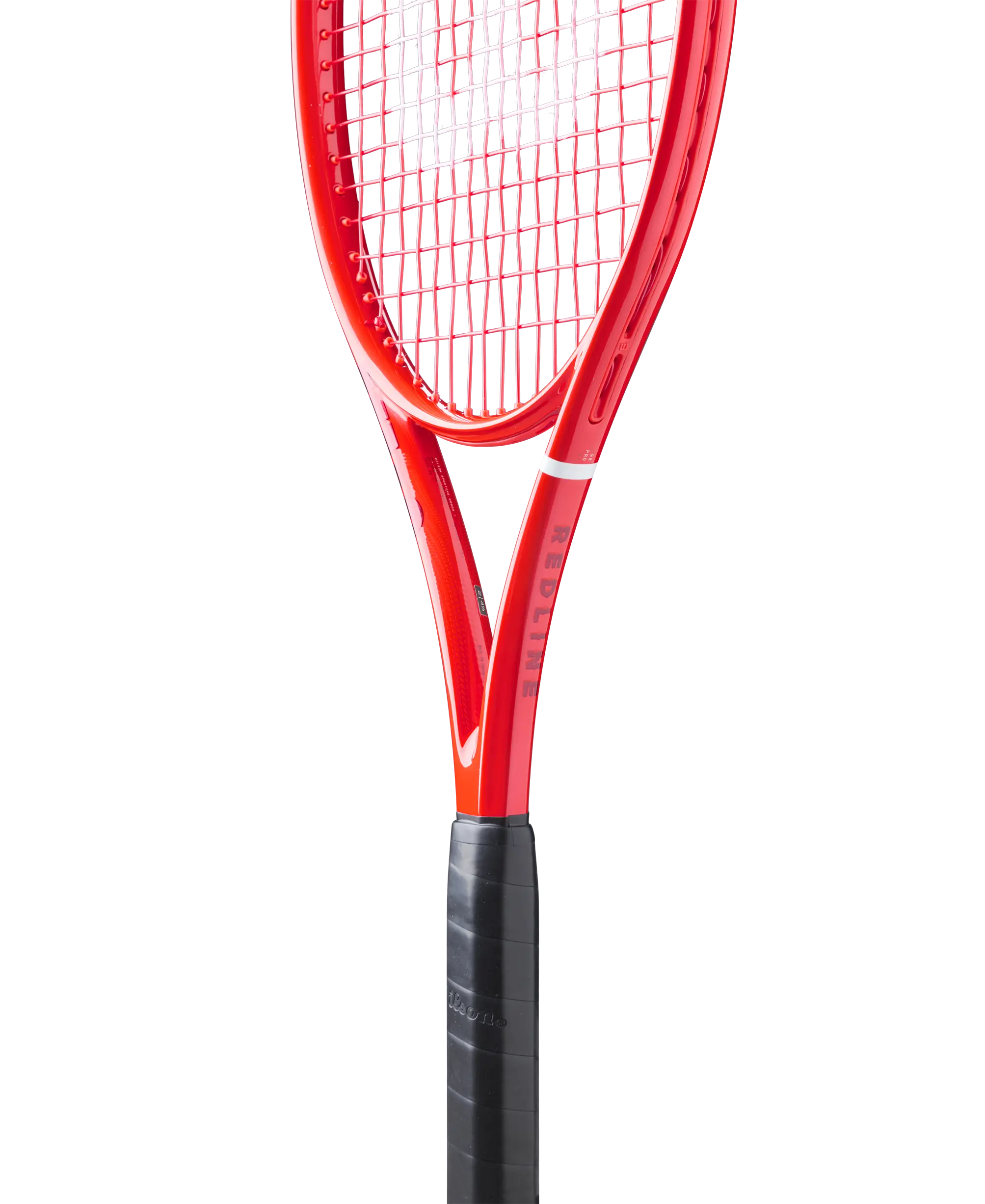
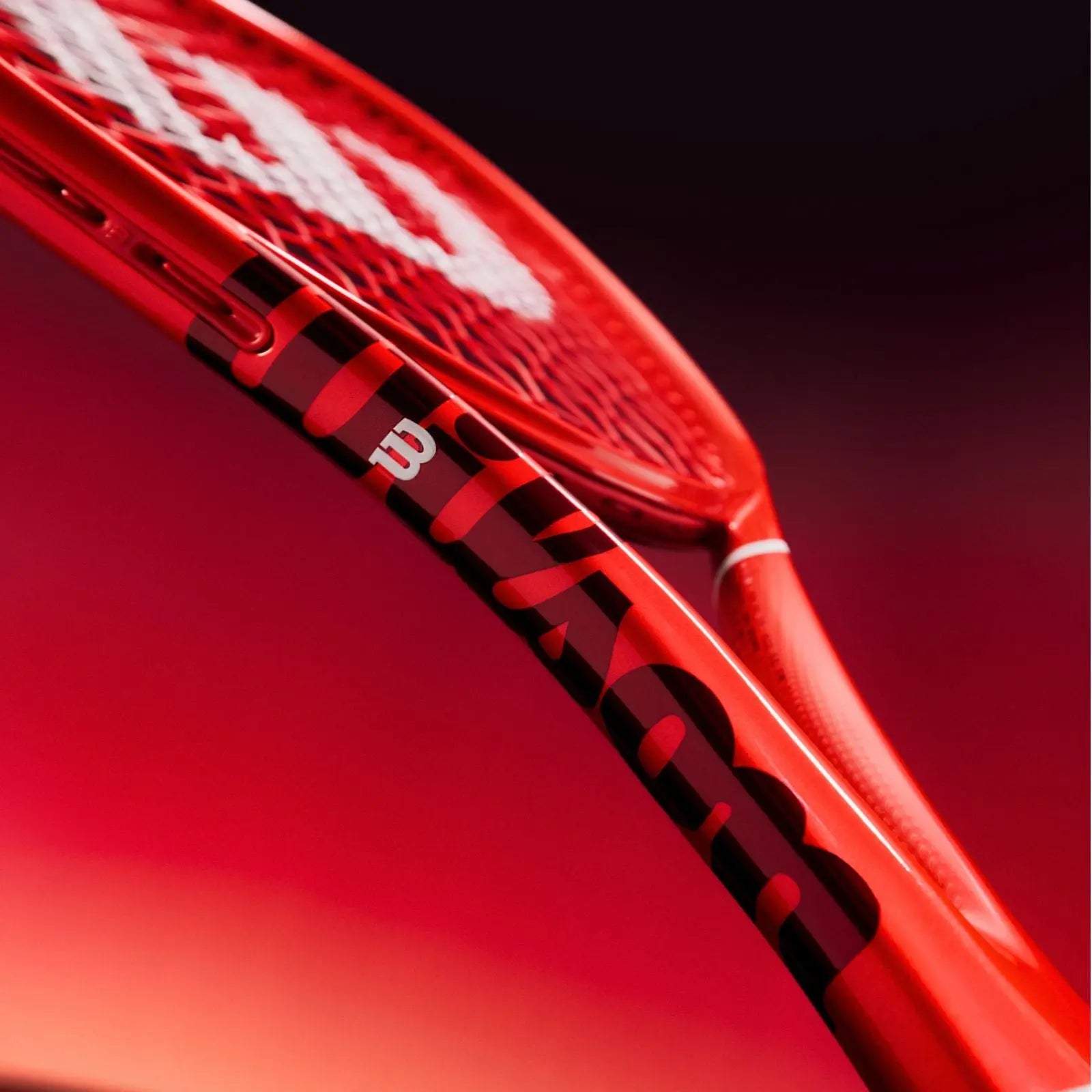
At the heart of the range, the Defyer rackets are engineered around TORQ Shaft Tech — a sculpted shaft that delivers leverage, stability, and maneuverability so you can rip heavy, penetrating spin that pushes opponents out of position. A Dual Taper Beam and Parallel Drilling expand the sweet spot for a confident response under pressure, whether you choose the tighter control of the 98 Pro or the easy power and spin of the 100.
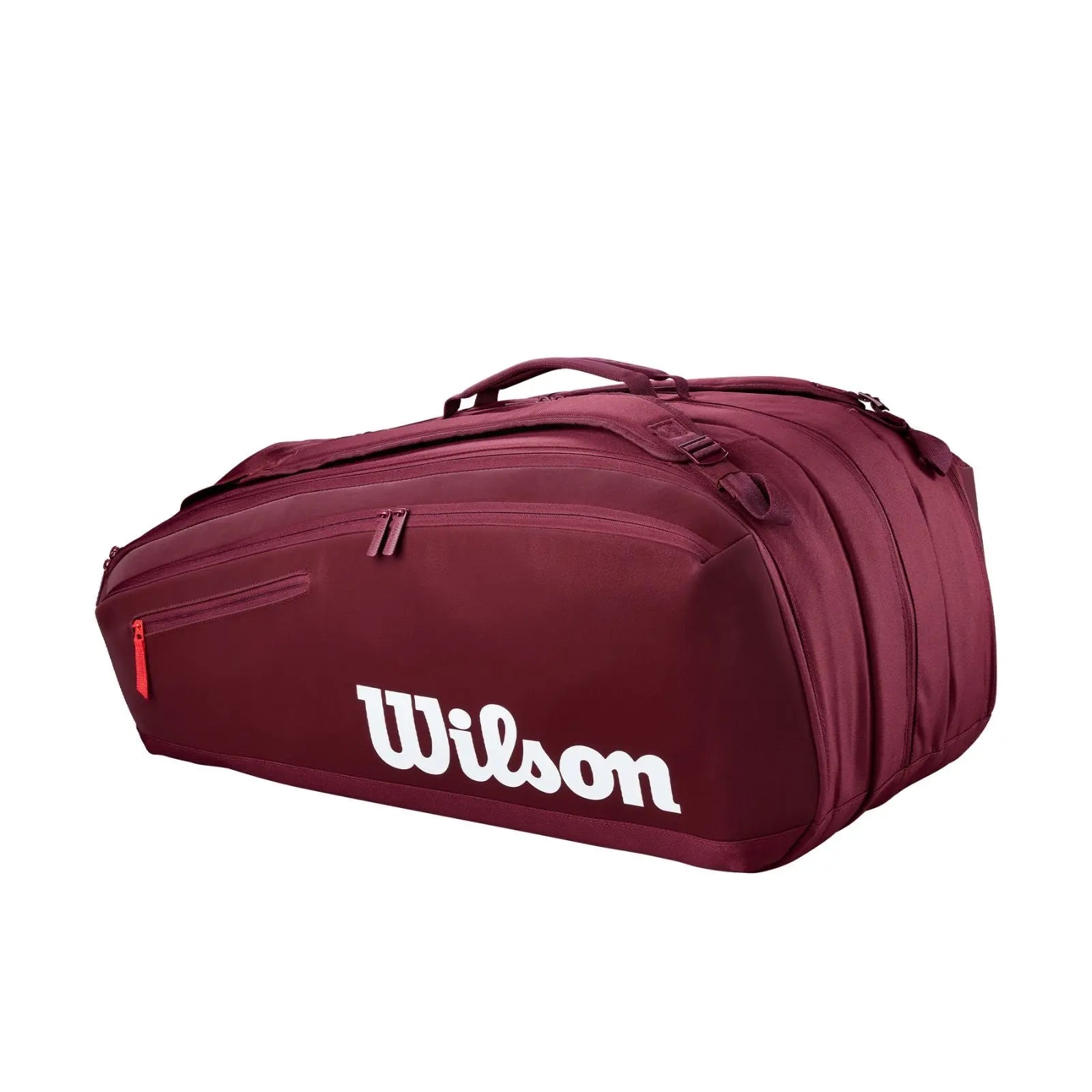
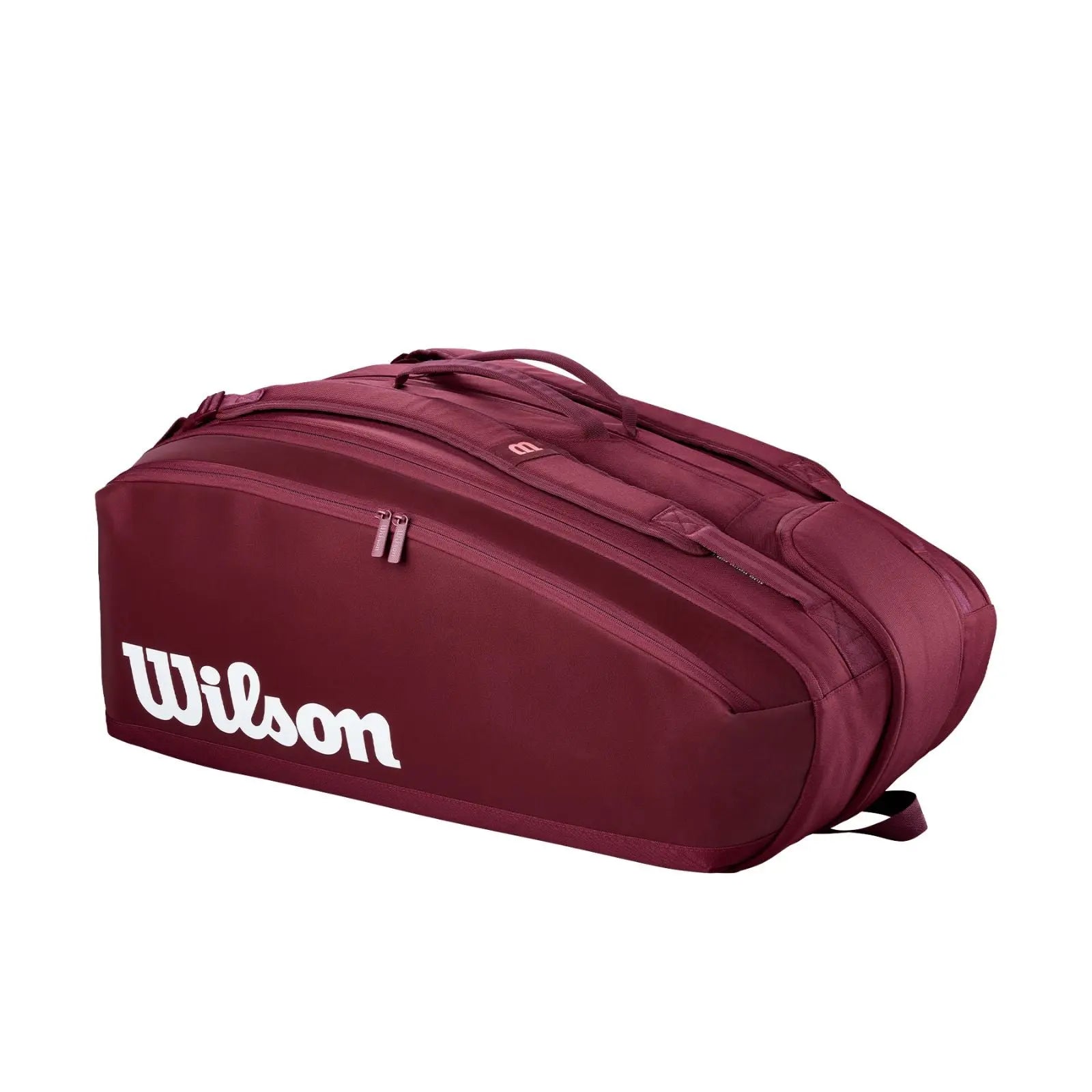
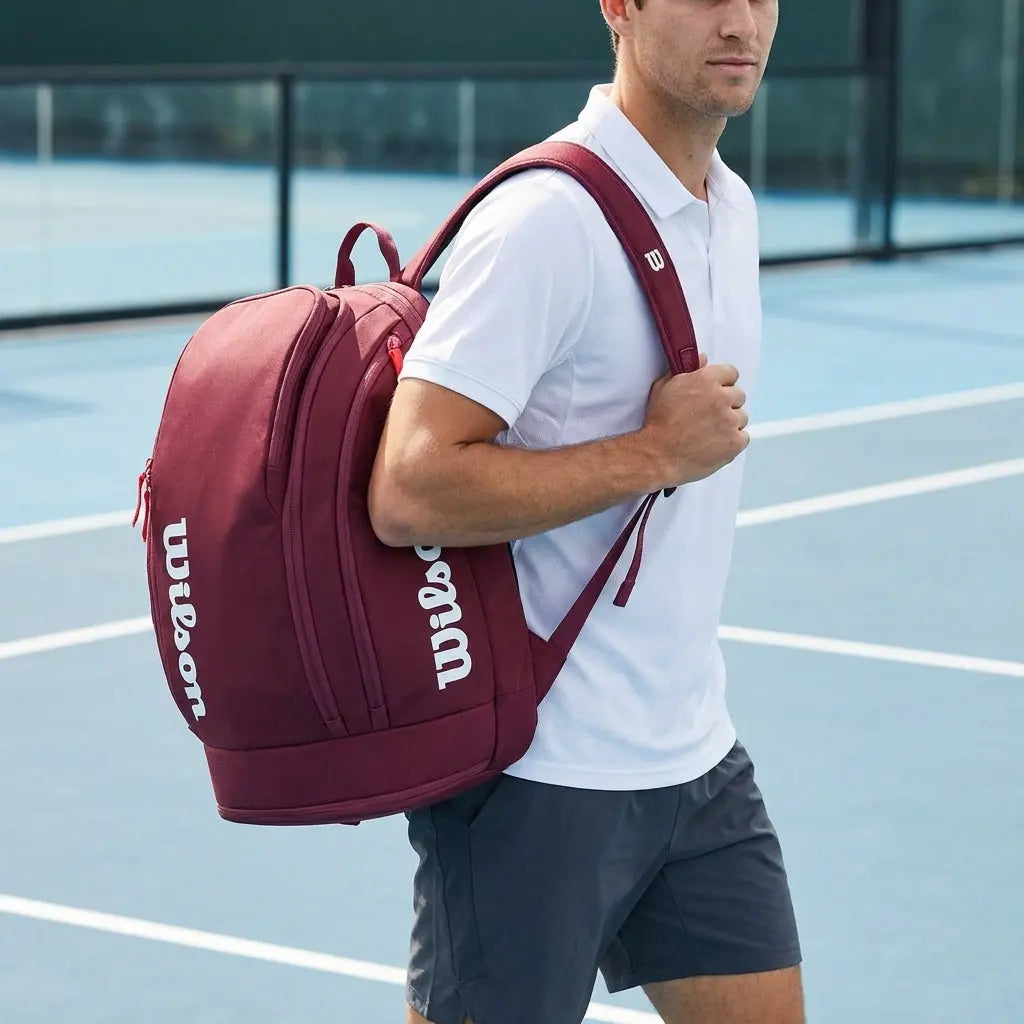
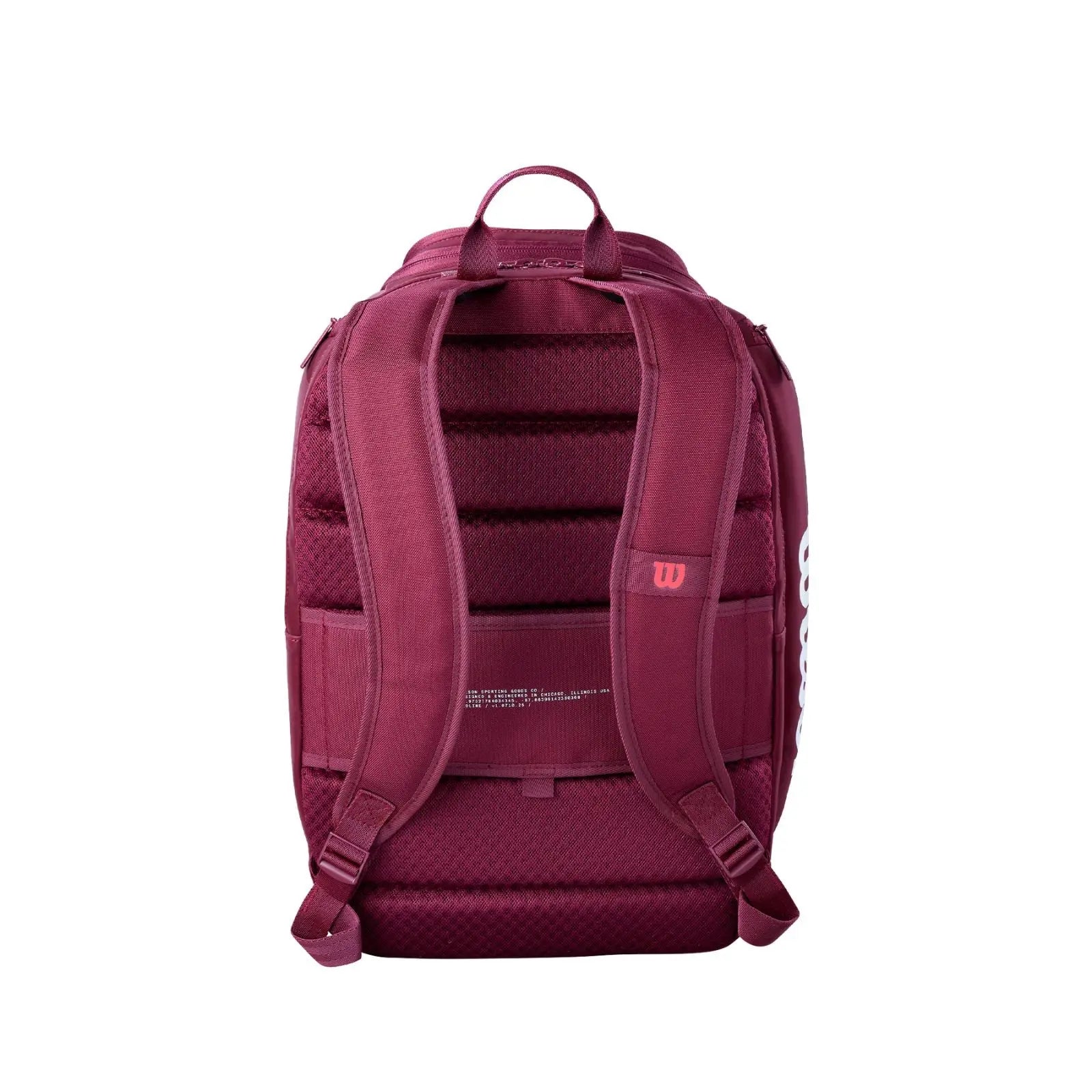
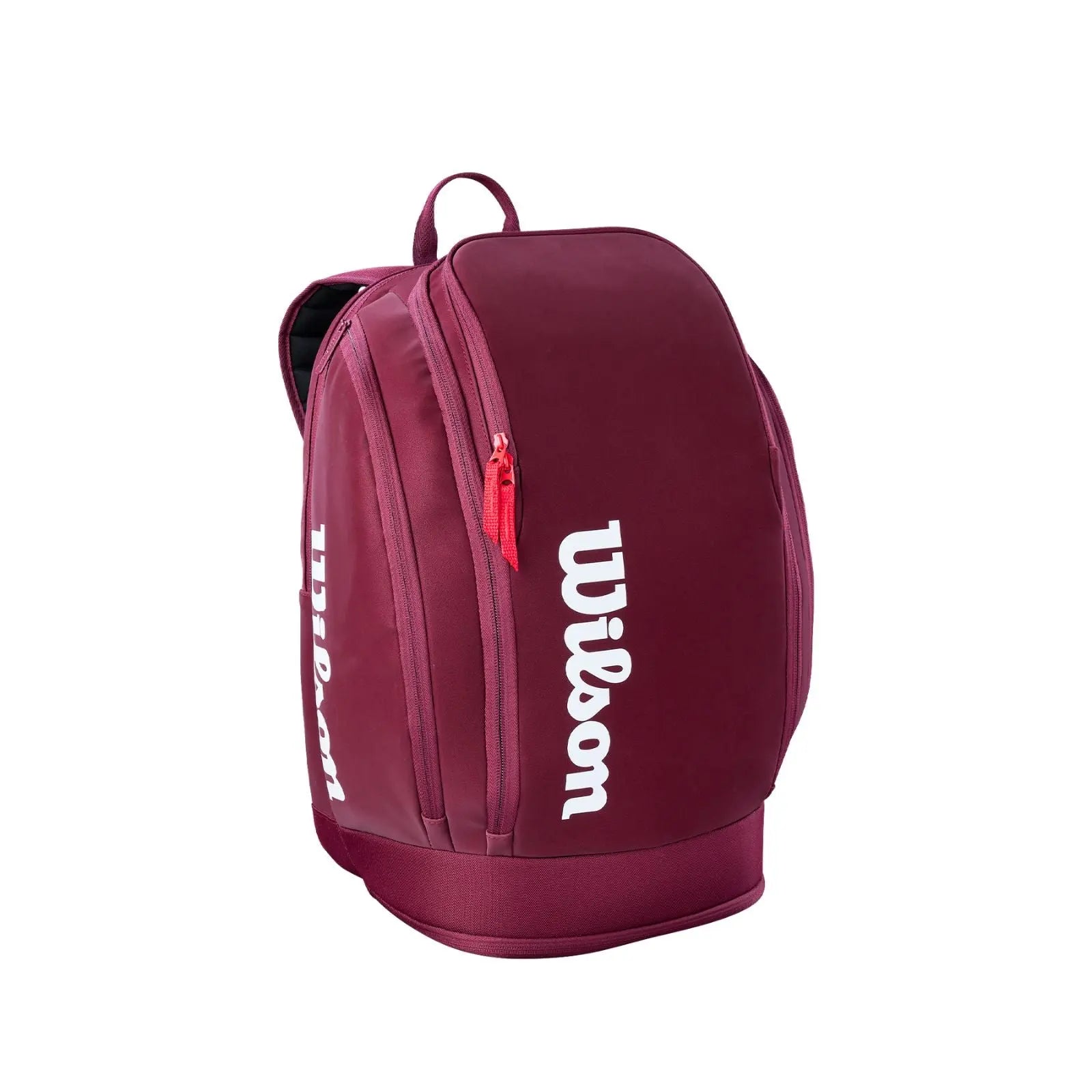
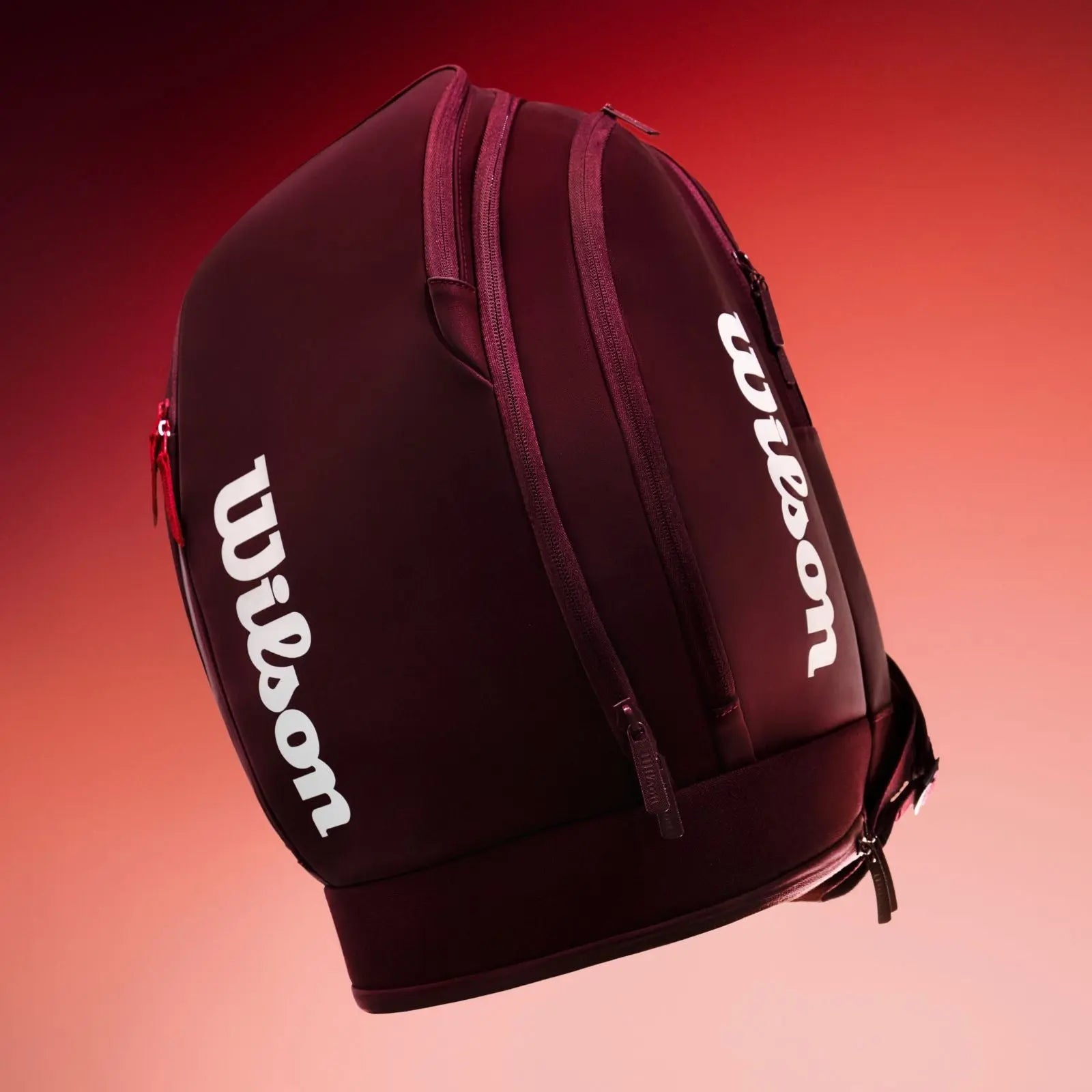
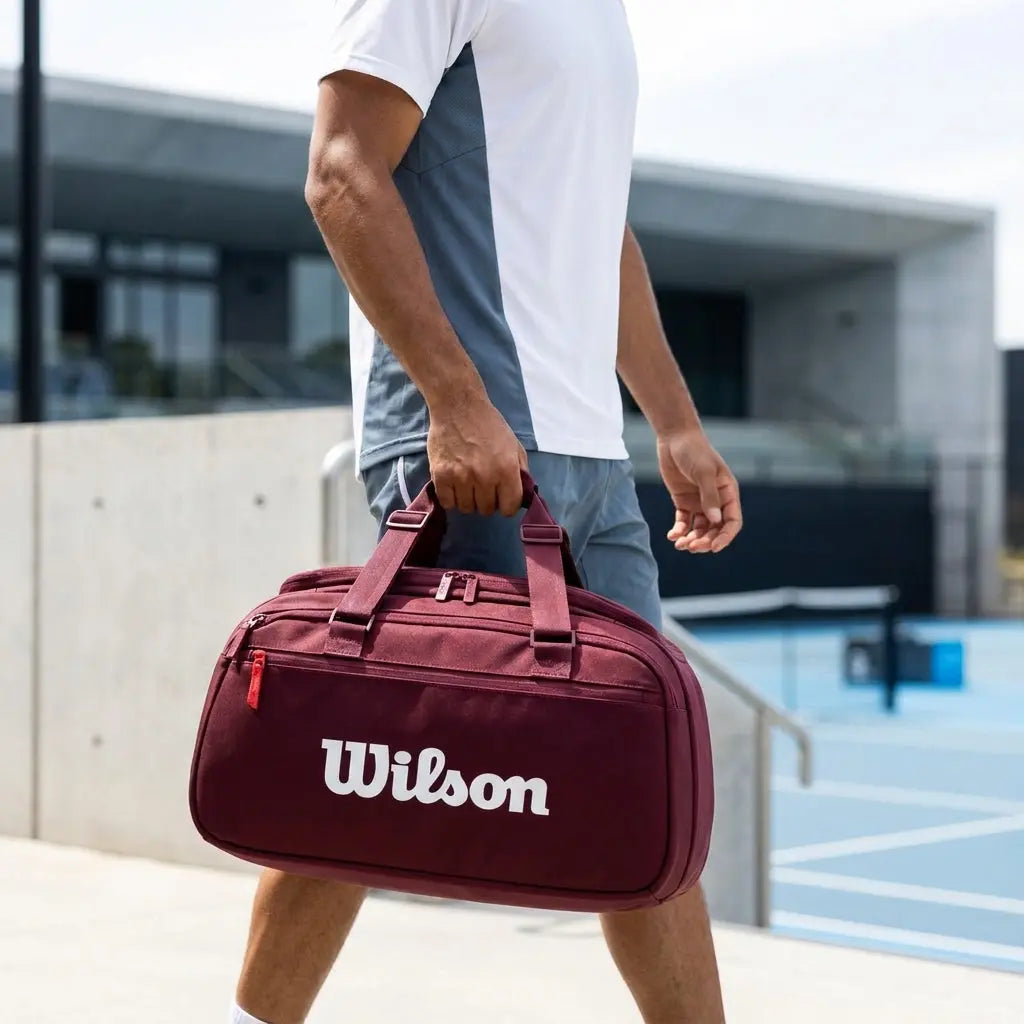
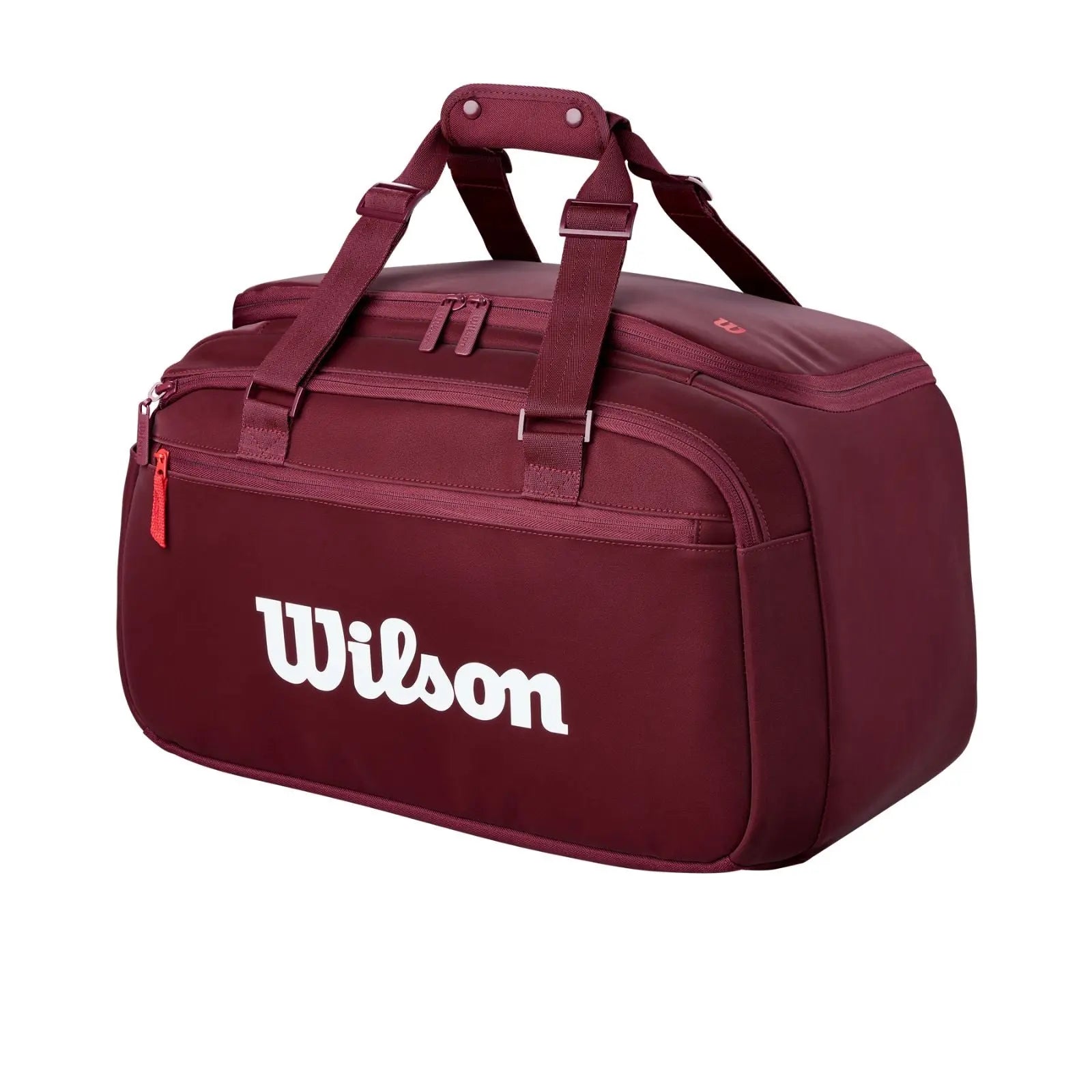
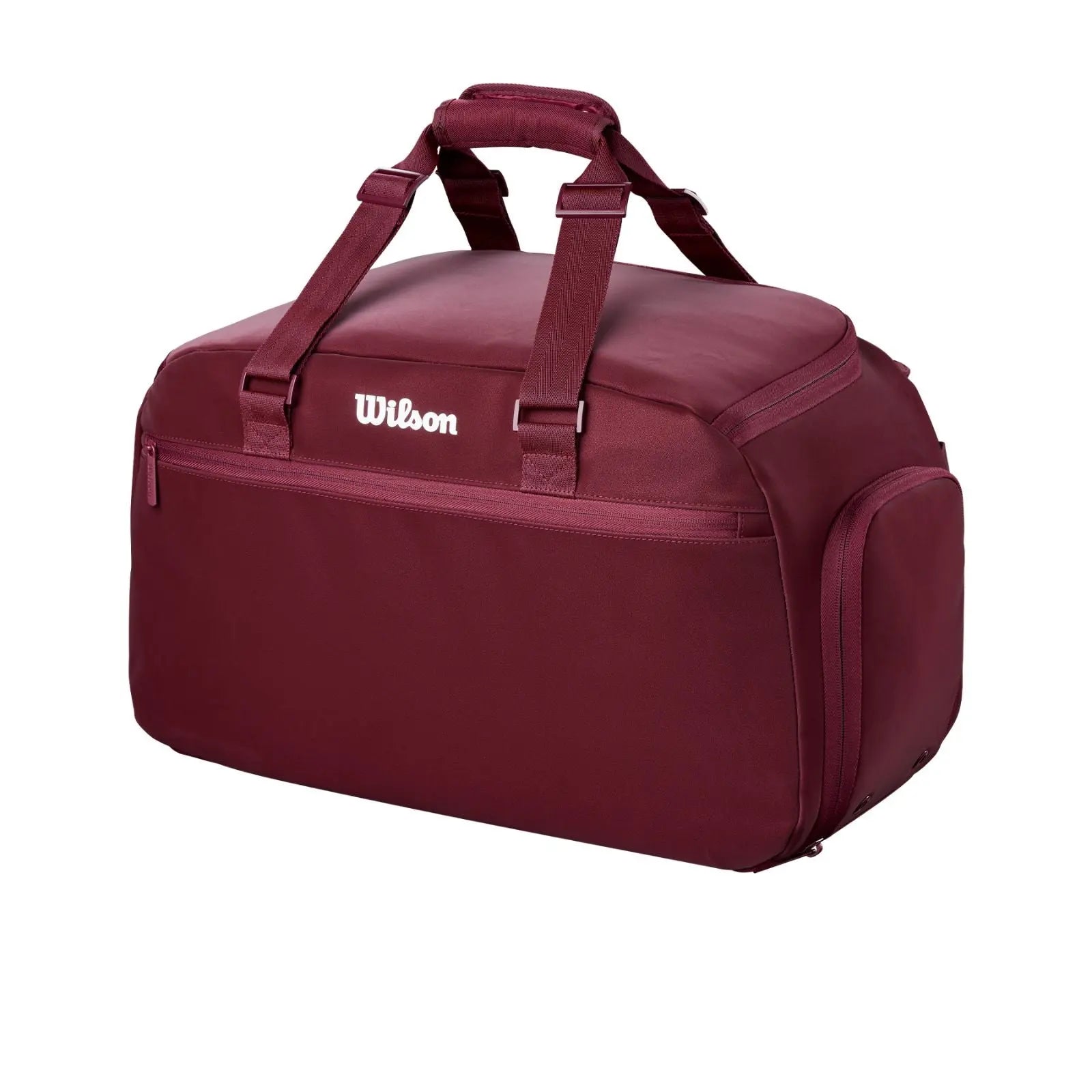
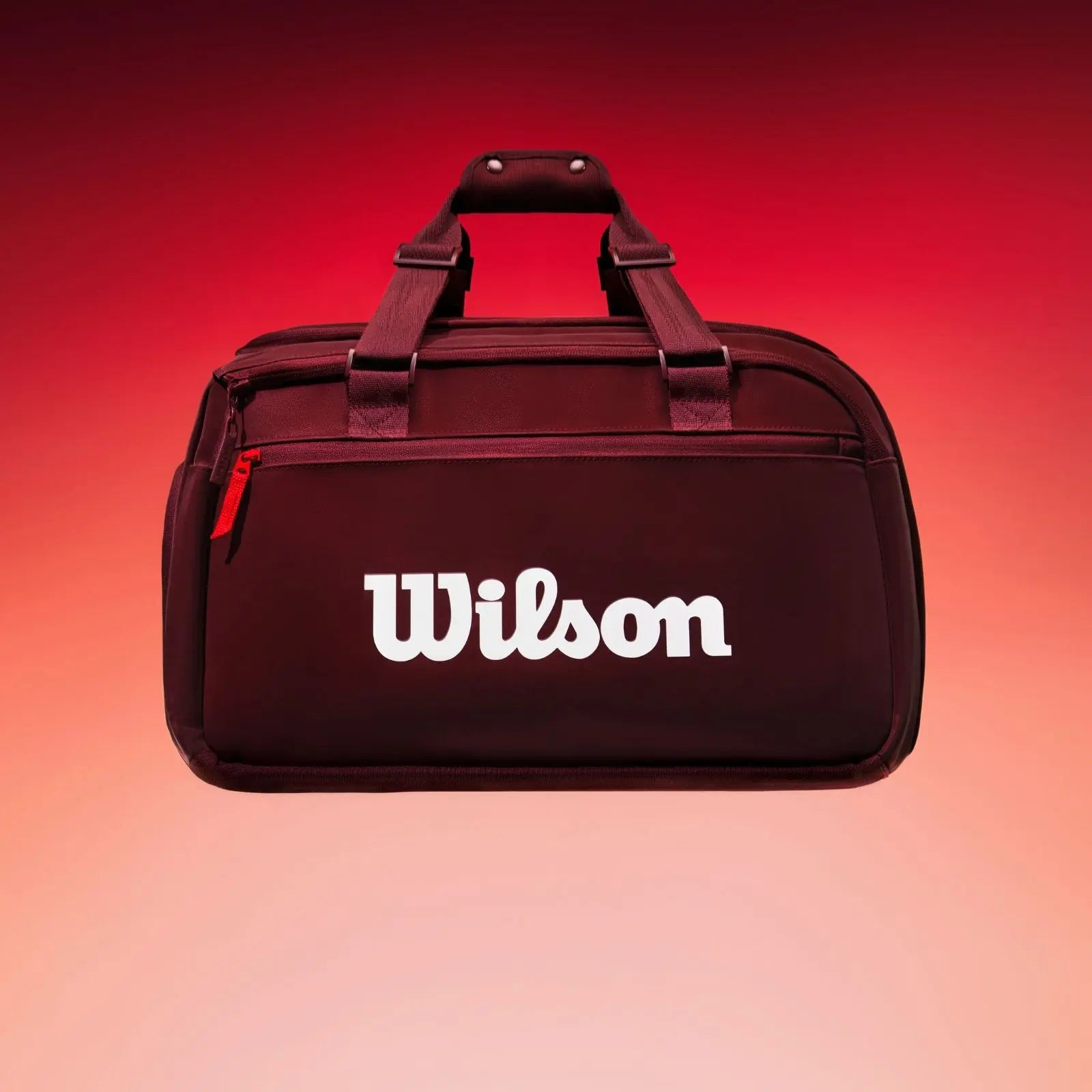
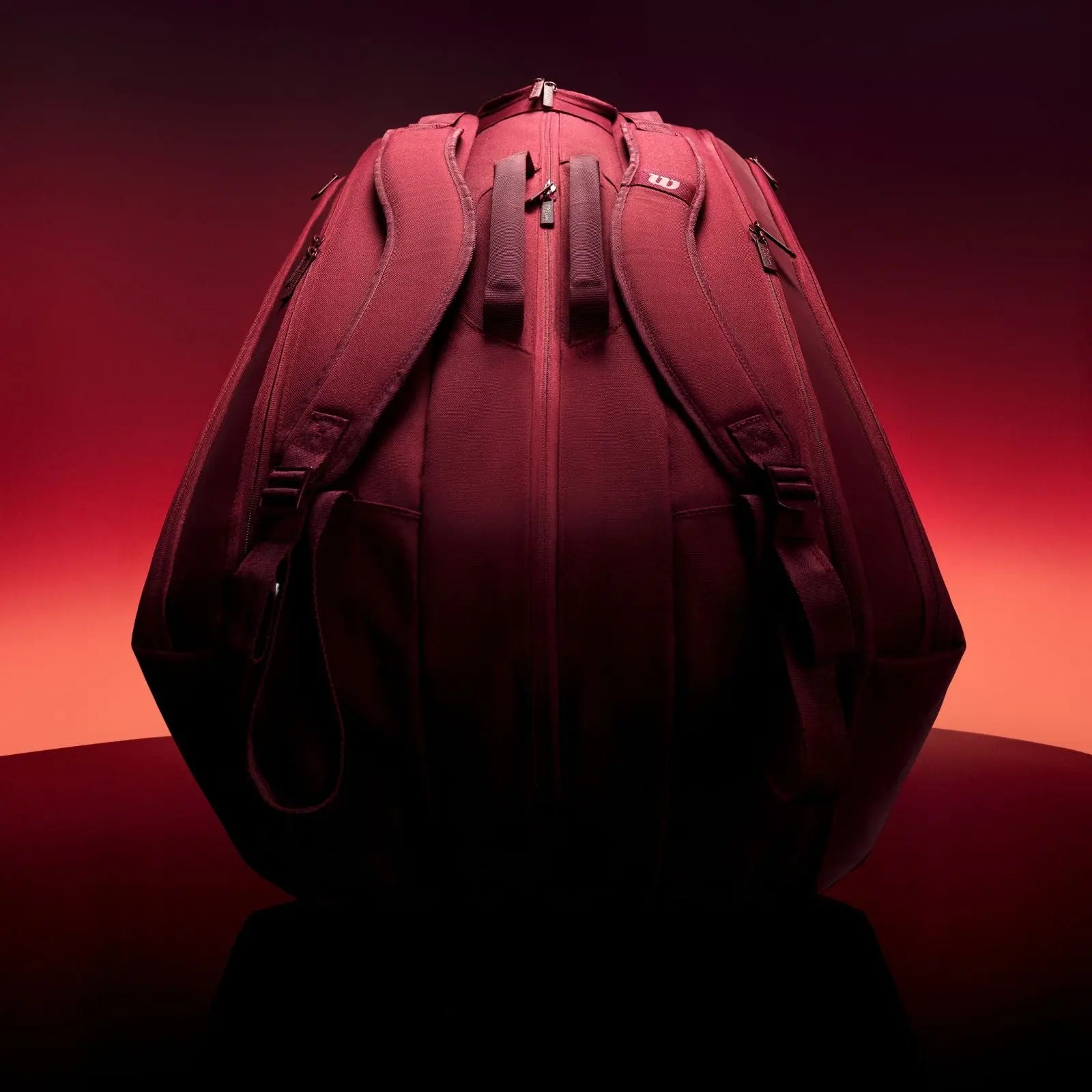
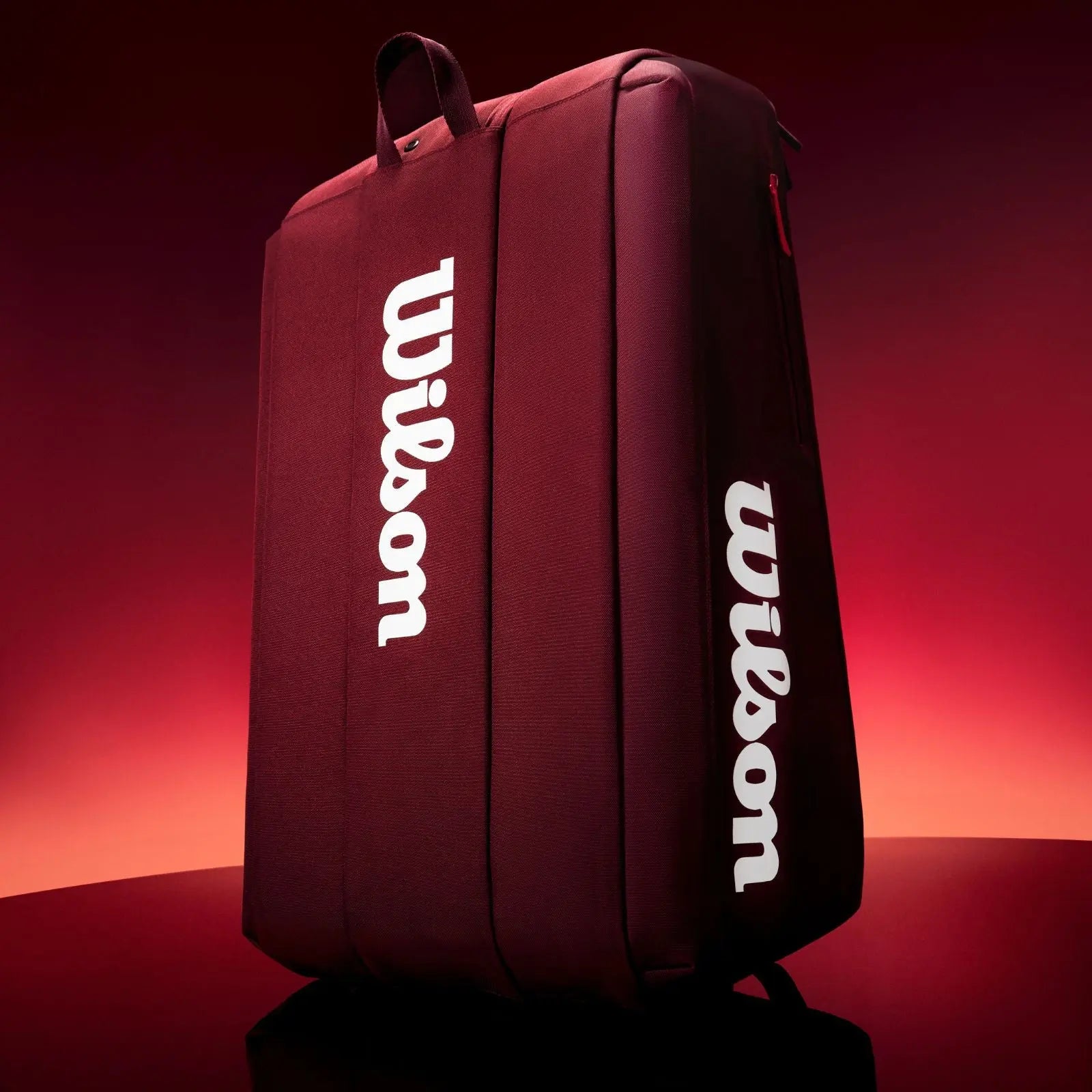
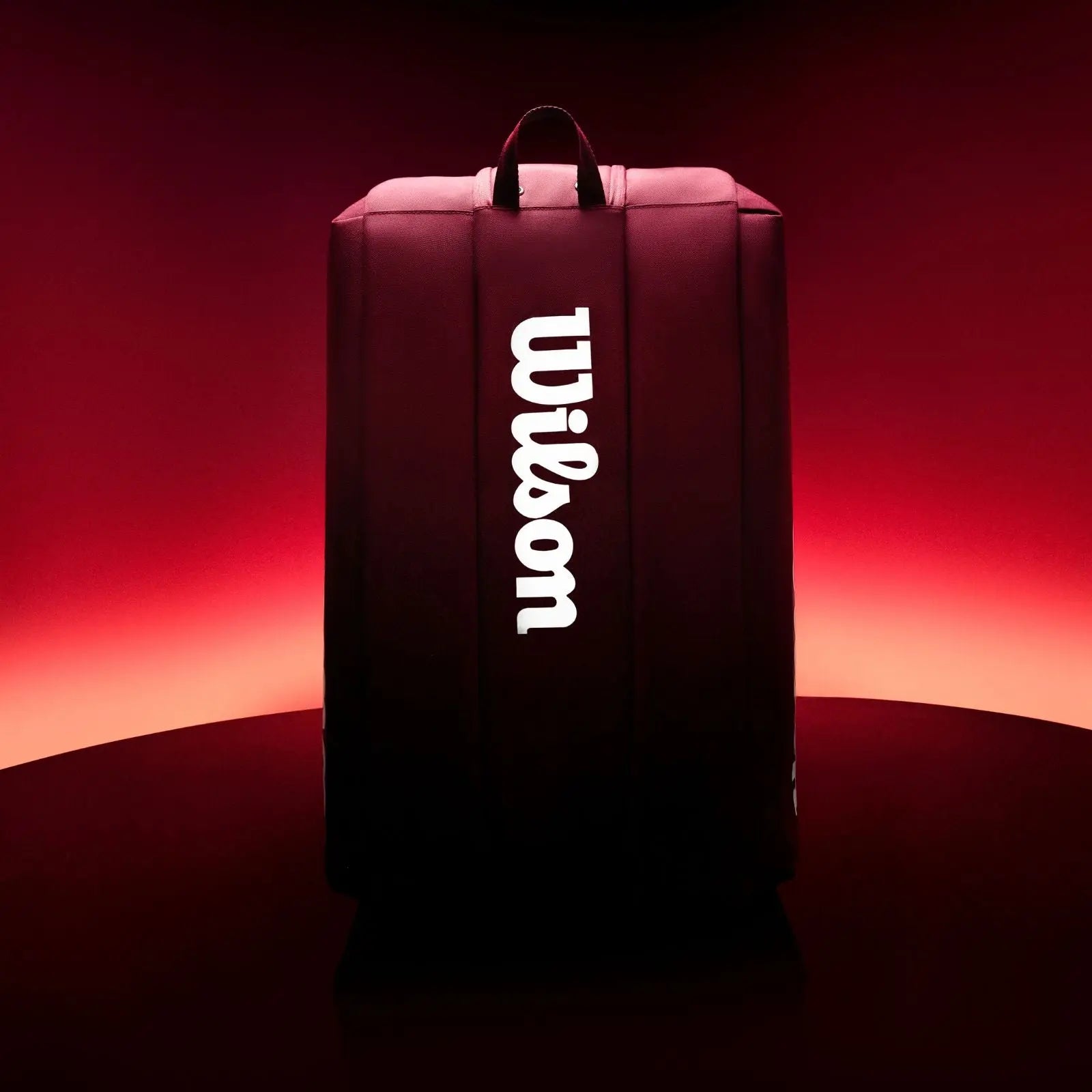
Off the court, the Defyer bags carry your game in the same vibrant, elevated style. From the grab-and-go backpack to the 9- and 15-pack racket bags and the versatile duffel, each is designed to haul everything you need — rackets, shoes, apparel, and tech — with smart organisation and standout looks.
This is gear for players on the way up. Hit heavy, travel bold, and dictate the match — with Defyer.
FAQs
What rackets are in the Wilson Defyer V1 range?
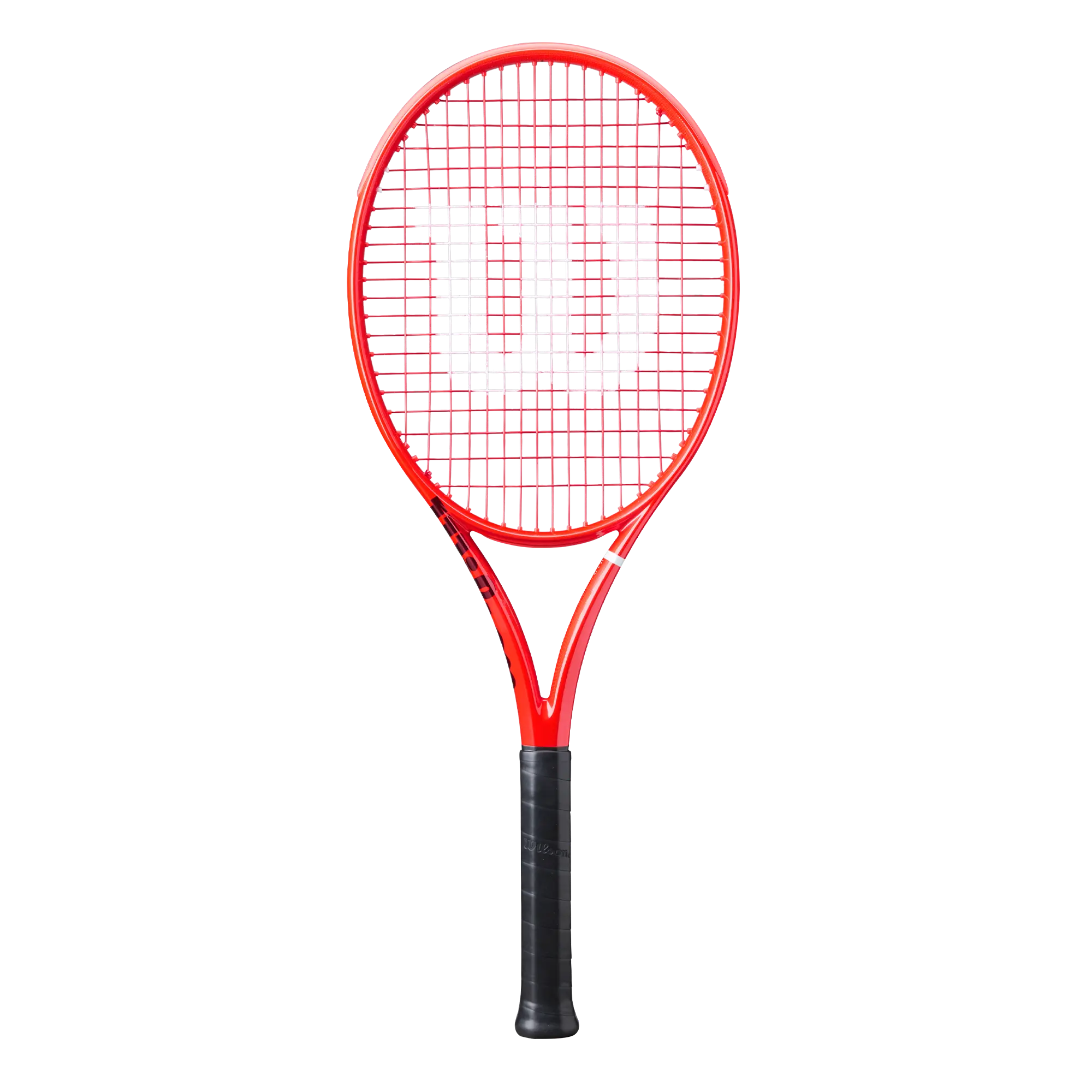
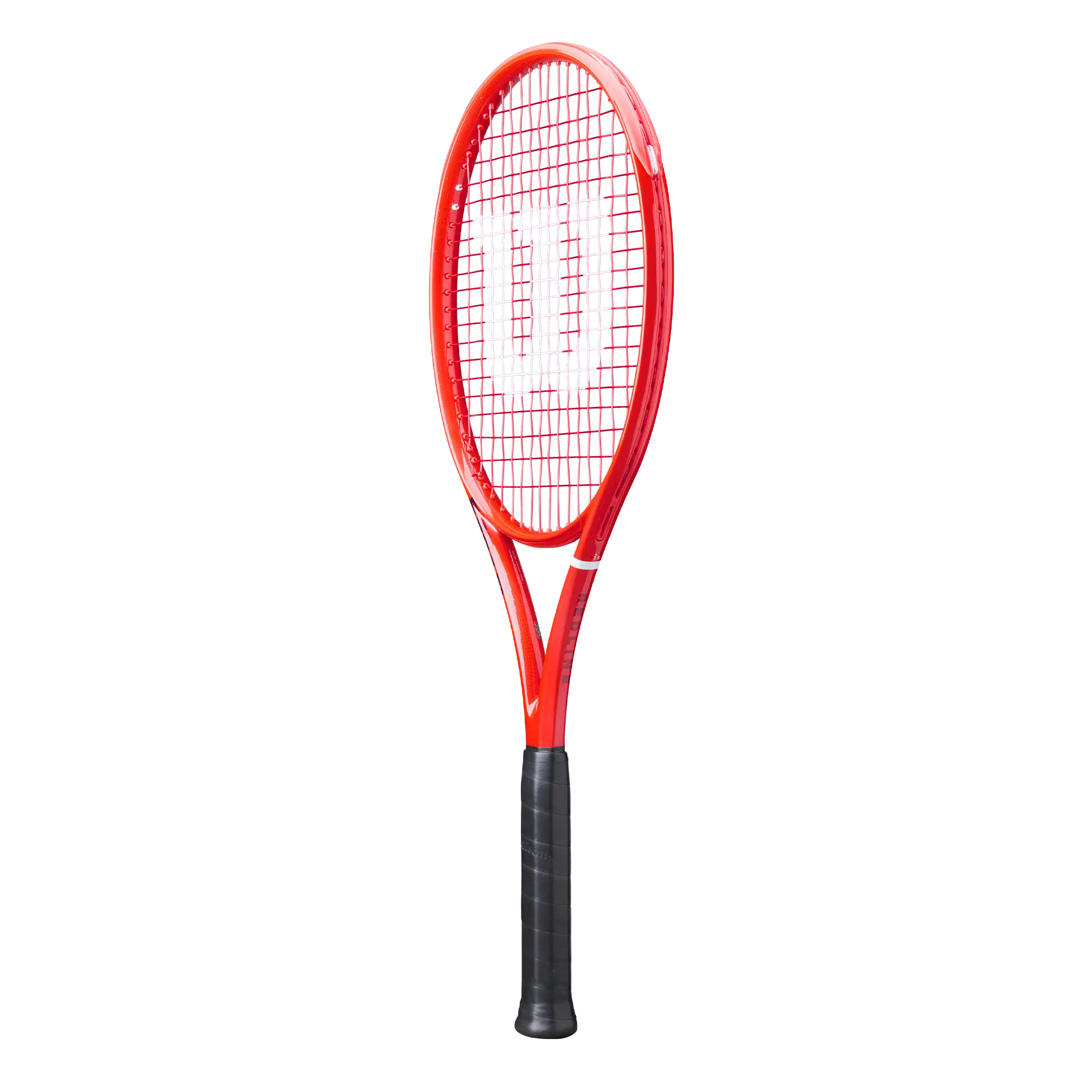
There are four frames: the Defyer 98 Pro V1 (98 sq in, 16×20 — the tightest control option), the Defyer 100 V1 (100 sq in, 16×19 — the balanced power-and-spin frame), the Defyer 100L V1 (a lighter, more maneuverable version of the 100), and the Defyer 100UL V1 (an ultralight frame that's effortless to swing). All share TORQ Shaft Tech, a Dual Taper Beam, and Parallel Drilling.
Which Defyer racket should I choose?
It comes down to weight and swing style. Choose the 98 Pro (320 g strung, 16×20) if you're an advanced player who wants maximum control and a heavier, more stable frame. Choose the 100 (315 g strung) for an even blend of power, spin, and forgiveness. Choose the 100L (300 g strung) if you want the same spin in a lighter, quicker frame, and the 100UL (280 g strung) if you want the easiest, most maneuverable swing of the lineup.
What's the difference between the 100, 100L and 100UL?
They share the same 100 sq in head and 16×19 pattern but differ in weight and balance. The 100 is 315 g strung (6 pts head light), the 100L is 300 g strung (4 pts head light), and the 100UL is the lightest at 280 g strung (1 pt head light) — lighter frames are easier to maneuver, while heavier frames offer more stability and plough-through.
Do the Defyer rackets come strung?
No, all Defyer V1 rackets ship unstrung, so you can choose the string and tension that best suit your game.
What grip sizes are available?
The Defyer rackets come in a range of grip sizes (indicated by the SKU suffix, e.g. U1–U4). Check the individual product listing to select your size.
What is TORQ Shaft Tech?
It's a sculpted shaft design at the core of every Defyer racket that delivers leverage, stability, and maneuverability, helping you generate heavy, penetrating spin that pushes opponents out of position.
What bags are available in the Defyer range?
Four, all in a standout Burgundy finish that shares the racket's design DNA: the 15-Pack Racket Bag (three compartments, up to 15 rackets, ventilated shoe compartment), the 9-Pack Racket Bag (two compartments, up to 9 rackets), the Small Tennis Duffel (fits up to 2 rackets in a partially covered compartment plus shoes and clothes), and the Tennis Backpack (holds 2 rackets plus a padded laptop/tablet sleeve).
Which Defyer bag is right for me?
For serious players carrying a full kit, the 15-Pack offers maximum capacity with a dedicated ventilated shoe compartment. The 9-Pack is a sleeker option for travelling to and from the court. The Duffel suits players wanting shoe, clothing, and ball storage alongside a couple of rackets, and the Backpack is the compact, everyday choice with room for two rackets and your tech.
Do the Defyer bags keep shoes separate?
The 15-Pack Racket Bag has a dedicated ventilated shoe compartment to keep footwear away from your kit. The other bags use their main and external compartments for organising shoes, clothes, and essentials.


 98 in²
 16/20
16/20