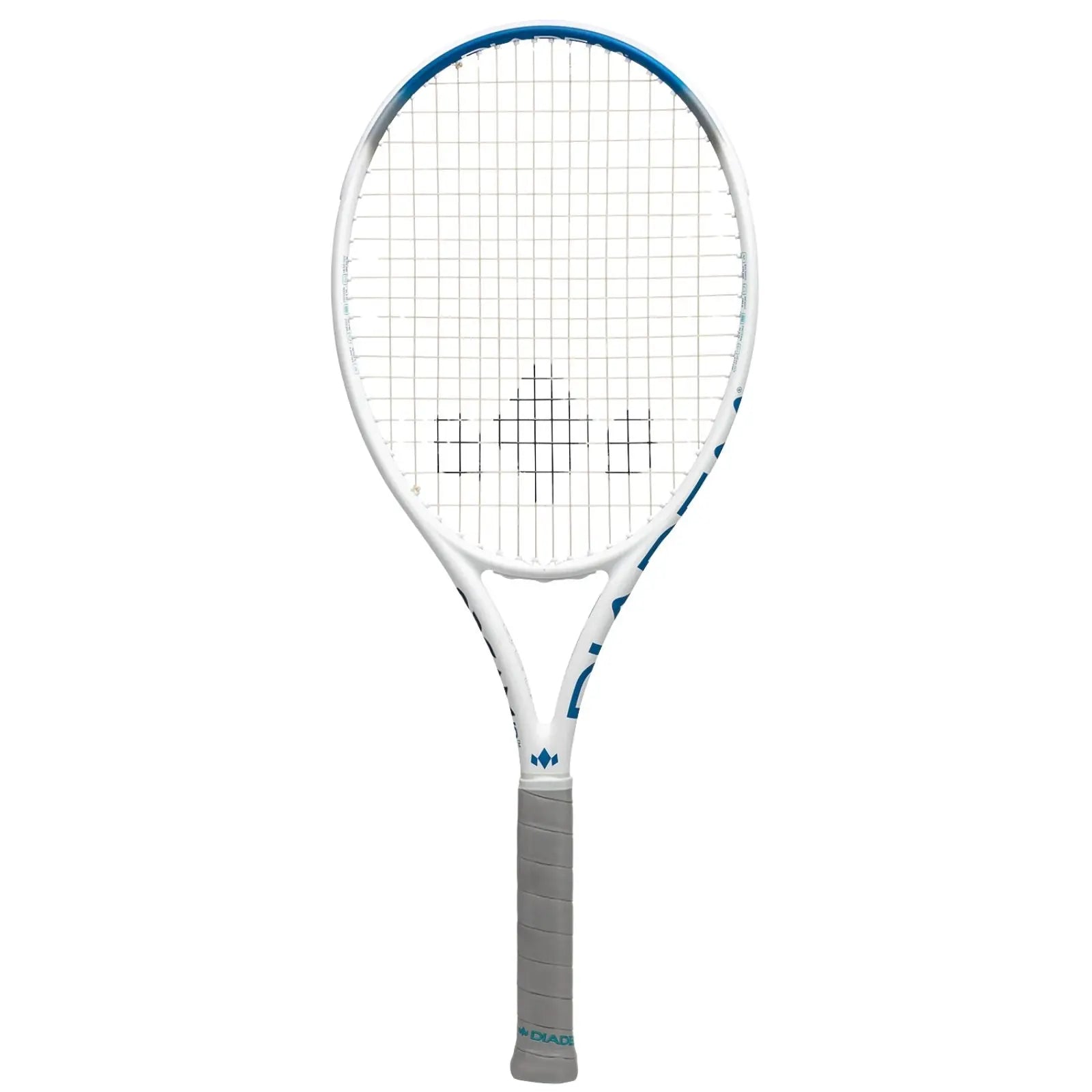
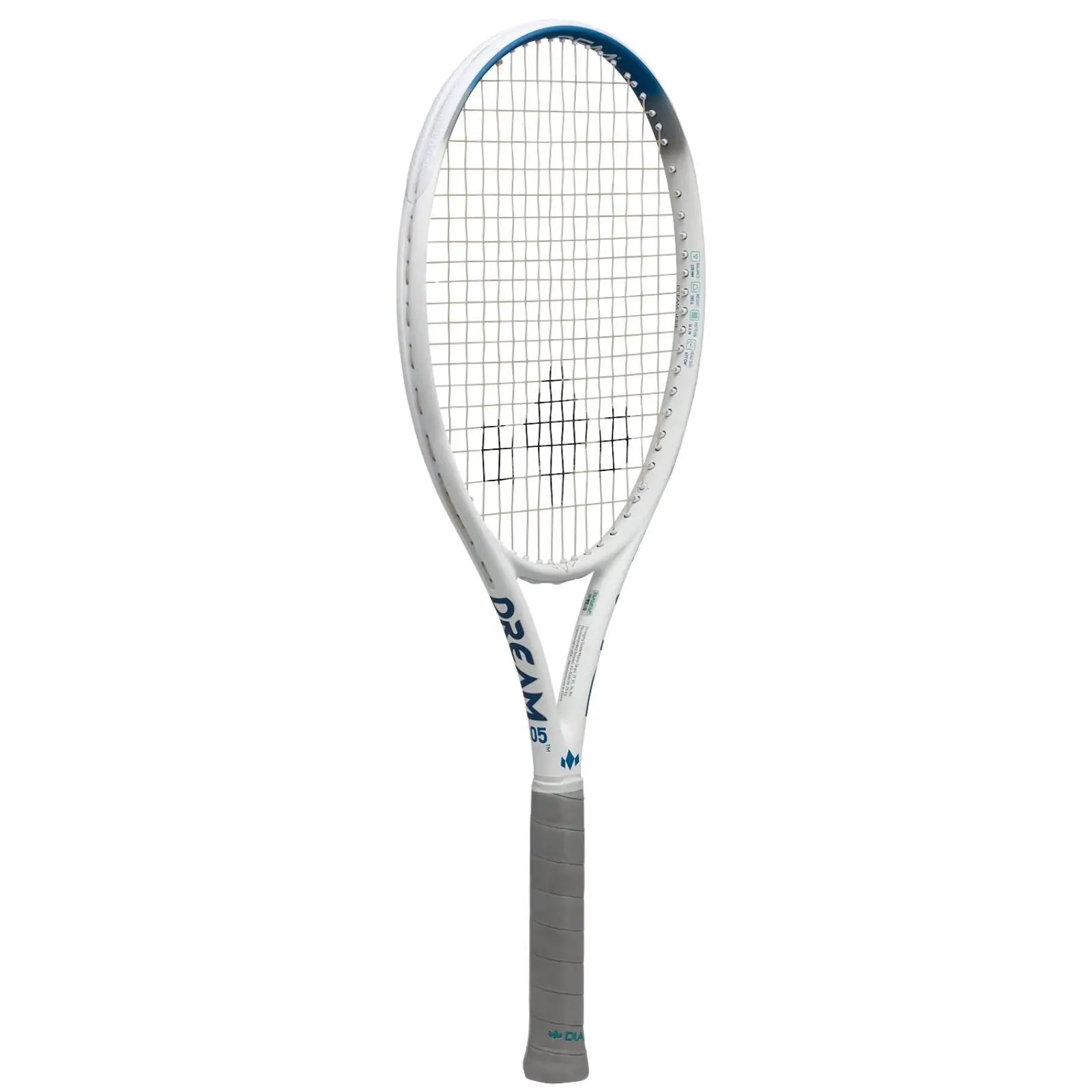
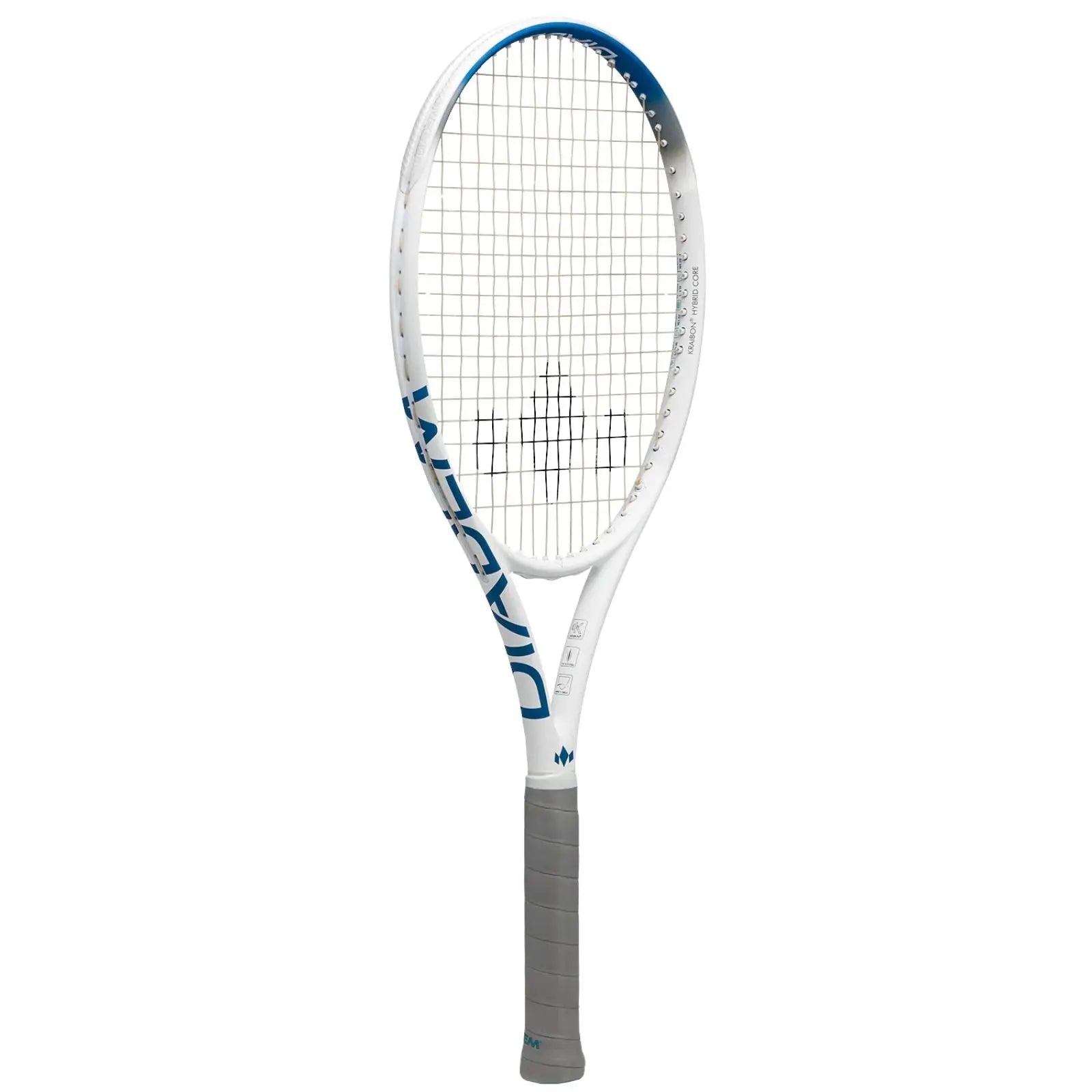
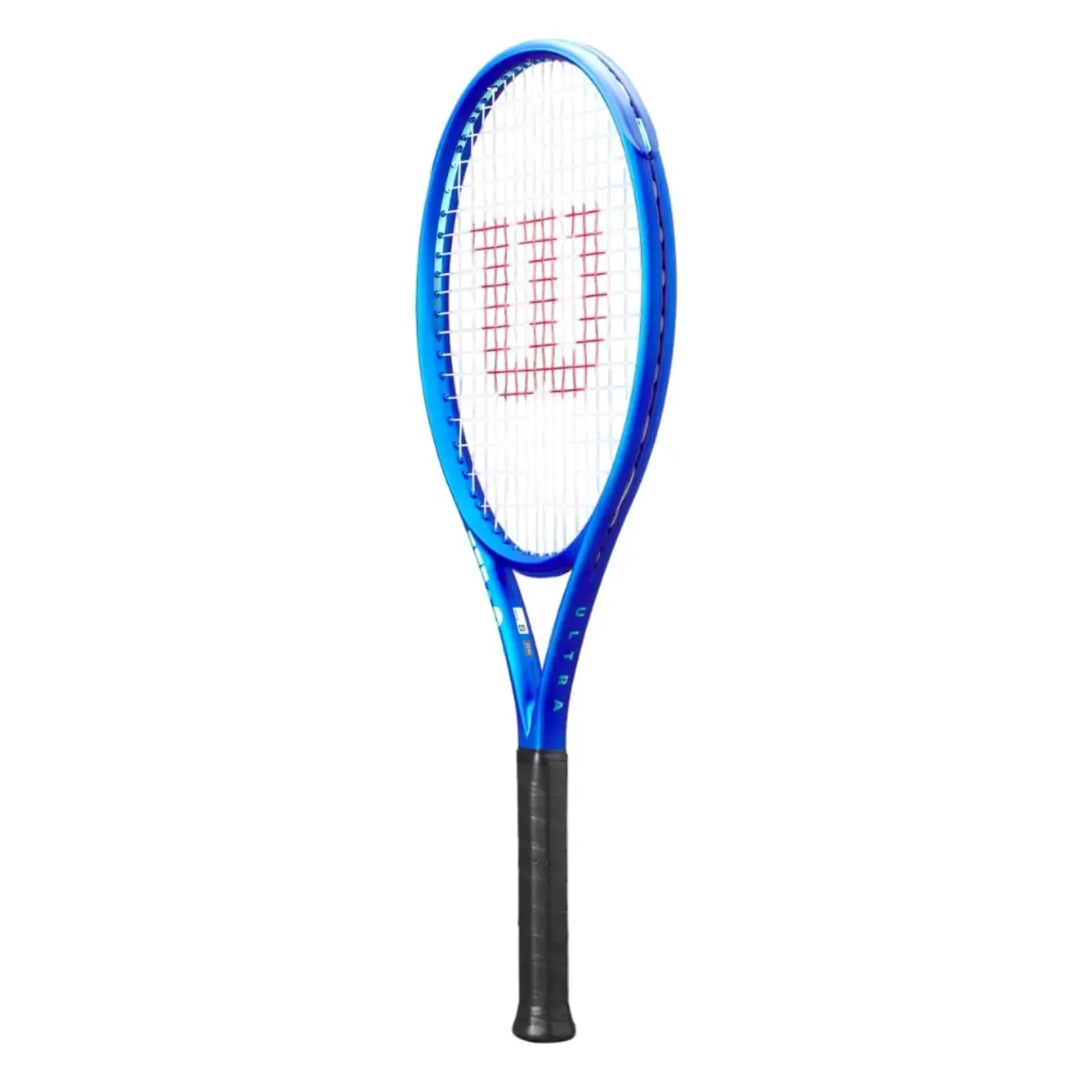
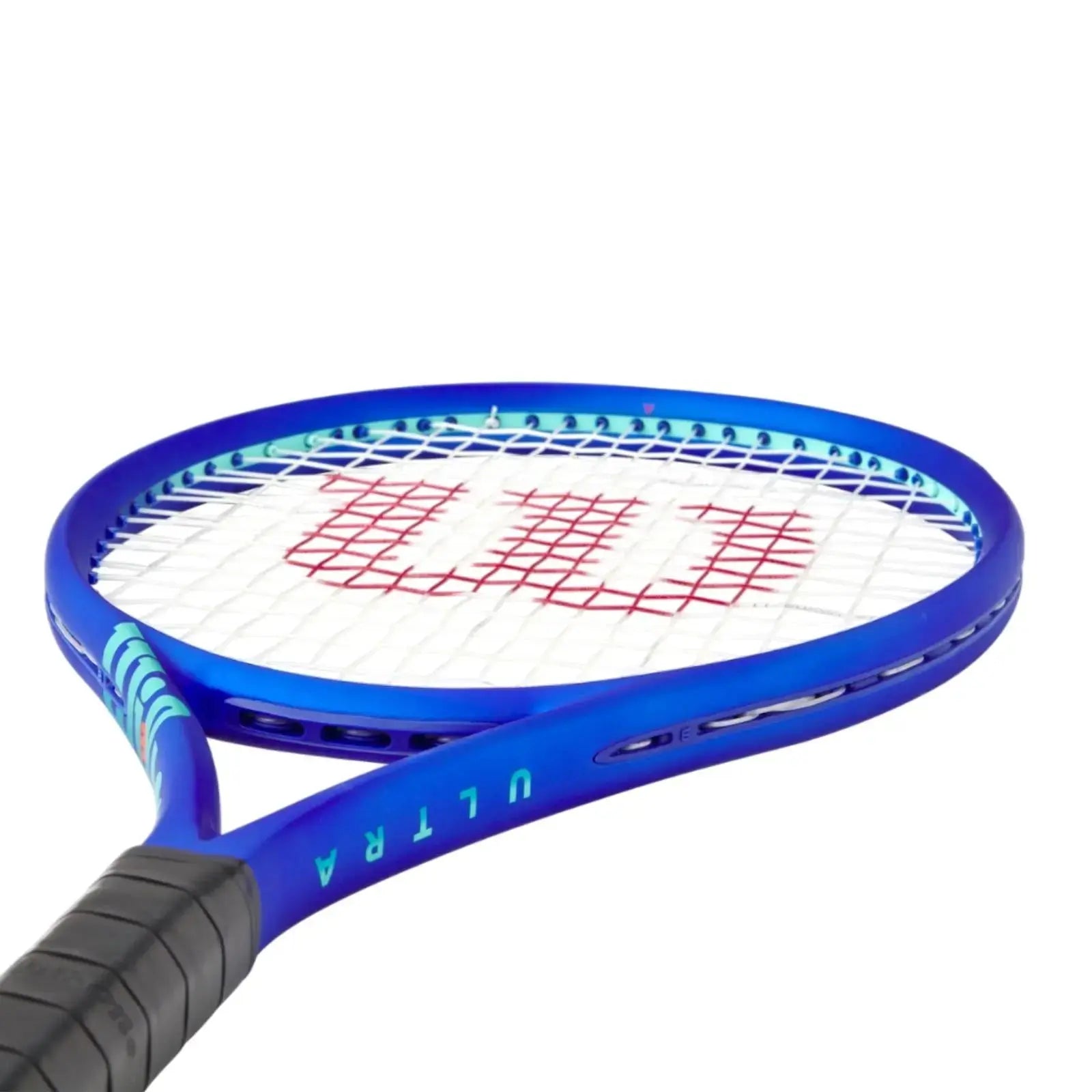
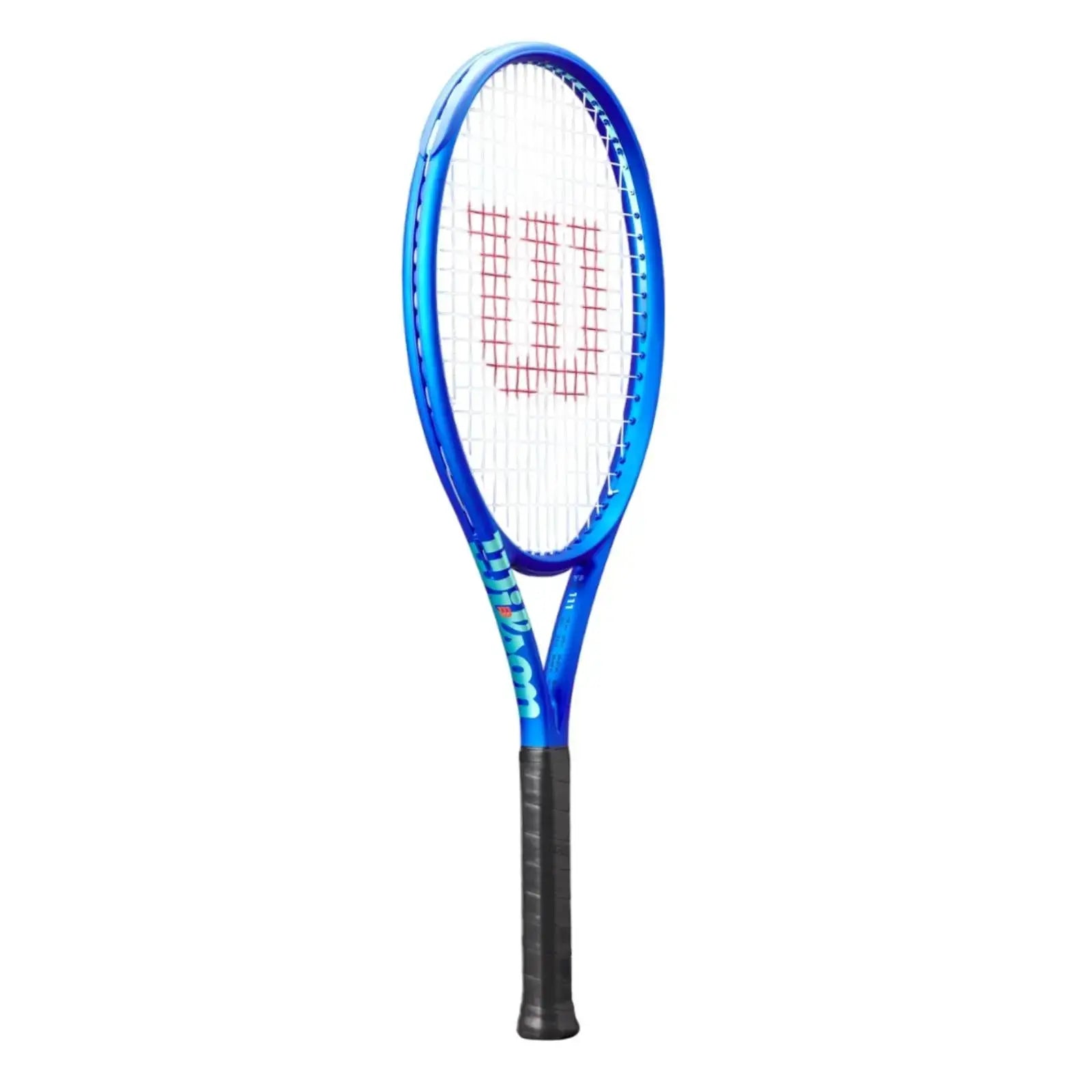
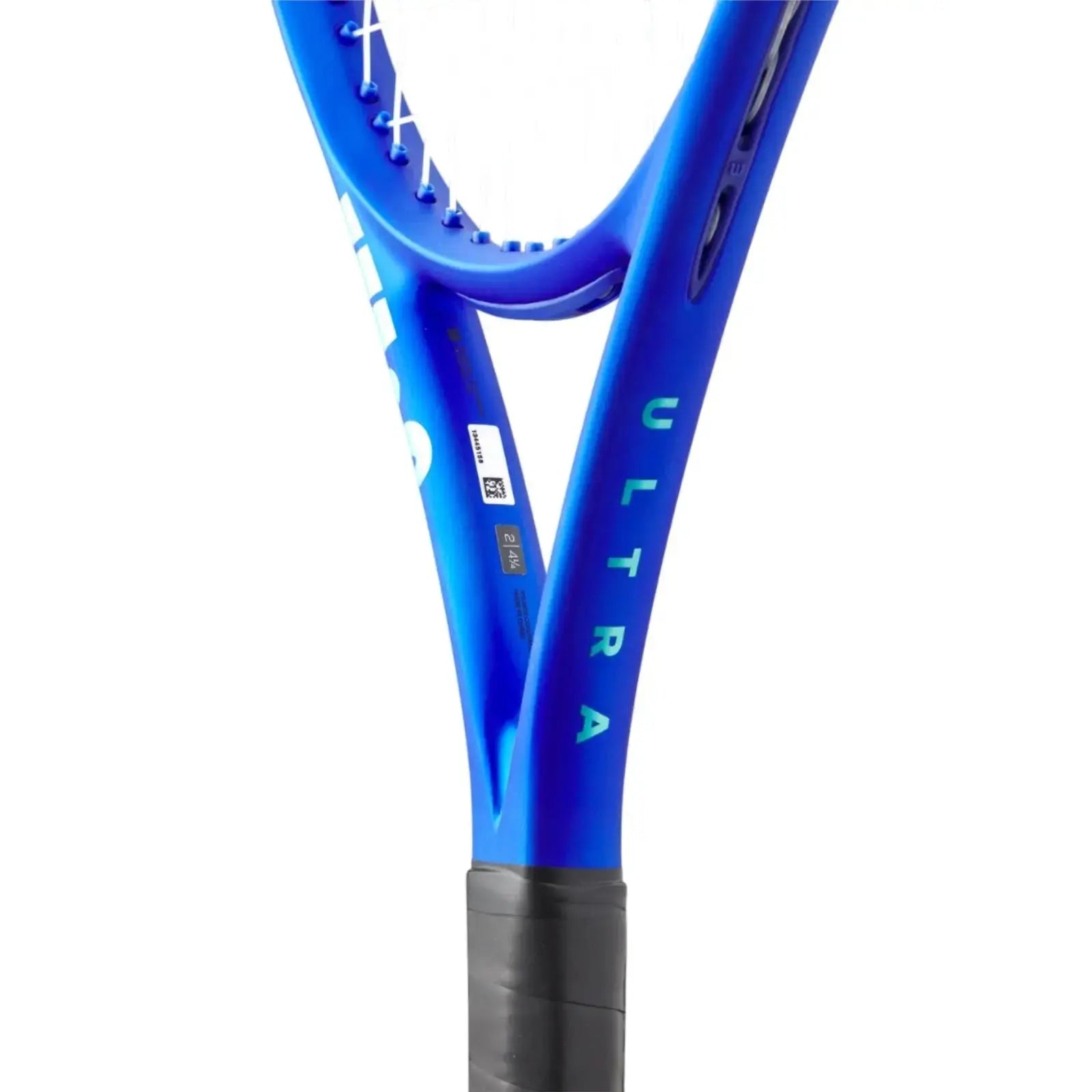
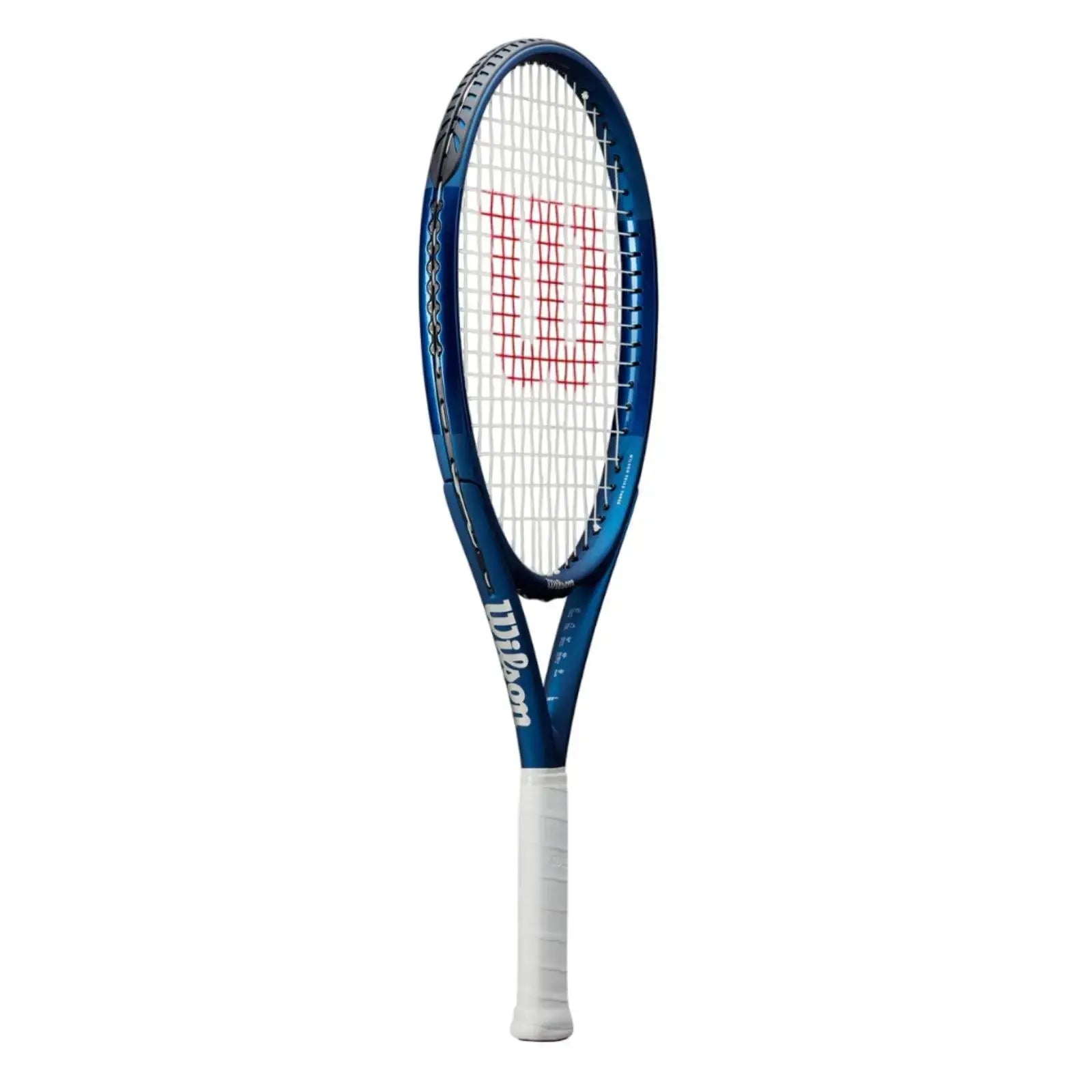
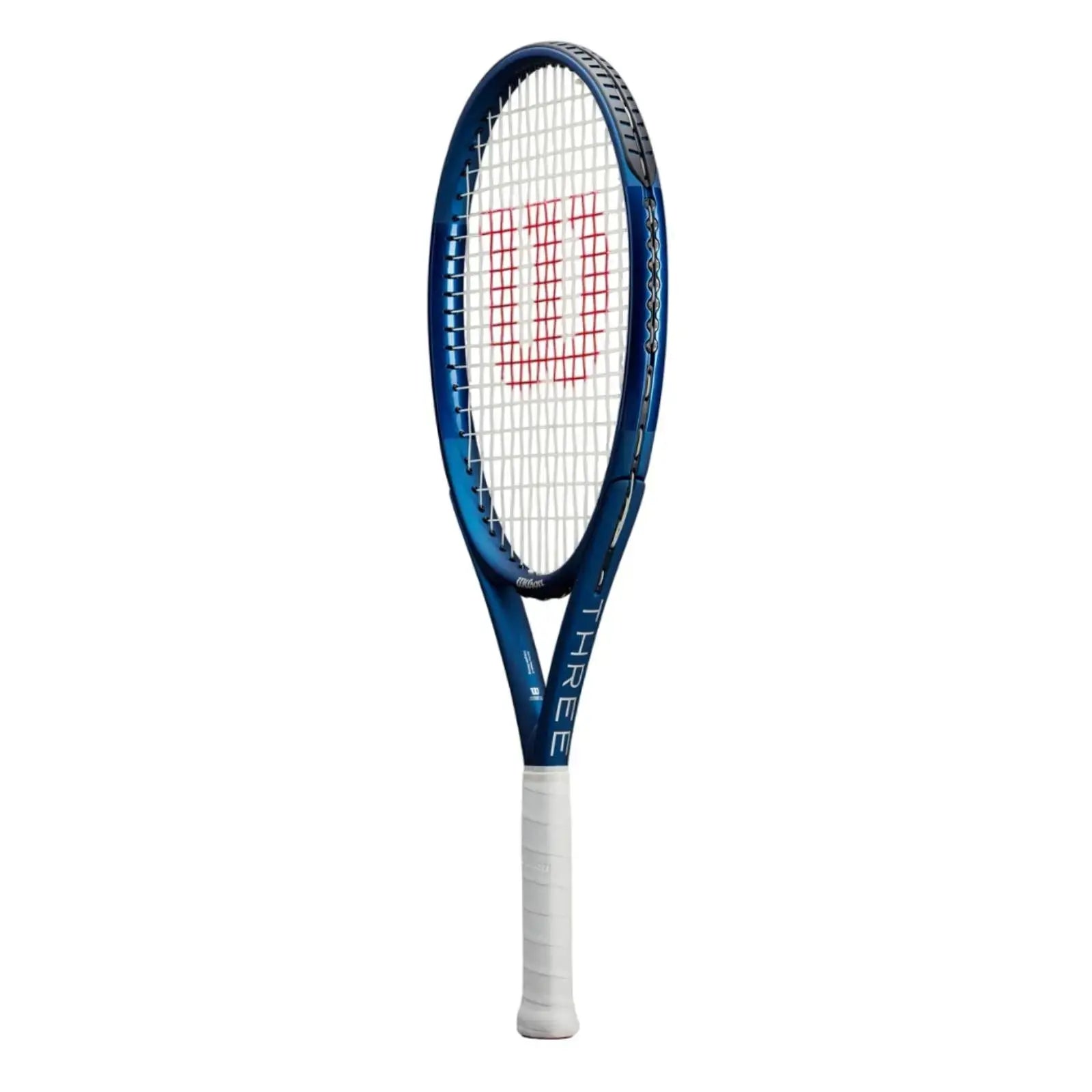
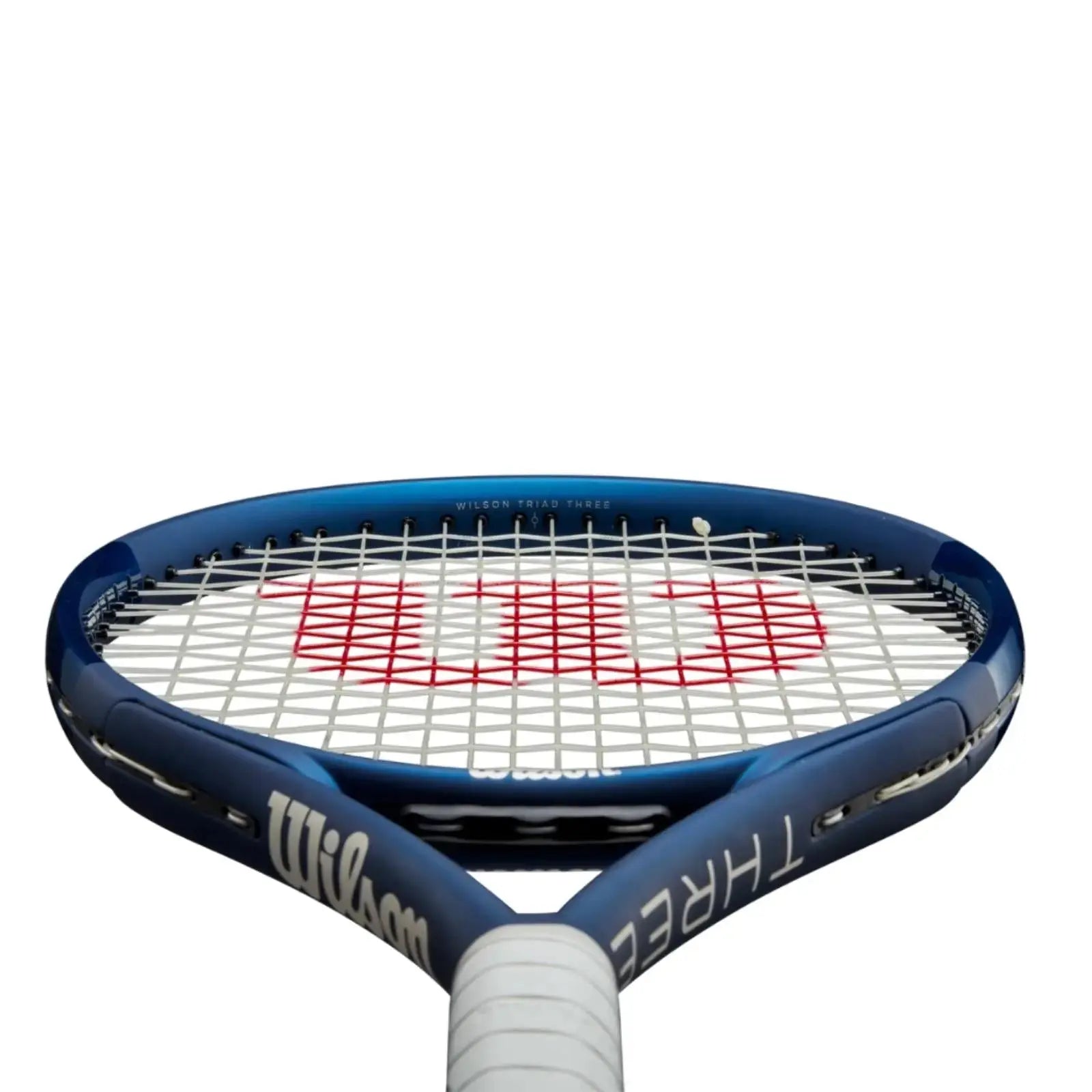
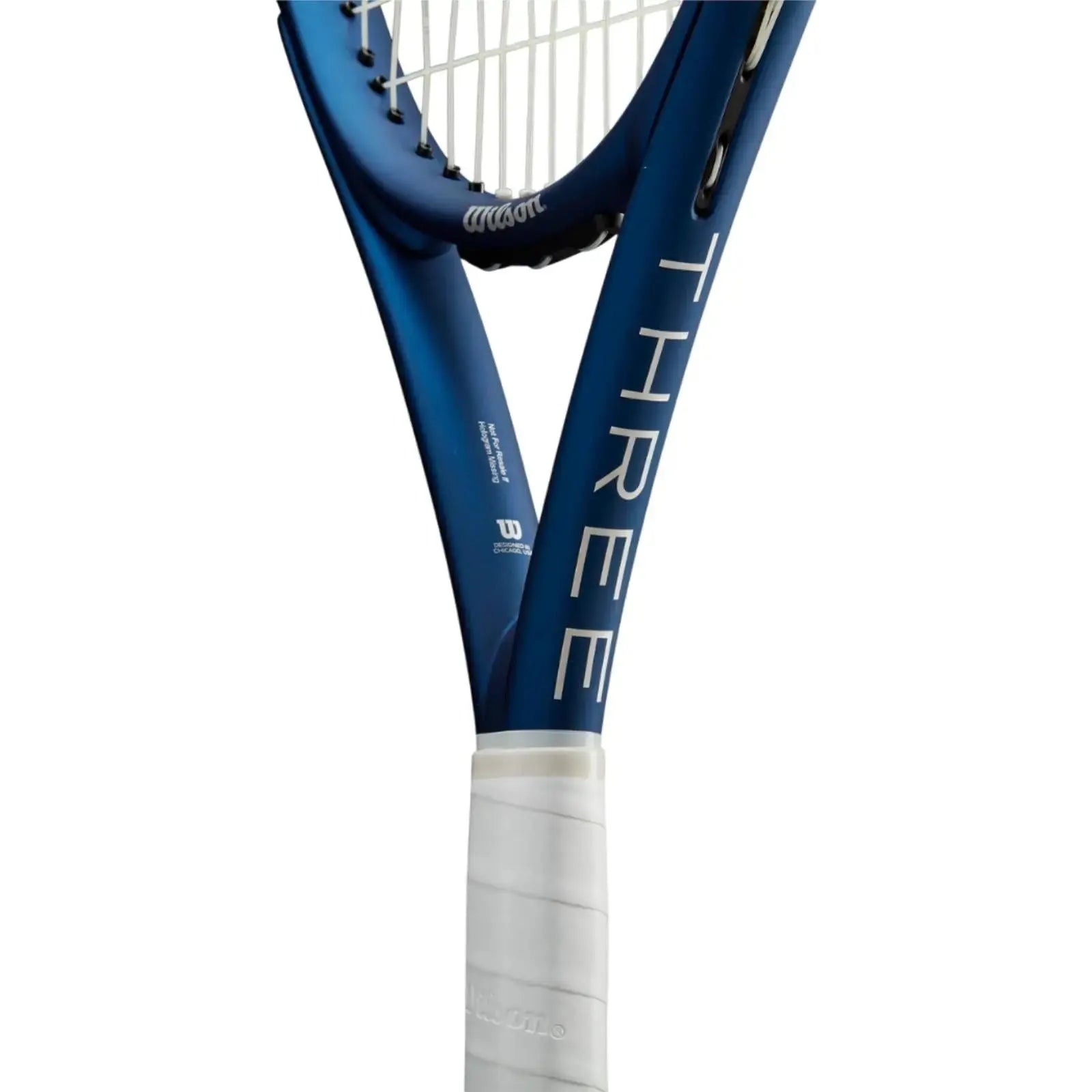
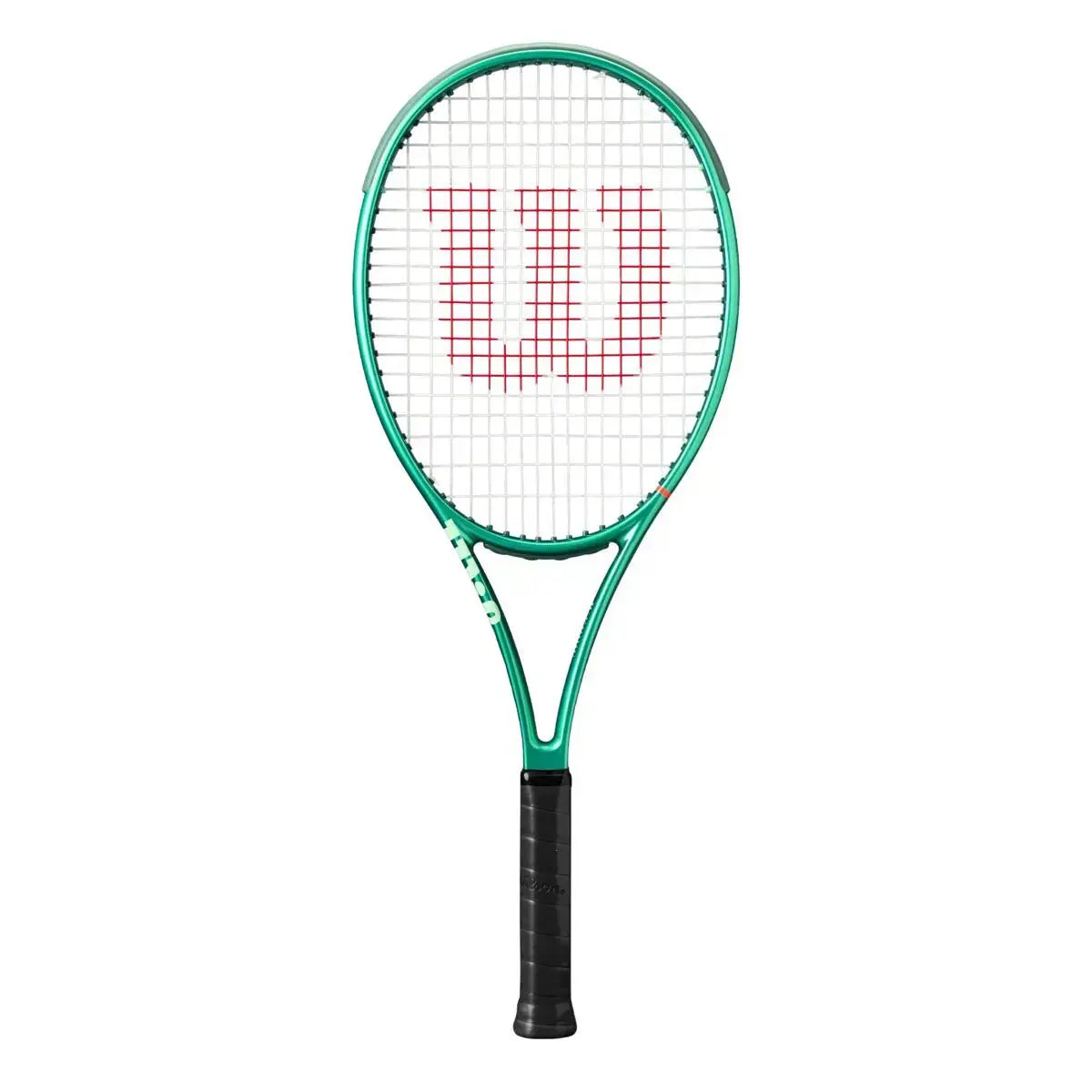
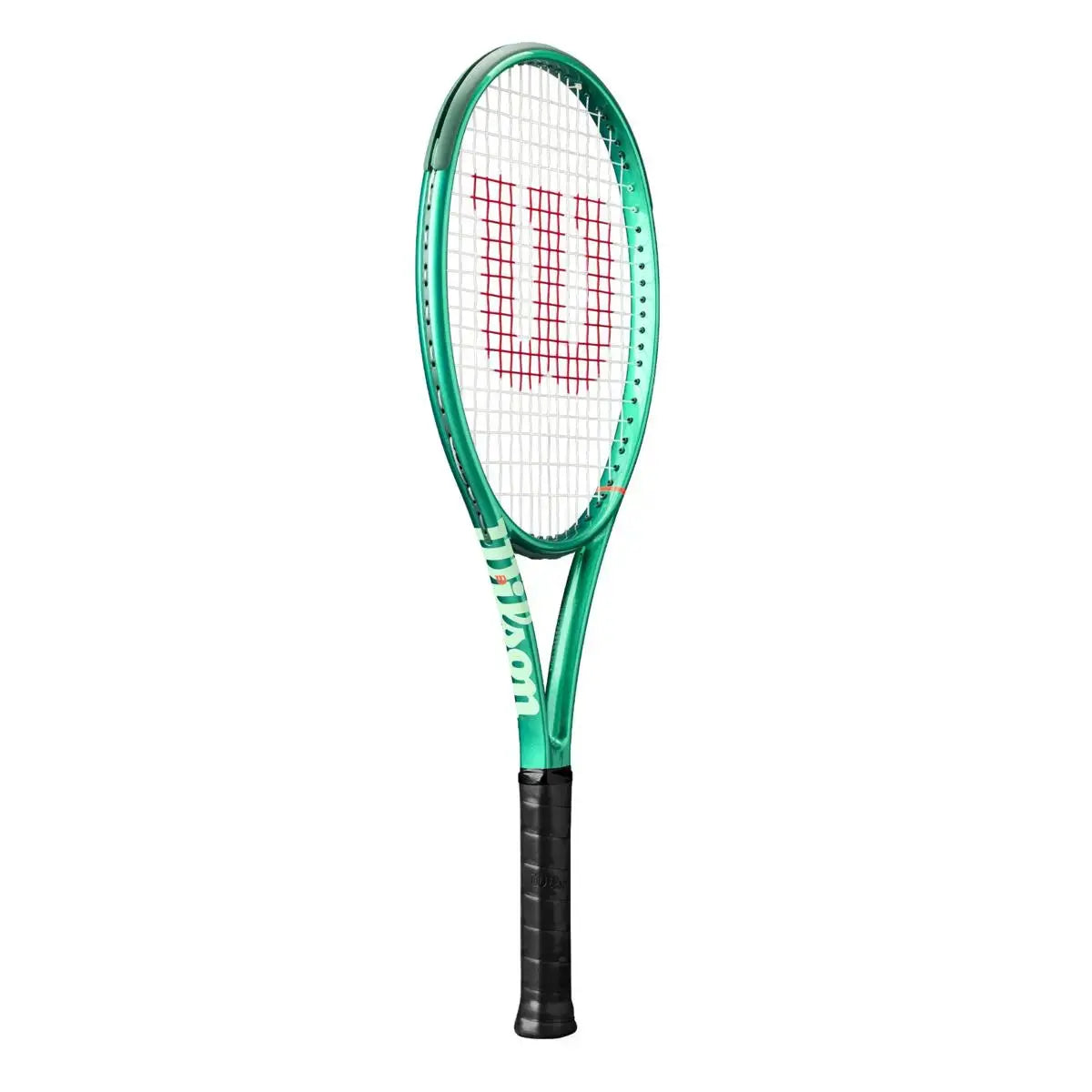
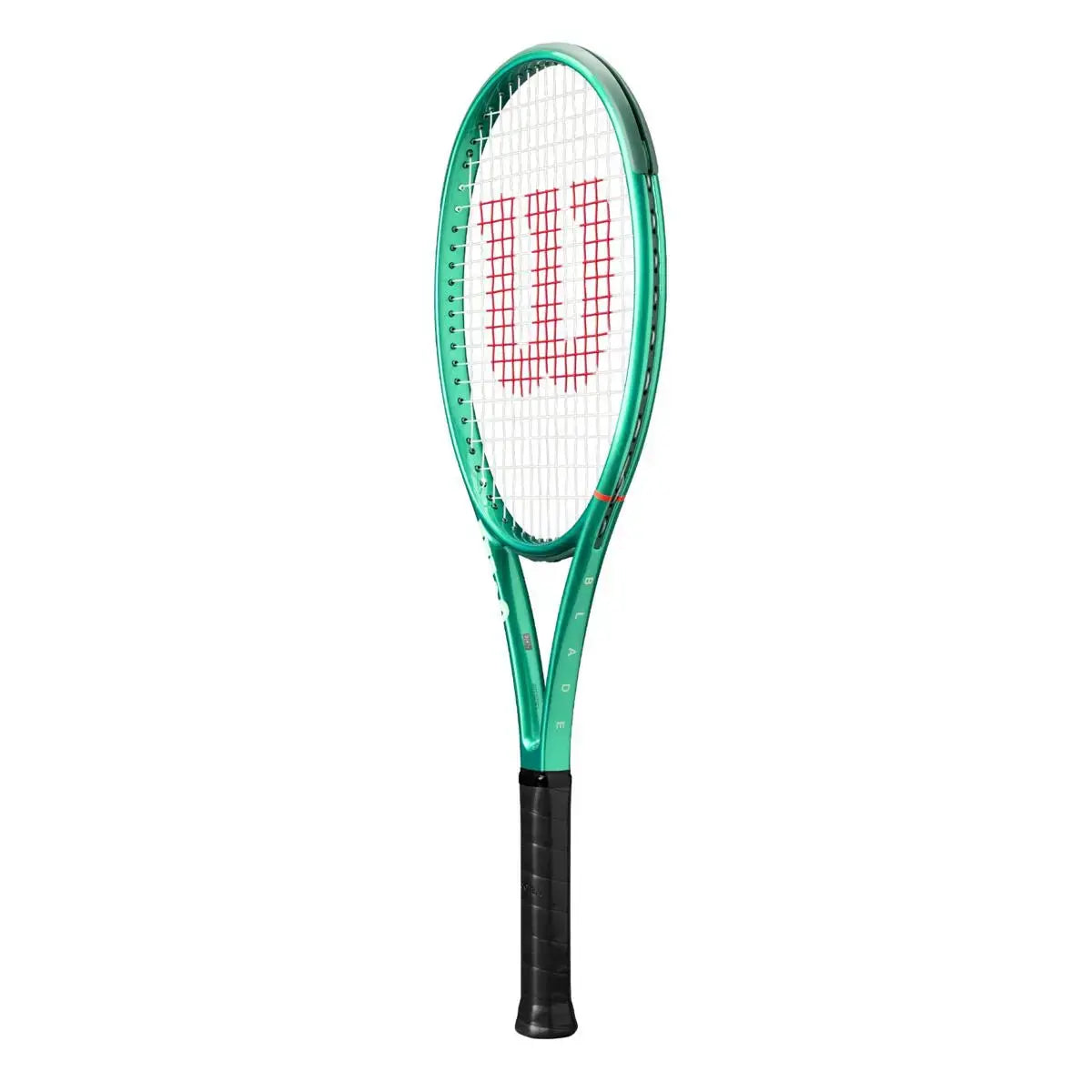
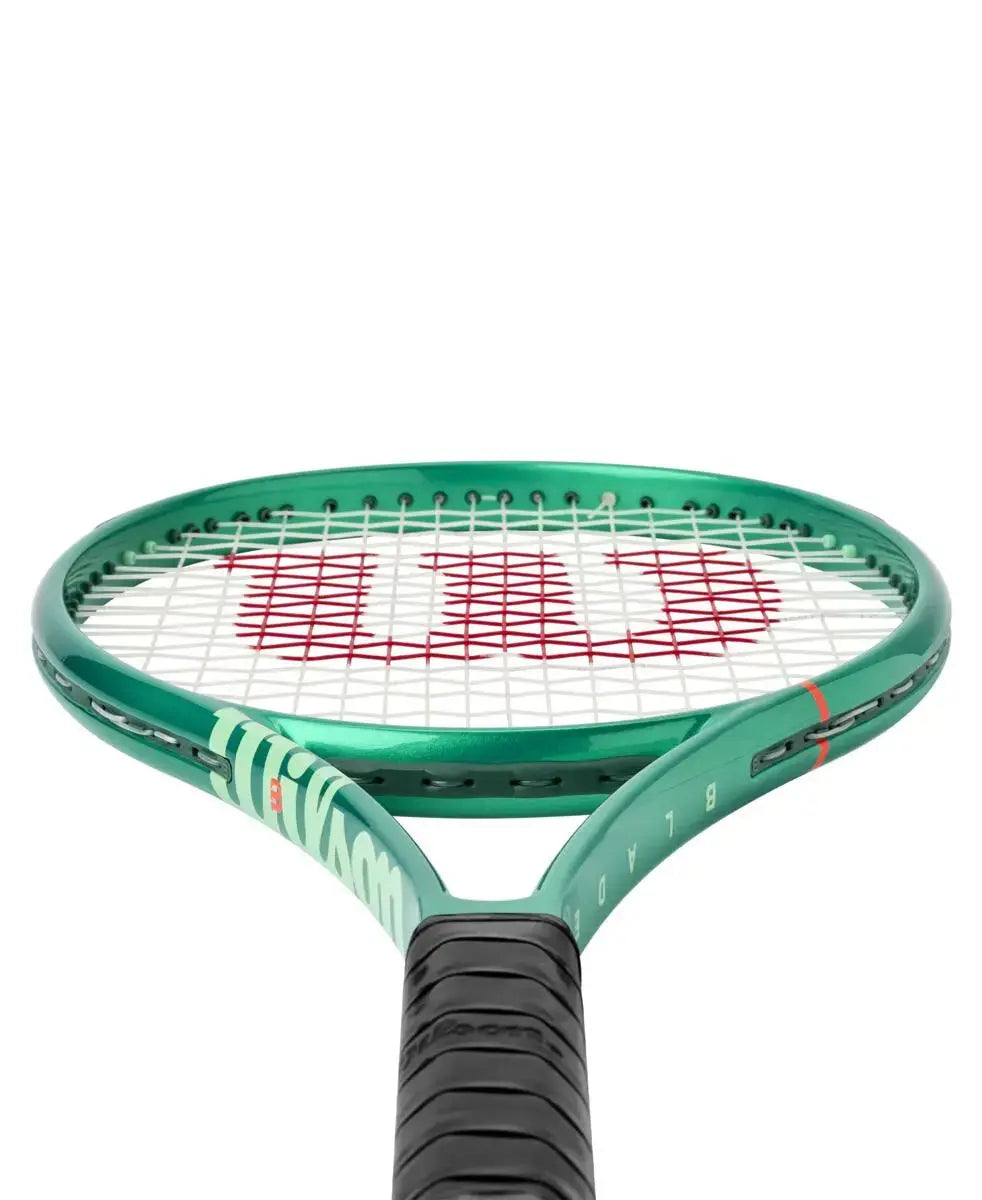
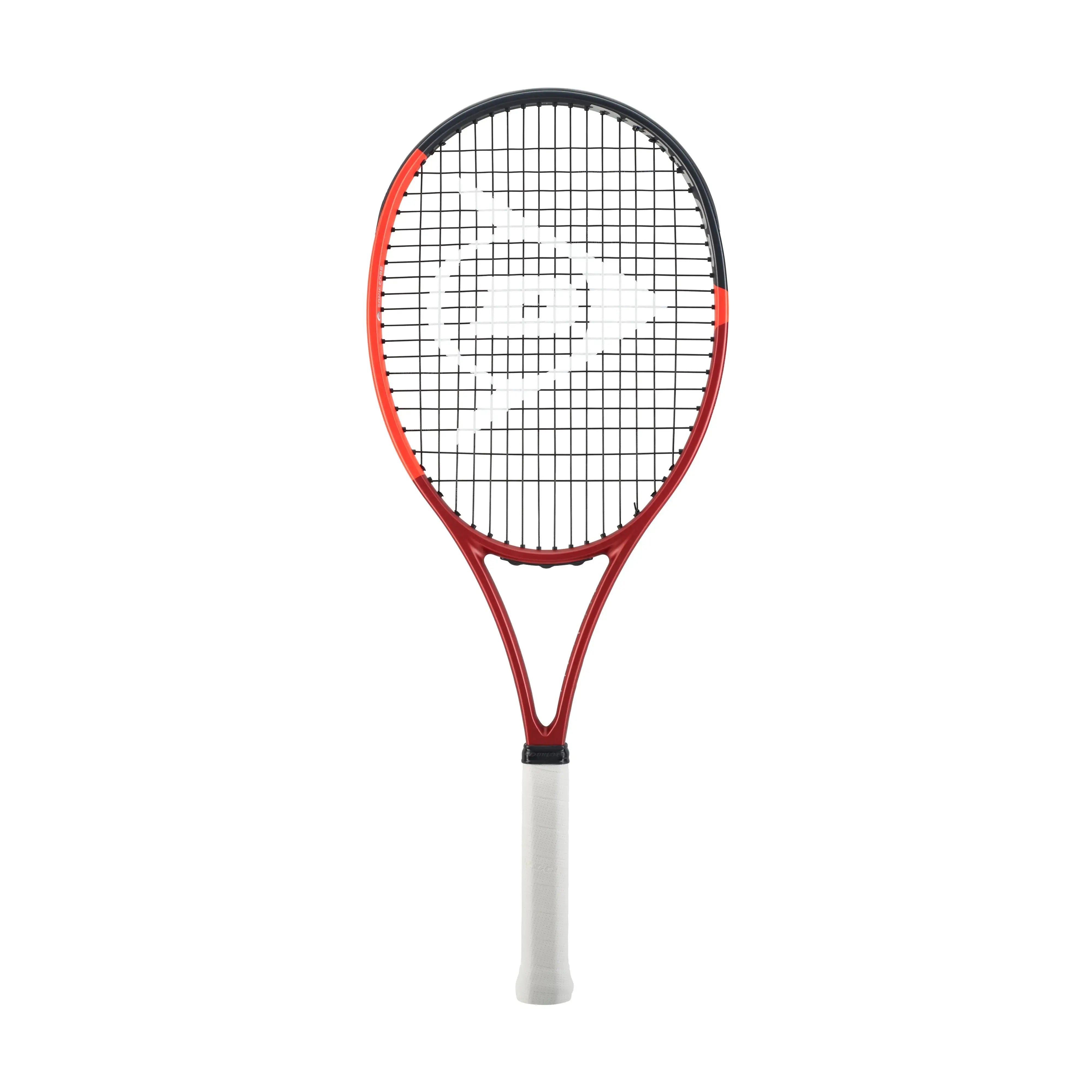
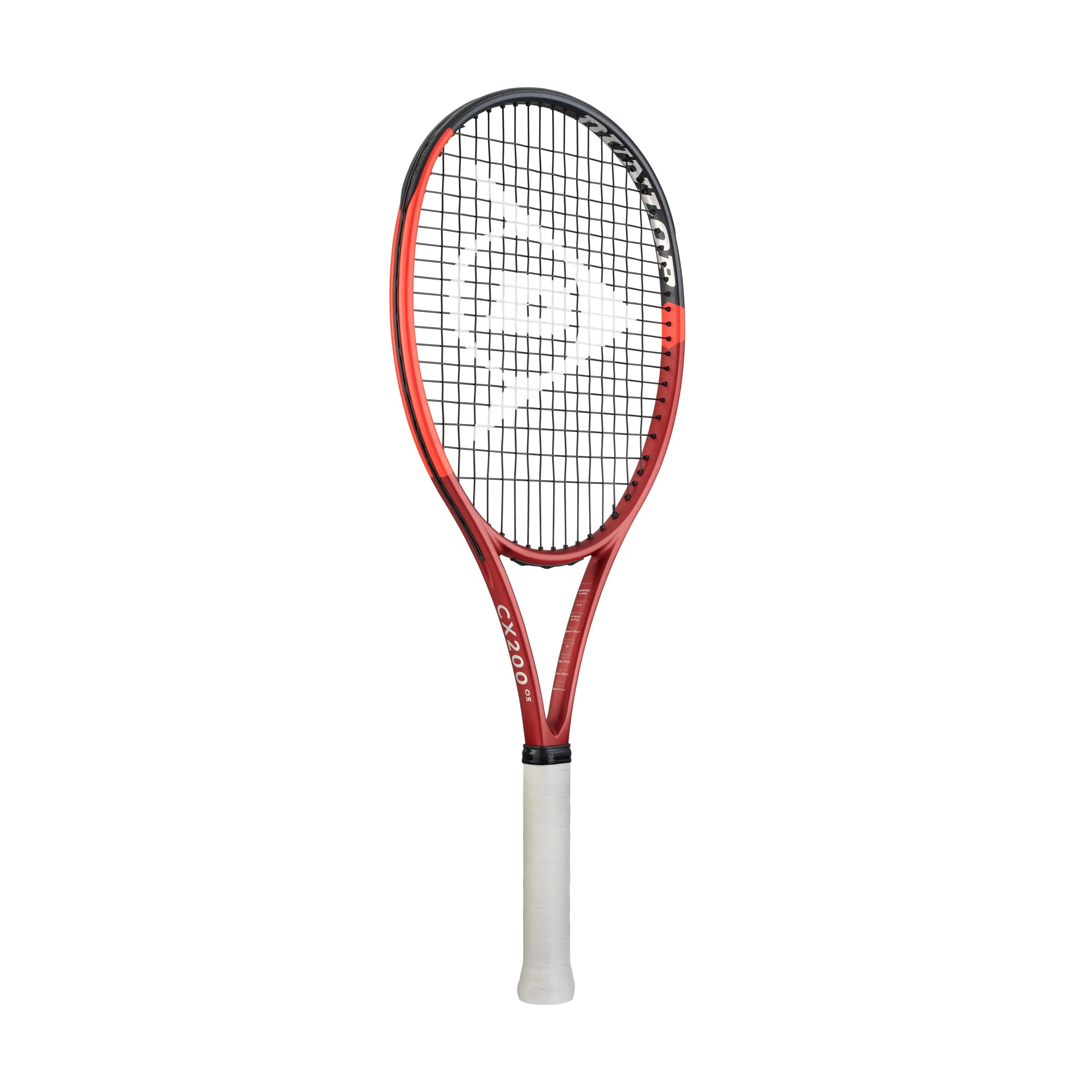
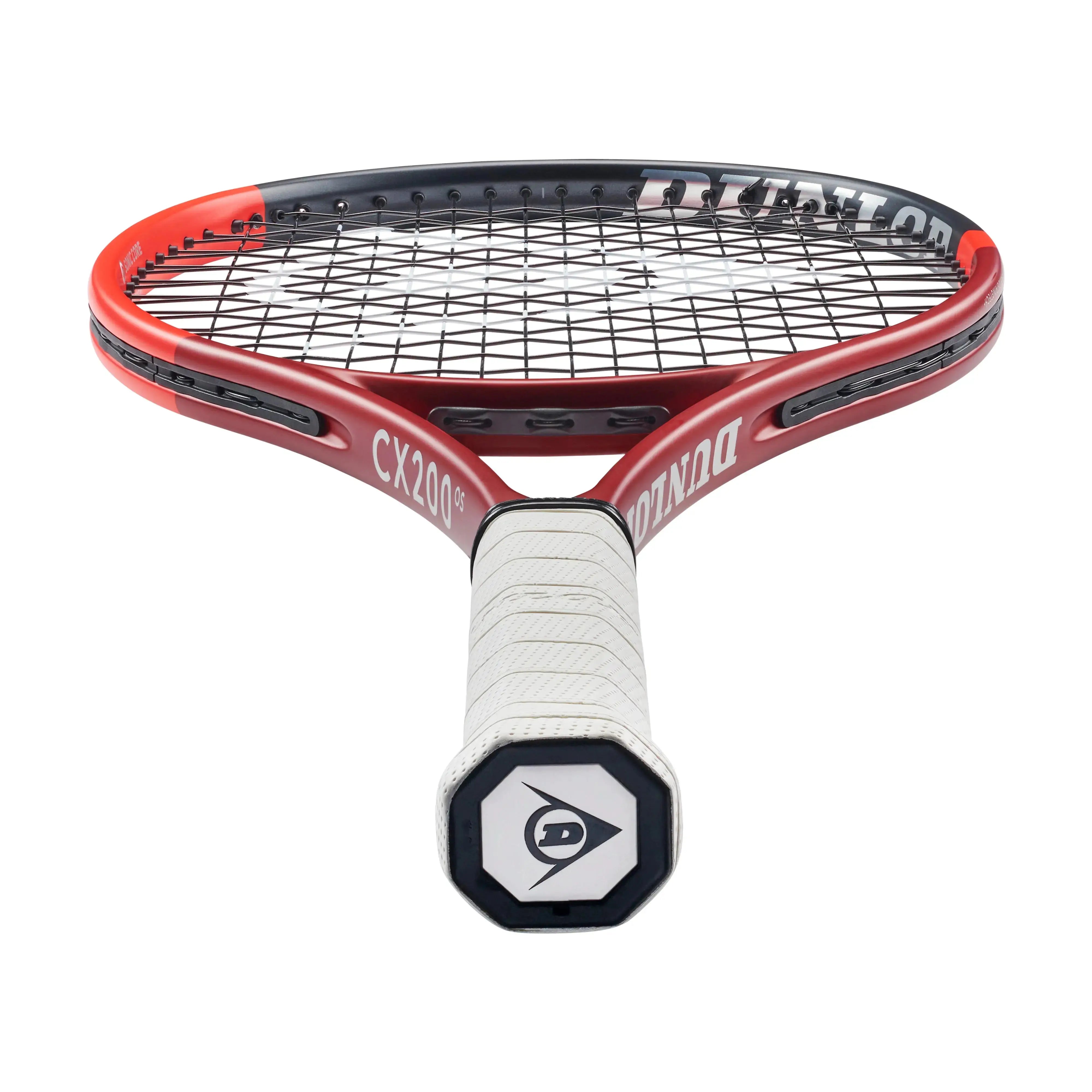
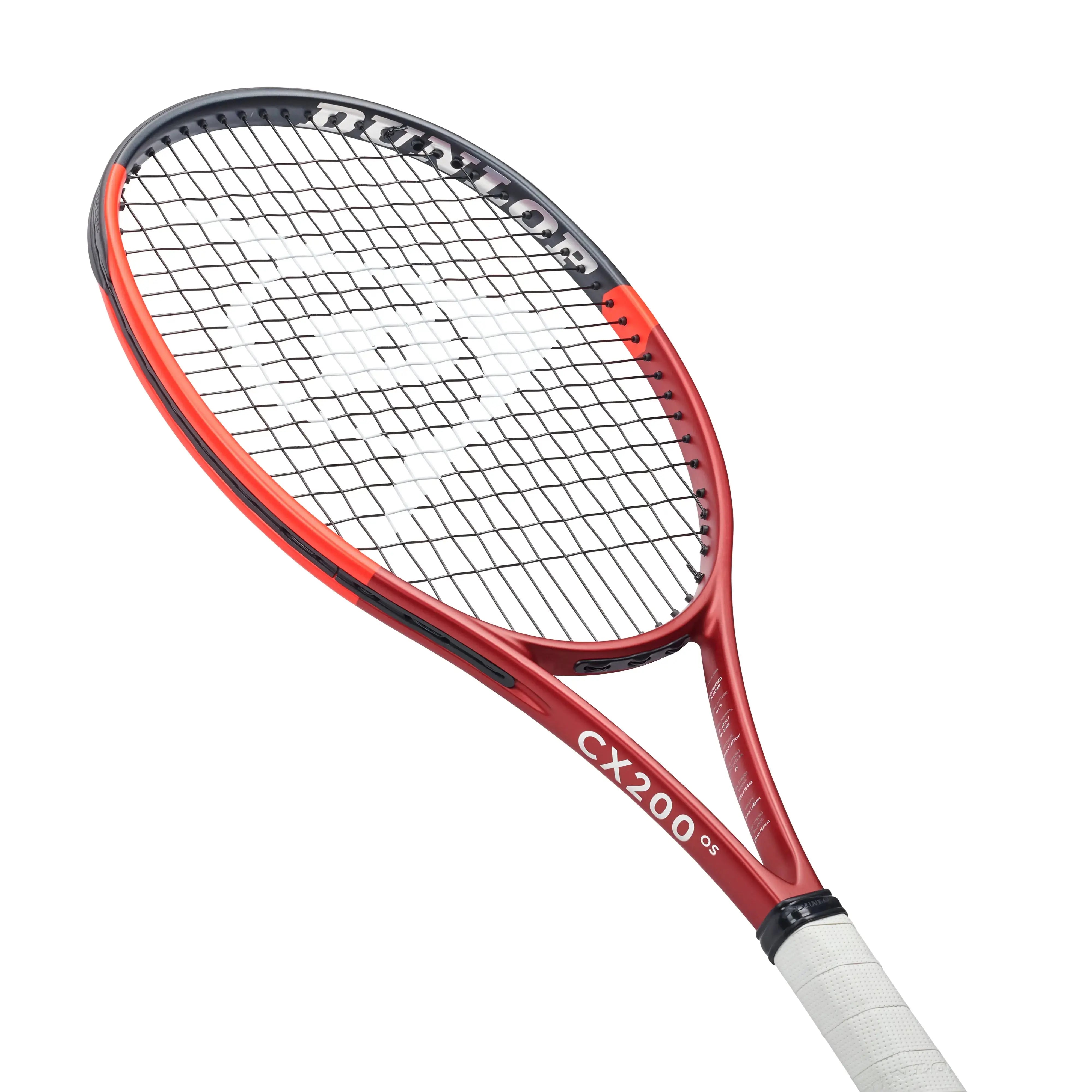
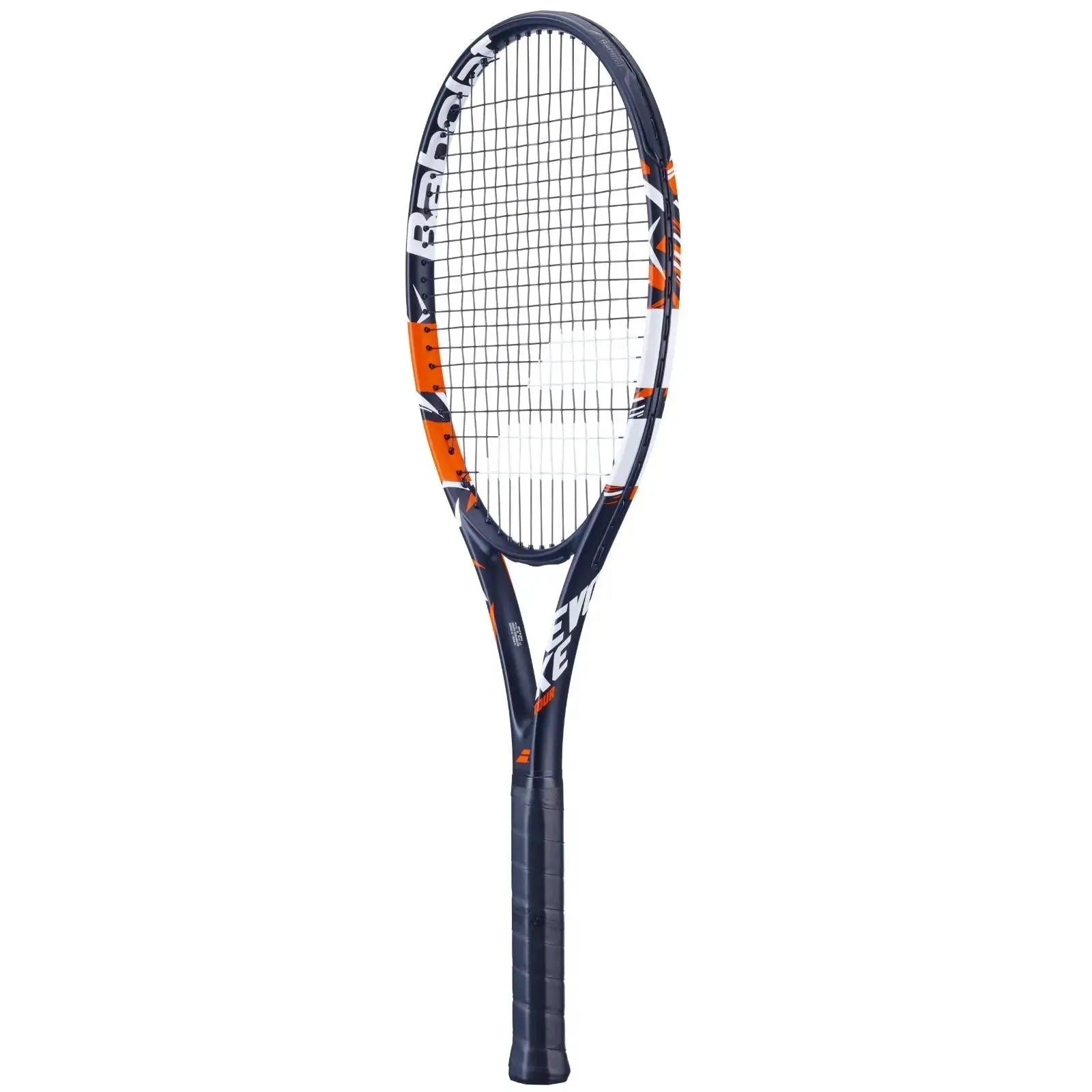
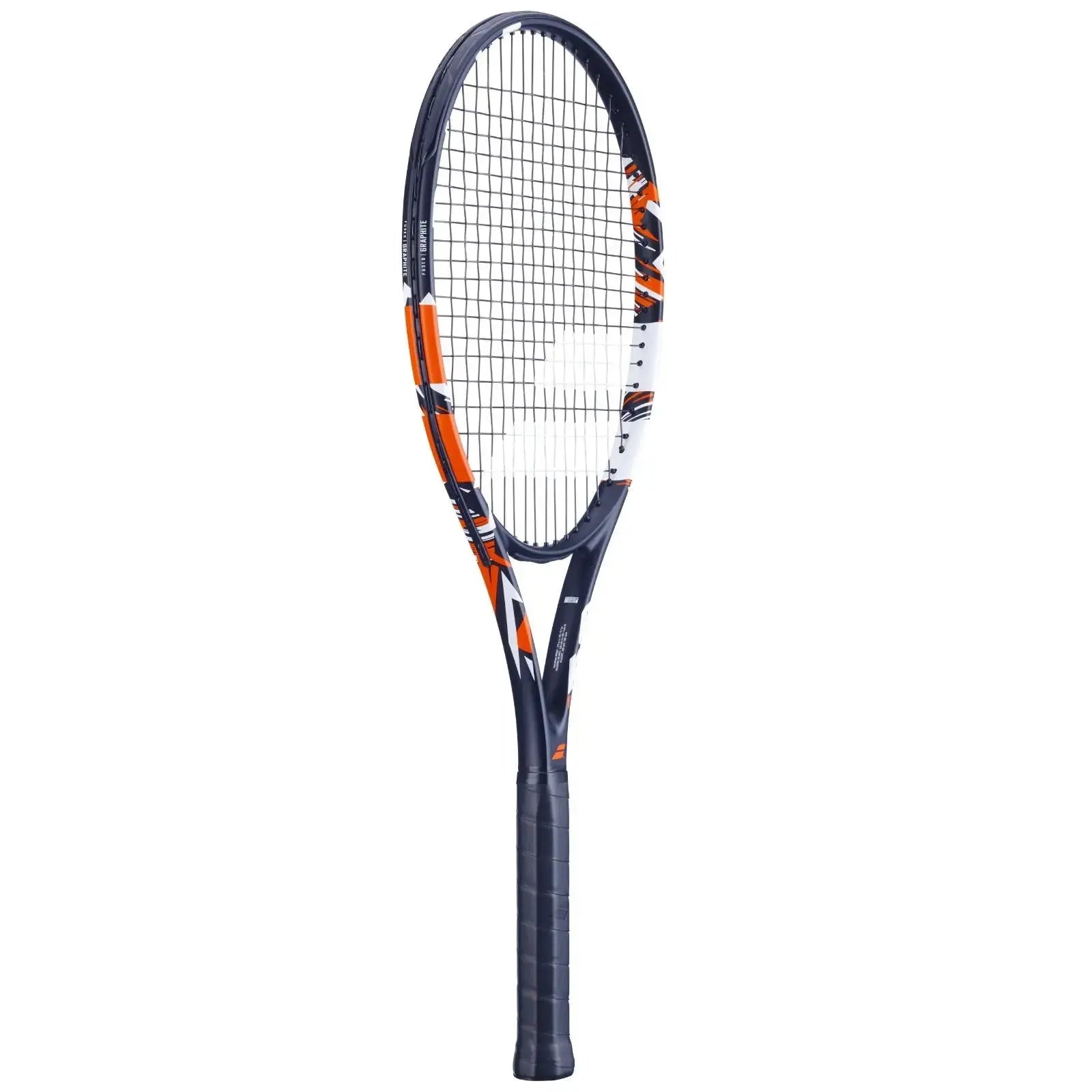
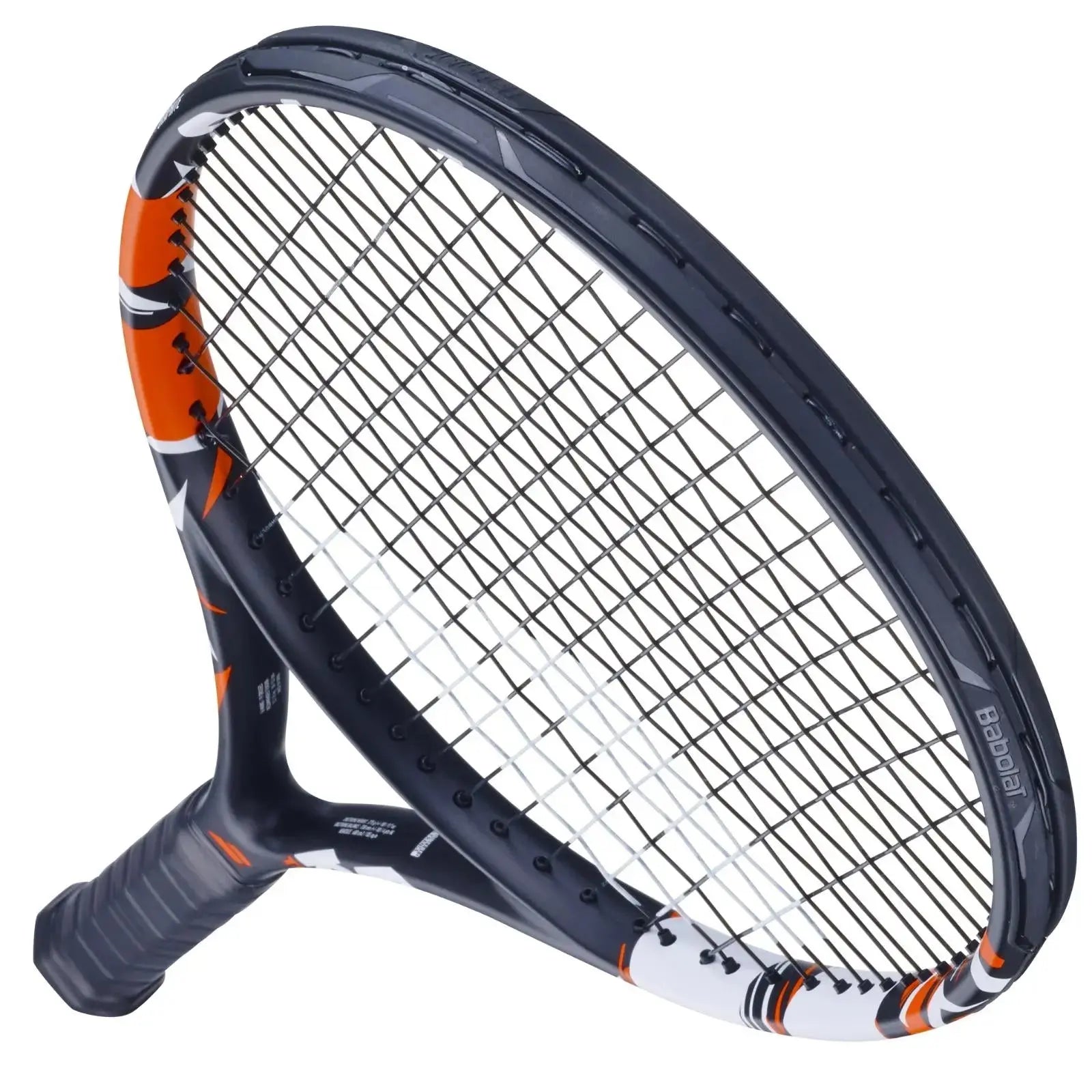
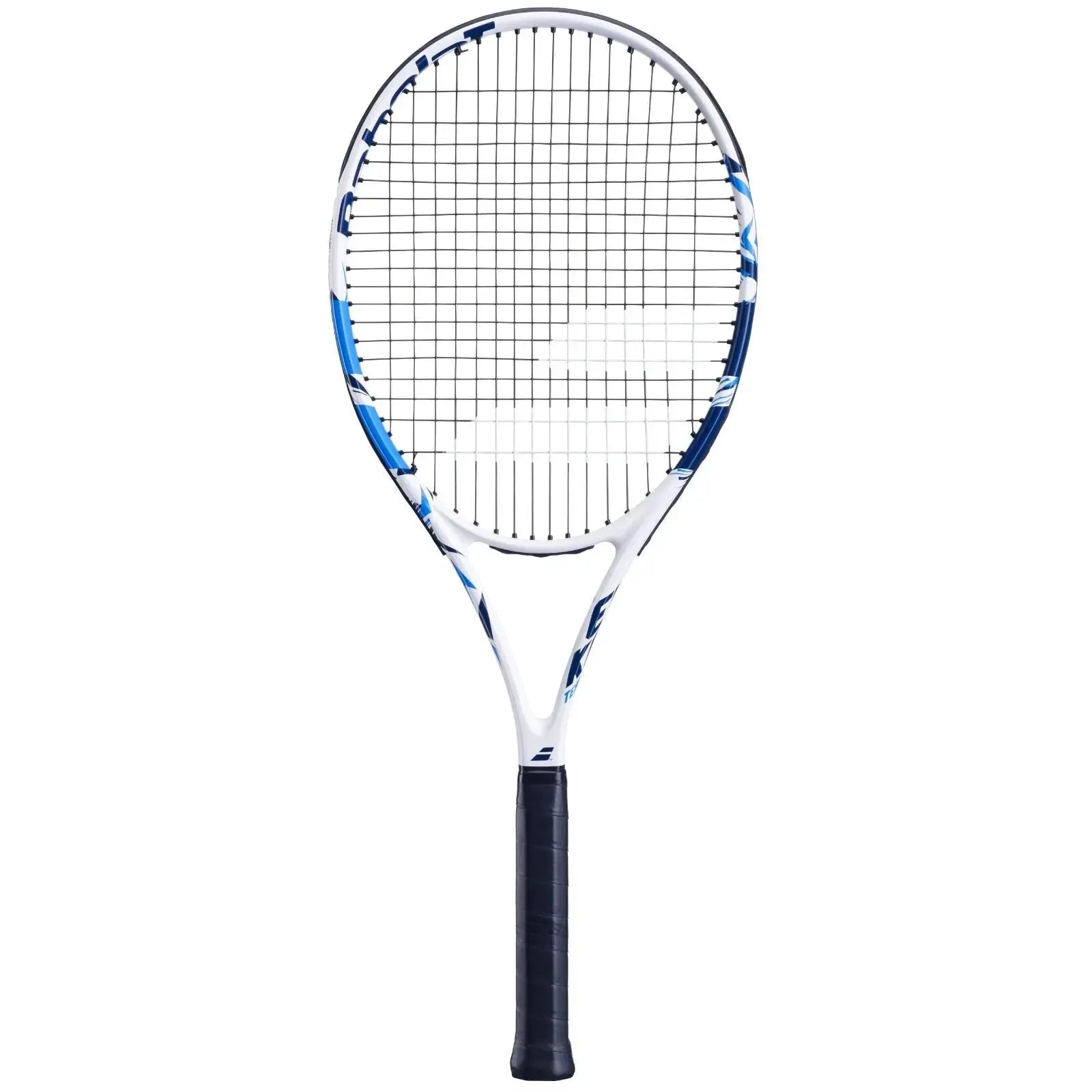
Beginner Tennis Racquets
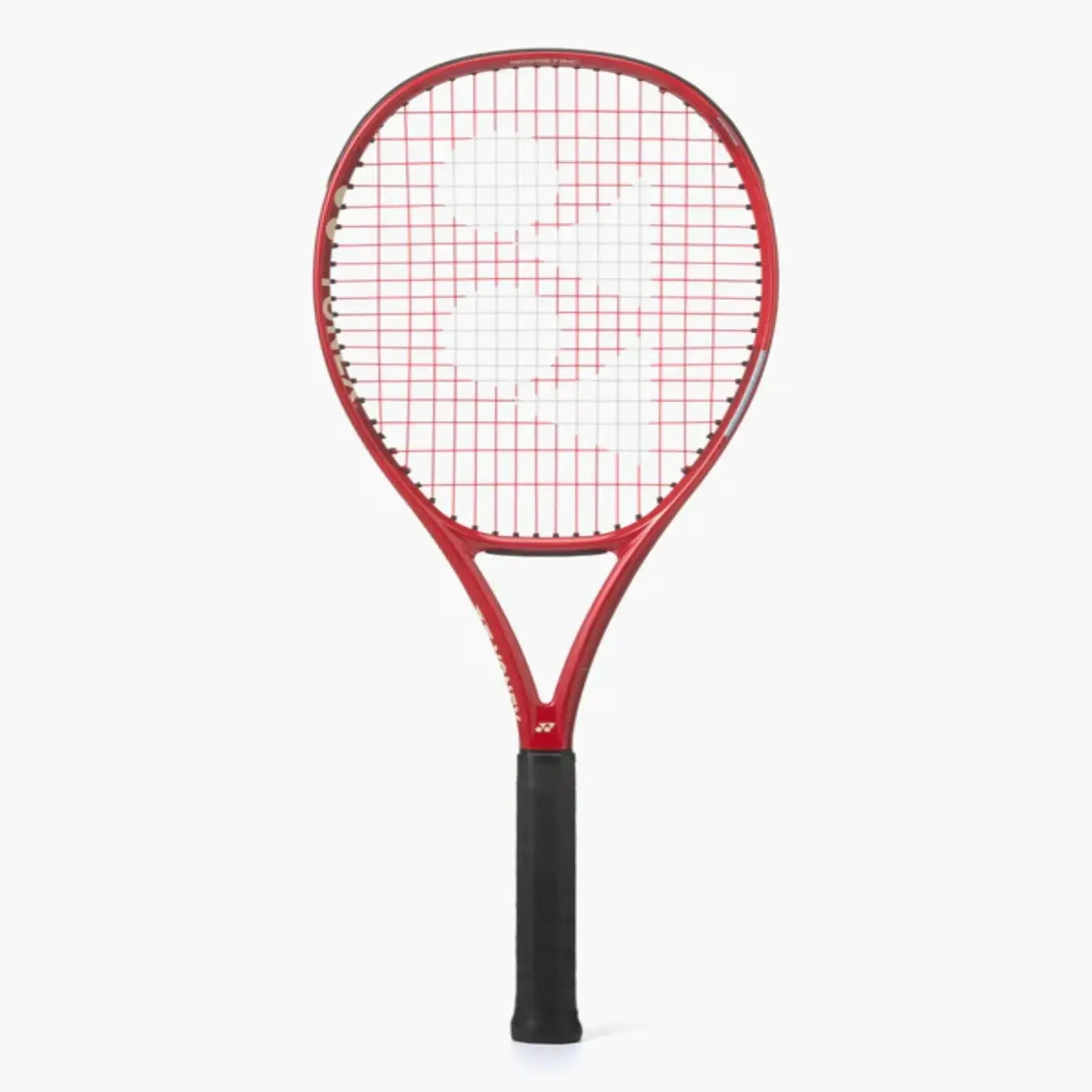
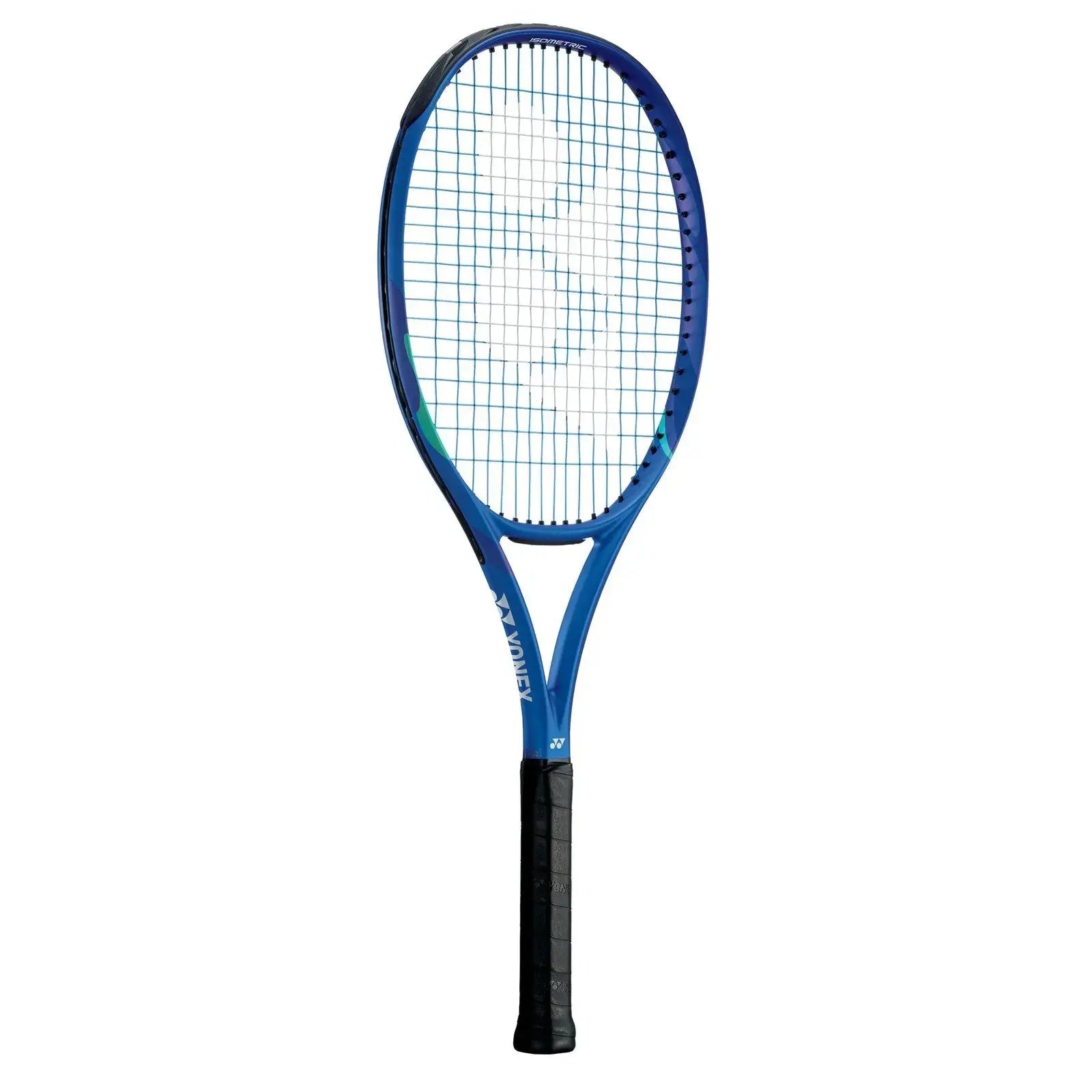
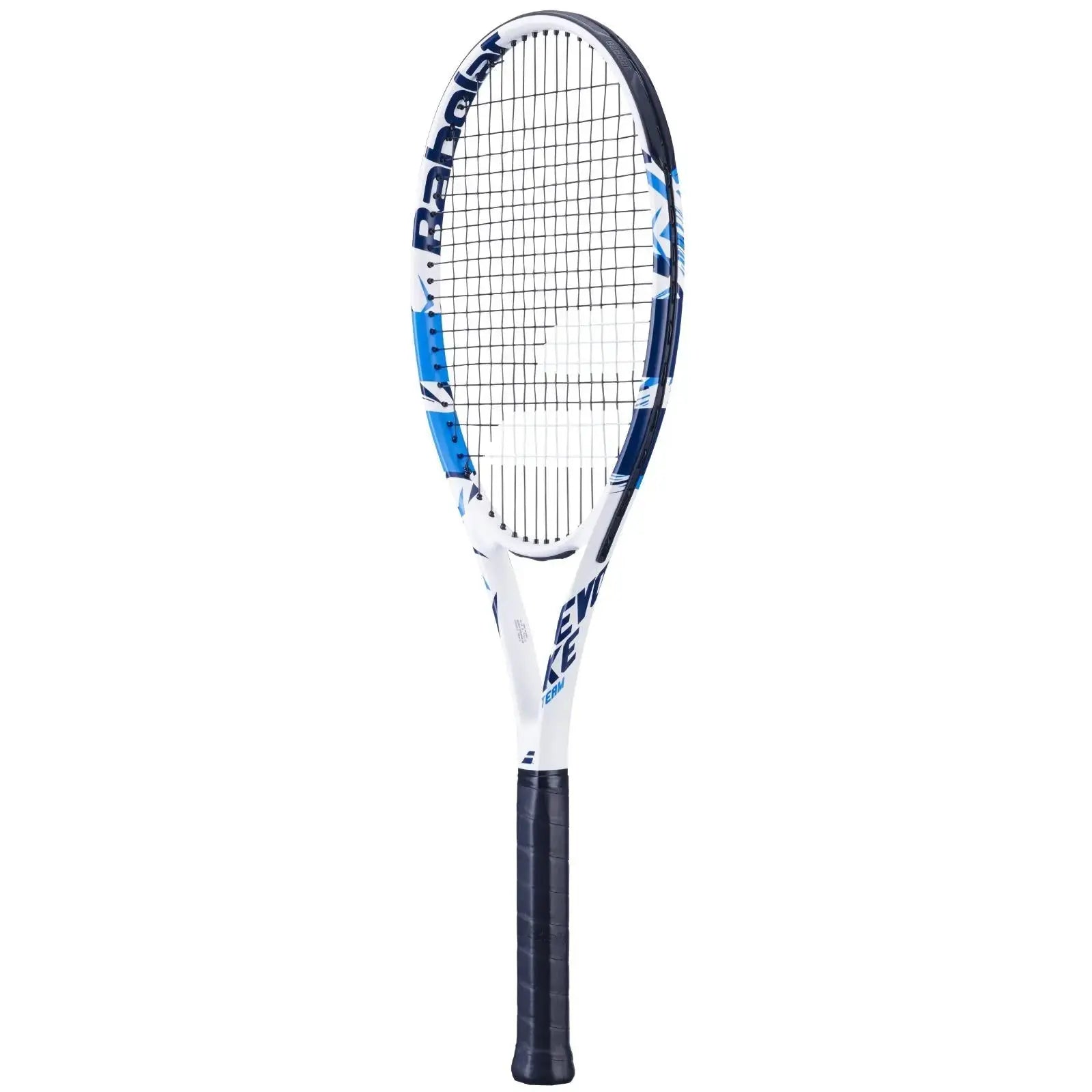
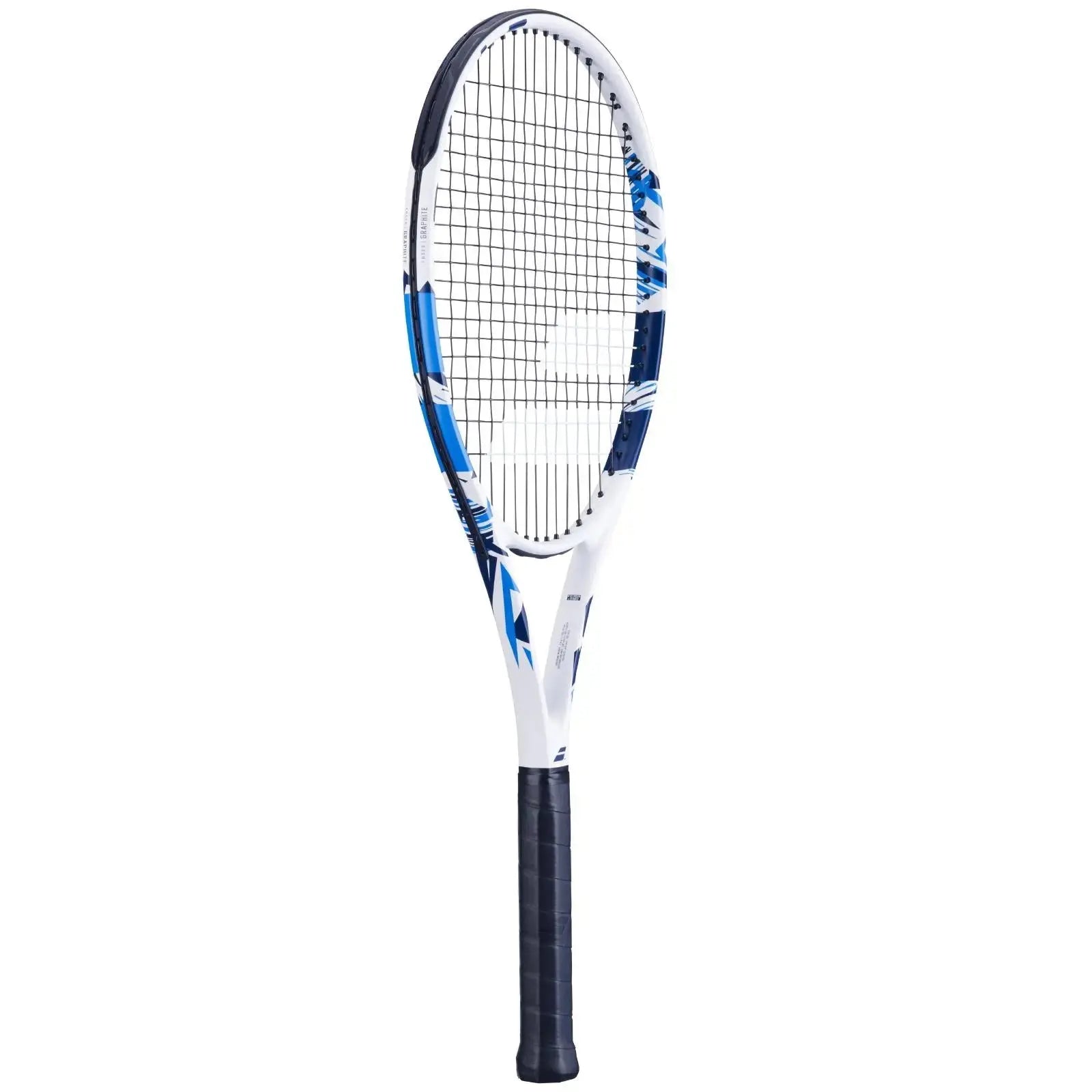
New to tennis? You need a racquet that helps you, not one that fights you. Beginner racquets are made to be easy. They’re lighter, they have a bigger hitting area, and they give you more power without you having to swing super hard. Think of them like training wheels — they make the hard parts easier while you’re still learning.
What makes a racquet beginner-friendly?
Beginner racquets aren’t about being cheap. They’re about being forgiving. That means when you don’t hit the ball perfectly in the middle (and you won’t, at first — nobody does), the racquet still helps you get it over the net.
Here’s what to look for, and what each thing actually means:
-
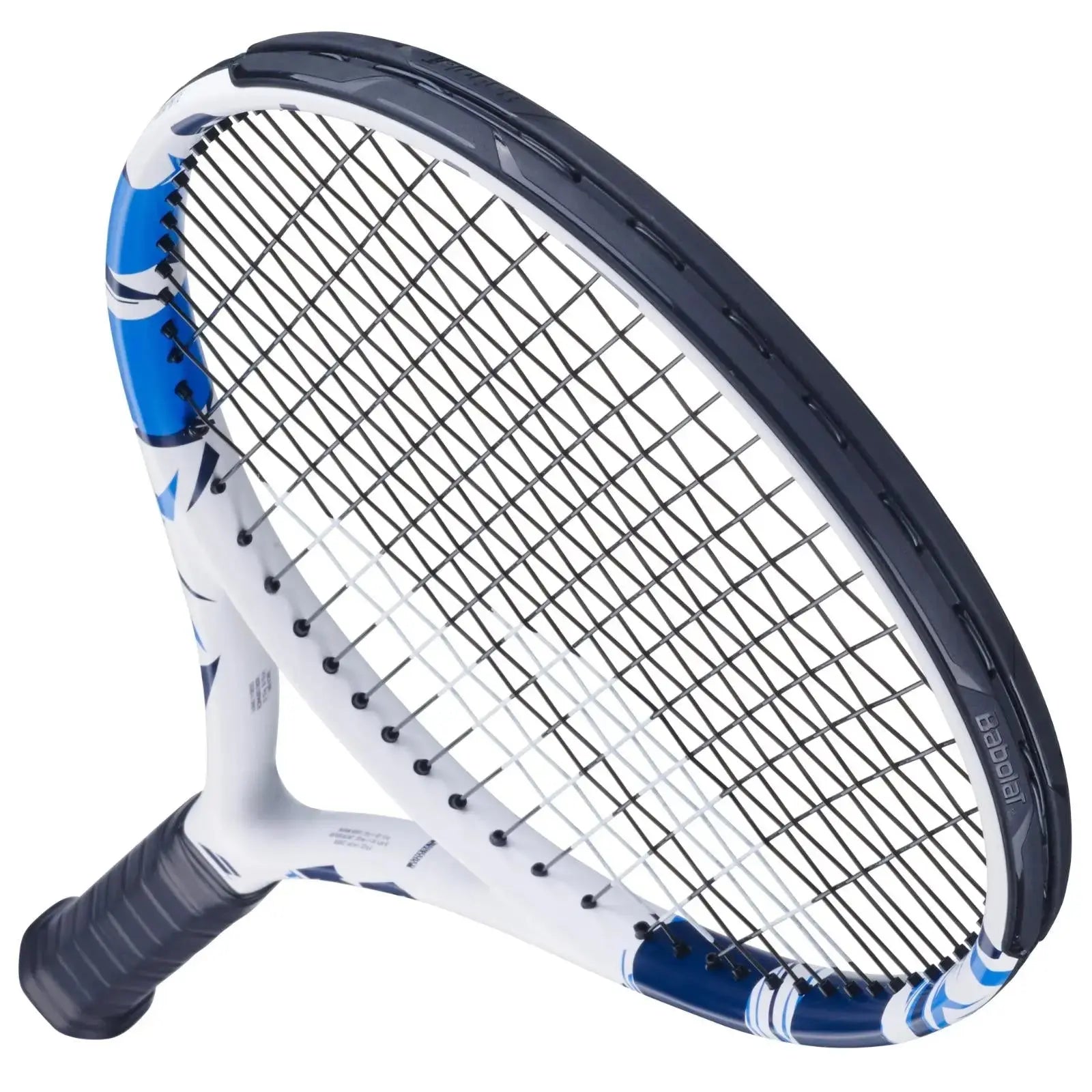
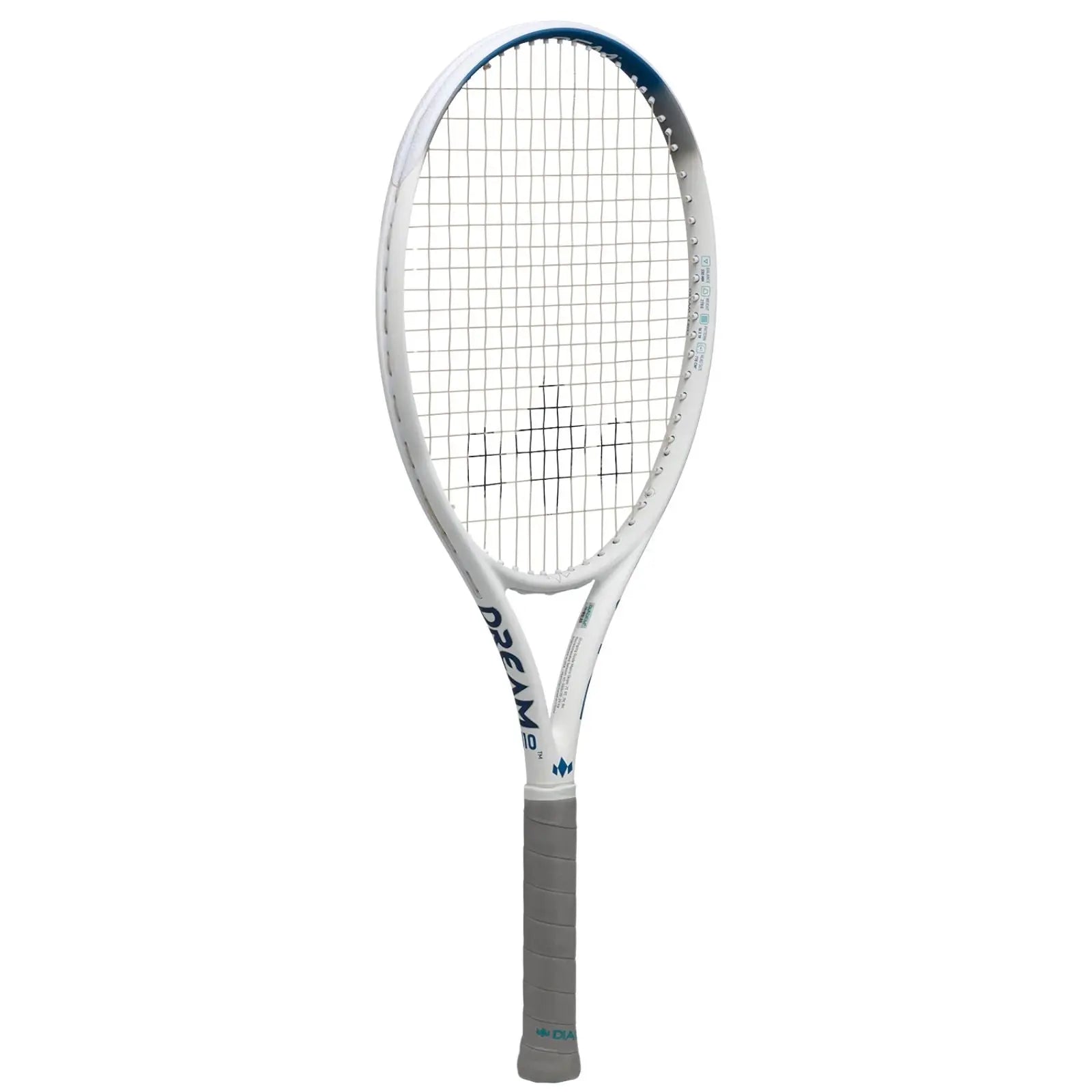
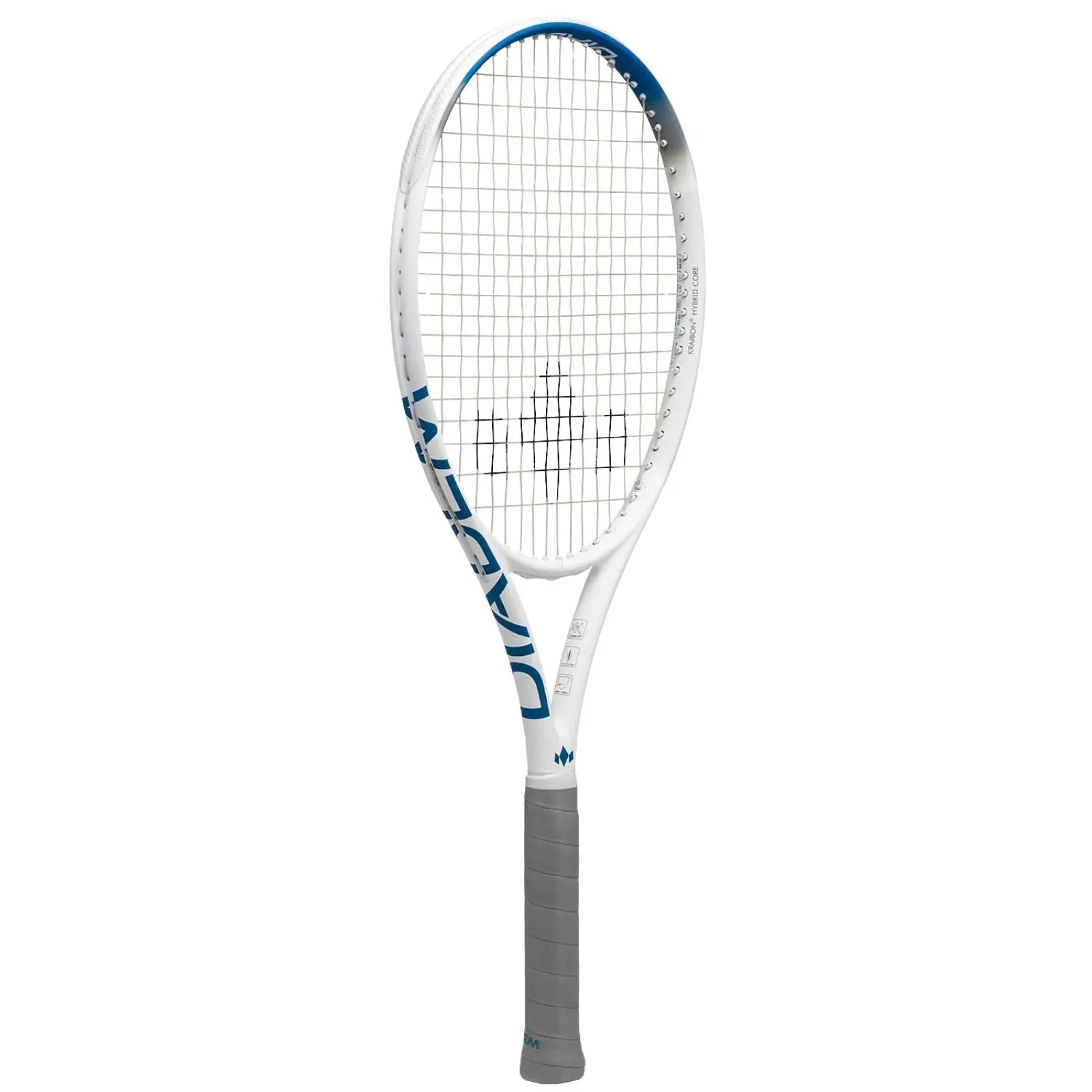
Big head (105–115 sq in): The face of the racquet is large, so you’ve got more space to hit the ball. Bigger target = more chance of a good hit.
-
Light weight (255–275g): Easy to swing around. Your arm won’t get tired and you can react faster.
-
Head-heavy: Most of the weight sits in the top of the racquet, so the racquet does the work. You don’t need a fast swing — the racquet adds the power.
-
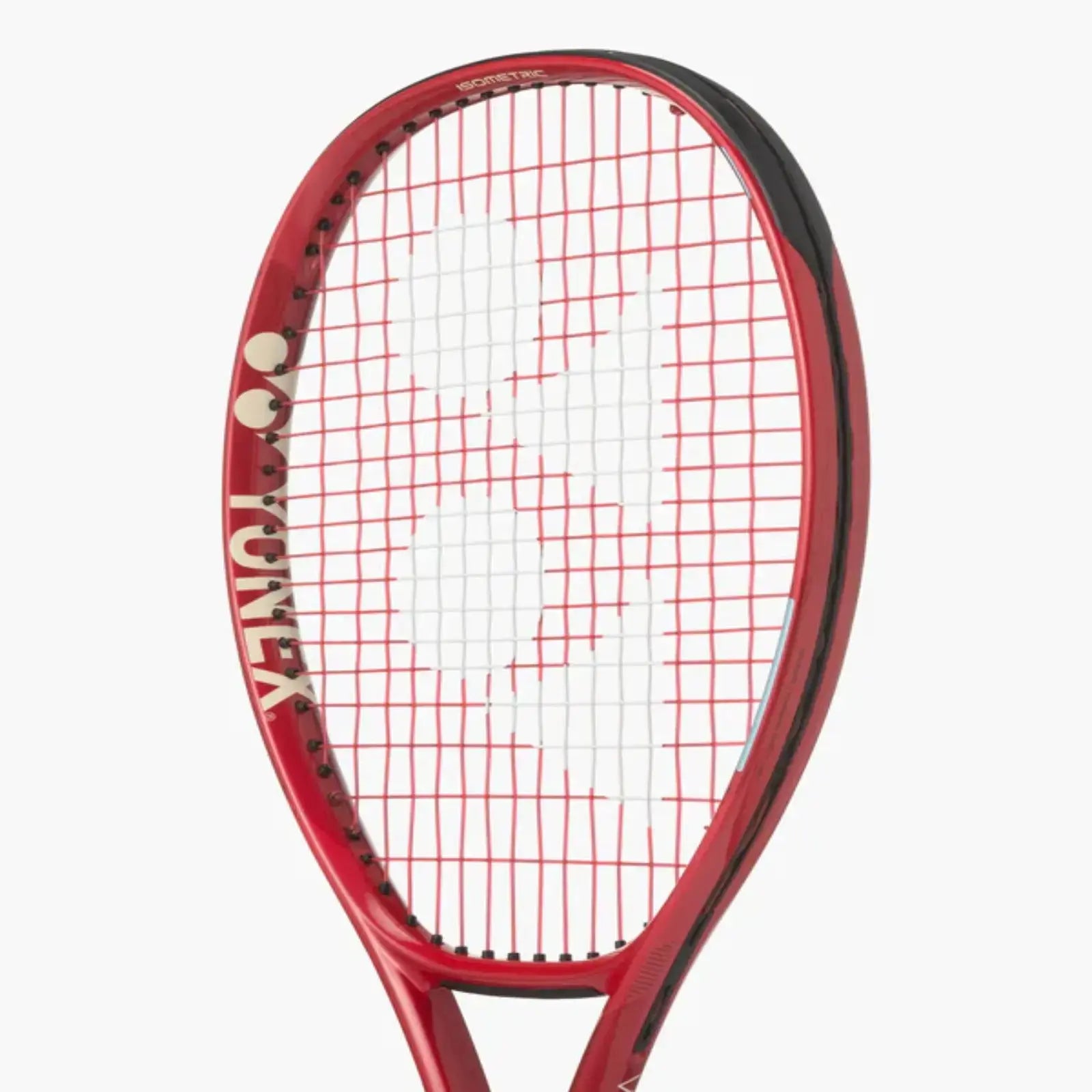
Open string pattern (16x19): Fewer strings = more bounce off the strings = more power and spin.
-
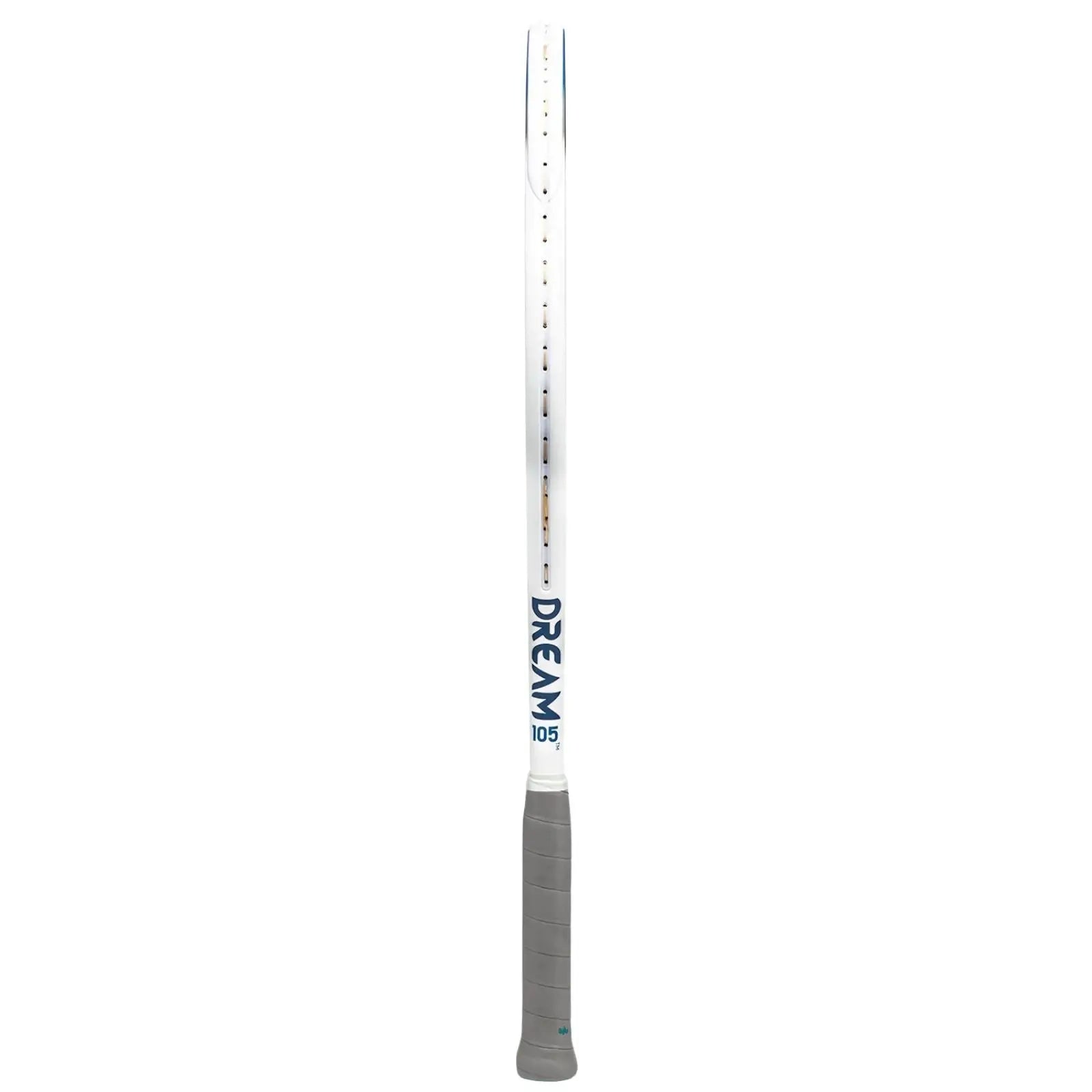
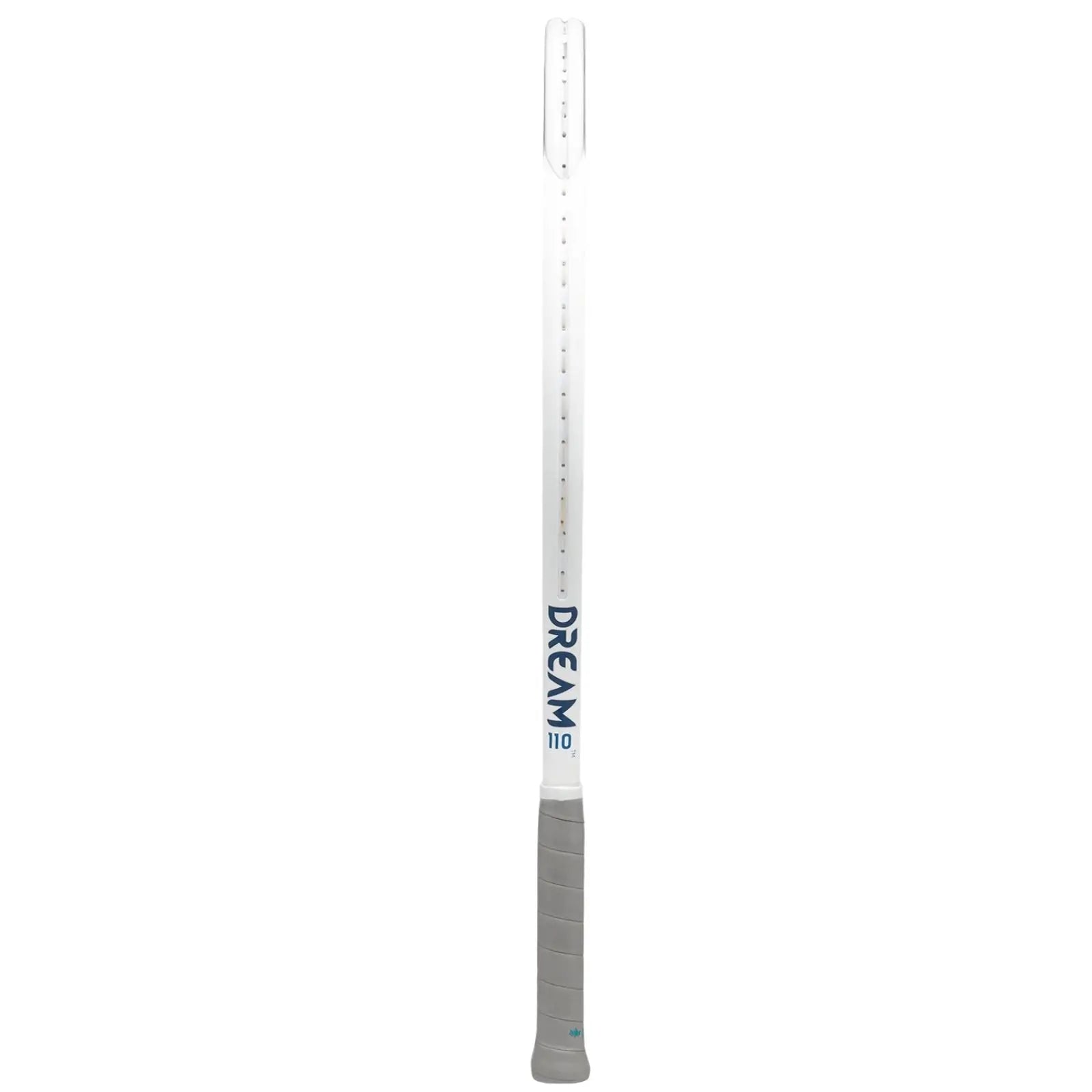
Thicker frame: Stiffer frames give you more “pop” without needing extra effort.
All these things working together mean one thing: you can have fun from your very first hit.
Is a beginner racquet right for you?
Yes, if you’re:
- Picking up a racquet for the first time
- Just playing casually with friends or family
- Coming back to tennis after a long break
- A teen moving up from a smaller junior racquet
- Getting tennis elbow or sore arm from a heavier racquet
The rule of thumb: if you can’t hit deep, consistent shots yet, a beginner racquet will help you learn faster.
How do these compare to fancier racquets?
The categories aren’t about which is better. They’re about which one suits where you are right now:
-
Beginner racquets — Light, big head, gives you power. Easiest to use.
-
Intermediate racquets — A bit heavier, smaller head, more control. Good when you’ve been playing for a while.
-
Performance racquets — Heavy, small head, lots of control but YOU have to create the power. For experienced players.
Starting easy means you’ll improve faster. Move up when this racquet starts feeling too “springy” or you find it hard to control your shots.
Brands you can trust
We stock beginner racquets from the names every tennis player knows:
-
Wilson — The Clash and Burn racquets are super comfy and easy to swing
-
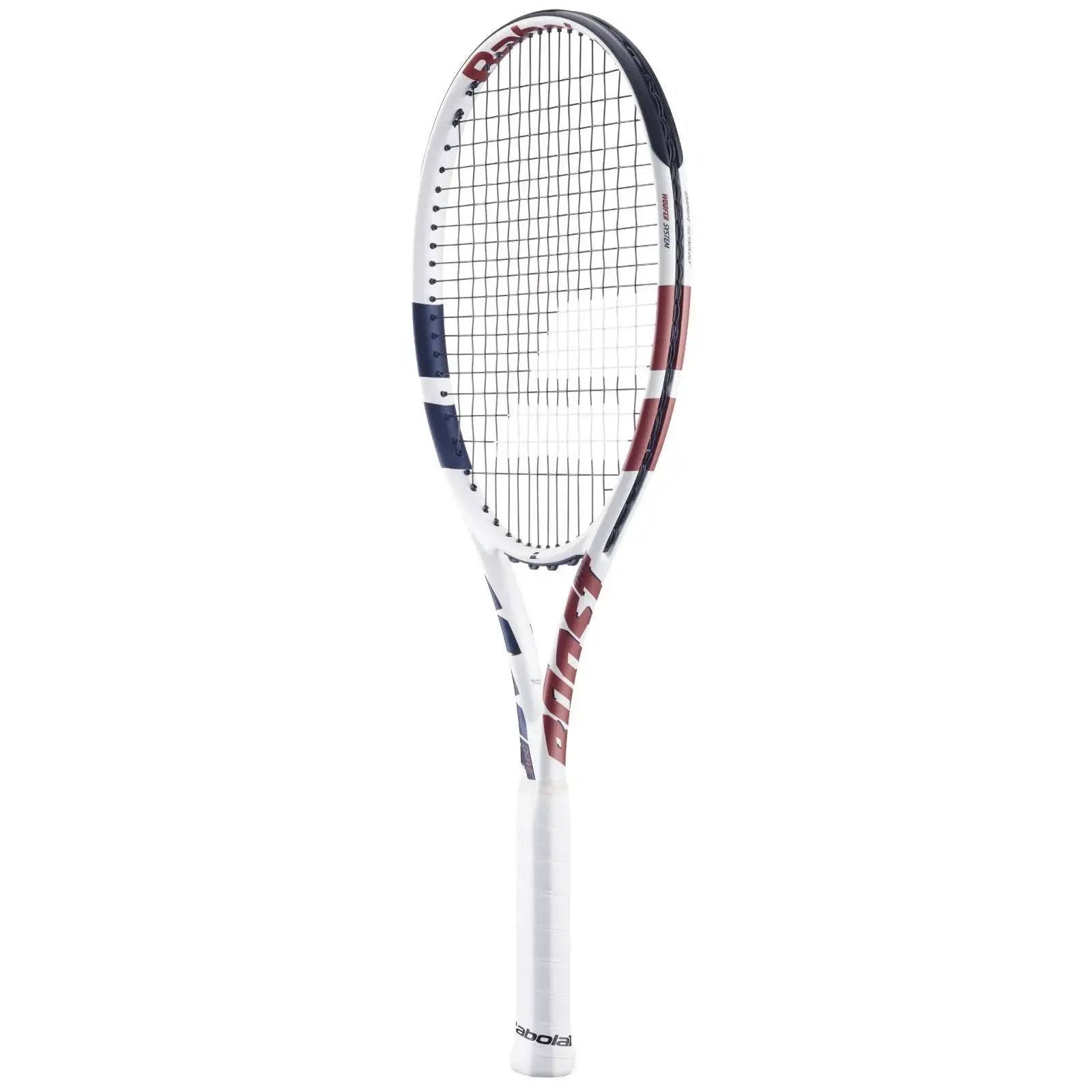
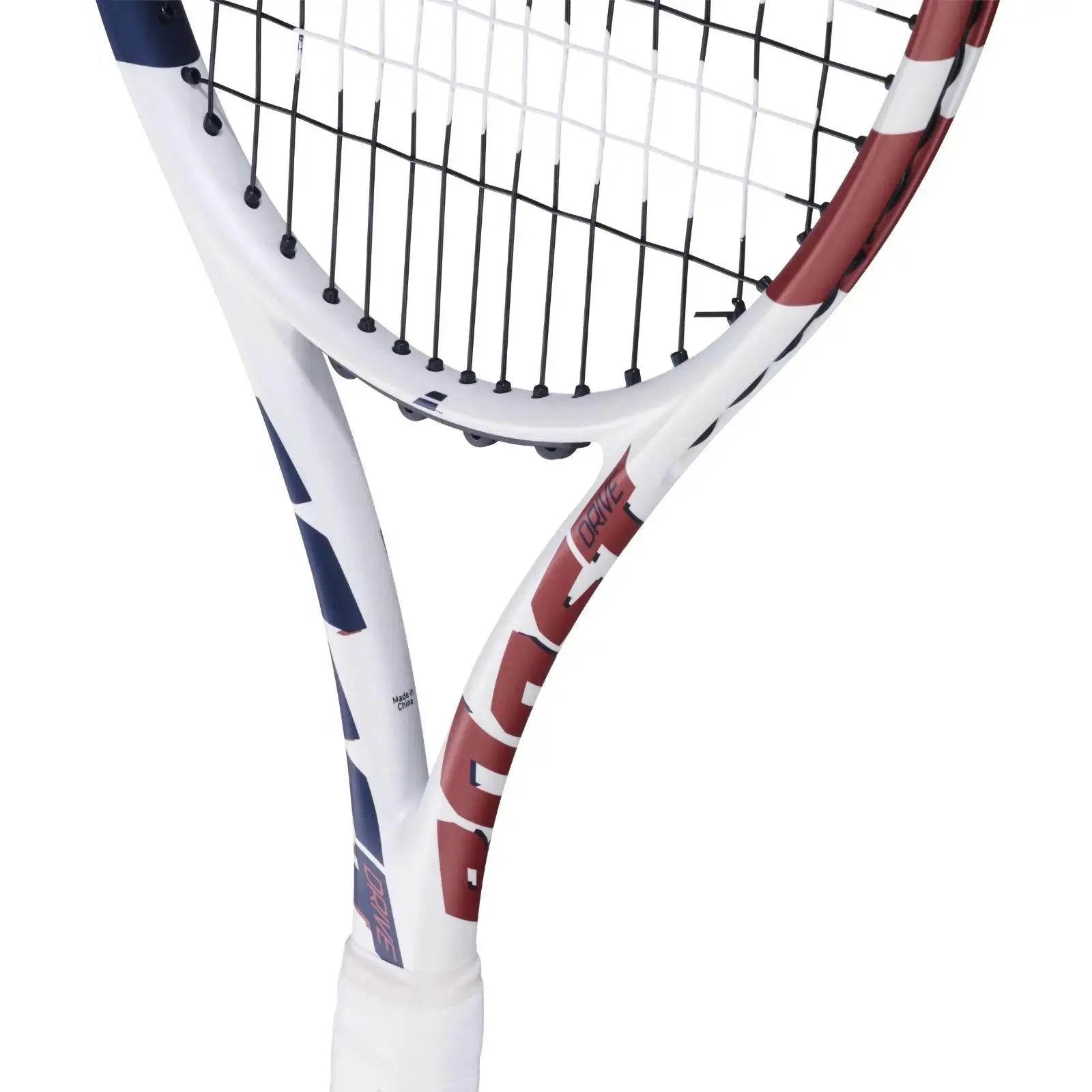
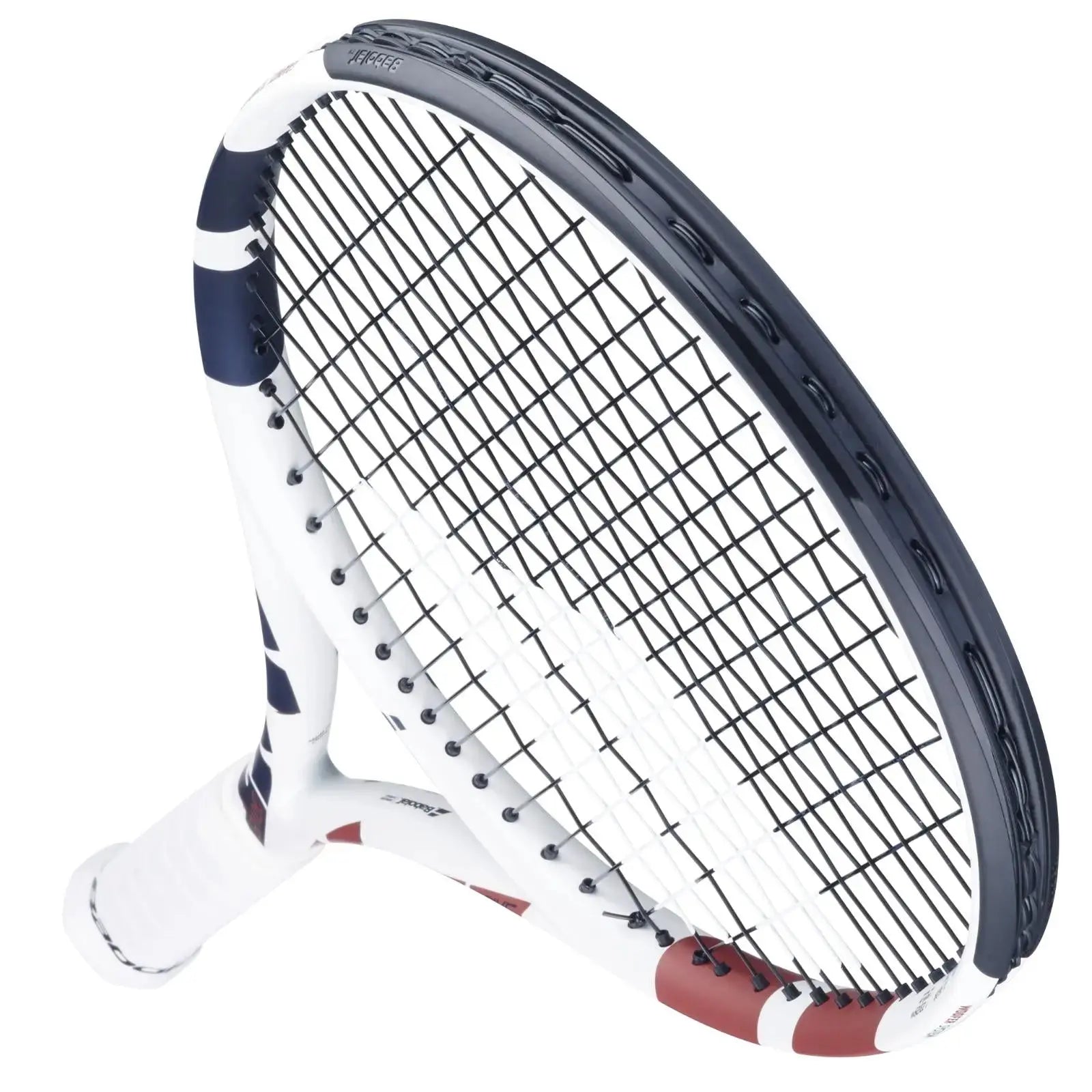
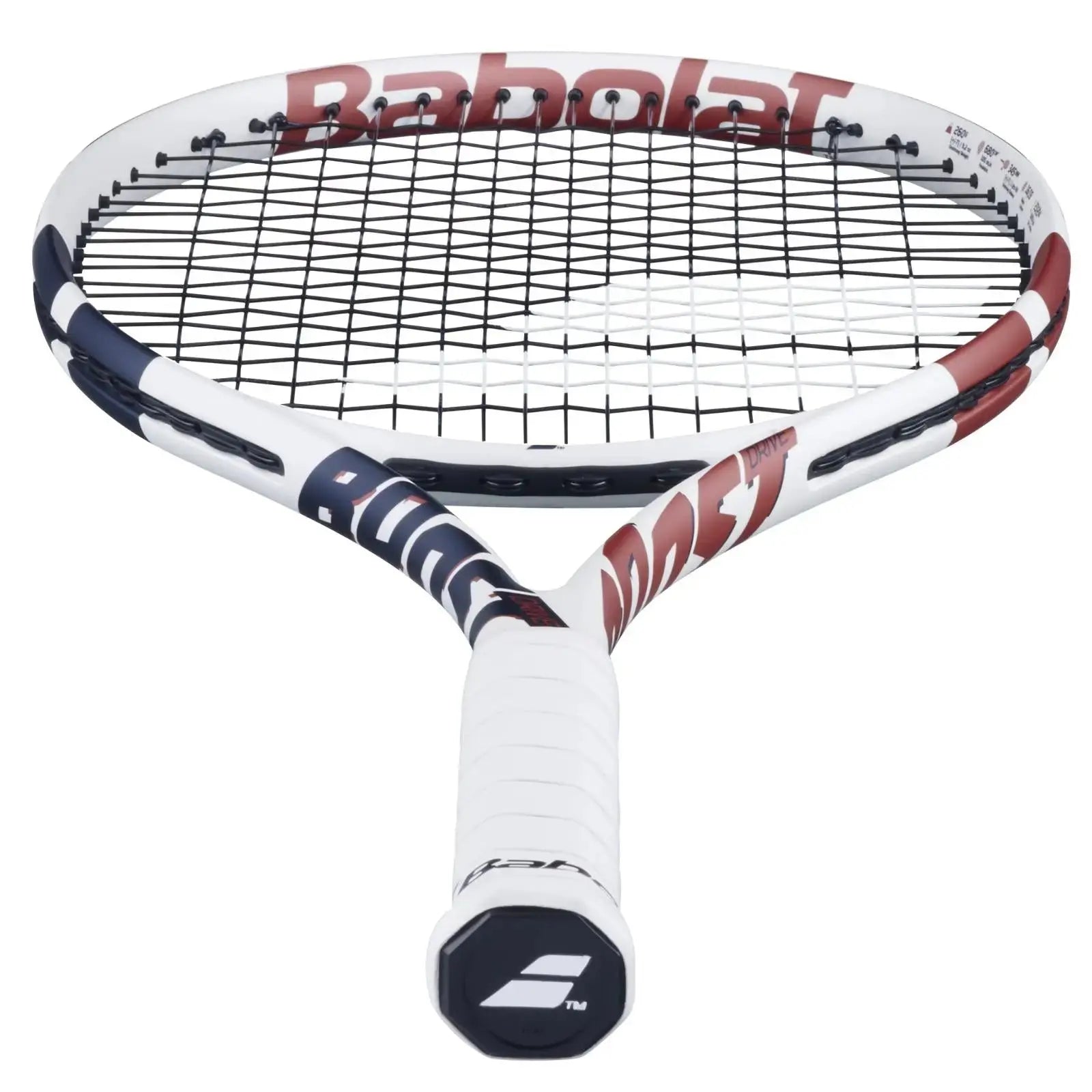
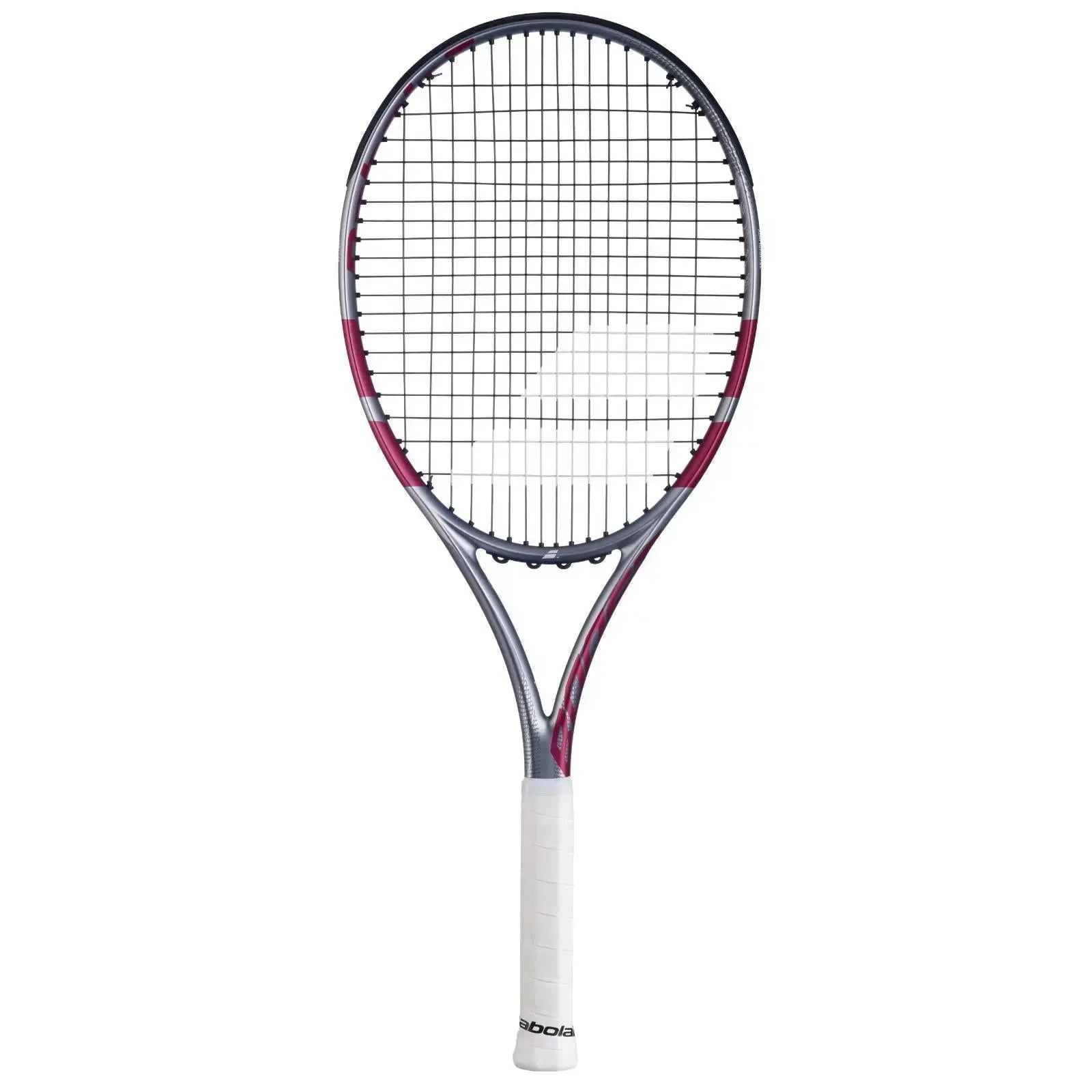
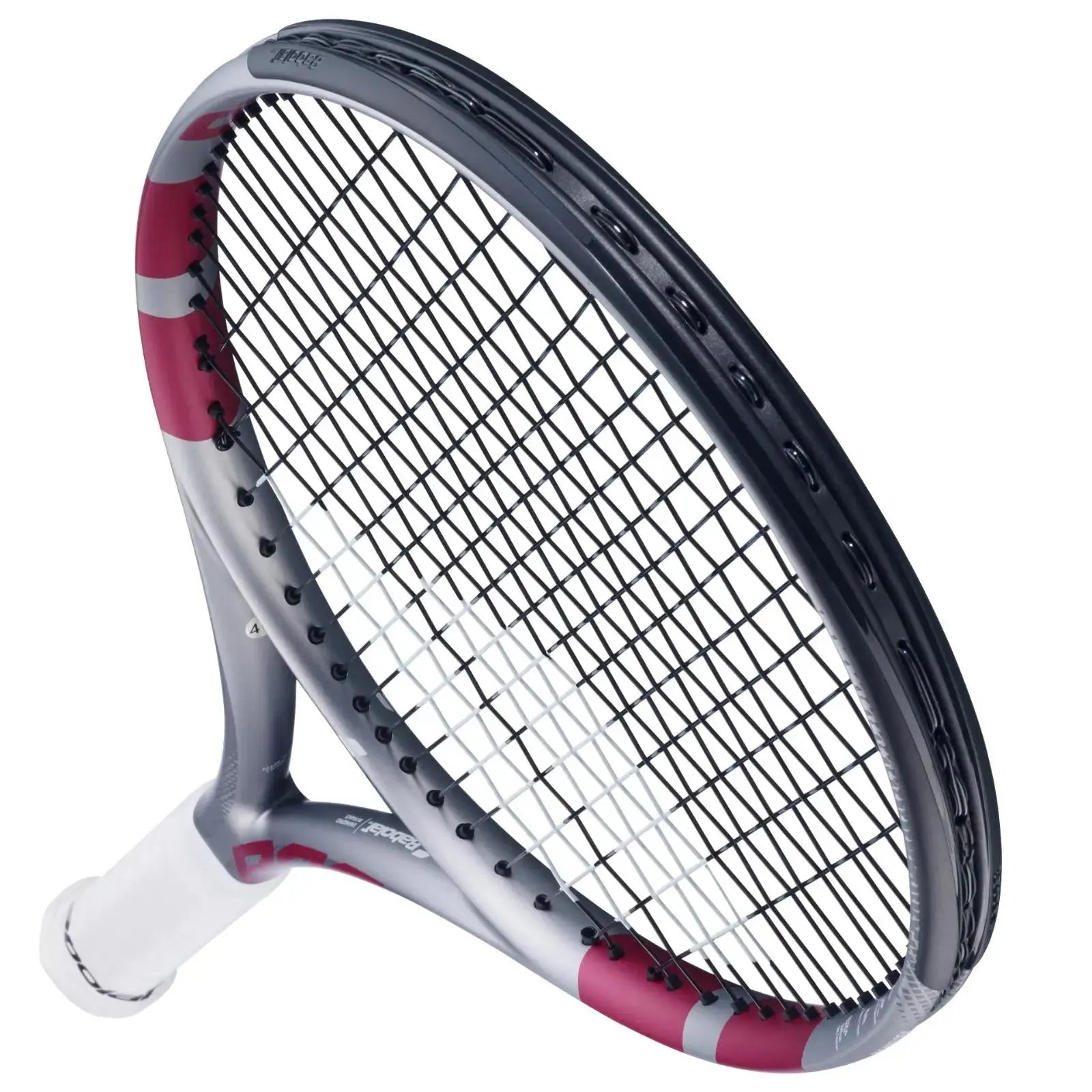
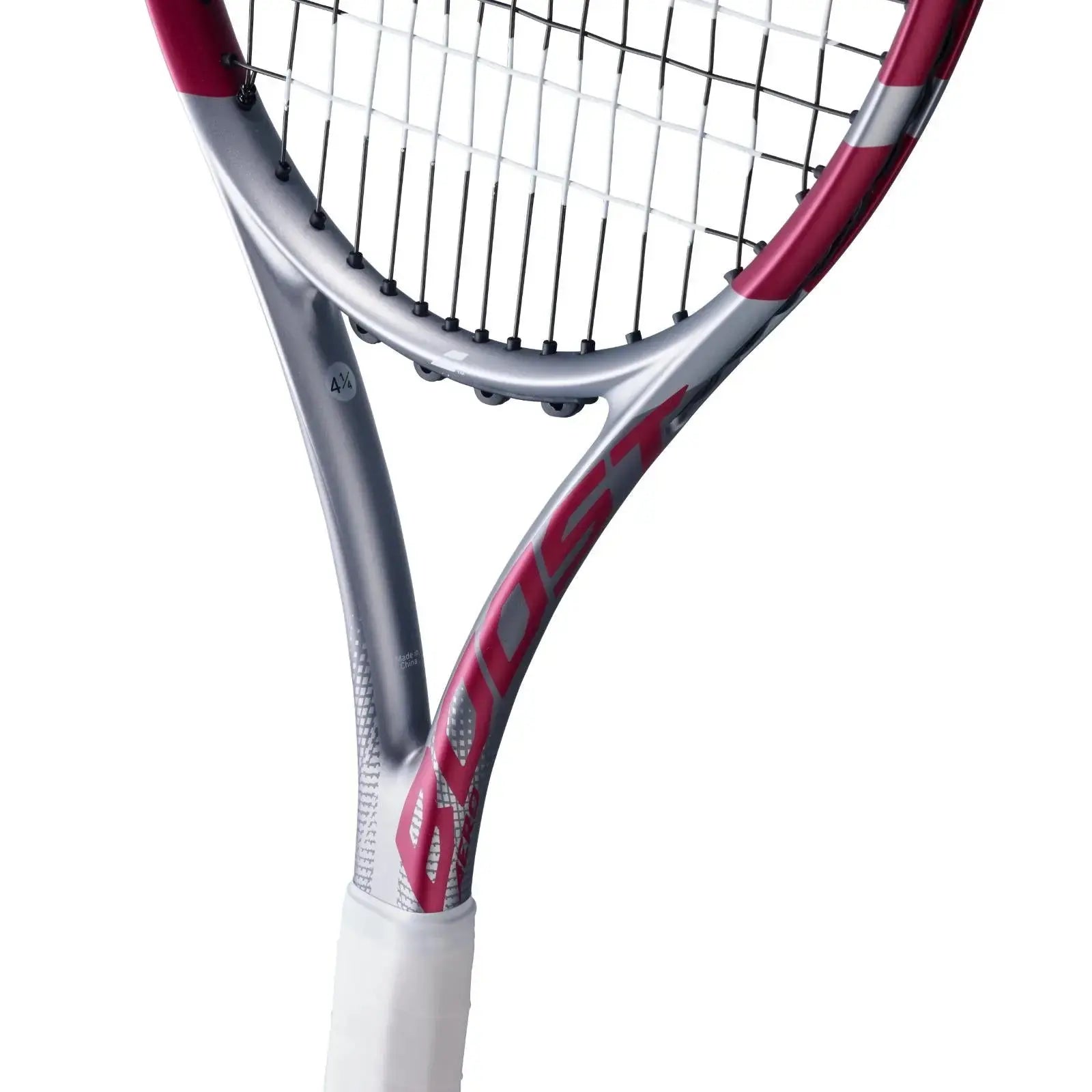
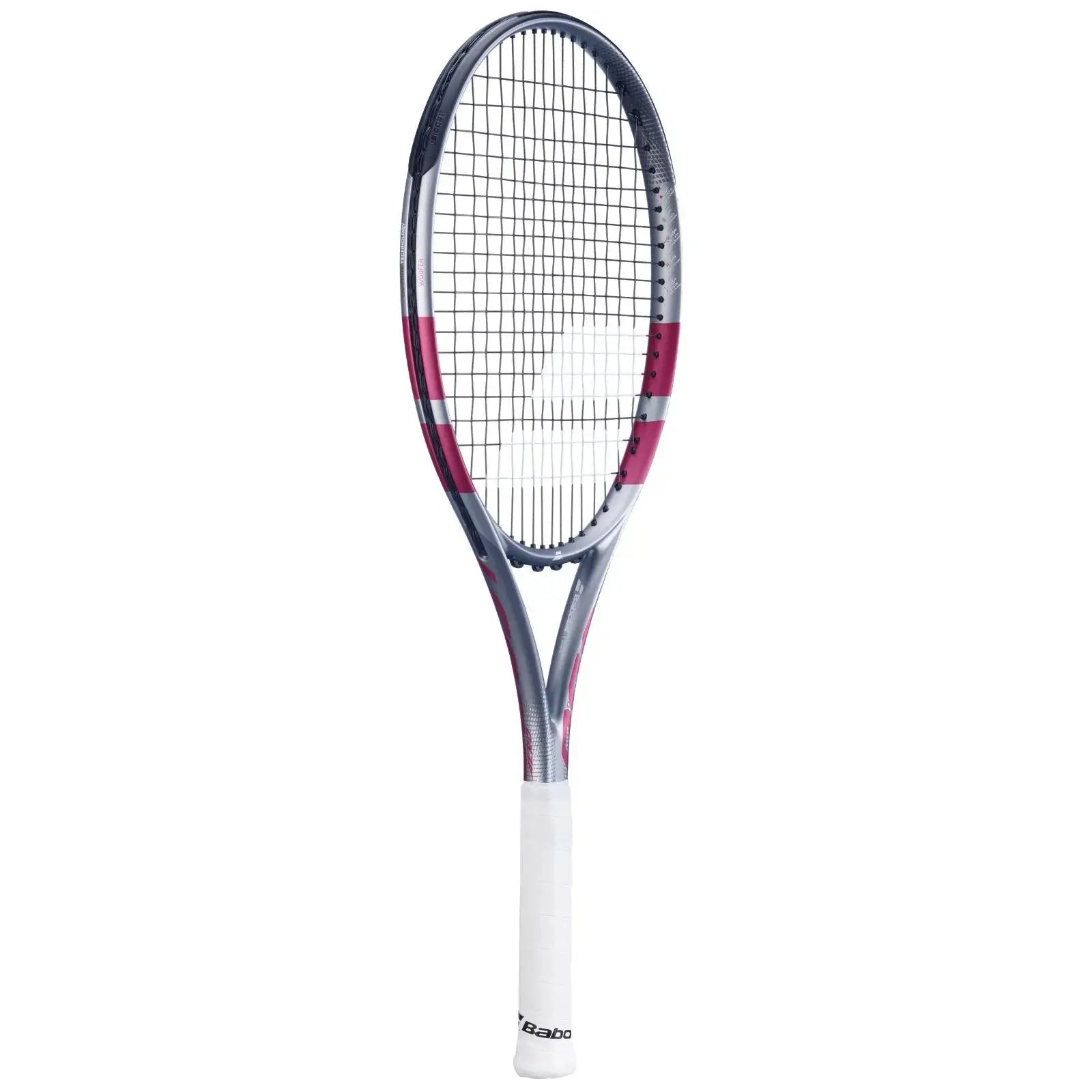
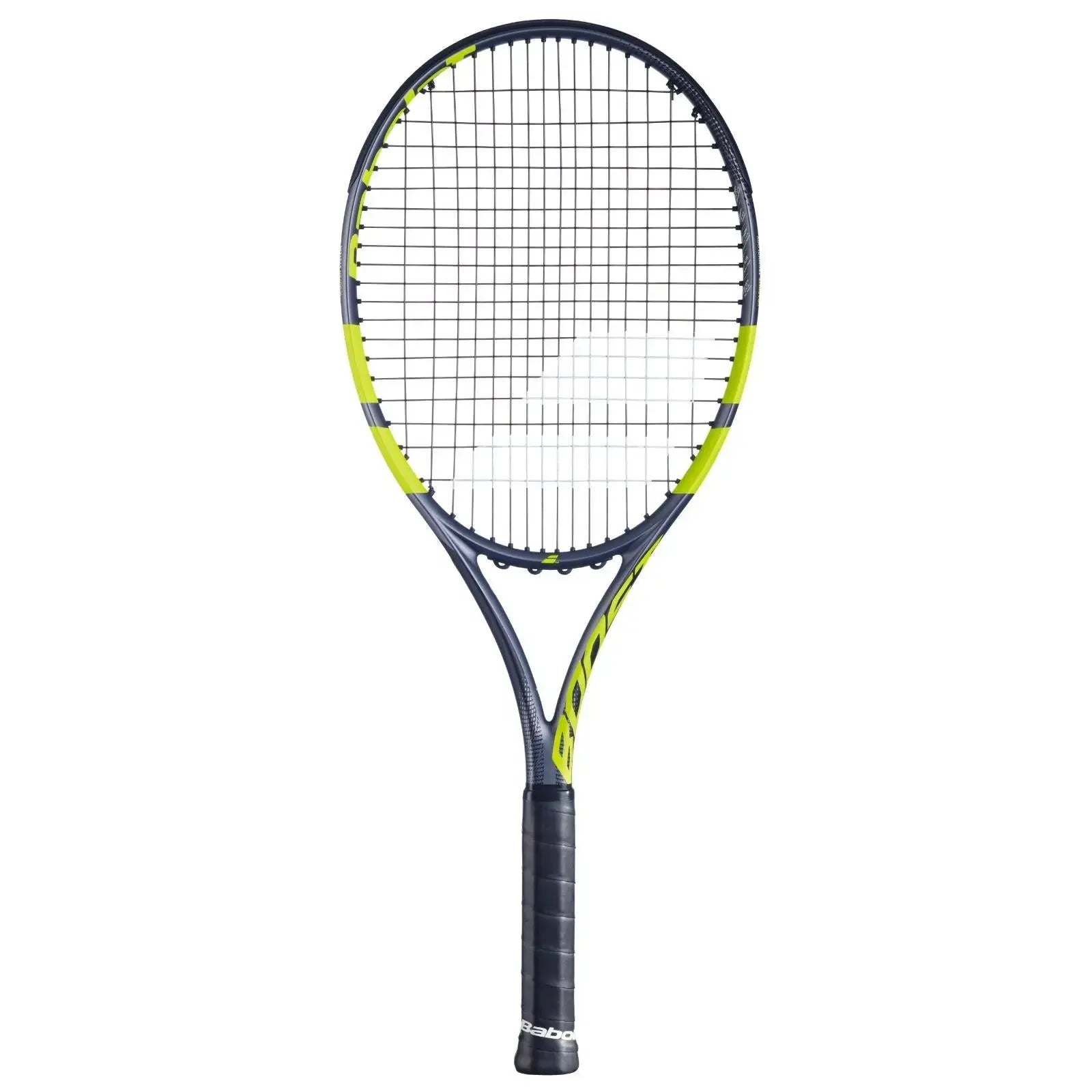
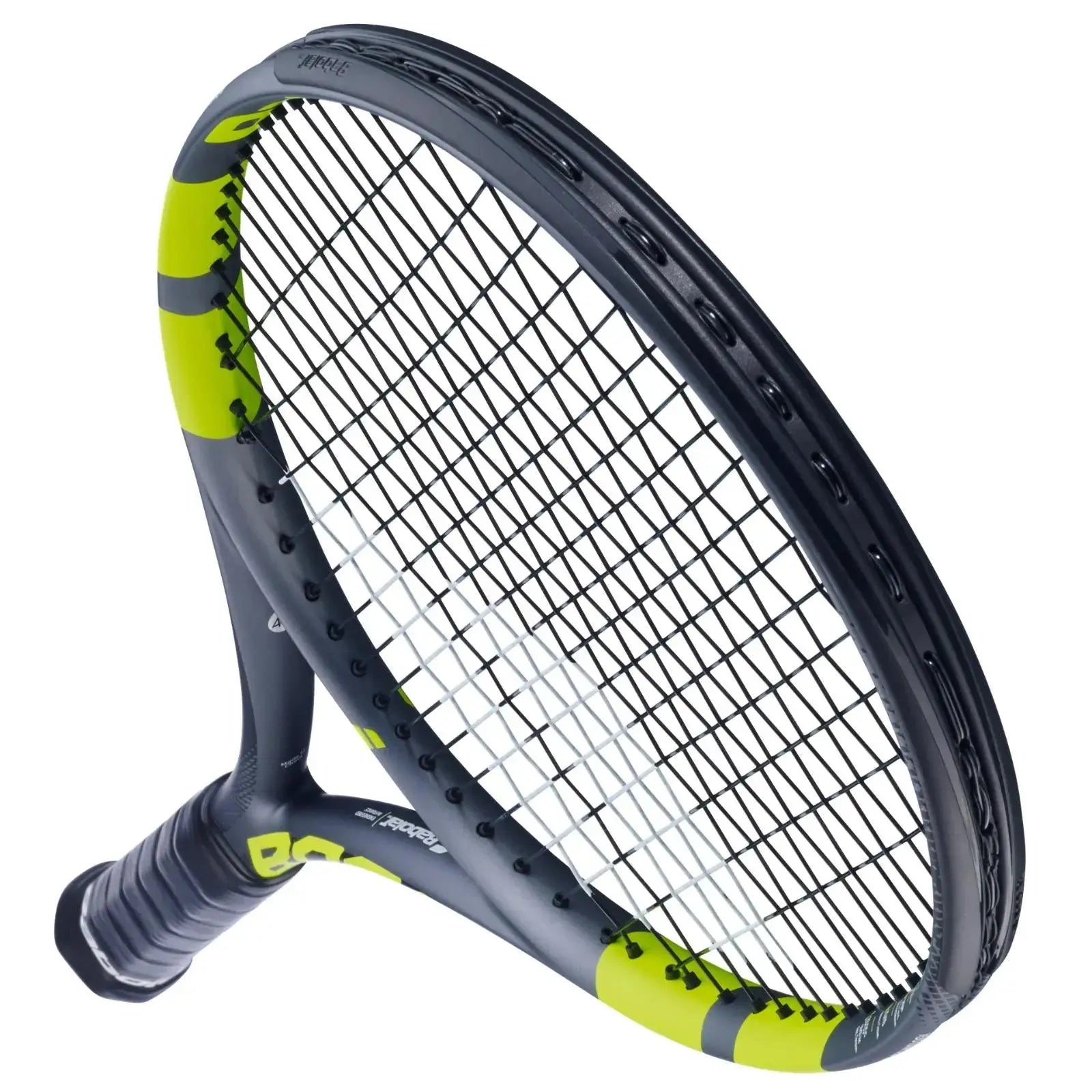
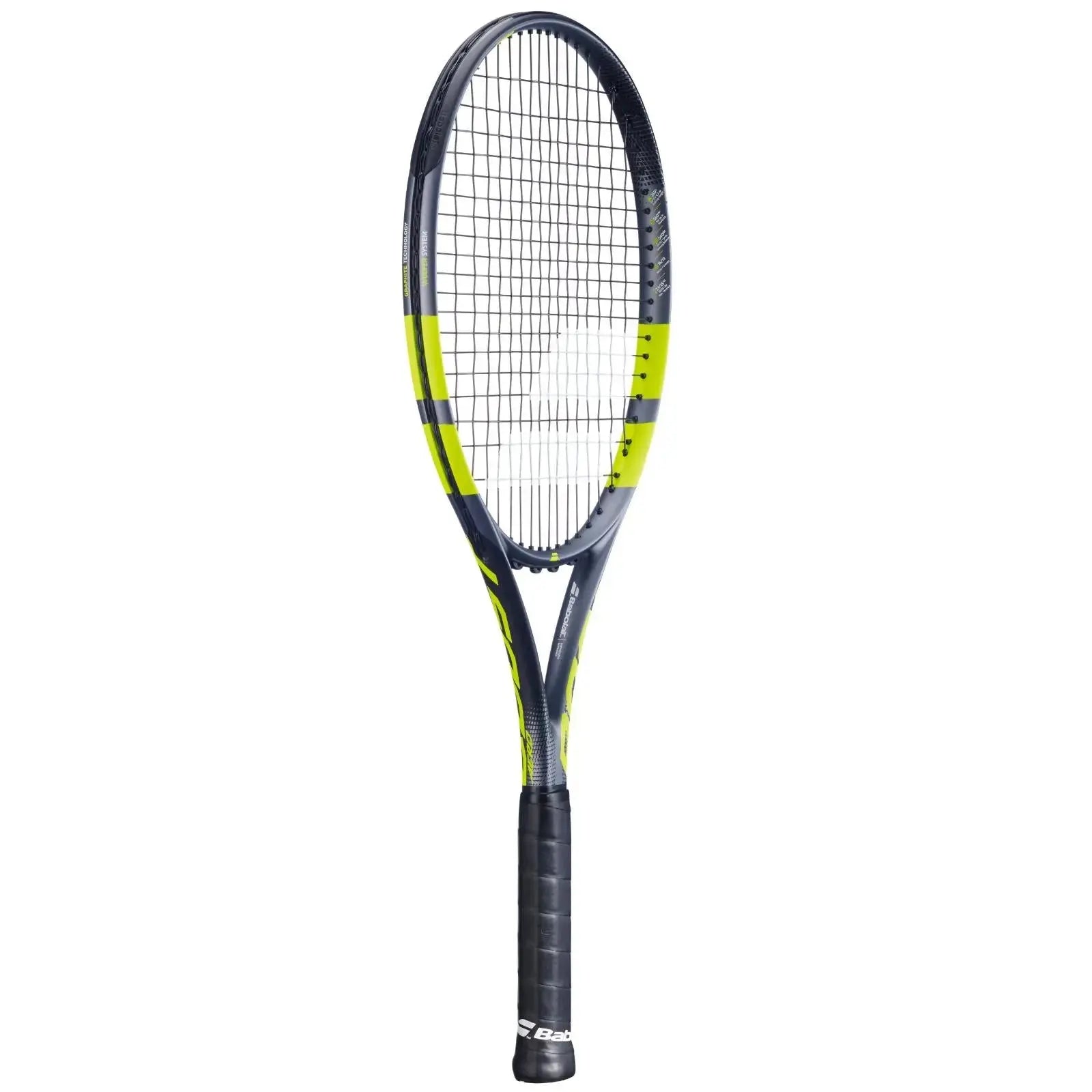
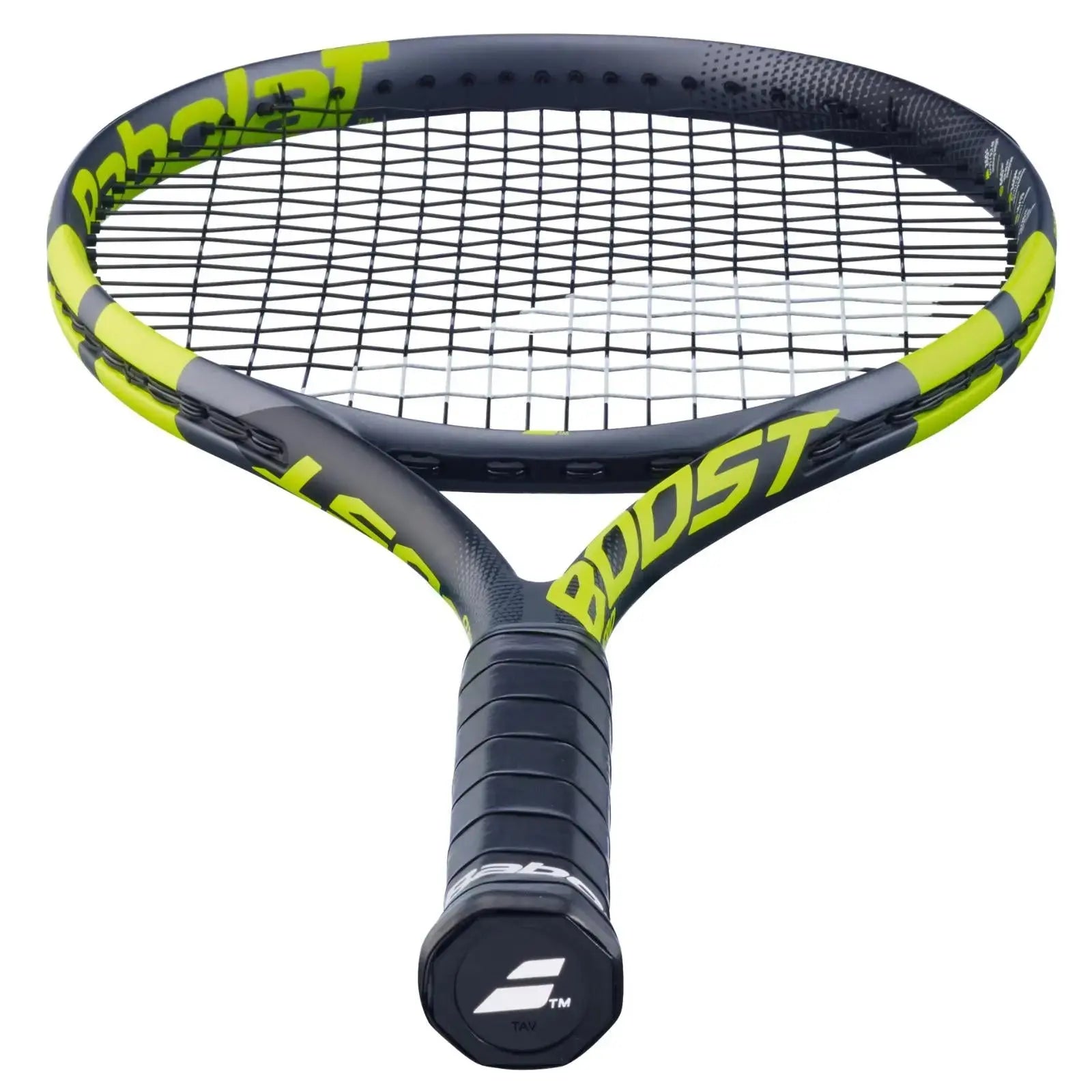
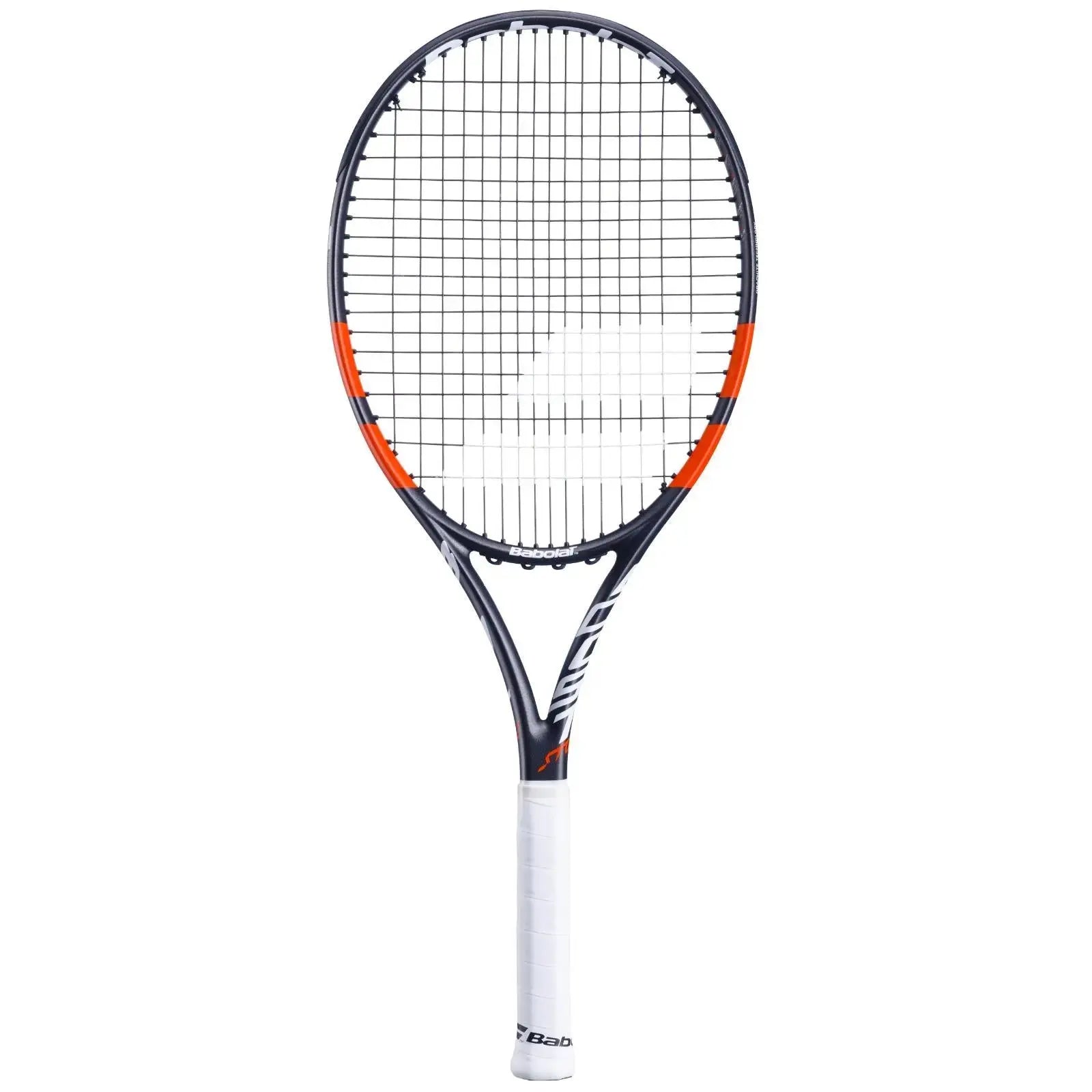
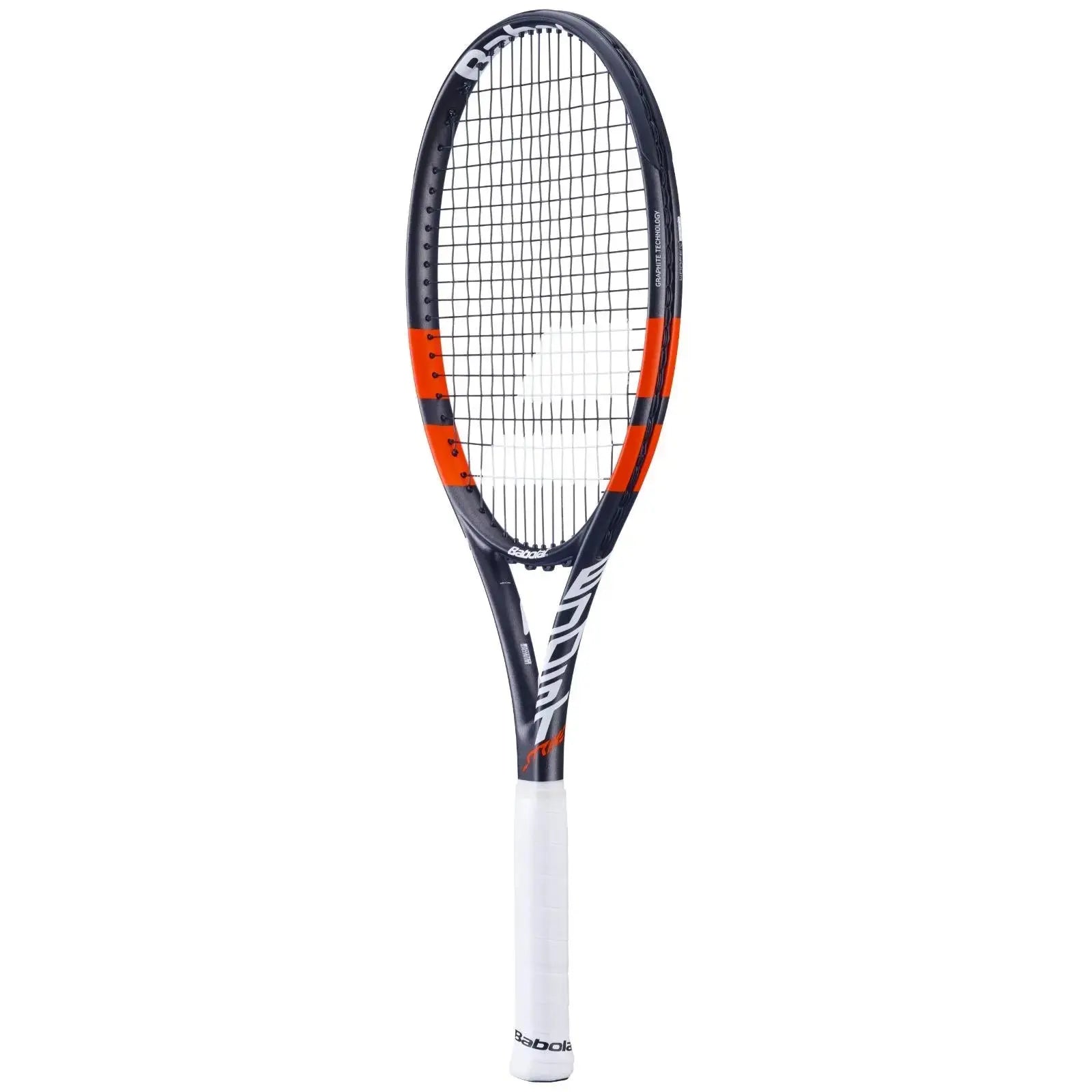
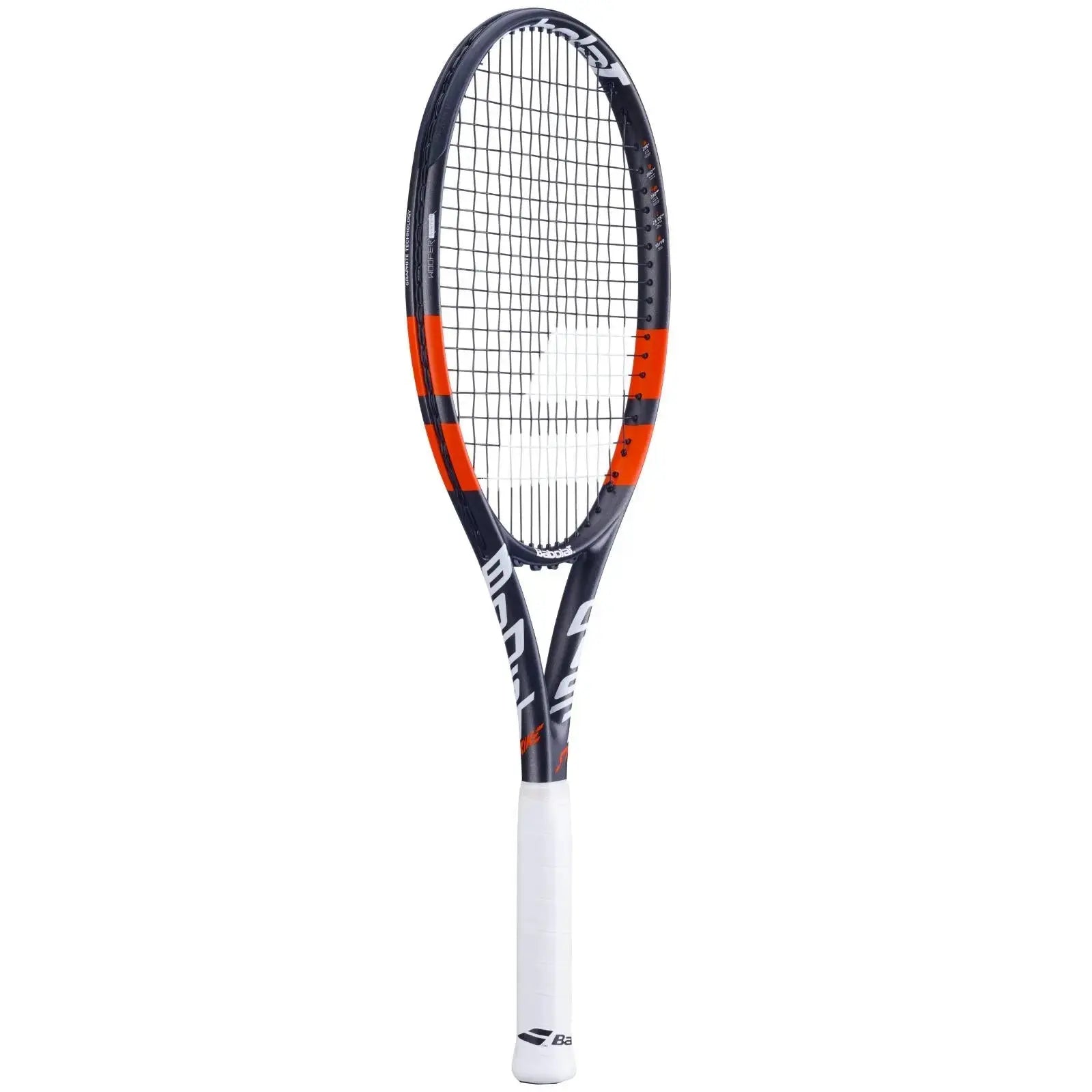
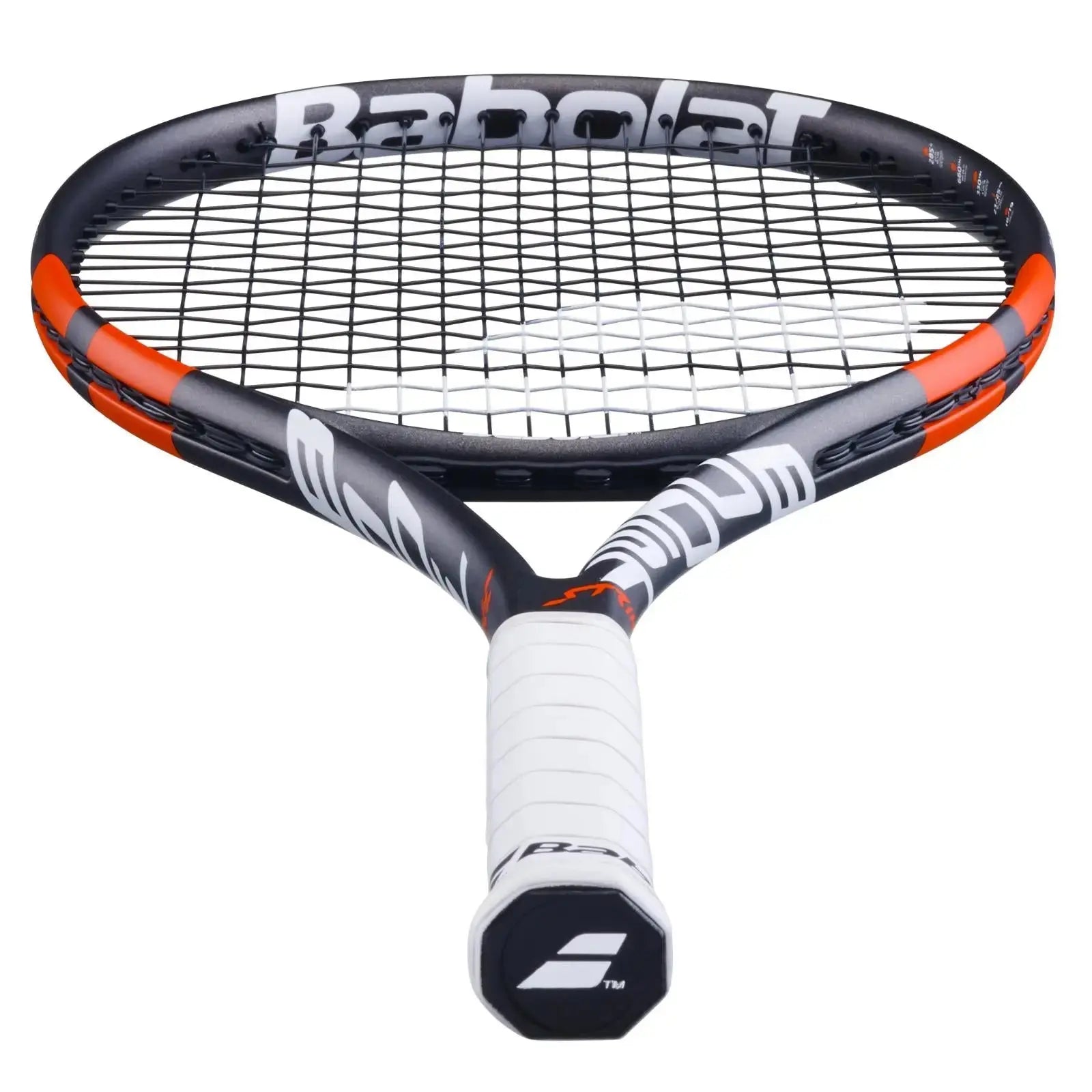
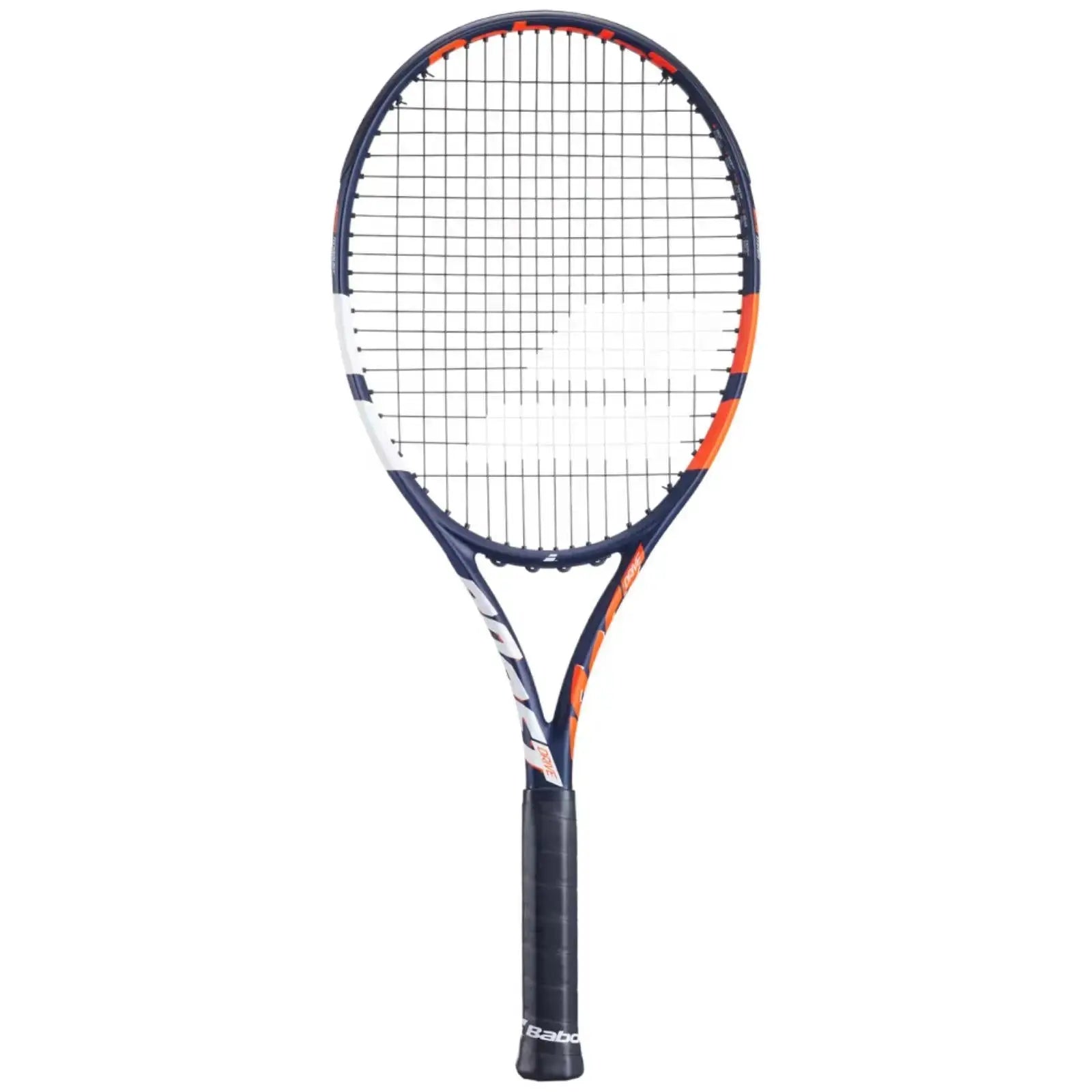
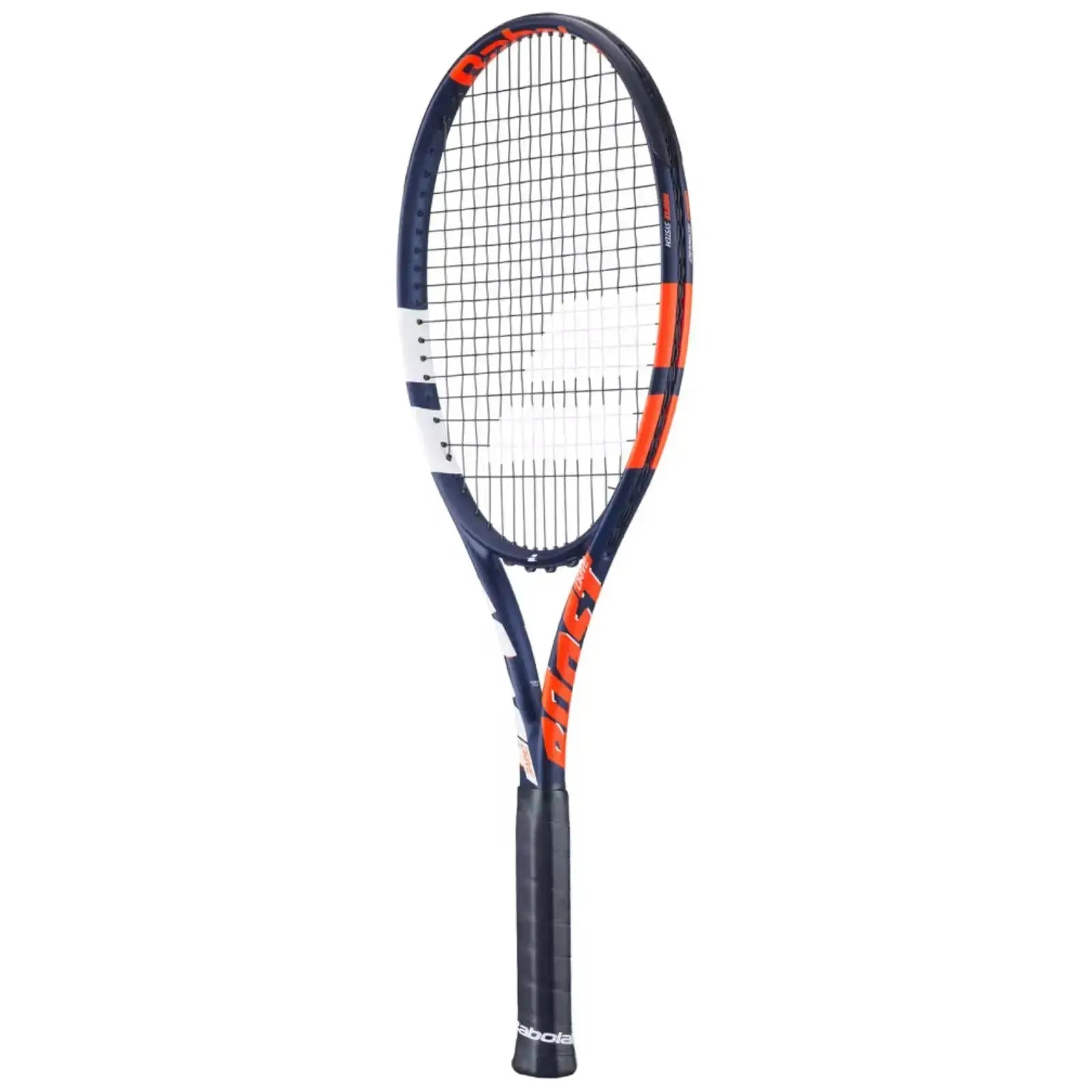
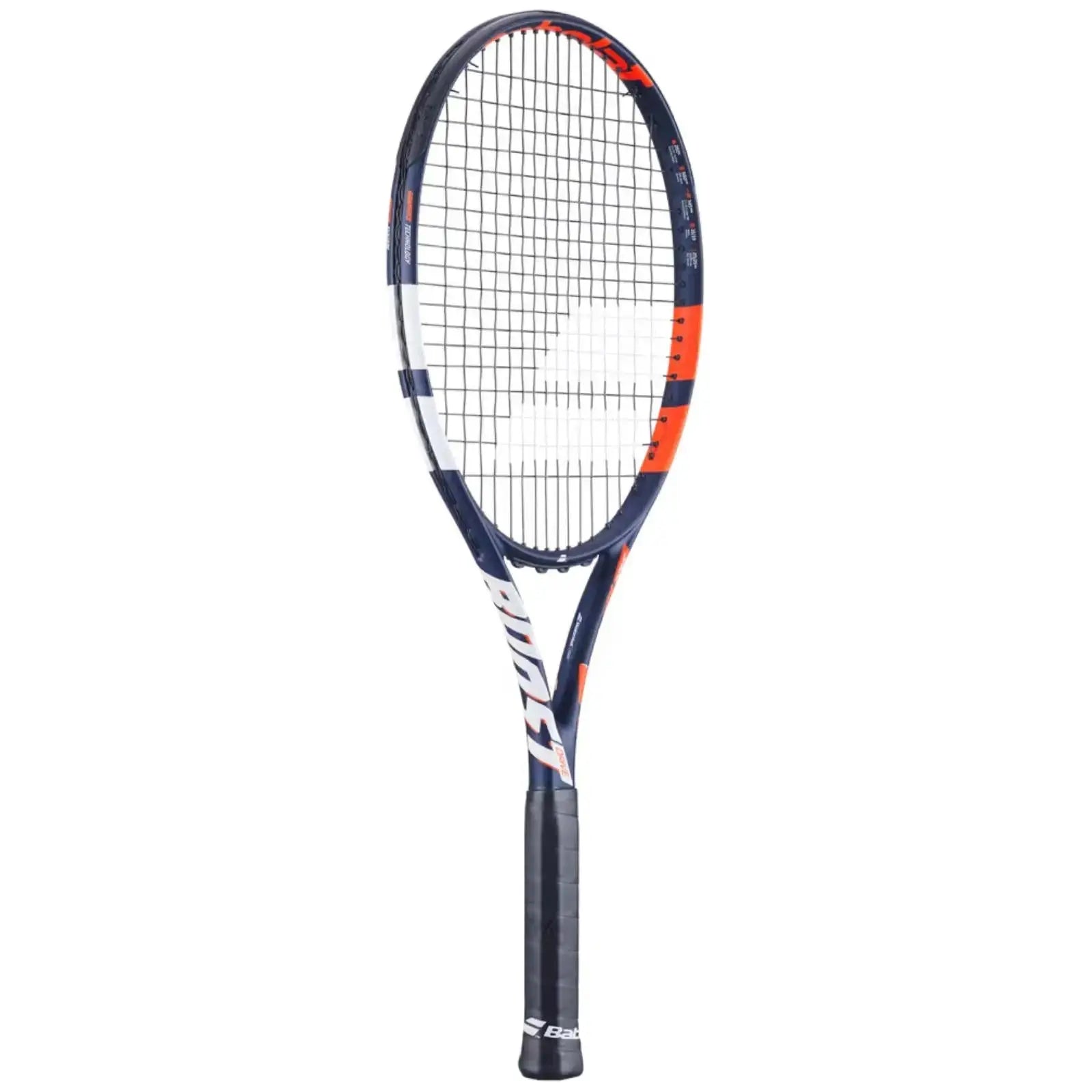
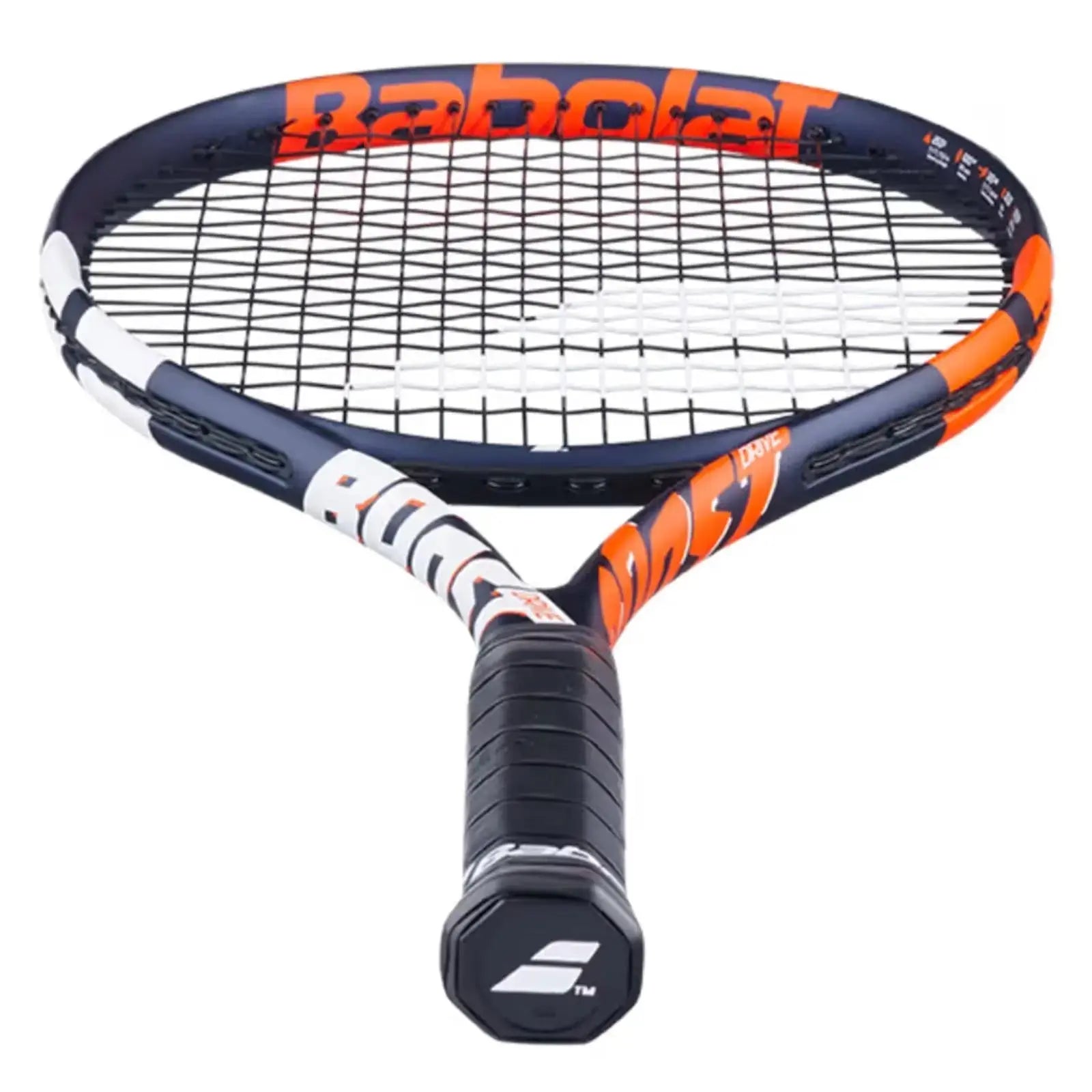
Babolat — The Pure Drive Lite and Boost are great starter racquets
-
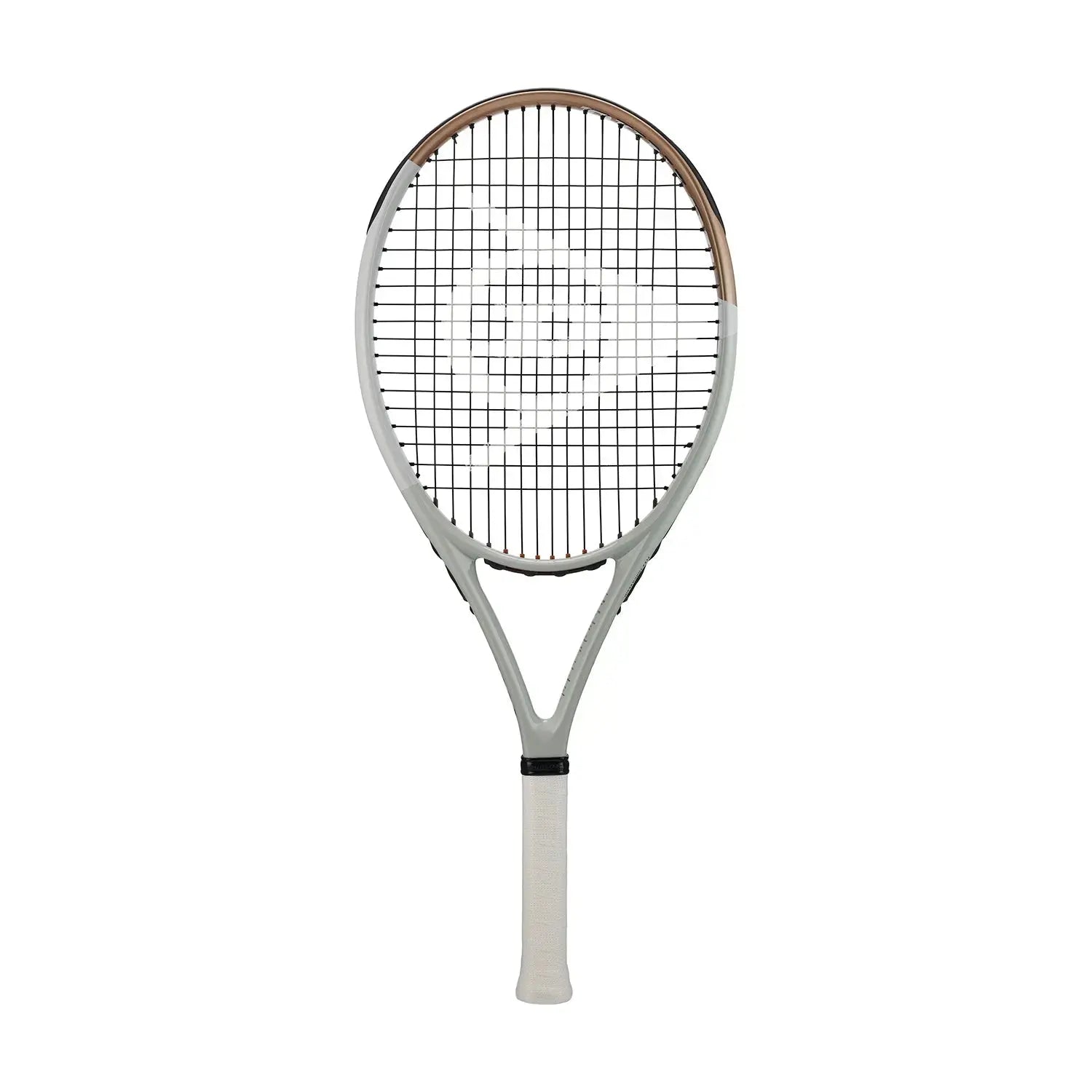
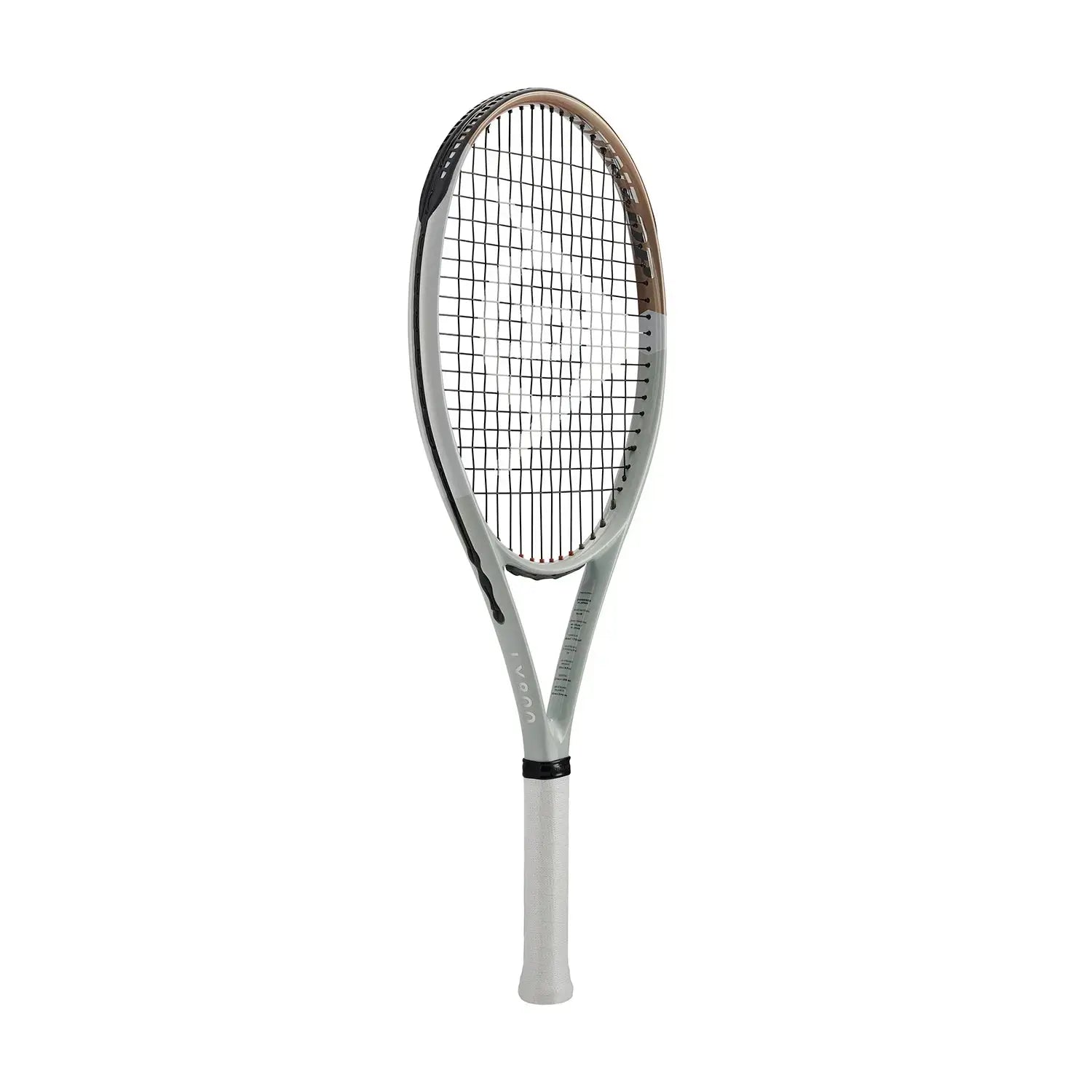
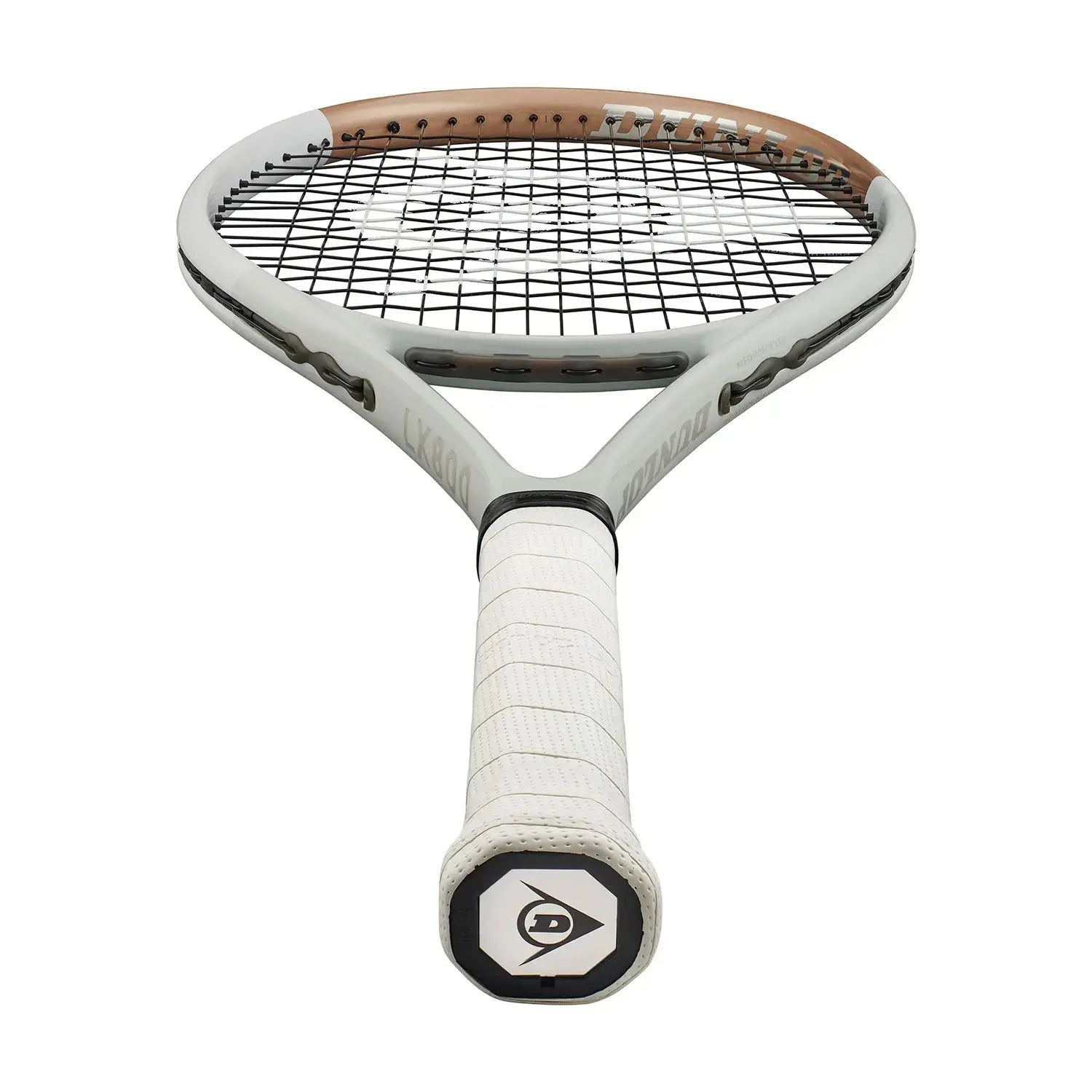
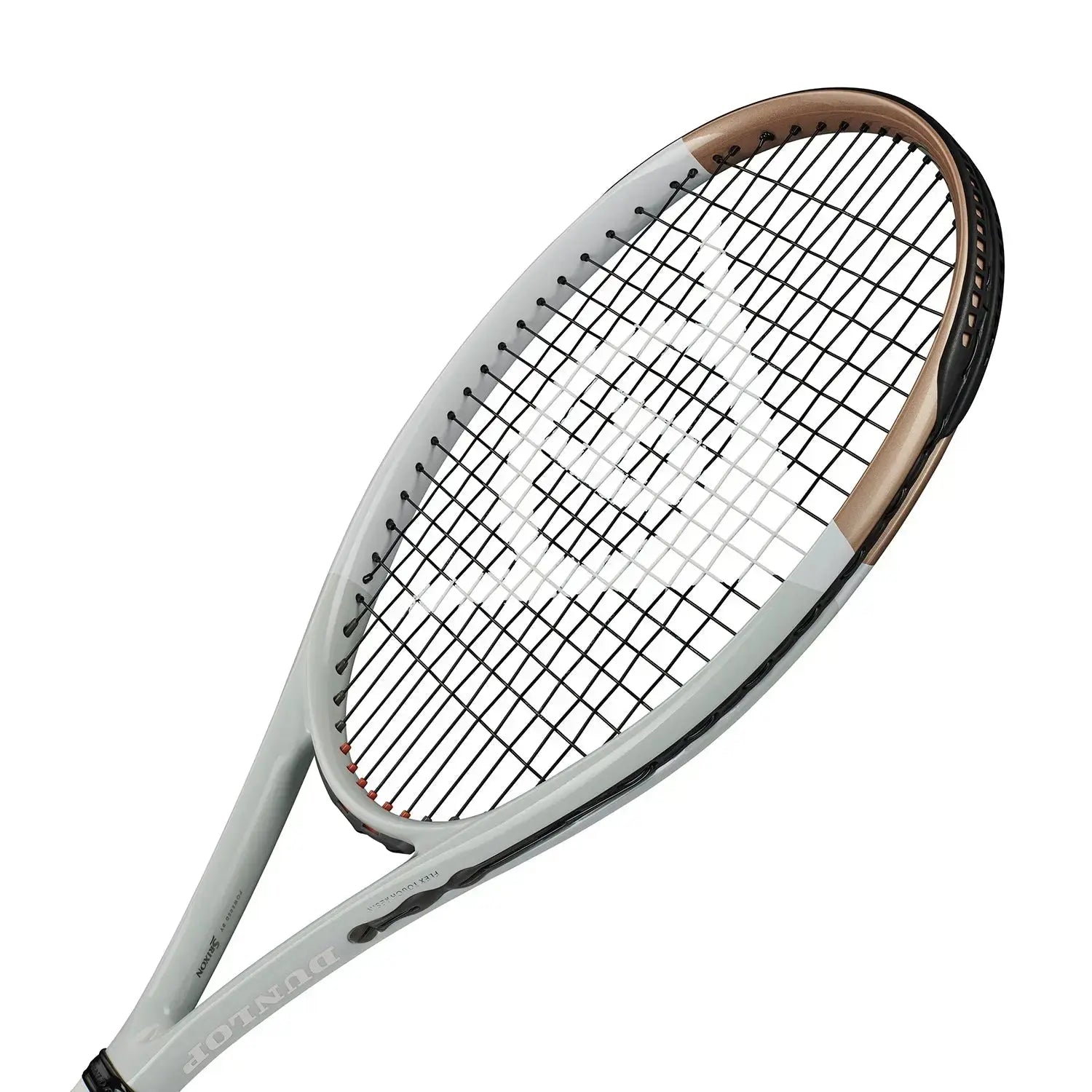
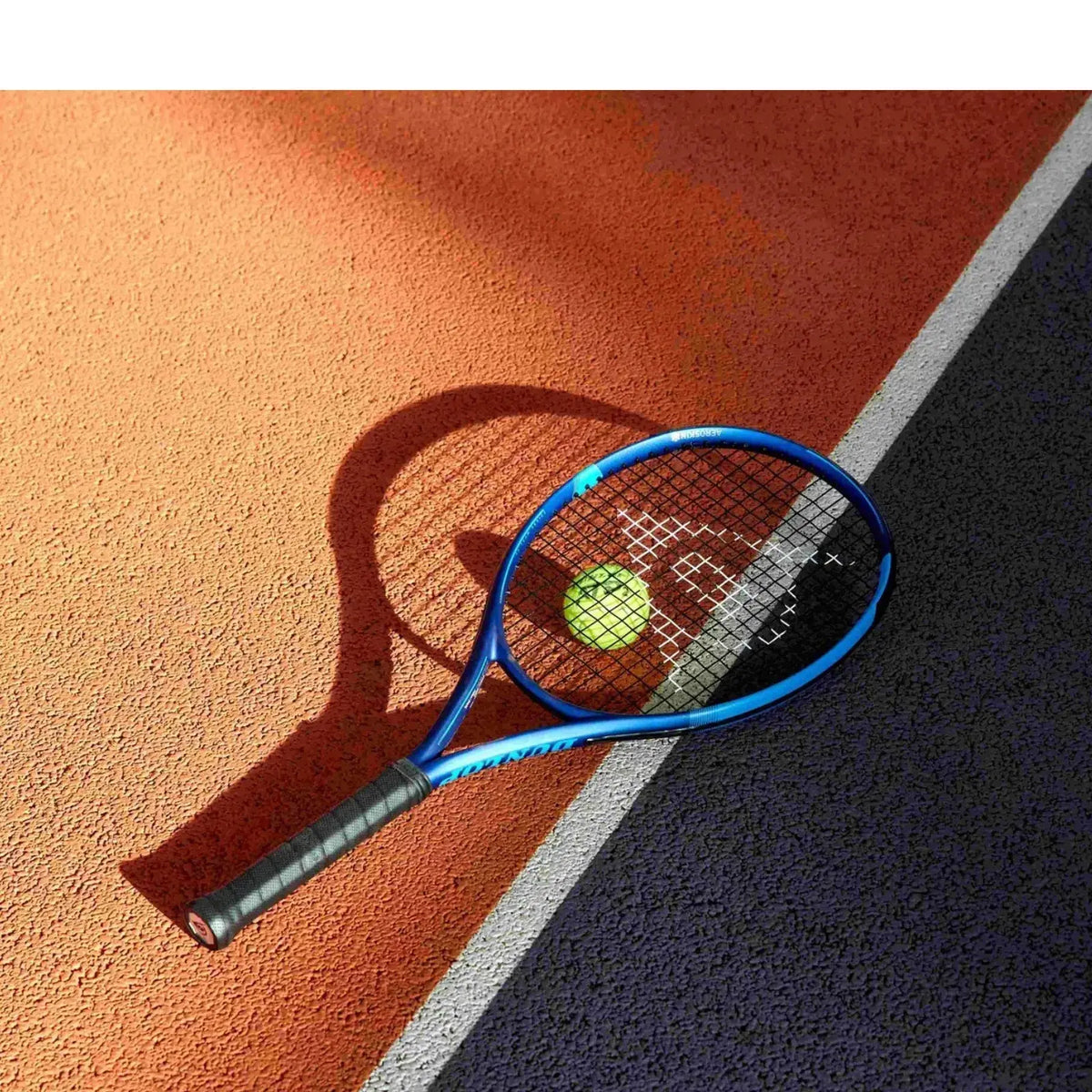
Dunlop — The CX 400 and FX 500 Lite are forgiving and friendly
-
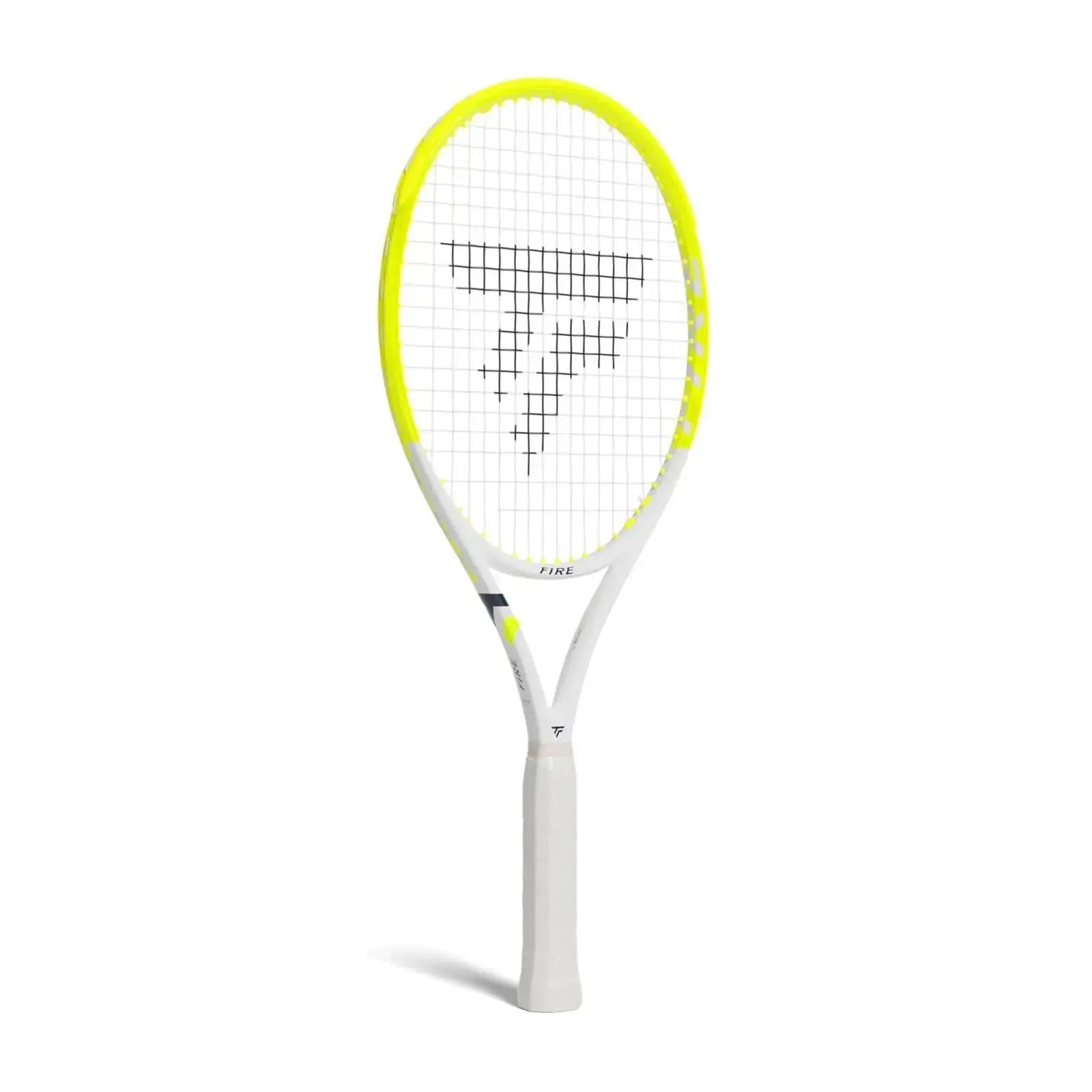
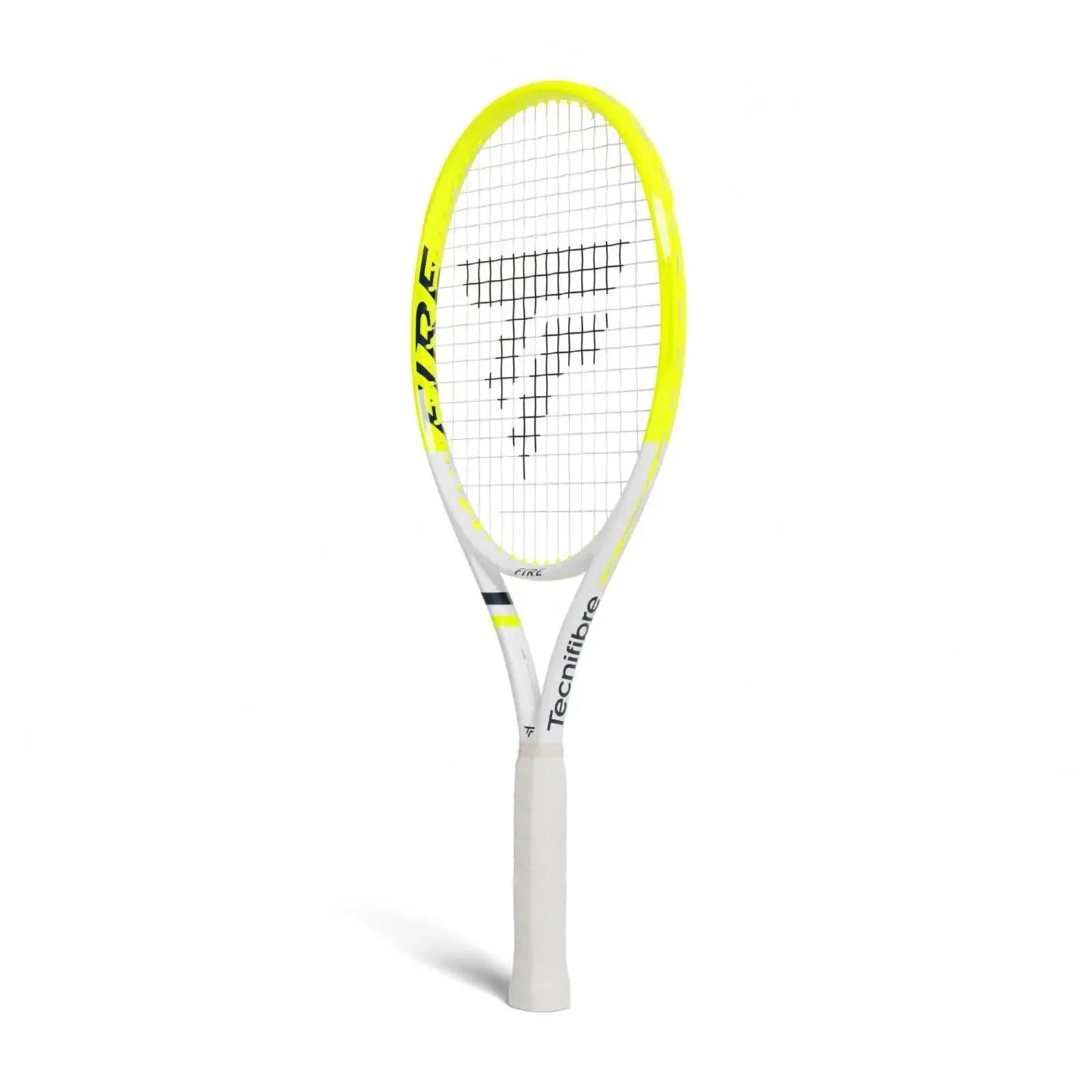
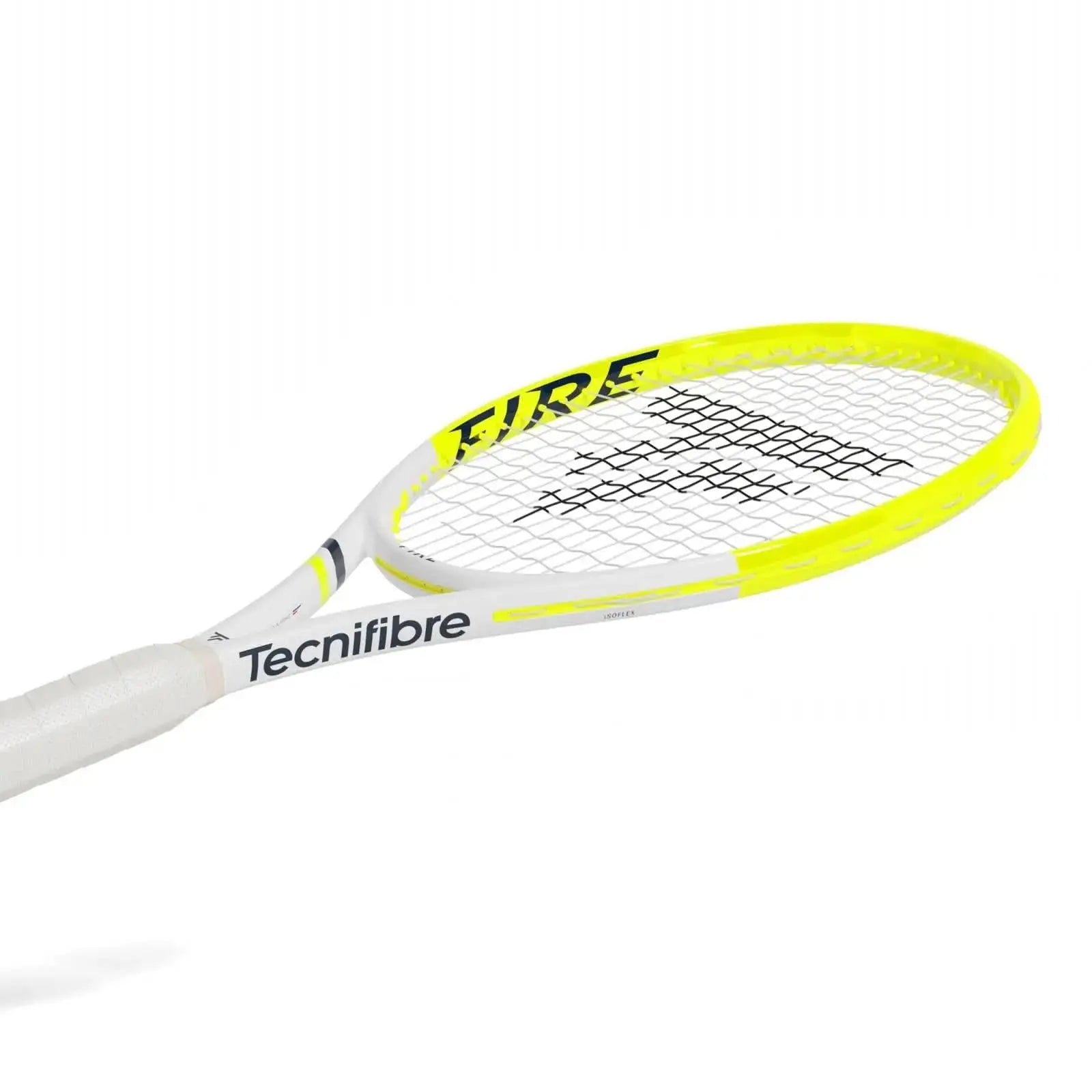
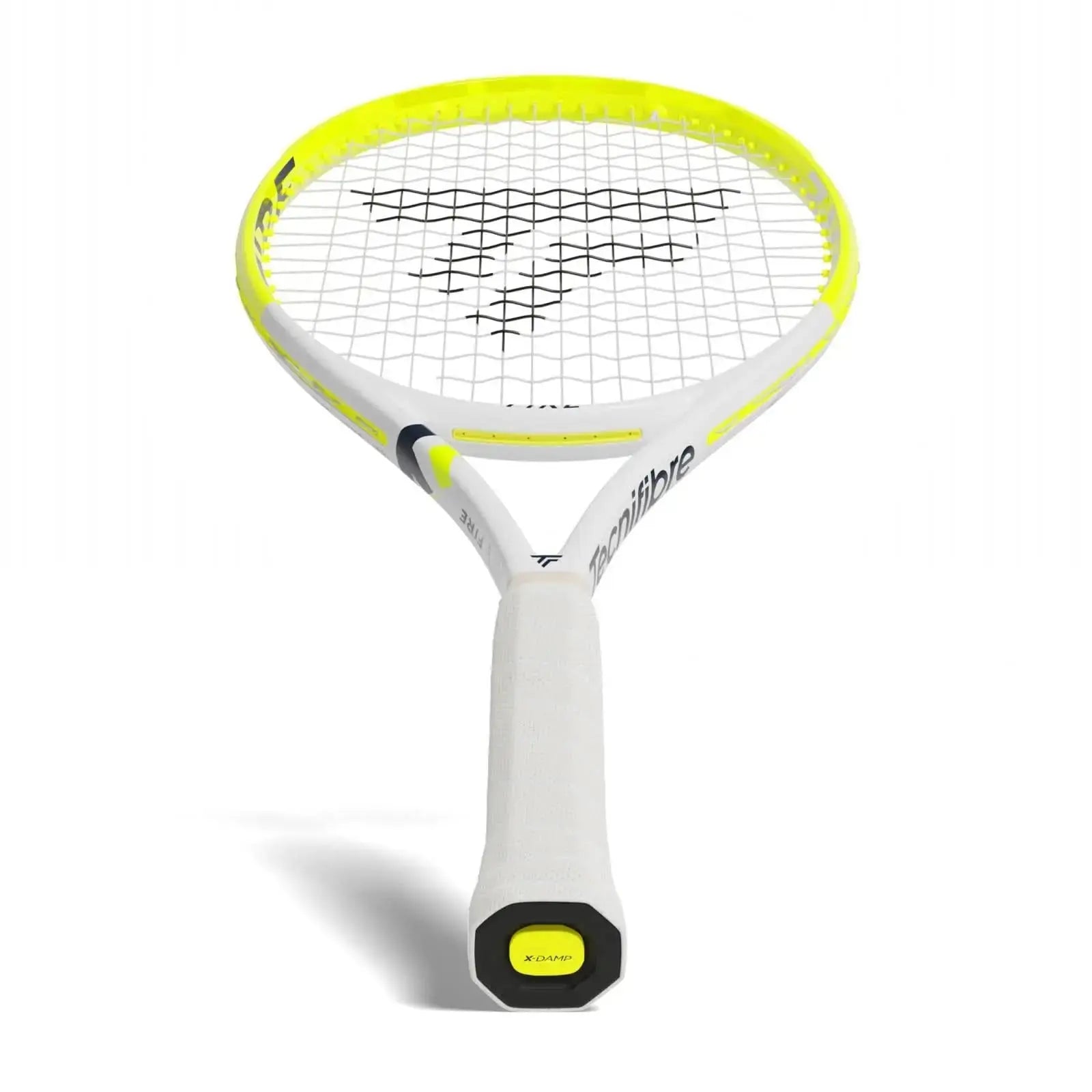
Tecnifibre — The T-Fight 255 is gentle on the arm
What else do you need?
-
Tennis shoes — Running shoes won’t cut it. Tennis shoes are built so you can move side-to-side without twisting your ankle.
-
Overgrips — A sticky tape that goes over the handle so your racquet doesn’t slip when your hands get sweaty.
-
Racquet bag — Protects your racquet from the heat in your car (yes, the heat can damage them) and makes it easy to carry.
Common questions
What size racquet head is best for a beginner?
Look for 105 to 115 square inches. That’s big enough to give you a forgiving sweet spot. Smaller heads are harder to hit cleanly.
How heavy should my first racquet be?
Between 255 and 275 grams (without strings). Lighter is easier on your arm but feels wobbly. Heavier is more stable but tires you out.
Should the weight be at the top or the handle?
For beginners, choose head-heavy. The extra weight at the top means the racquet does more of the work — you don’t need a fast swing to hit hard.
Do beginner racquets come with strings already on them?
Yes — almost all of ours come ready to play. You can hit on the court the same day you buy it.
How long until I need a new racquet?
Most players use their first racquet for 6–18 months. The racquet itself lasts years, but your skills grow past it. Many people keep their first racquet as a spare or for casual games.
How much should I spend on my first racquet?
Good beginner racquets are usually $100–$200. You don’t need to spend more — expensive racquets are made for advanced players and would actually make learning harder.


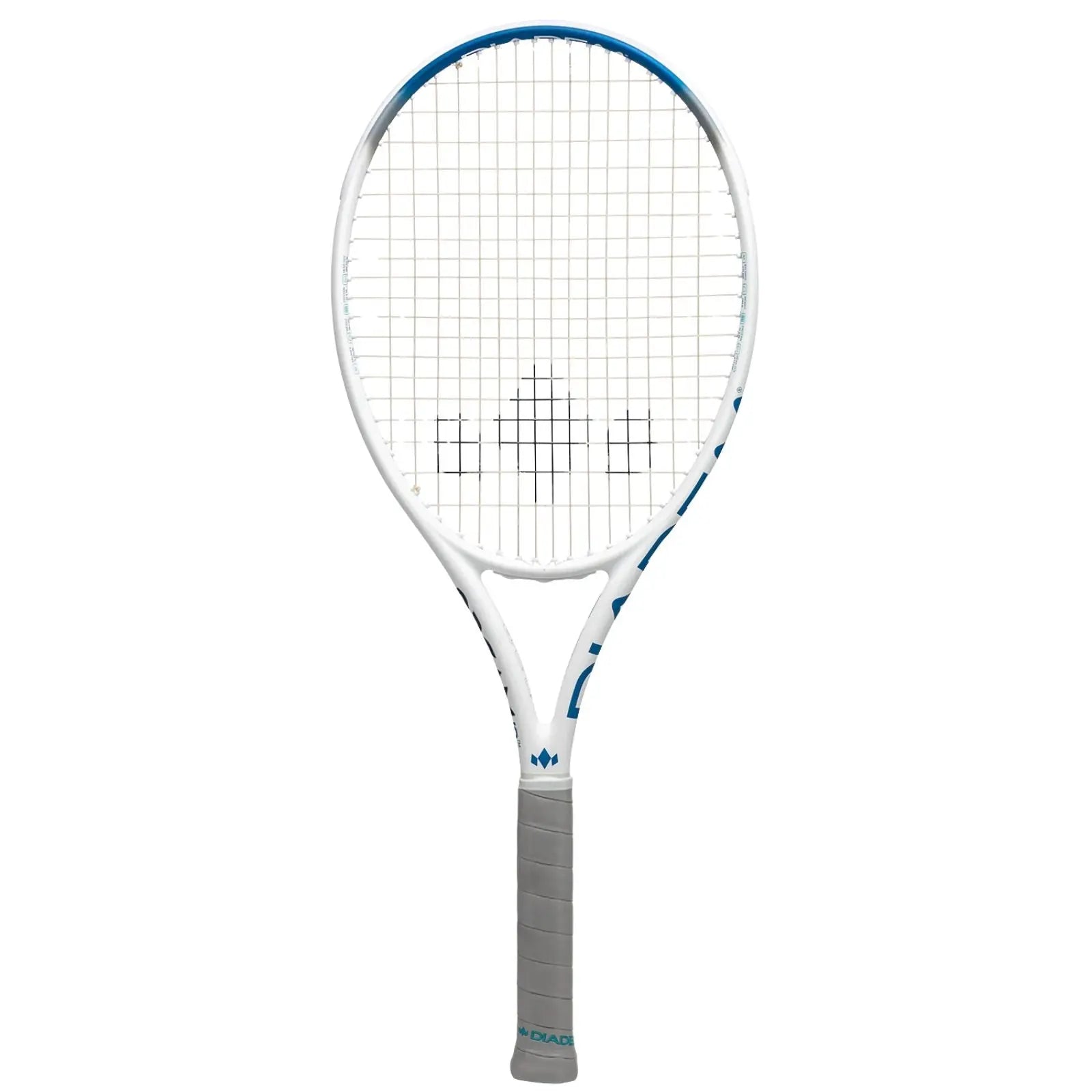
 110 in²
 16/19
16/19