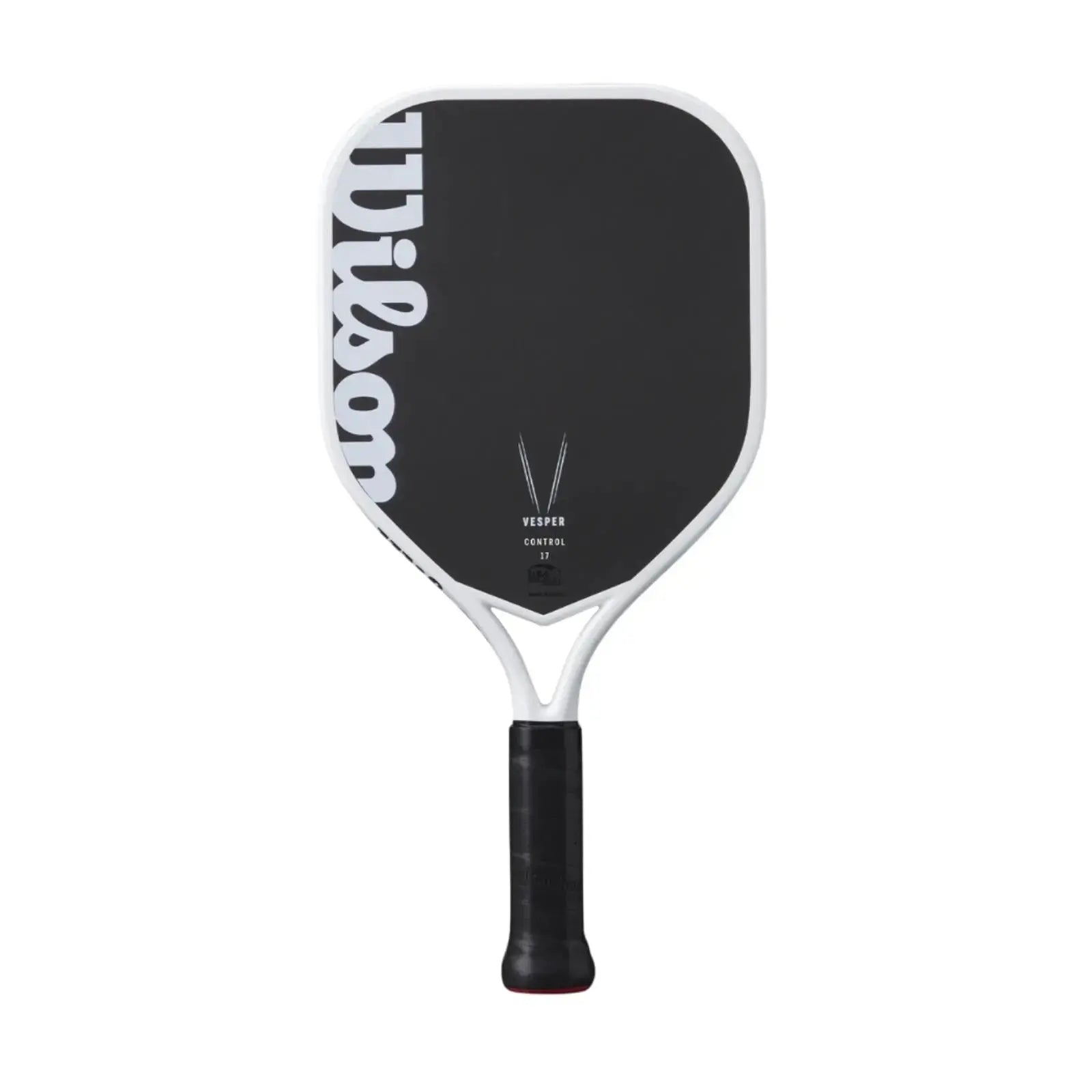
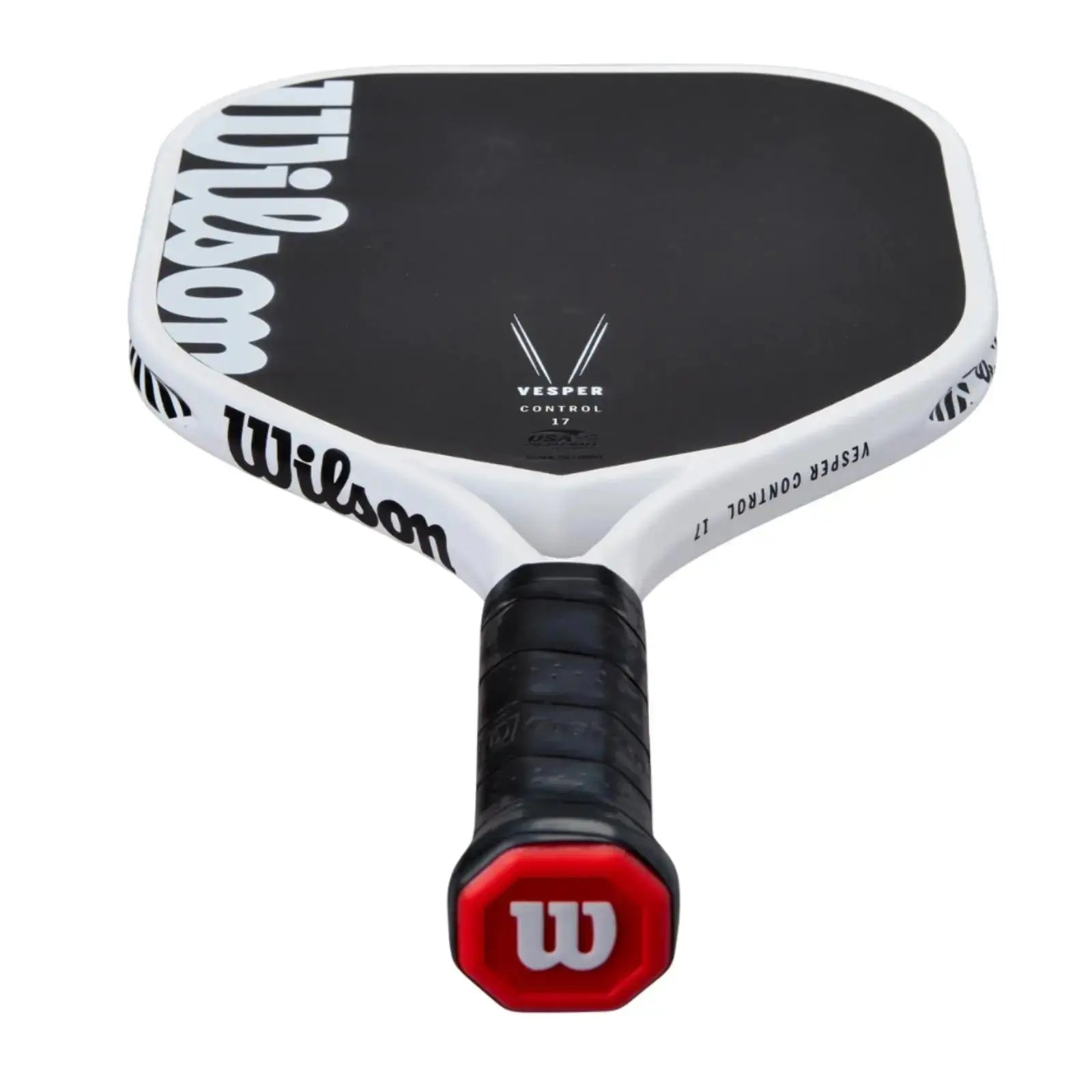
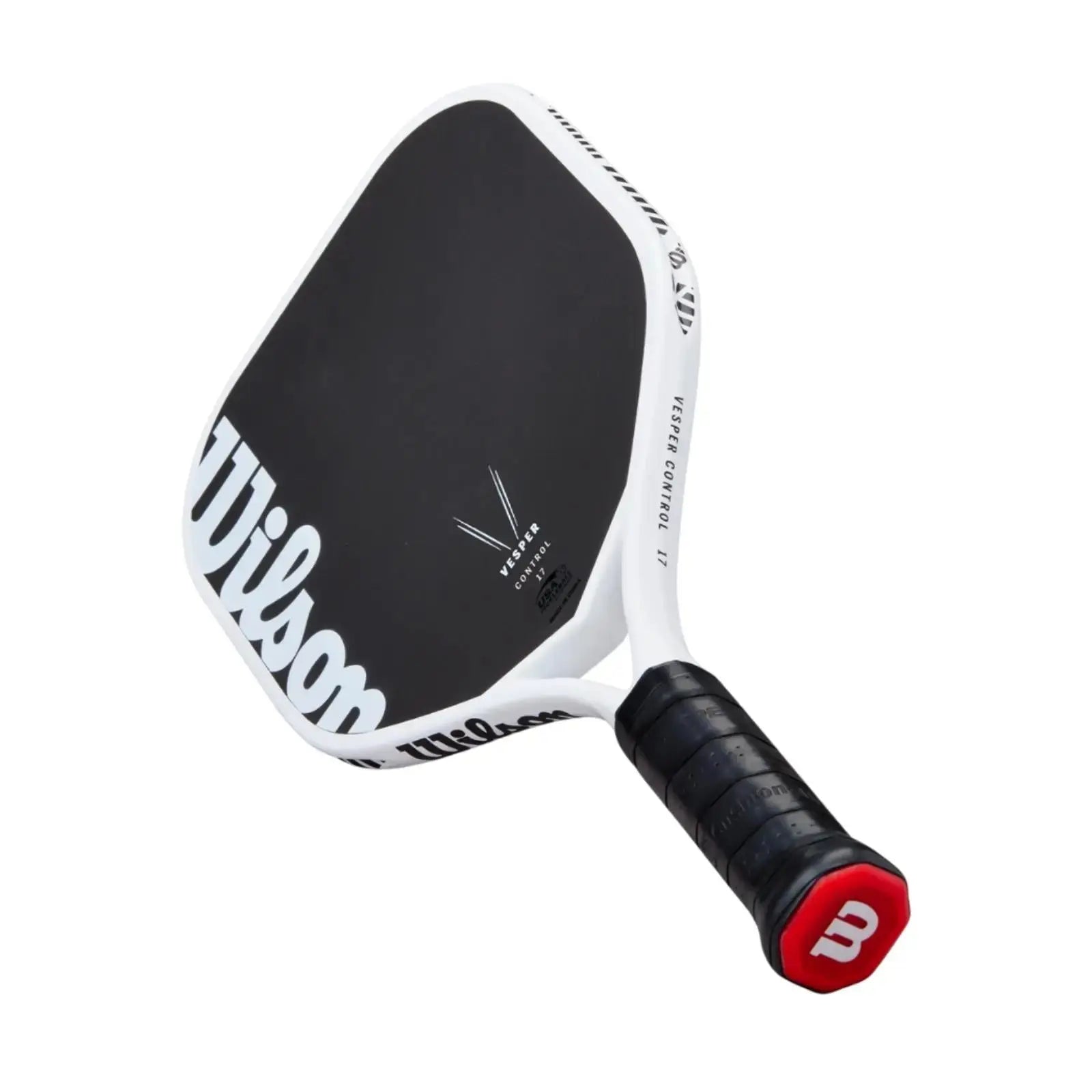
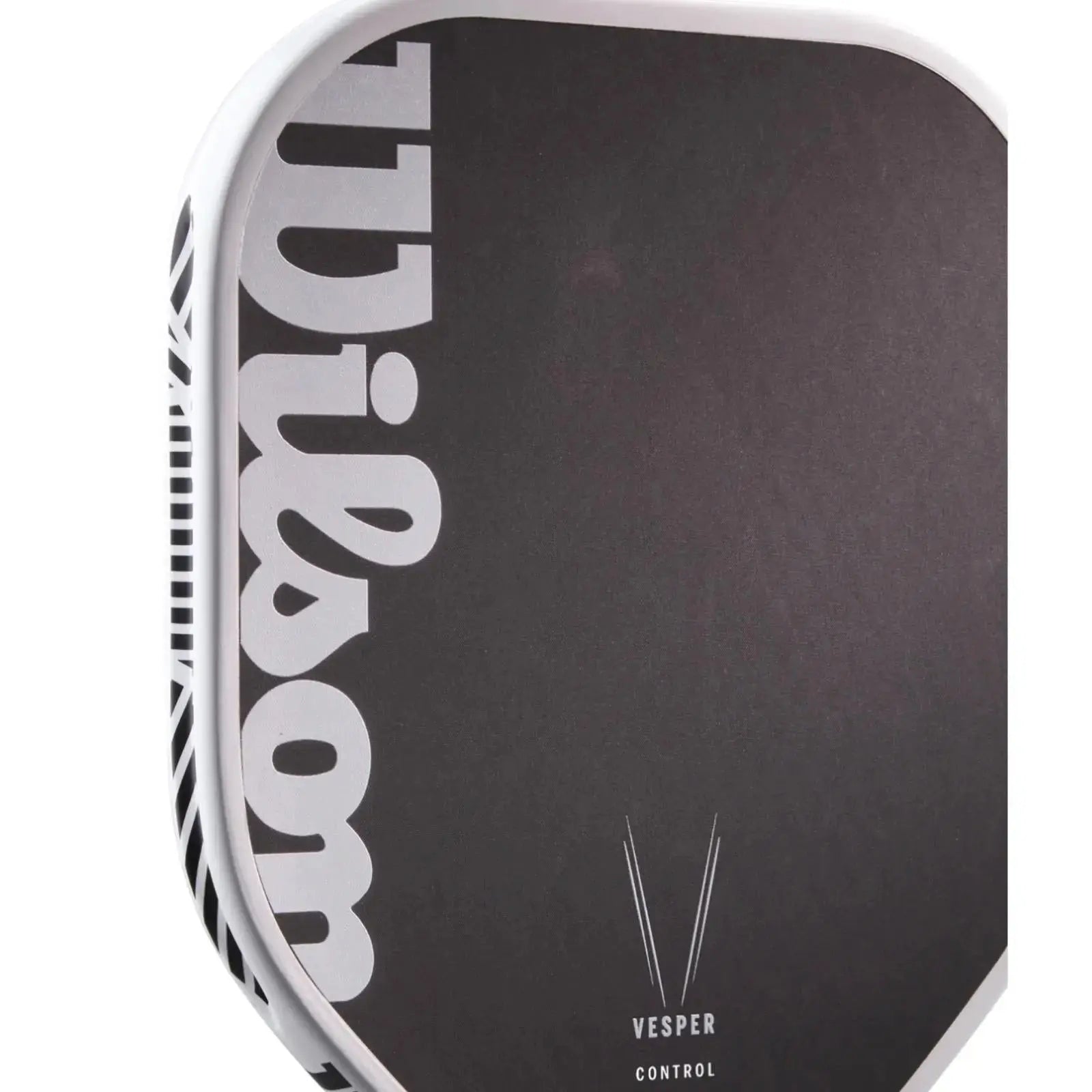
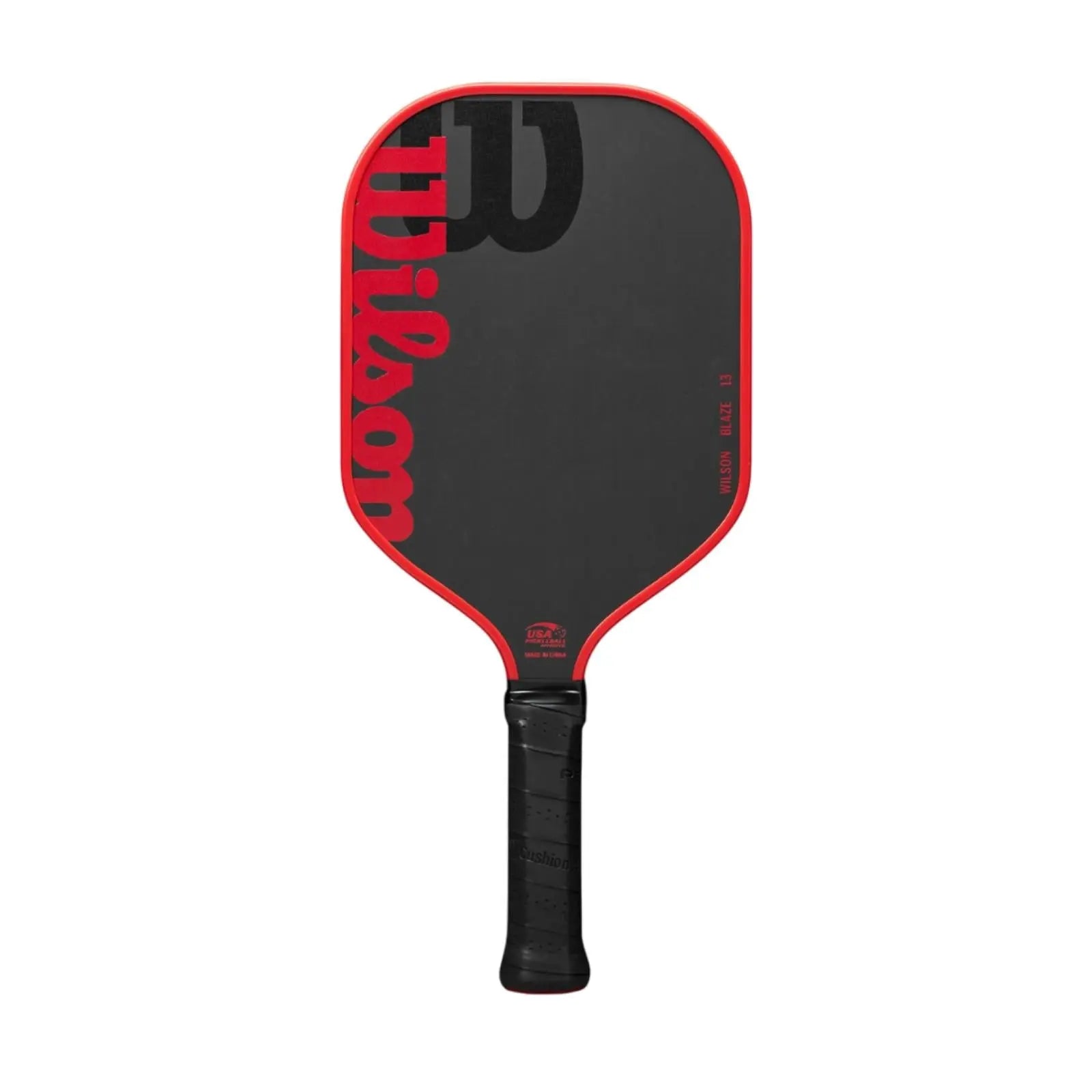
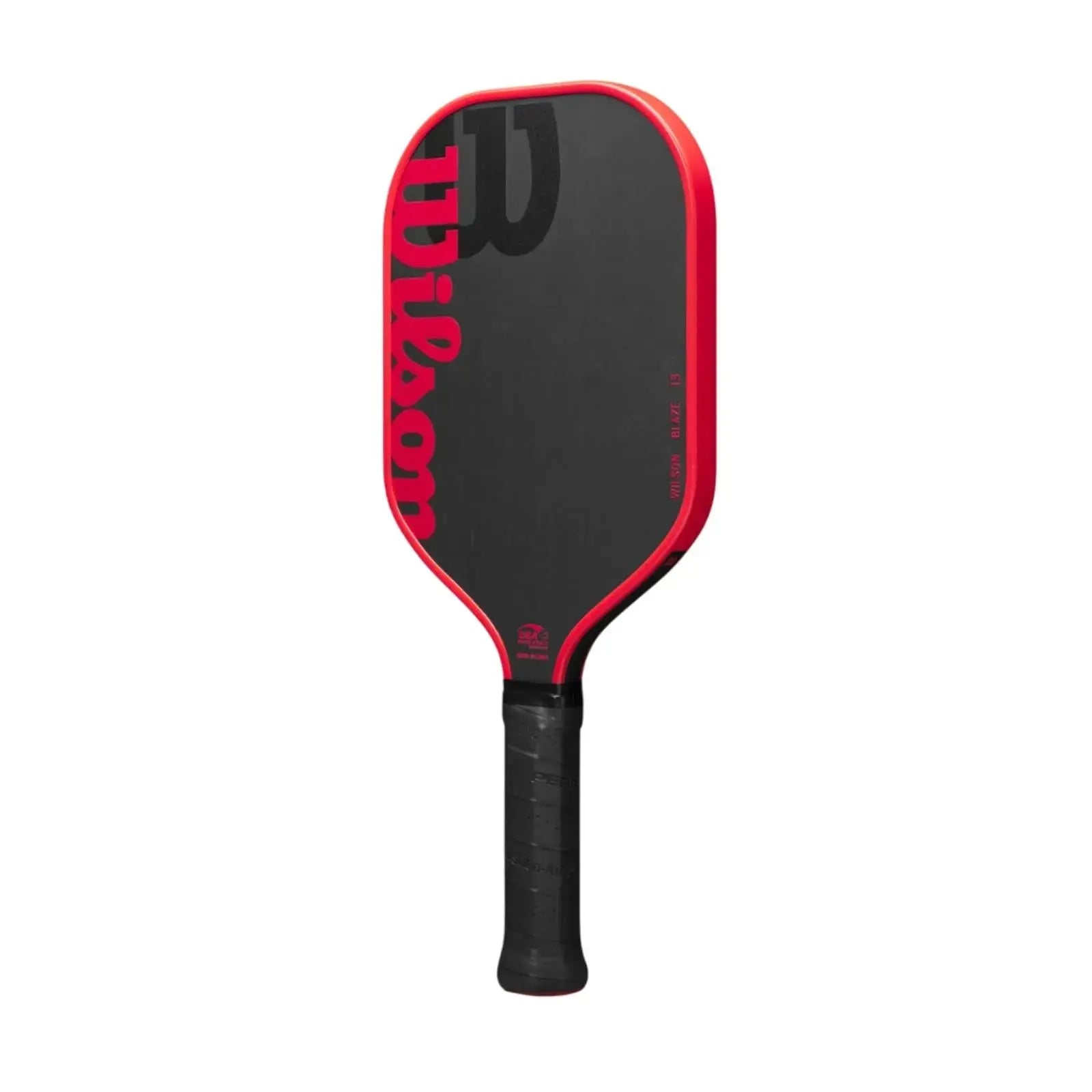
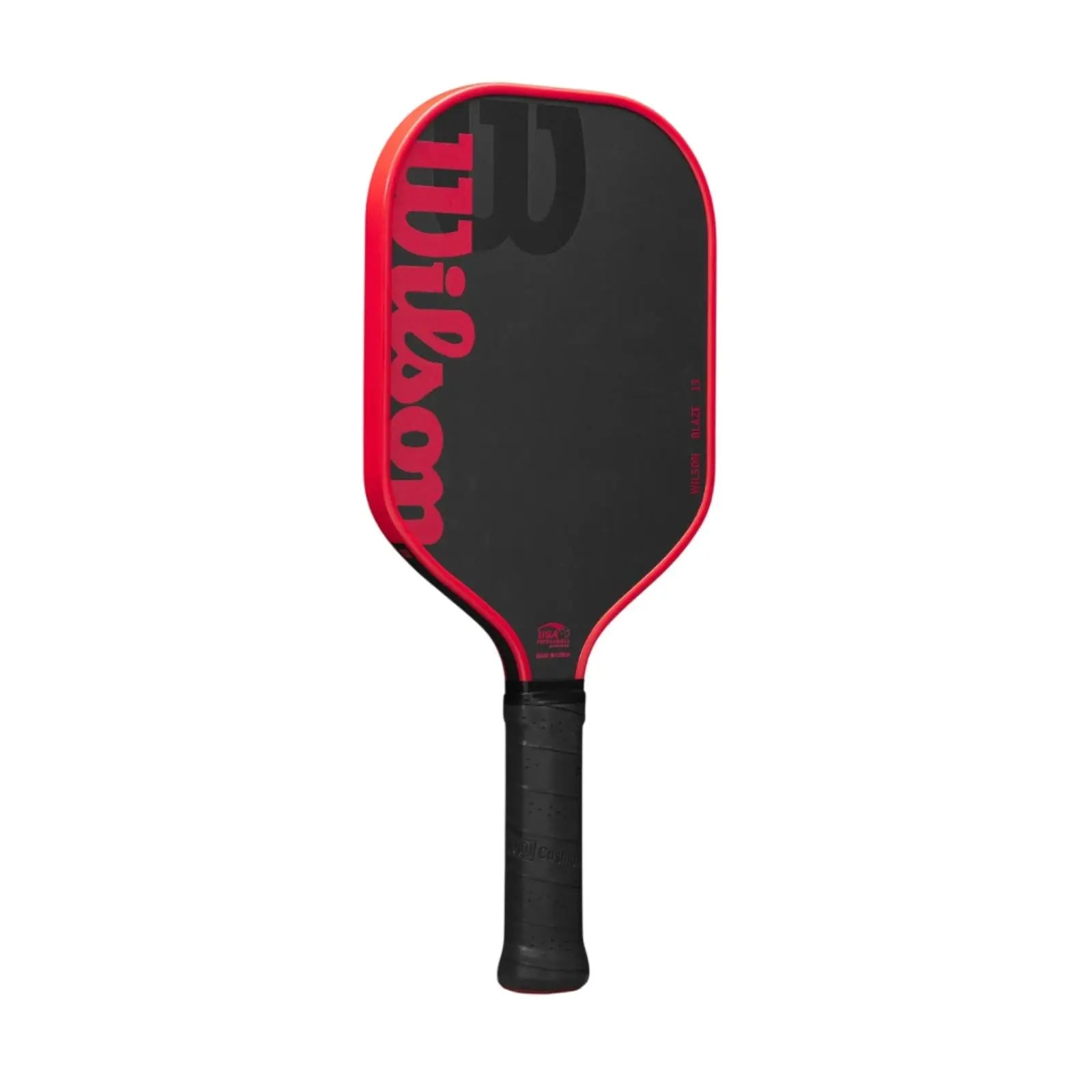
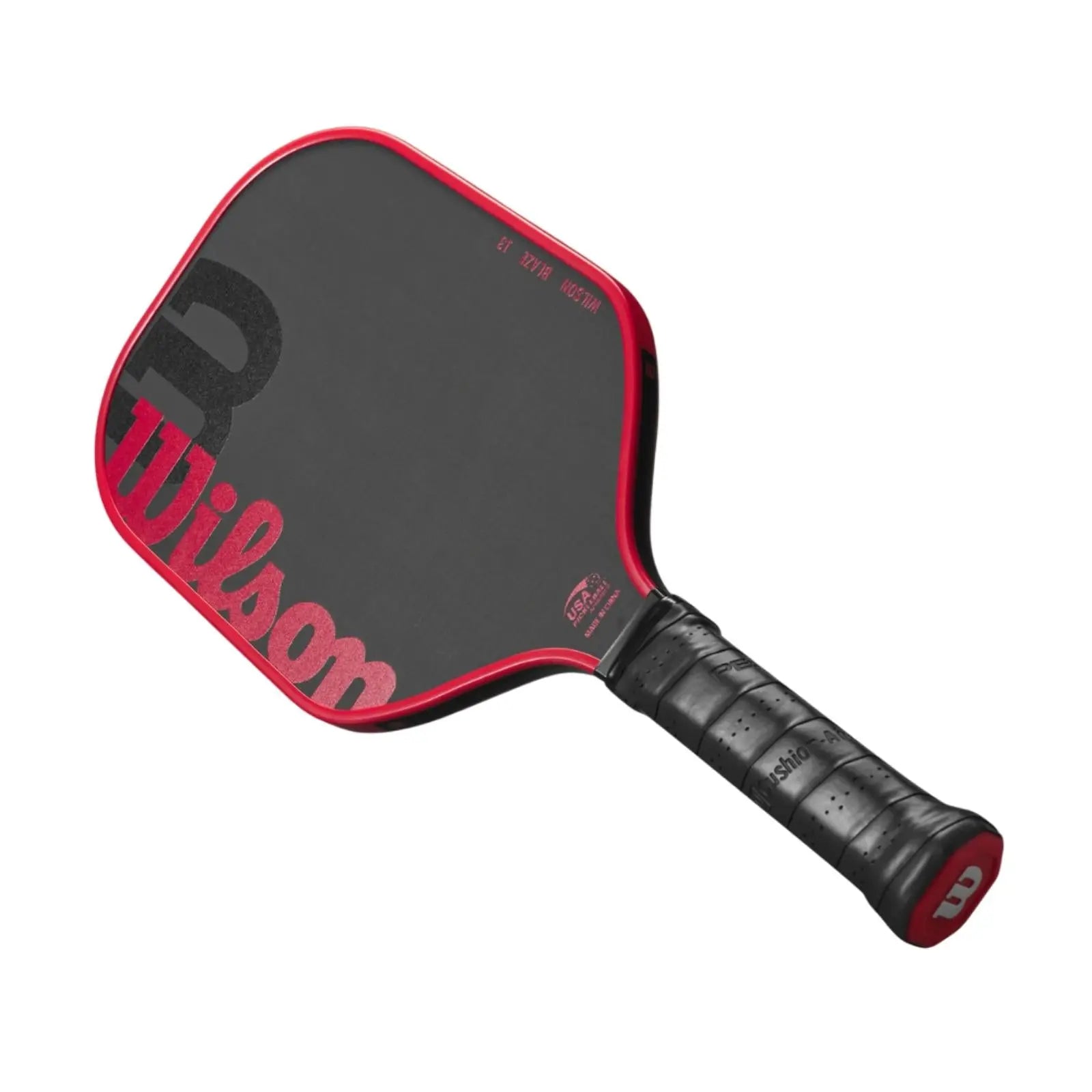
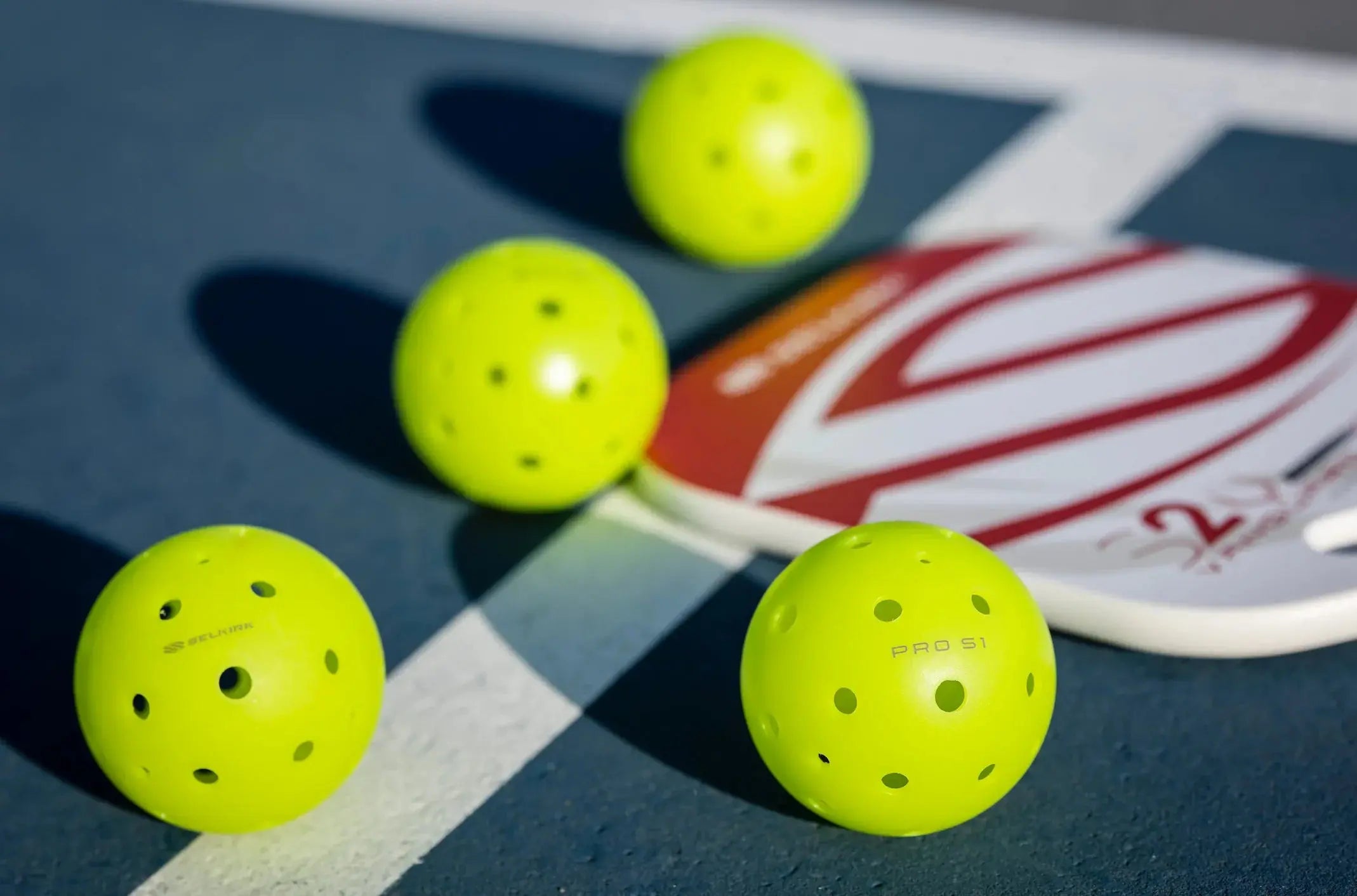
Intermediate Pickleball Paddles
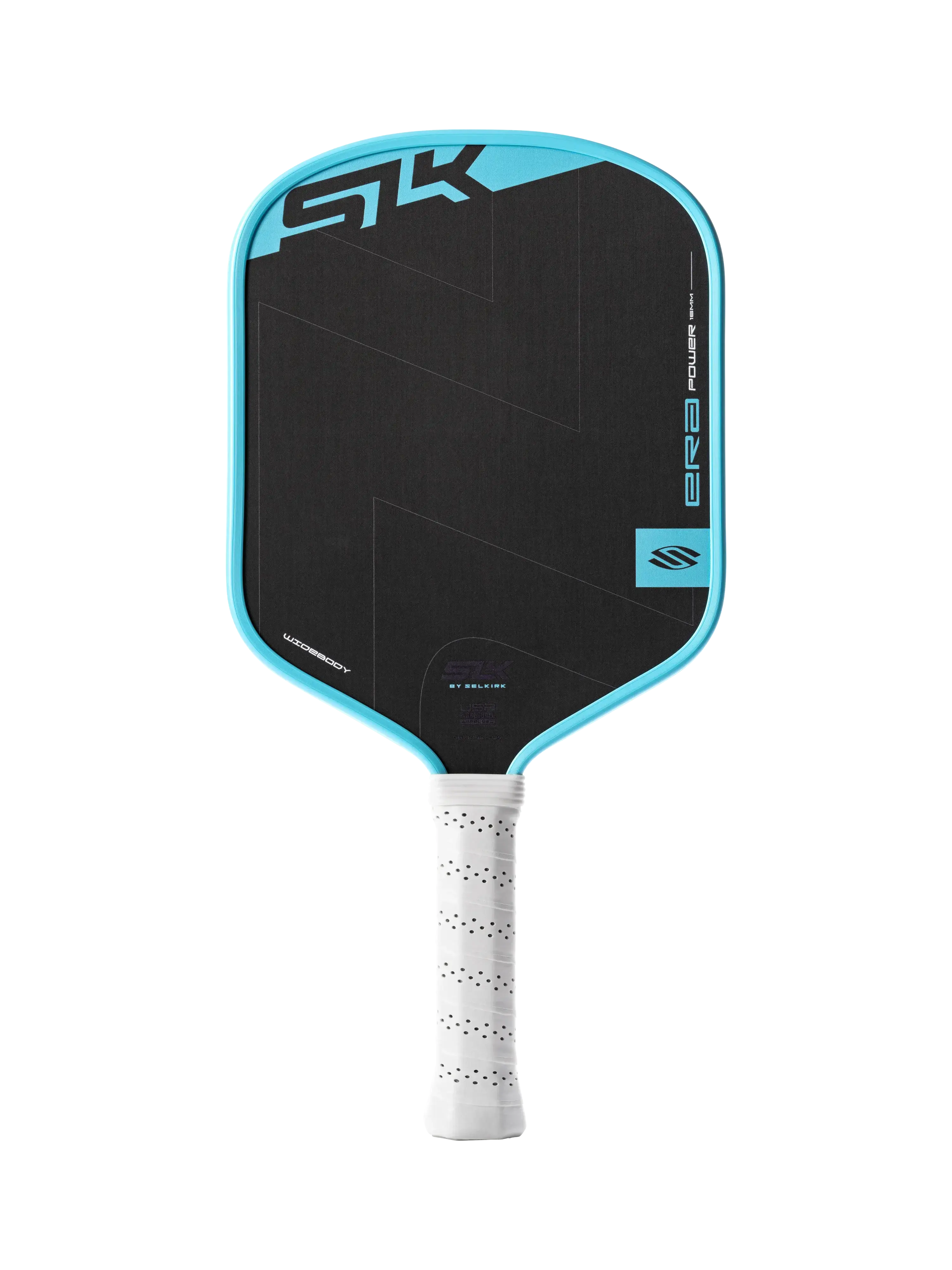
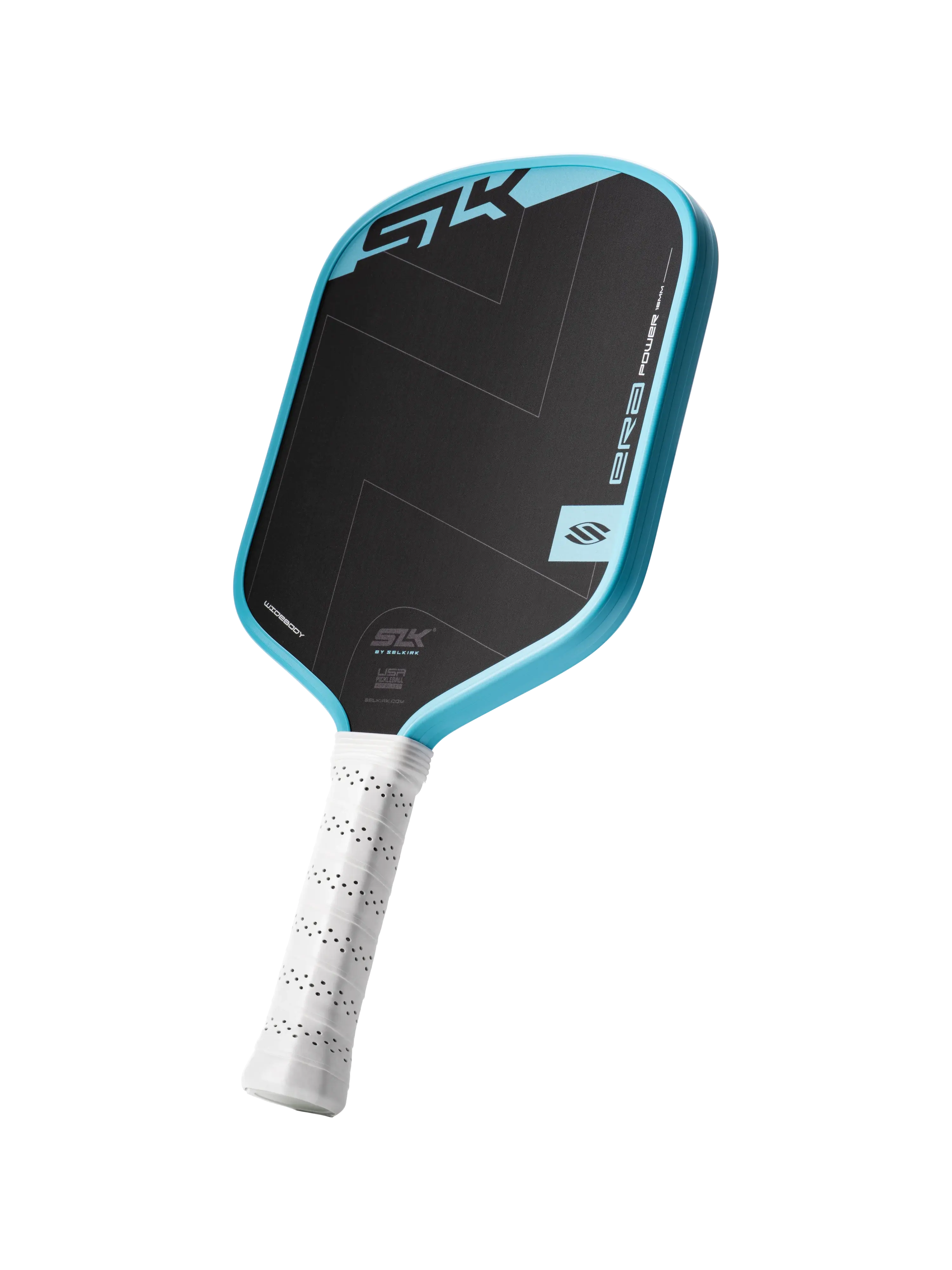
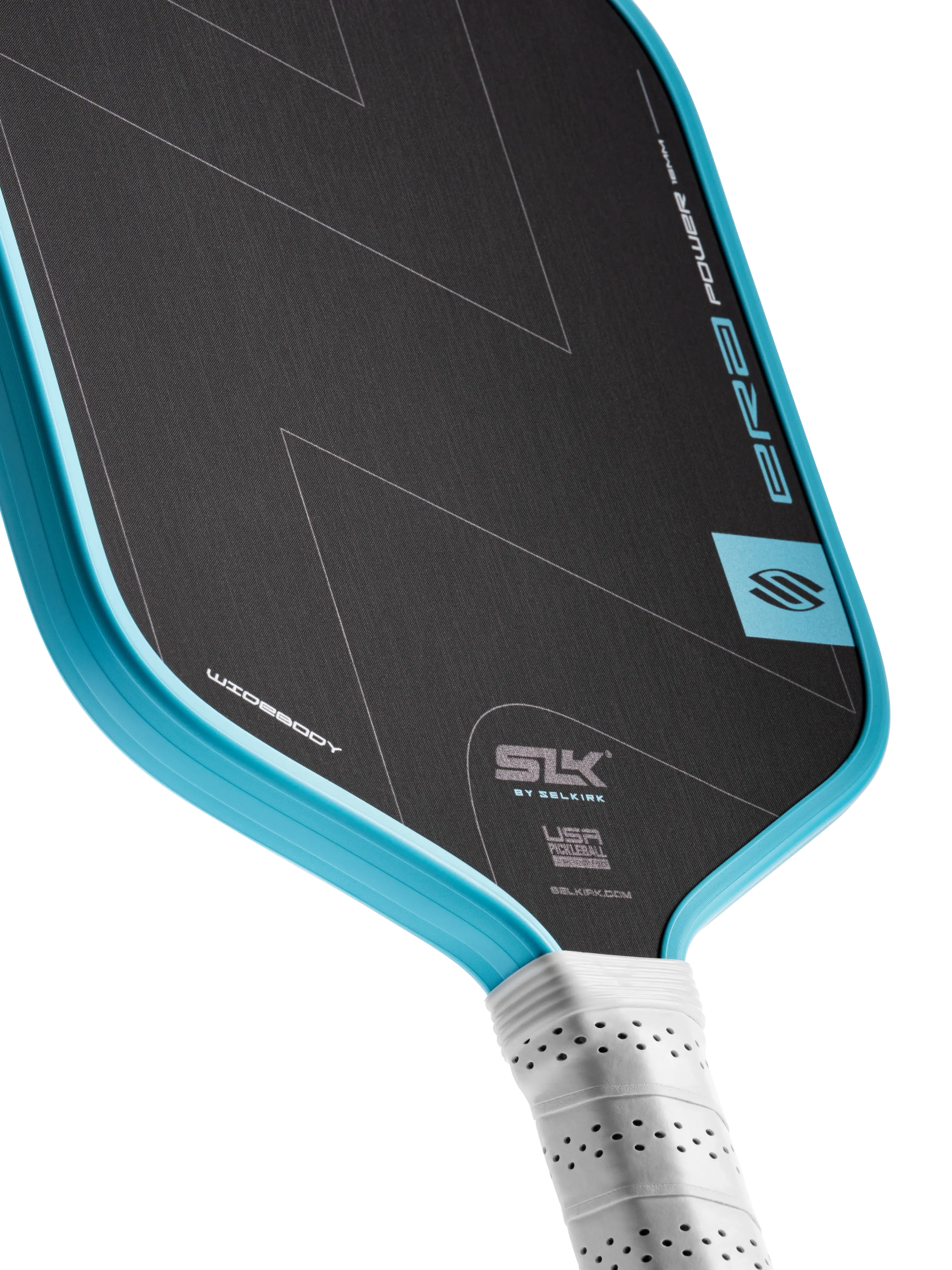
Ready to take your game up a level? If you can rally consistently at the “kitchen” (the area near the net), drive the ball with intent, and your beginner paddle feels too soft or unpredictable — it’s time to step up. Intermediate paddles have carbon hitting surfaces, thicker cores, and the spin and feel you need as you start playing more competitively.
What makes a paddle “intermediate”?
Intermediate paddles sit between the easy beginner ones and the demanding pro-level ones. They’re built for more spin and more control — while still being friendly enough that you won’t struggle to use them.
Here’s what these paddles have:
-
Carbon fibre or mixed face: The hitting surface is grittier than fibreglass — it “grips” the ball, which means you can put spin on it. Topspin shots become possible.
-
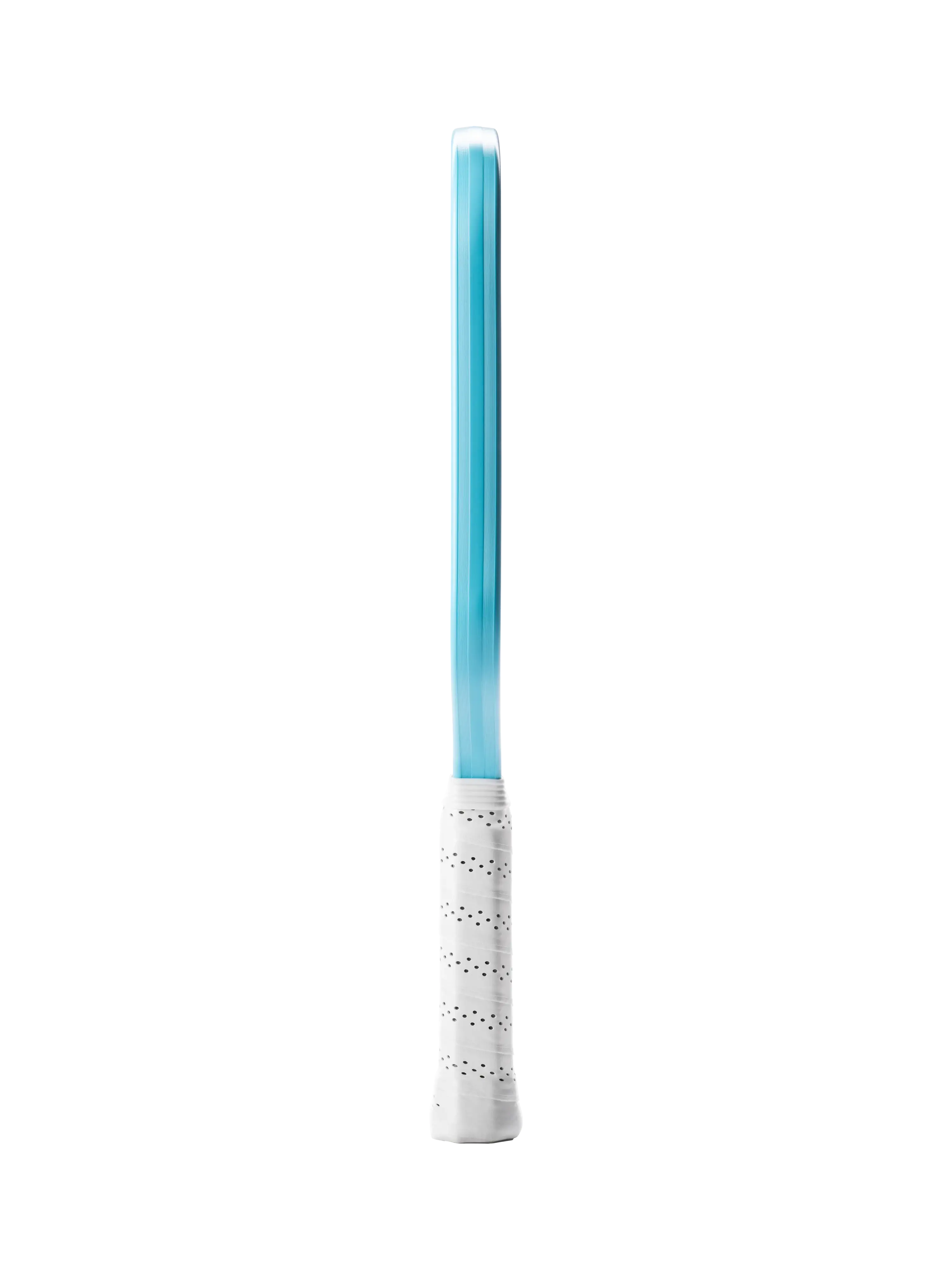
Medium-thick core (14–16mm): Firmer than beginner paddles, so the paddle responds more predictably. You’ll know what you’re going to get with every shot.
-
Balanced weight (7.6–8.2 oz / 215–232g): Heavy enough to feel stable, light enough to swing fast.
-
Longer grip: Often 4.75–5.25 inches long, so you can use a two-handed backhand if you want to.
-
Standard or elongated shape: Elongated paddles give you a bit more reach, which is handy for serves and put-aways.
These paddles help you develop the shots that matter at this level — topspin drives, dropshots, and put-aways at the net.
Is an intermediate paddle right for you?
Yes, if you:
- Are rated about DUPR 3.0–3.5 (or feel like an “okay” club player)
- Are starting to play in club games, ladder games or local tournaments
- Can rally back and forth at the kitchen line for several shots in a row
- Want to add spin to your shots
- Find your beginner paddle too “pingy” or unpredictable
If you’re still figuring out the basics, the soft game, and where to stand — stick with a beginner paddle a bit longer. They’re more forgiving while you’re learning.
Carbon vs fibreglass — which to pick
This is the big choice at intermediate level:
-
Carbon fibre faces: Grittier surface, more spin, firmer feel. Great if you like to hit hard from the baseline or want to add topspin.
-
Fibreglass faces: Softer feel, more natural pop, more forgiving. Great for net specialists who play a touch game.
-
Mixed (carbon + fibreglass): Combines the spin of carbon with the softer feel of fibreglass. A great in-between option.
If you’re not sure, carbon paddles are the most popular choice in 2026 — they give spin similar to pro paddles at a more affordable price.
How do these compare?
| What to compare |
Beginner |
Intermediate |
Performance |
| Core thickness |
13–16mm |
14–16mm |
16–20mm |
| Face material |
Fibreglass / composite |
Carbon or mixed |
Raw carbon (T700/T800) |
| Weight |
7.3–7.8 oz |
7.6–8.2 oz |
7.8–8.4 oz |
| Spin you can hit |
A little |
Plenty |
The most |
| How forgiving? |
Most forgiving |
Pretty forgiving |
Least forgiving |
| Best for |
New players |
Improving players |
Tournament players |
Top intermediate paddle brands
-
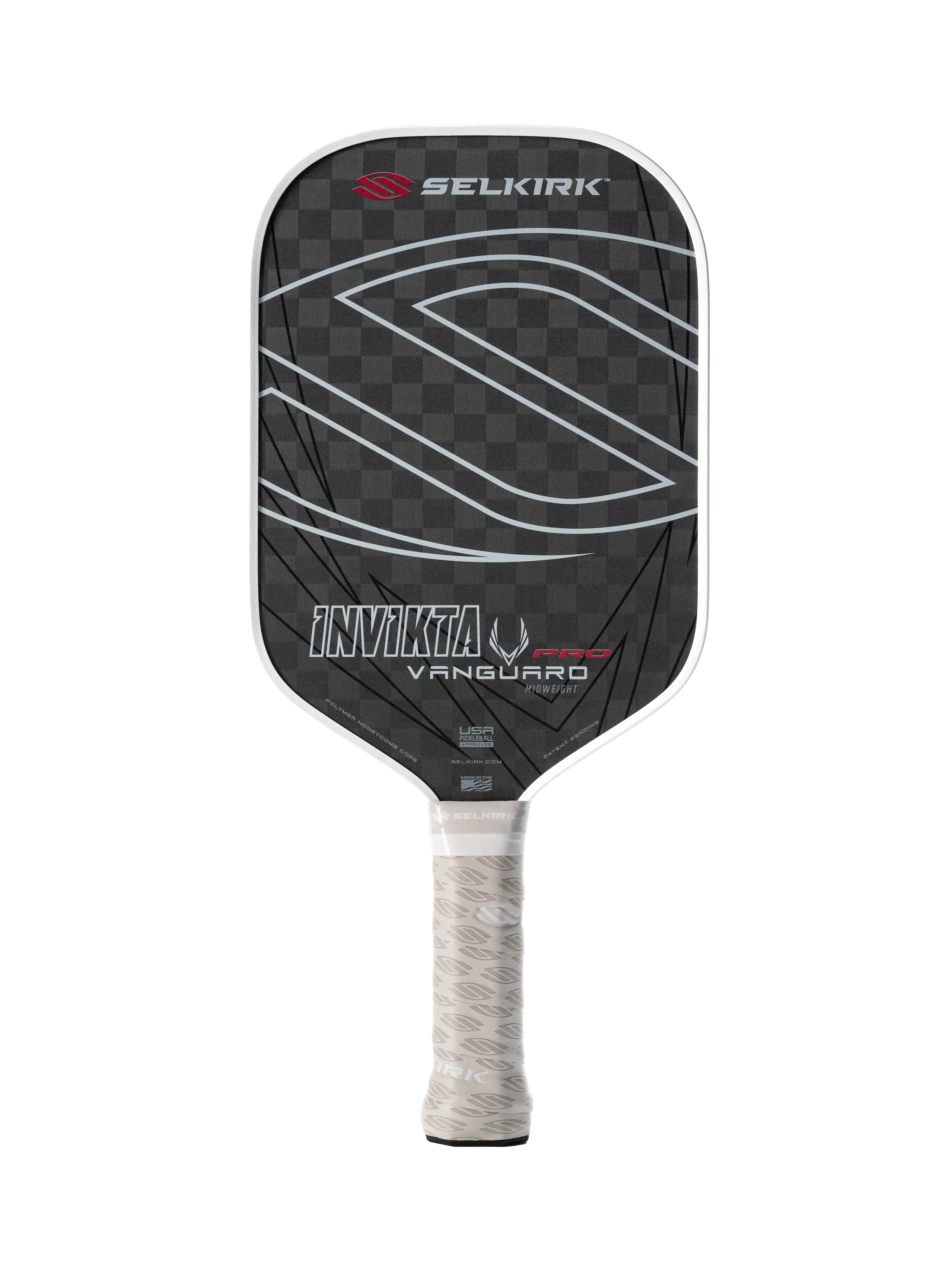
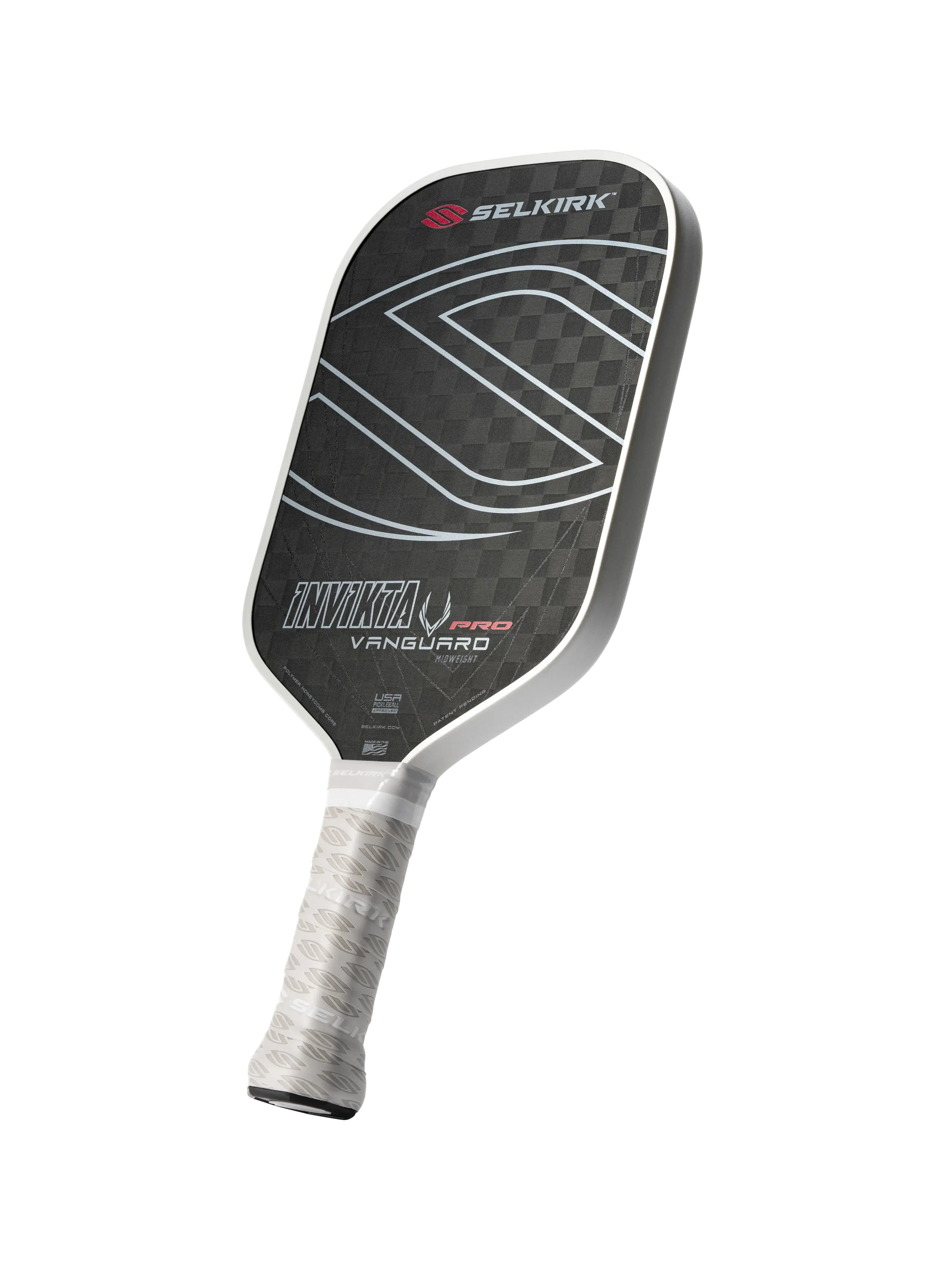
Selkirk — The Vanguard and SLK ranges have something for every style
-
Wilson — The Echo and Juice series are popular carbon paddles
-
Pro Kennex — The Black Ace and Pro Speed paddles, easy on the arm
-
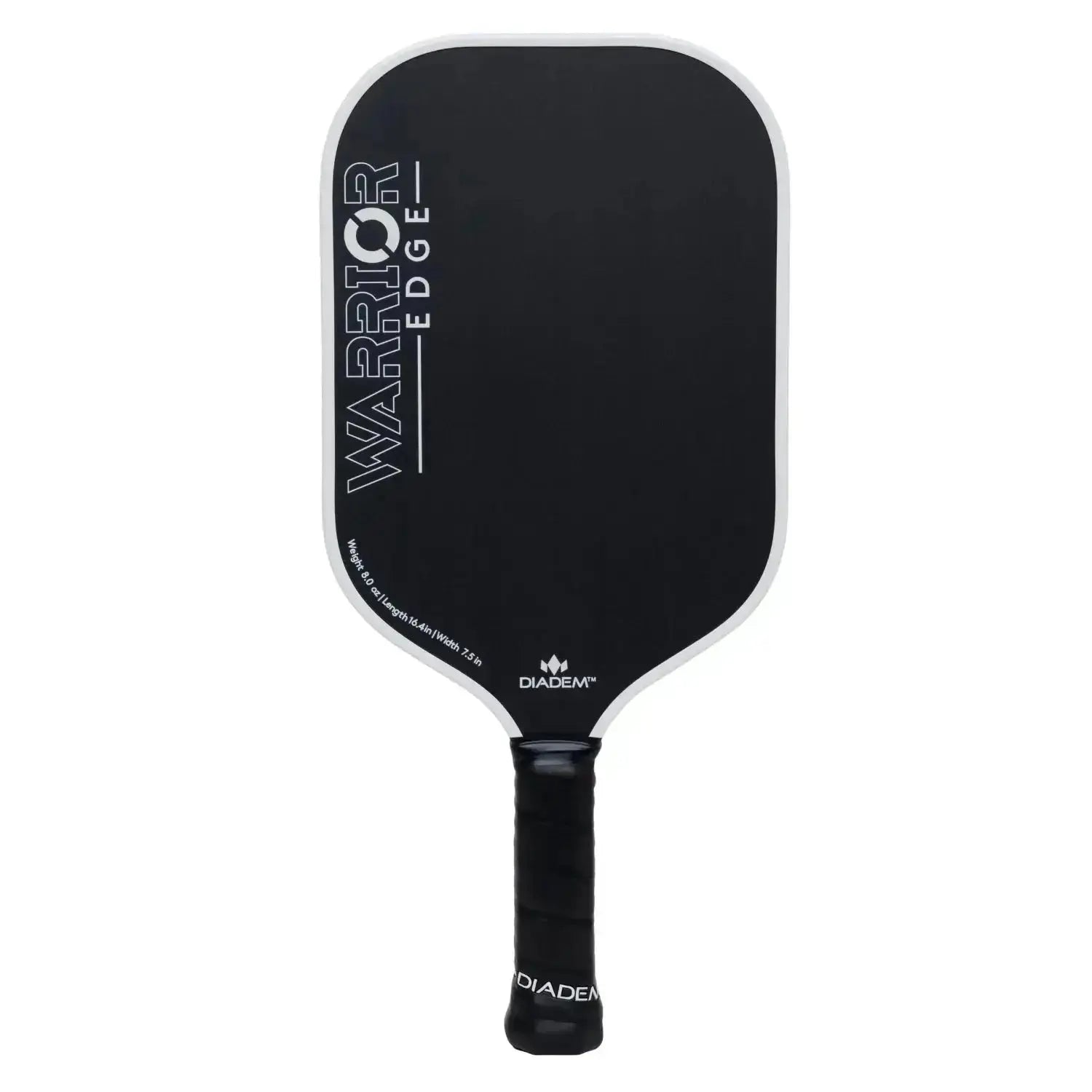
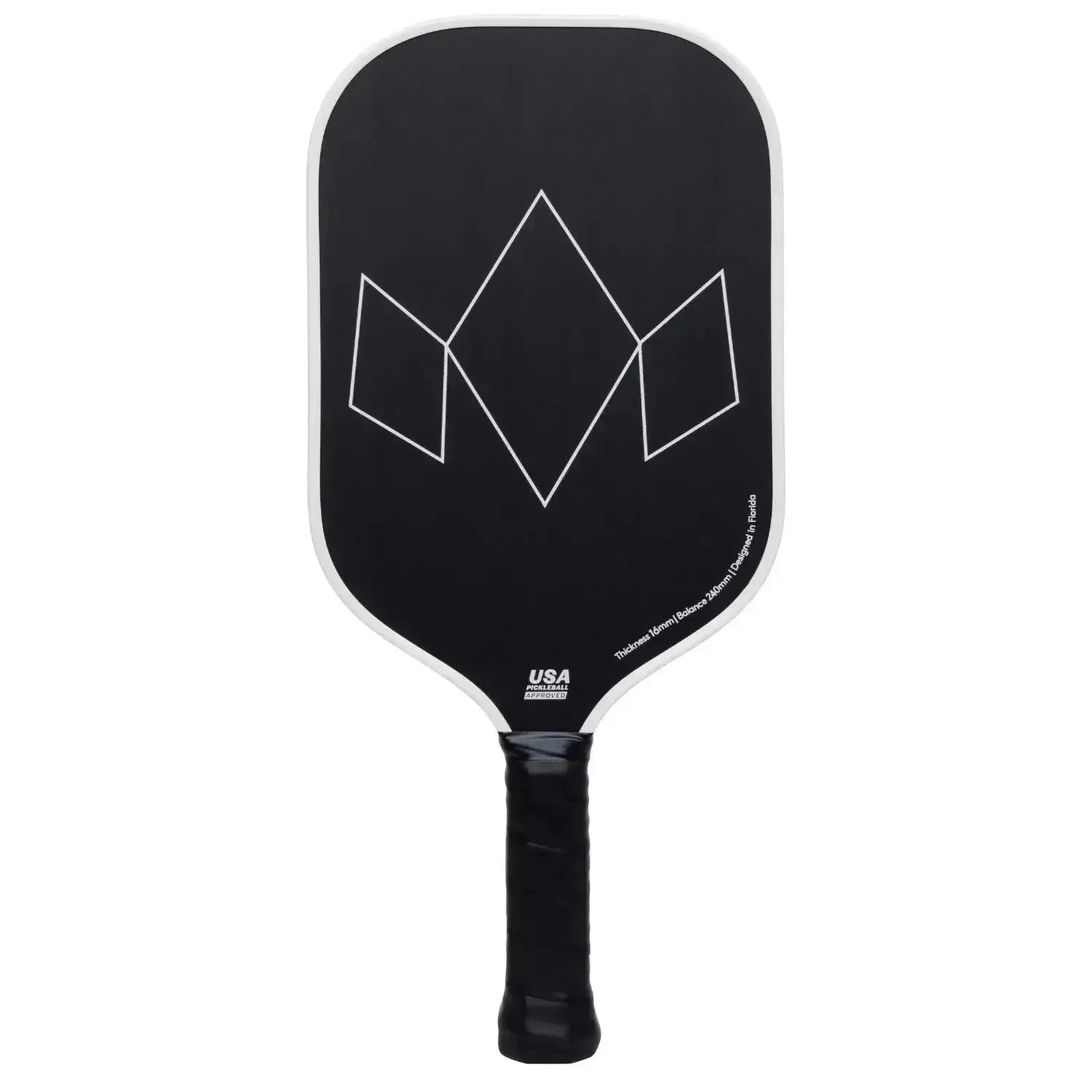
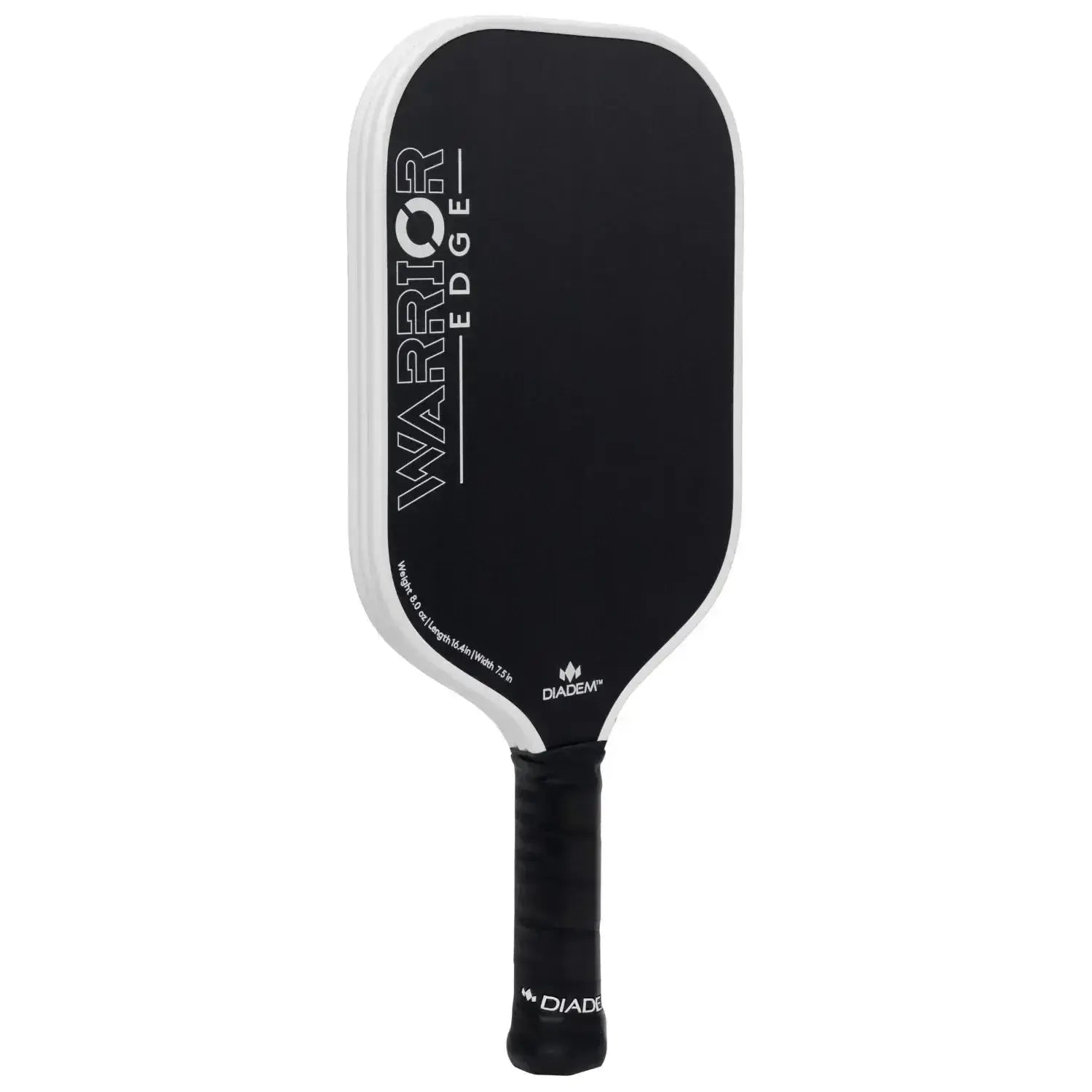
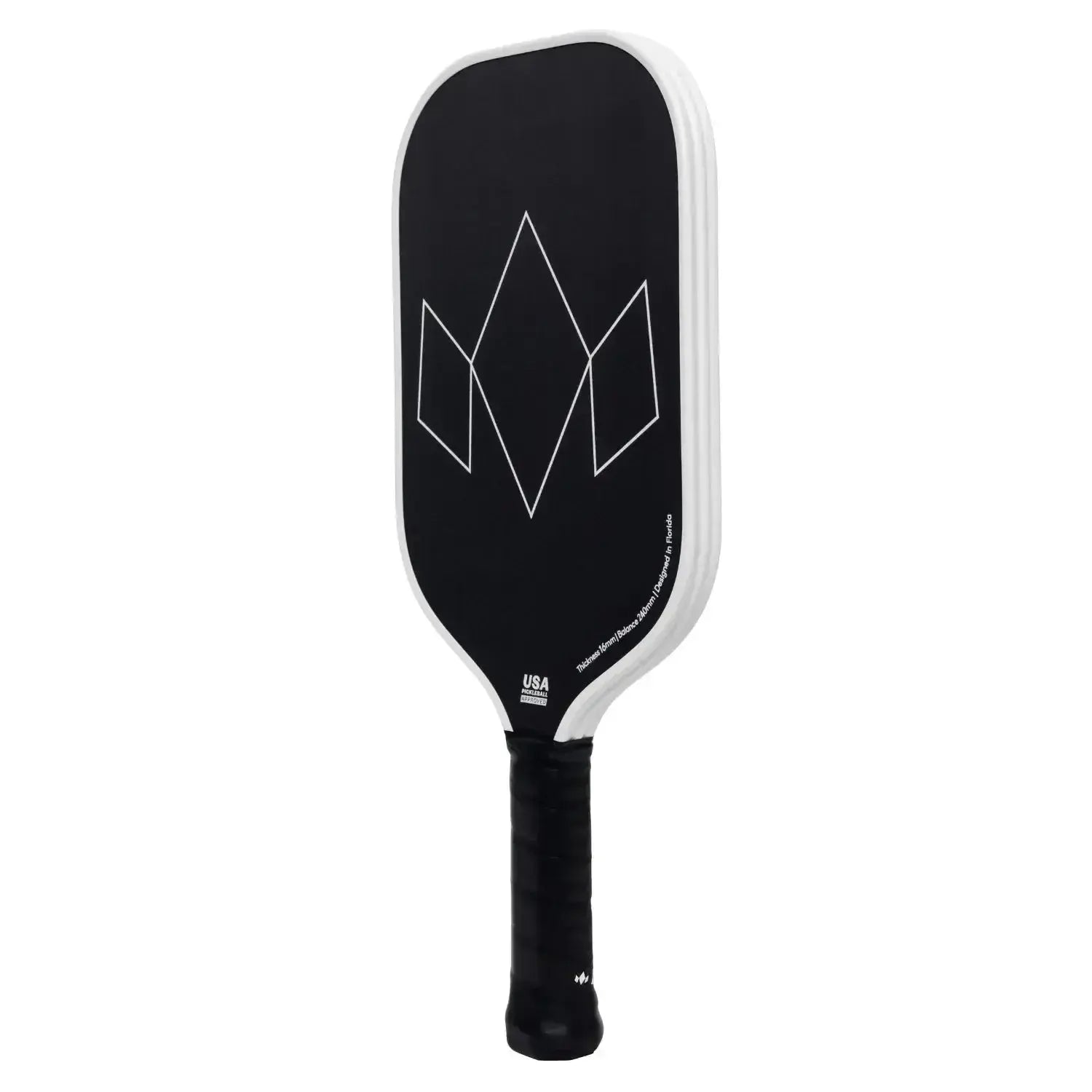
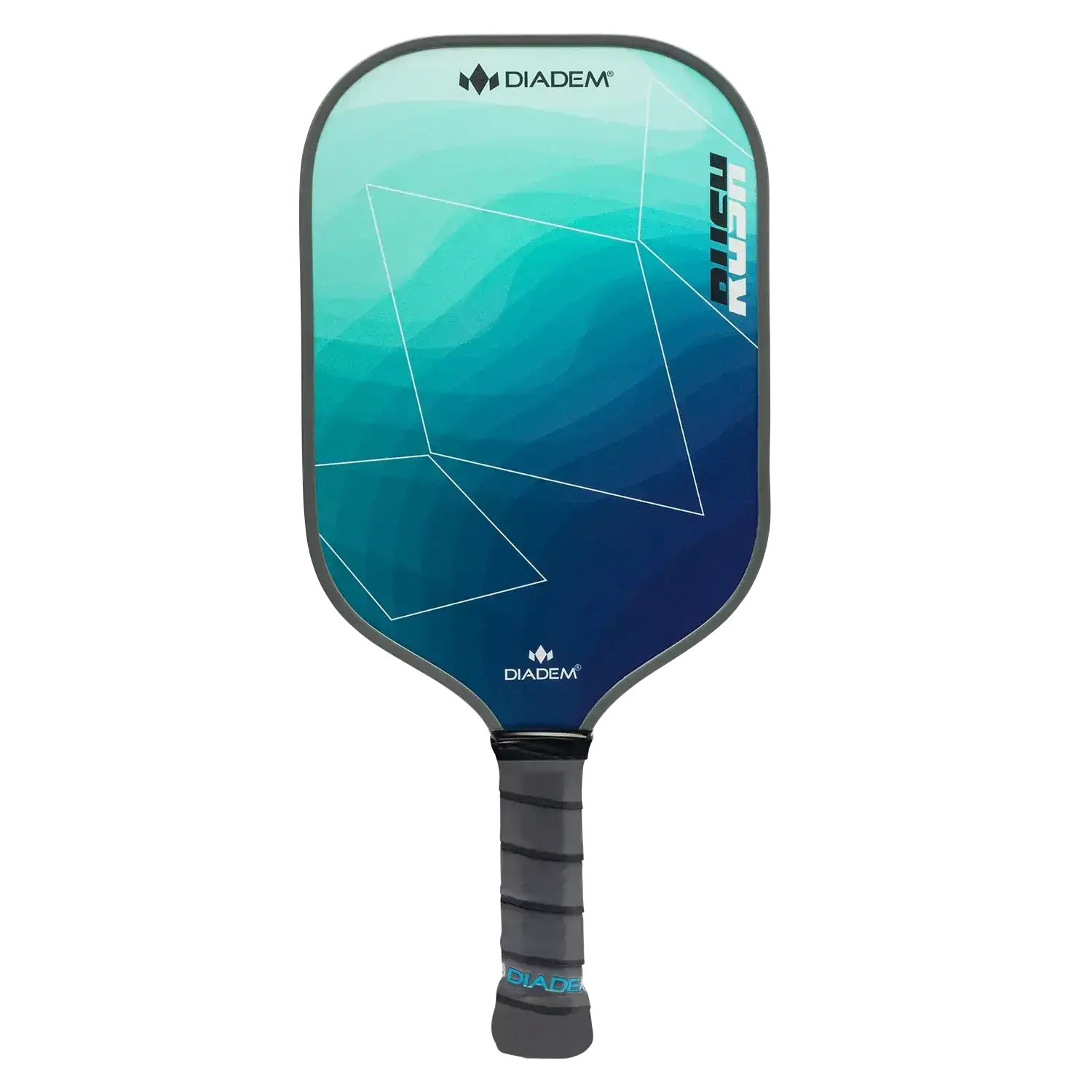
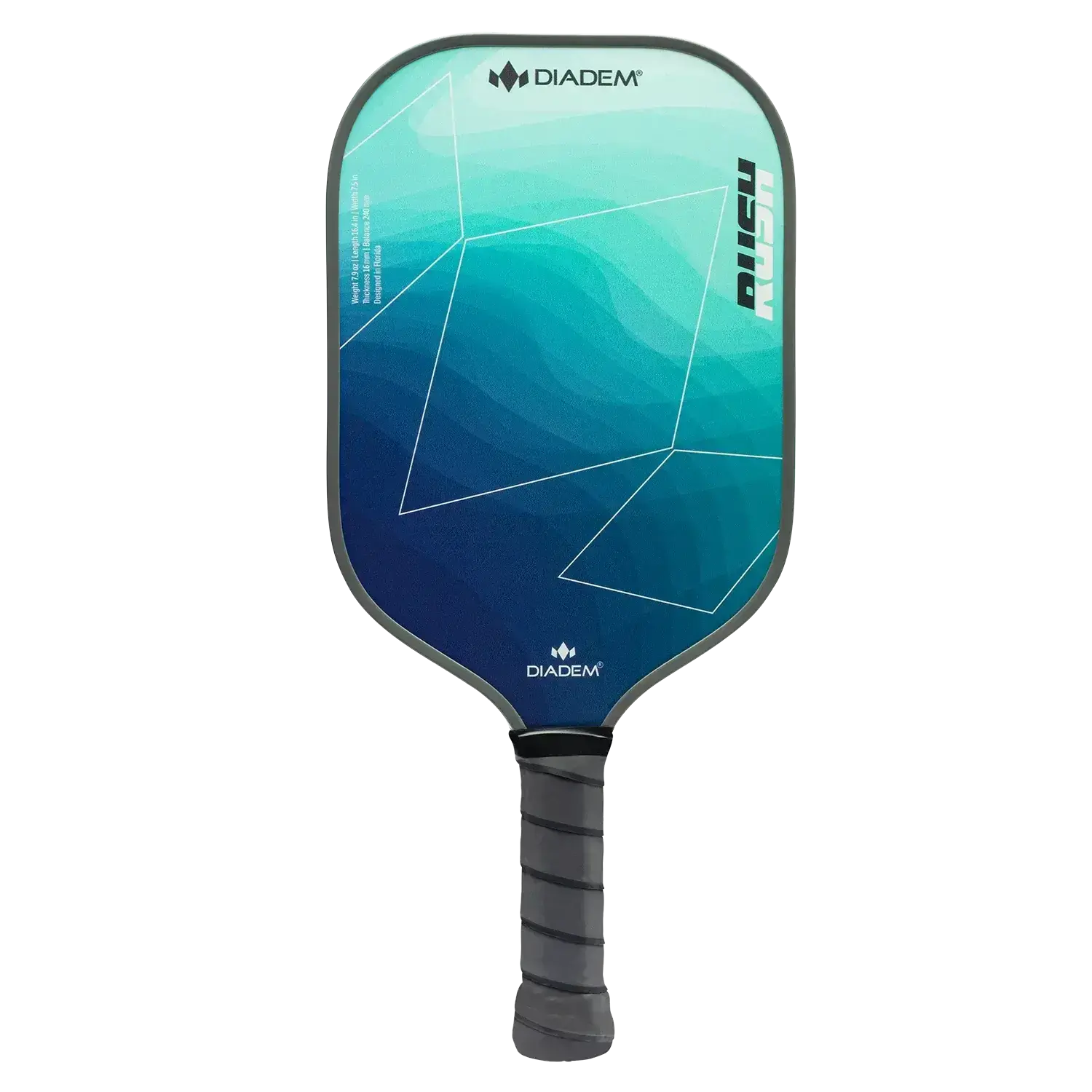
Diadem — The Warrior and Vice paddles are great modern options
-
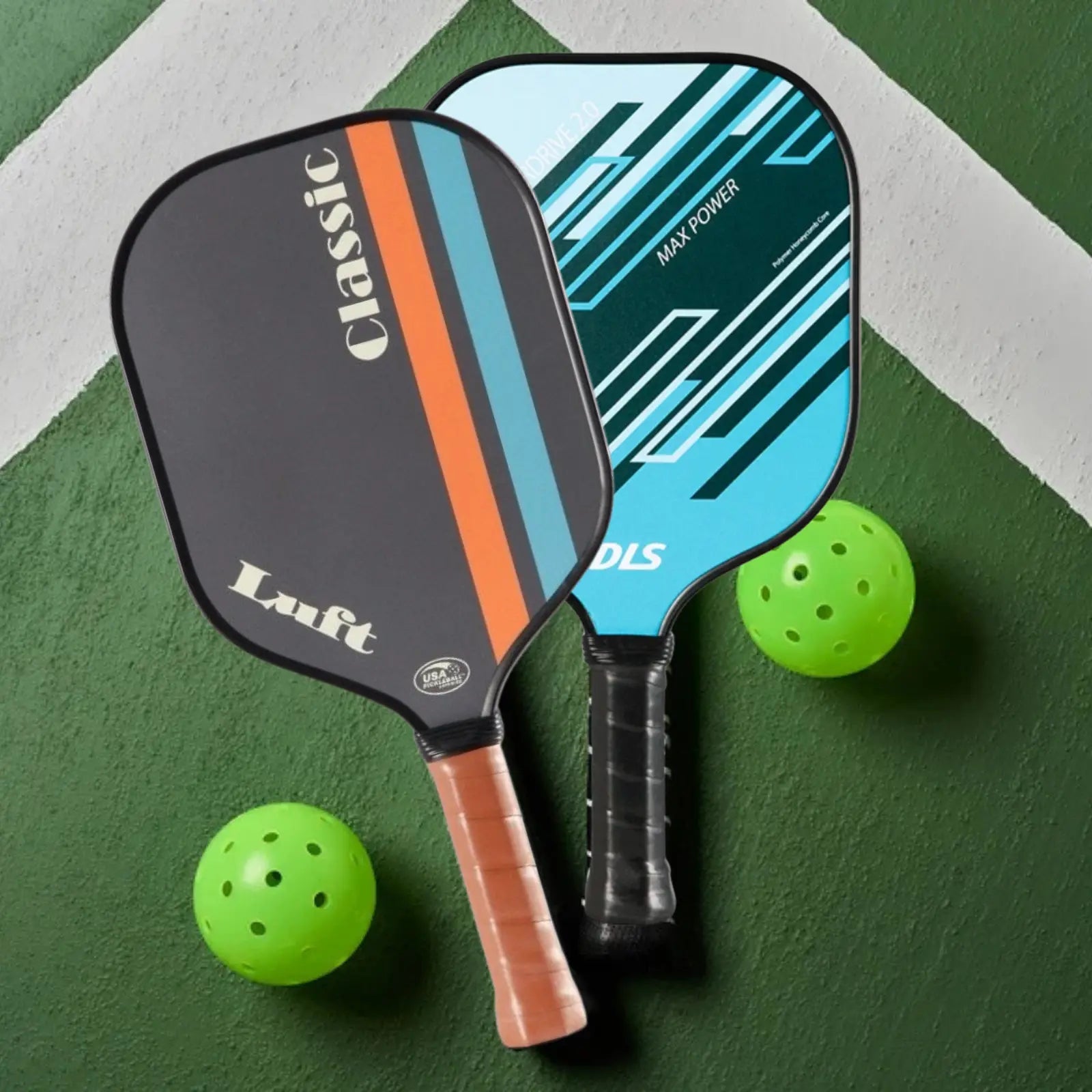
Luft — Carbon paddles at sharp prices
Round out your kit
-
Pickleball balls — Tournament-grade outdoor balls hold up to harder play.
-
Court shoes — Side-to-side support for the quick movements at the kitchen line.
-
Overgrips — Tacky tape for sweaty matches.
-
Paddle bag — A thermal bag protects your paddle from the heat in your car.
Common questions
How do I know I’m ready to upgrade?
If you can keep a dink rally going at the kitchen, you’re winning more games than you’re losing at the club, and your paddle feels either too soft or too random — you’re ready. Usually this happens at around DUPR 3.0–3.5, or after 6–12 months of playing regularly.
What weight should I get?
Between 7.6 and 8.2 ounces. Lighter paddles (7.6–7.8 oz) are great for doubles — you can react faster at the net. Heavier paddles (8.0–8.2 oz) are better for singles or hard hitters who want more power.
14mm or 16mm core?
14mm = quicker, poppier paddle. Better for fast hands at the net. 16mm = softer, more control. Better for dinking and dropshots. 16mm is more popular at this level.
What’s a thermoformed paddle?
It’s a paddle made in one solid piece (the face, core and edge are all bonded together with heat). This makes the paddle stiffer and gives it more pop. They’re fine for intermediate players, but the really stiff ones can be hard to control.
Should I get a standard or elongated paddle?
Standard shapes have a bigger sweet spot — safer choice. Elongated shapes give you more reach and power but a smaller sweet spot. If you play singles or want more power from the baseline, elongated. For doubles, standard is usually better.
How often should I replace my paddle?
Most paddles last 12–18 months with regular play. The honeycomb core gets softer over time and the face wears down, which affects spin. If you’re playing tournaments, you might want a new paddle every 6–9 months.