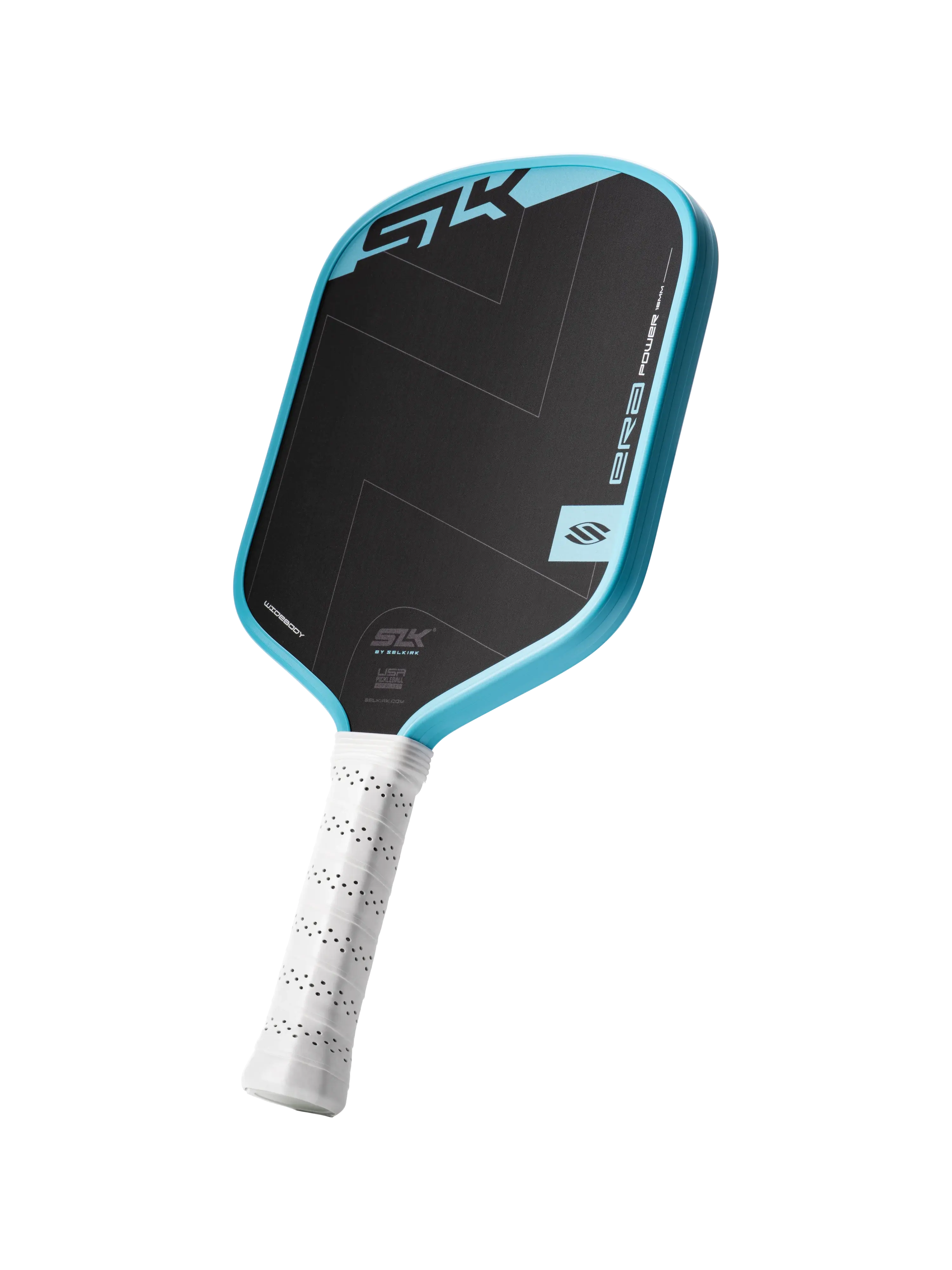
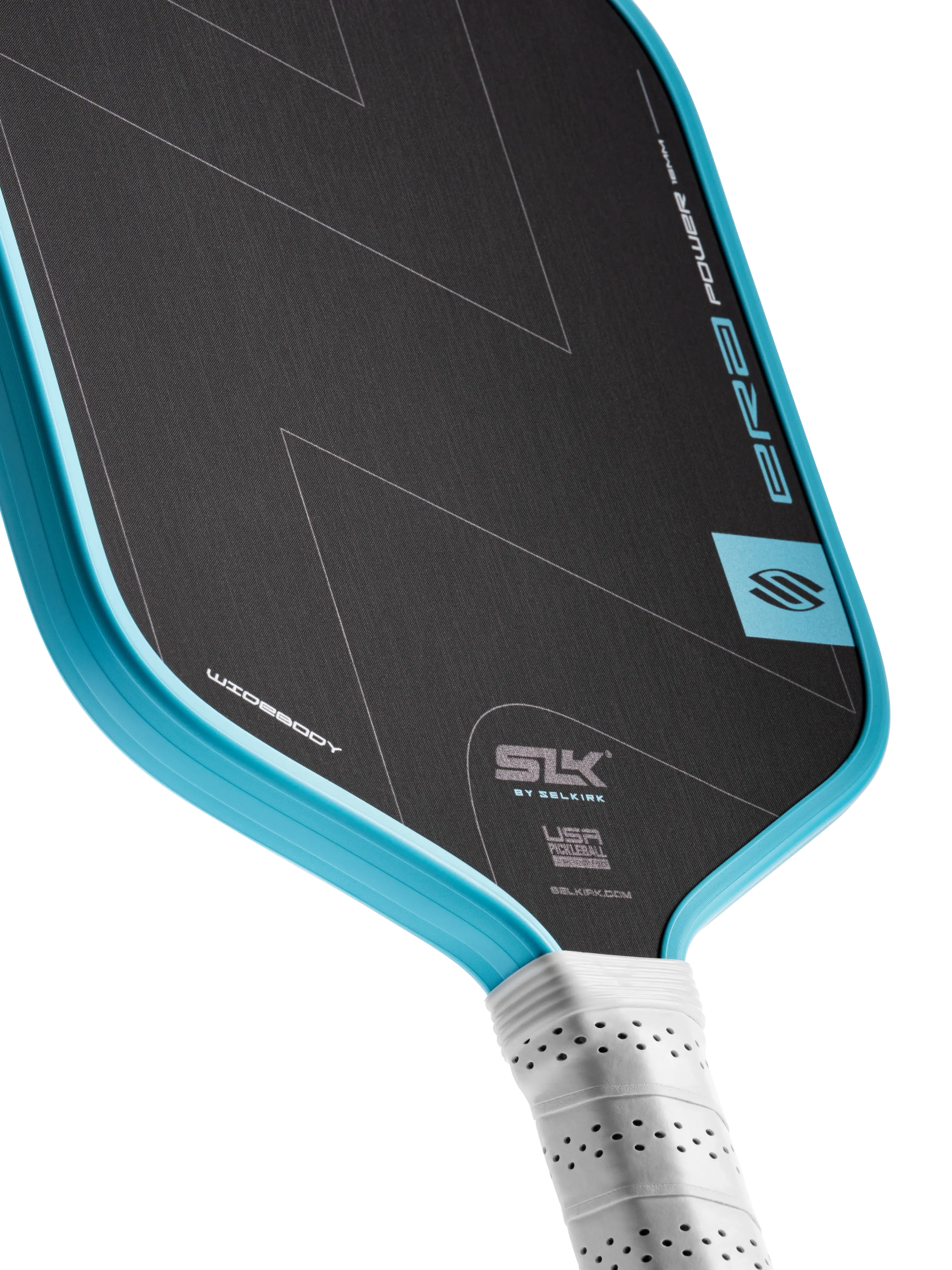
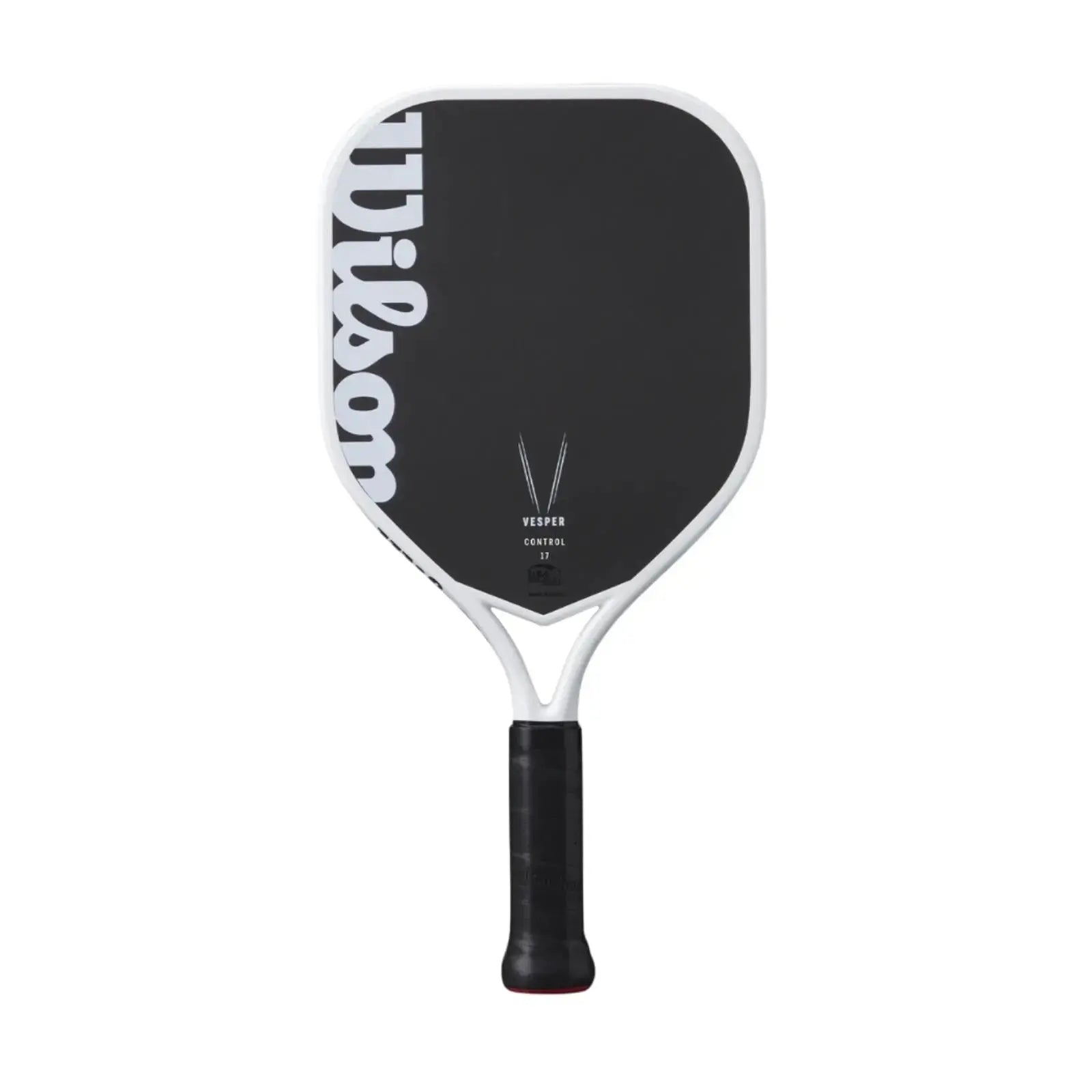
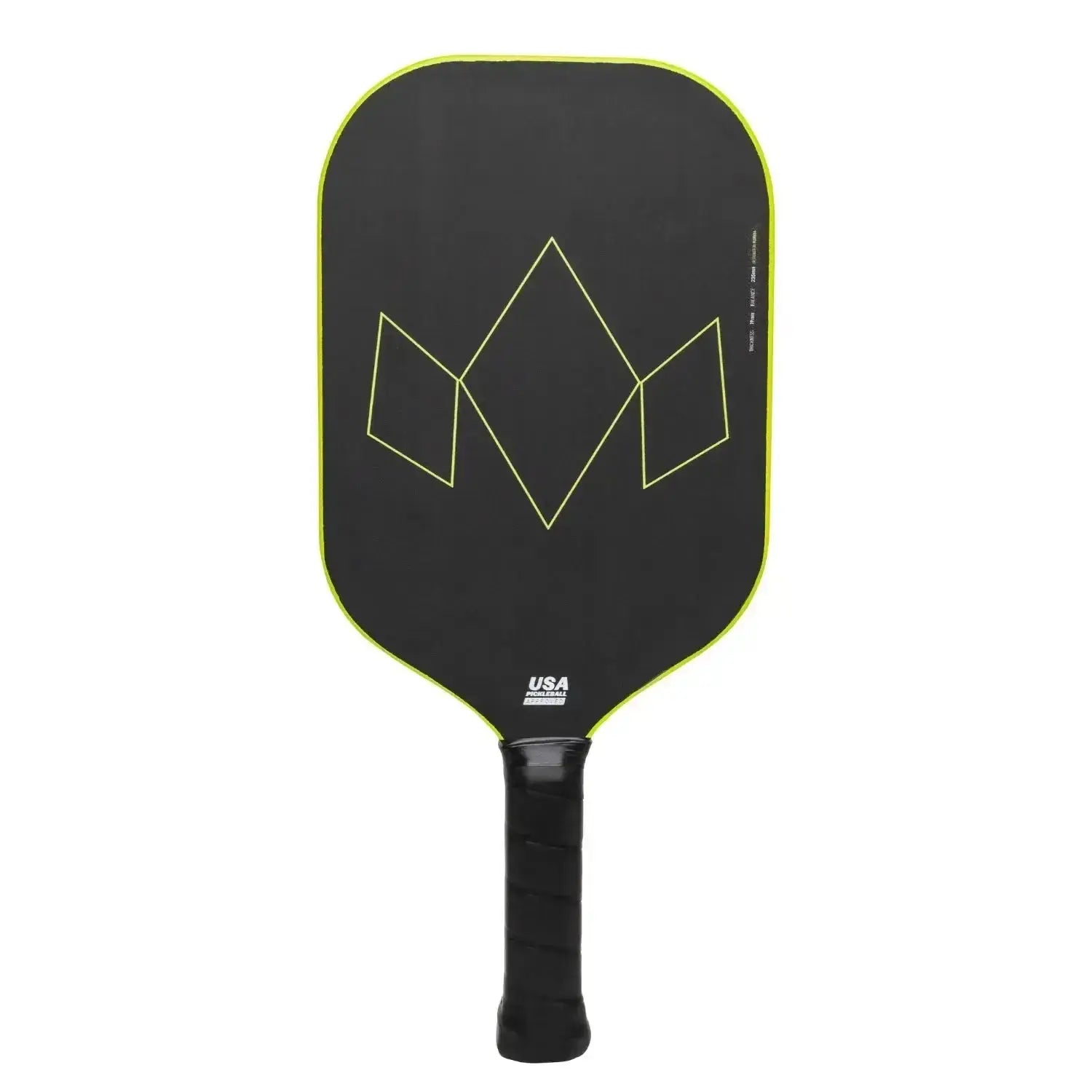
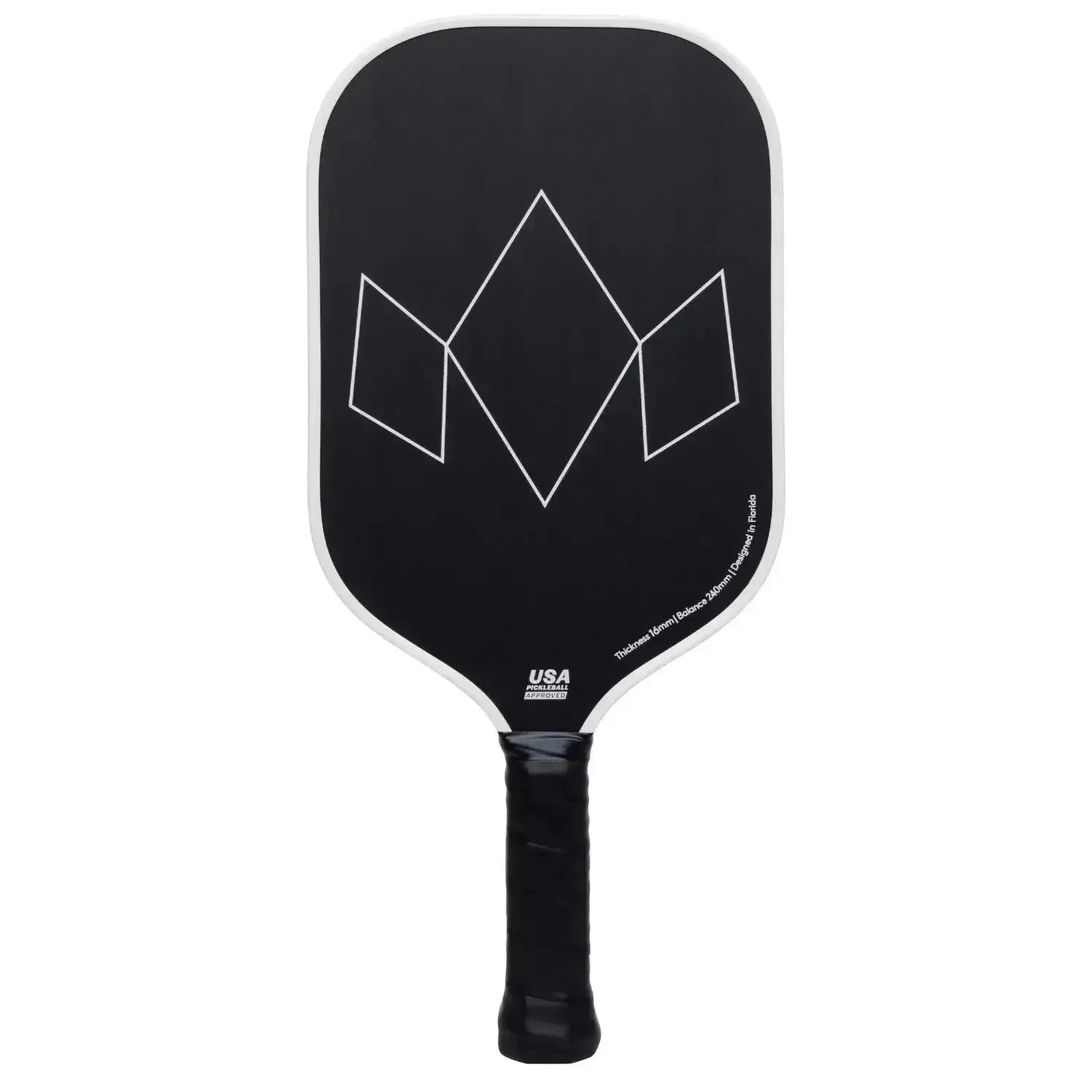
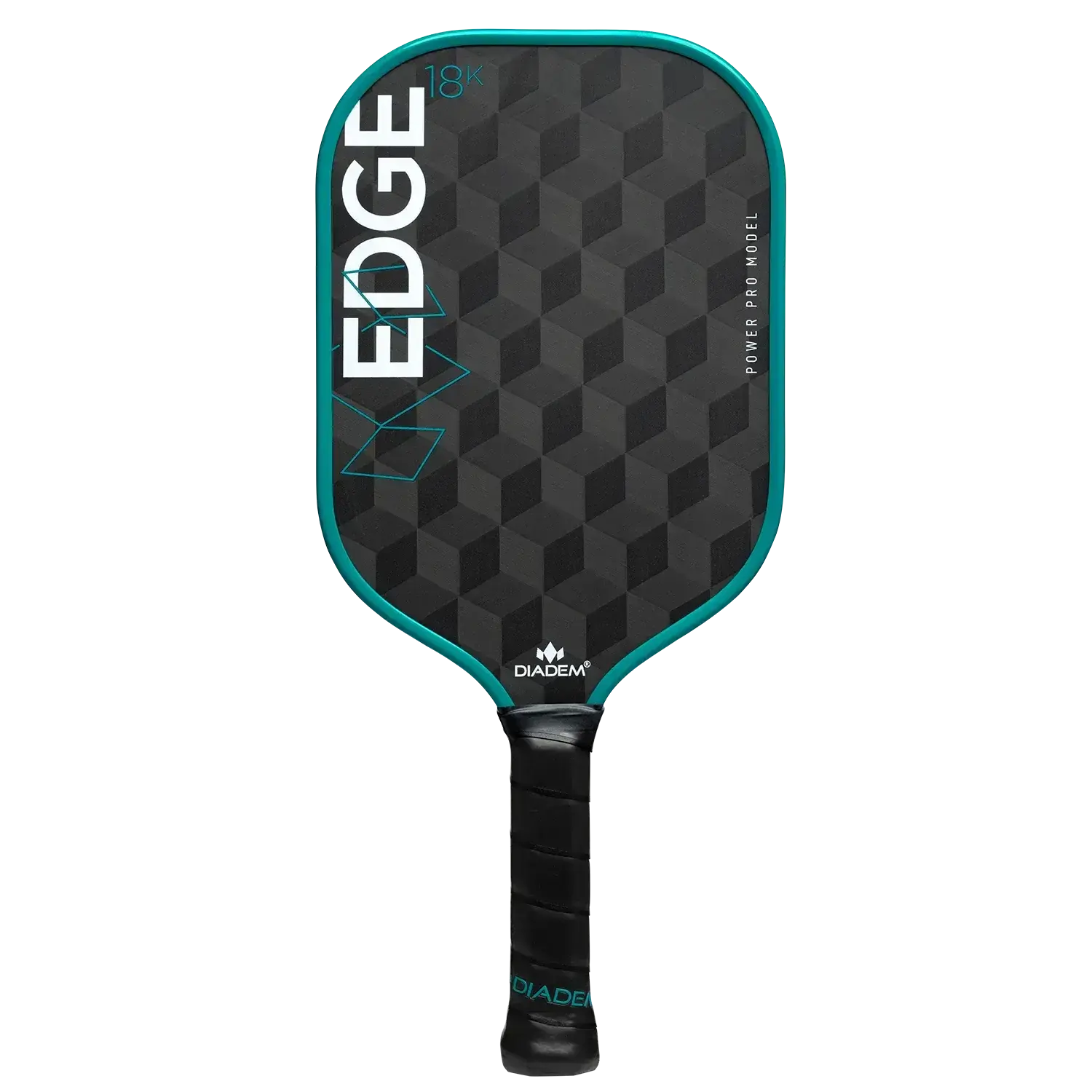
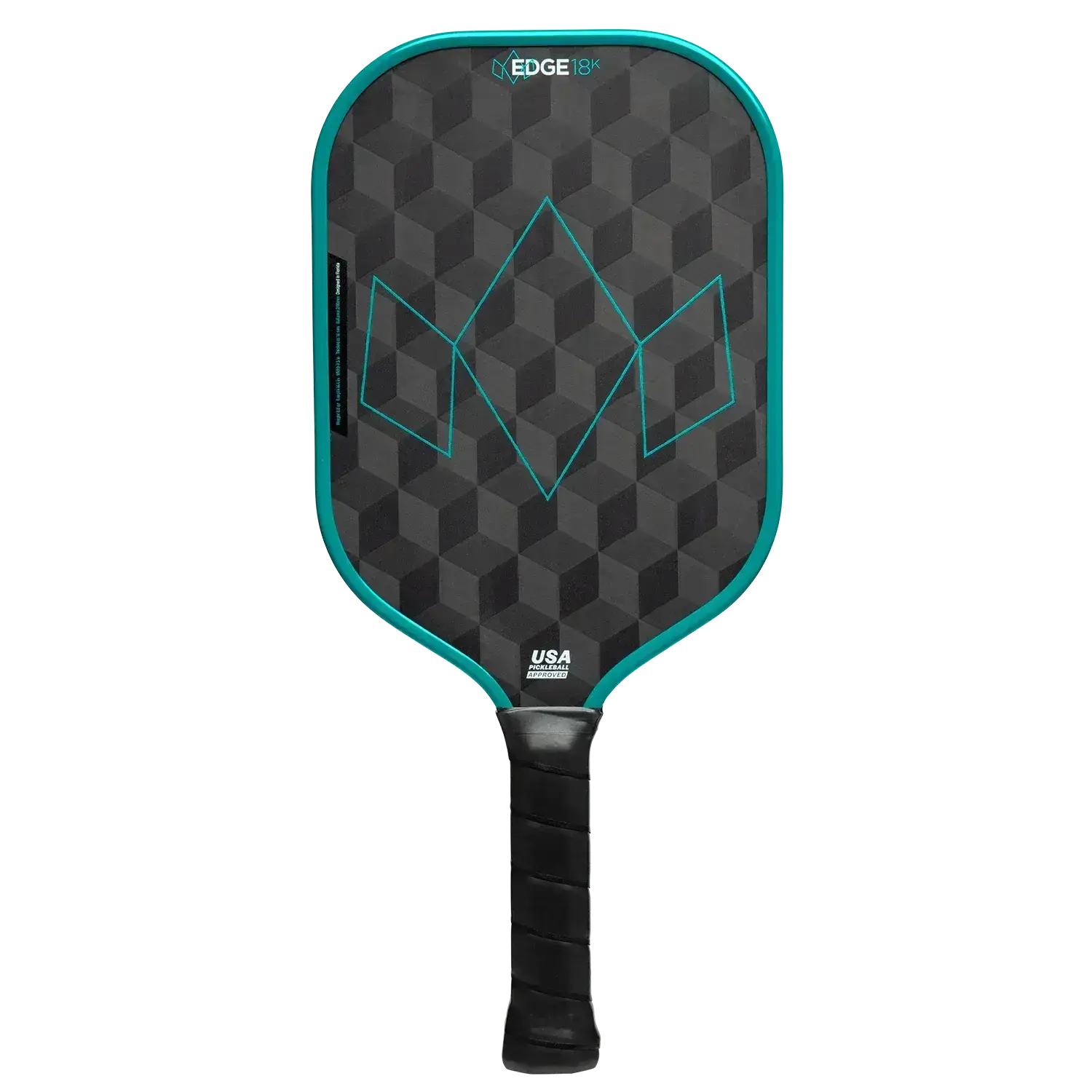
Performance Pickleball Paddles
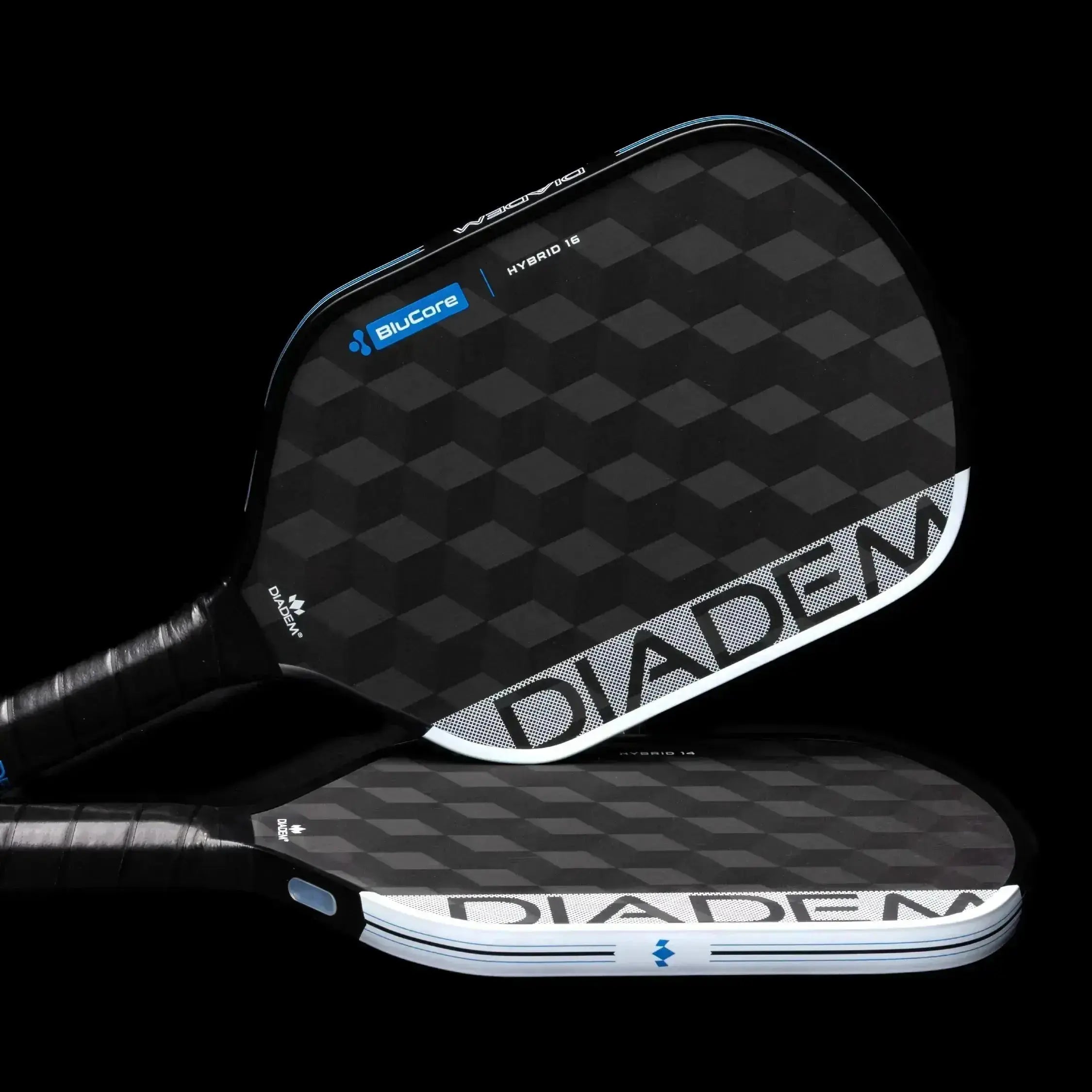
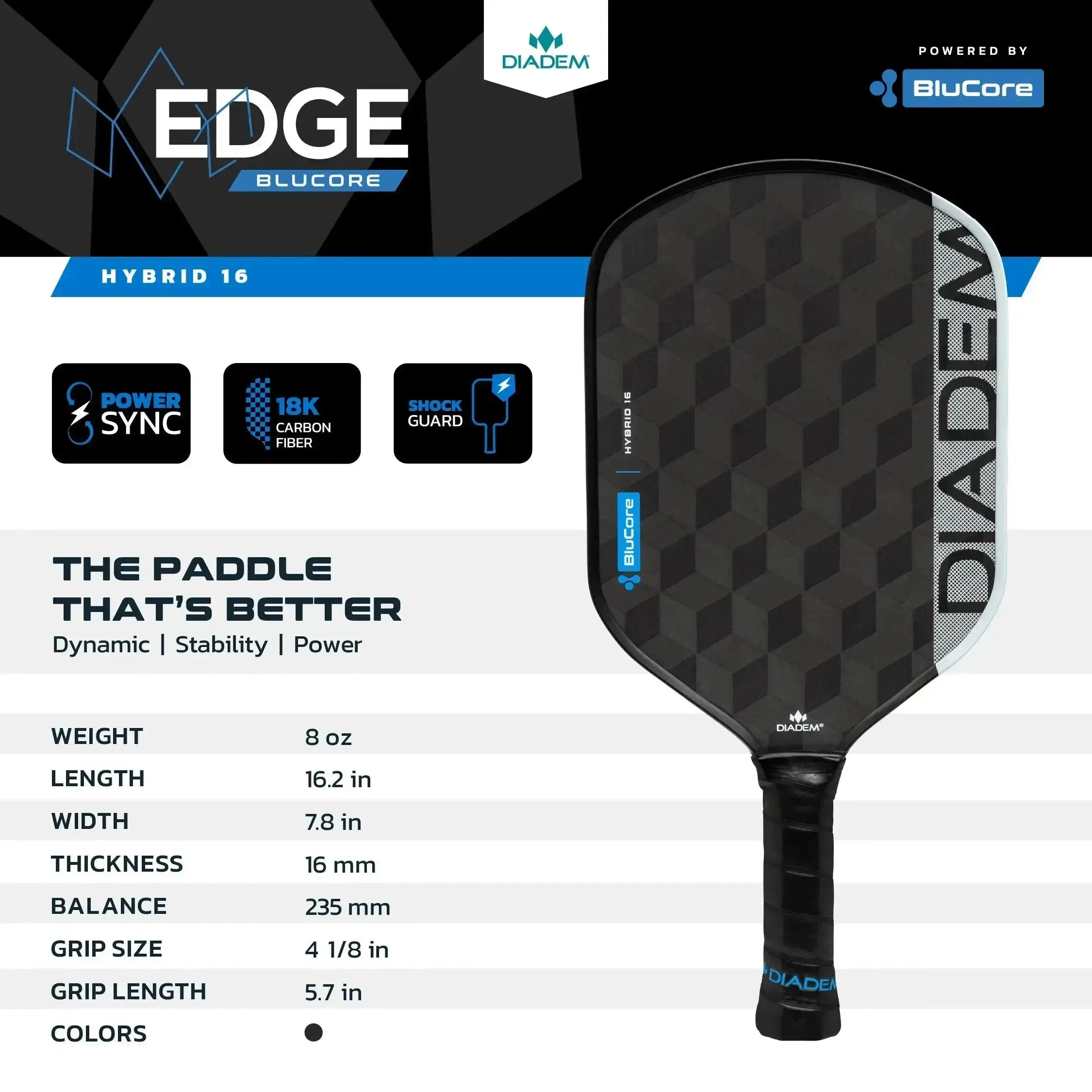
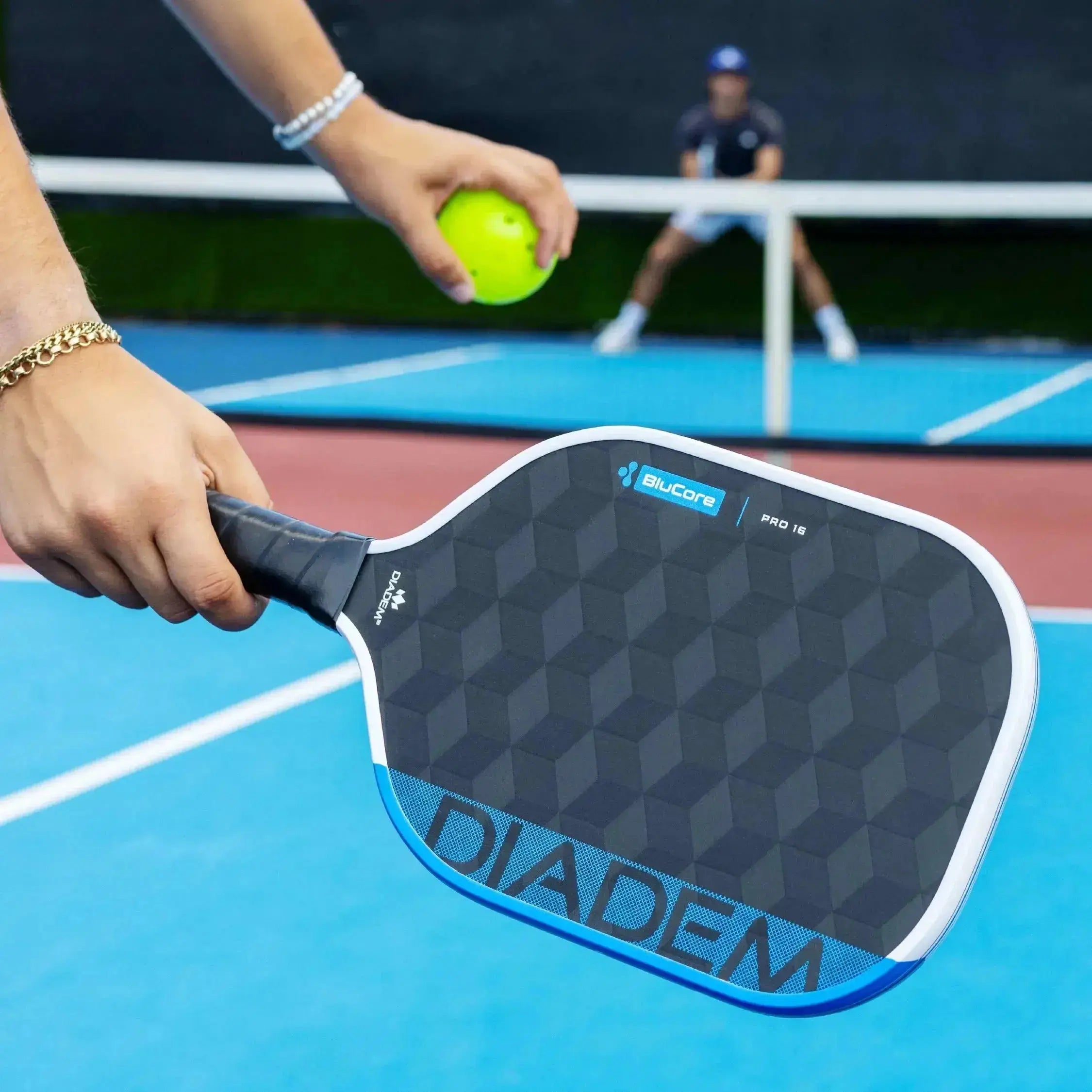
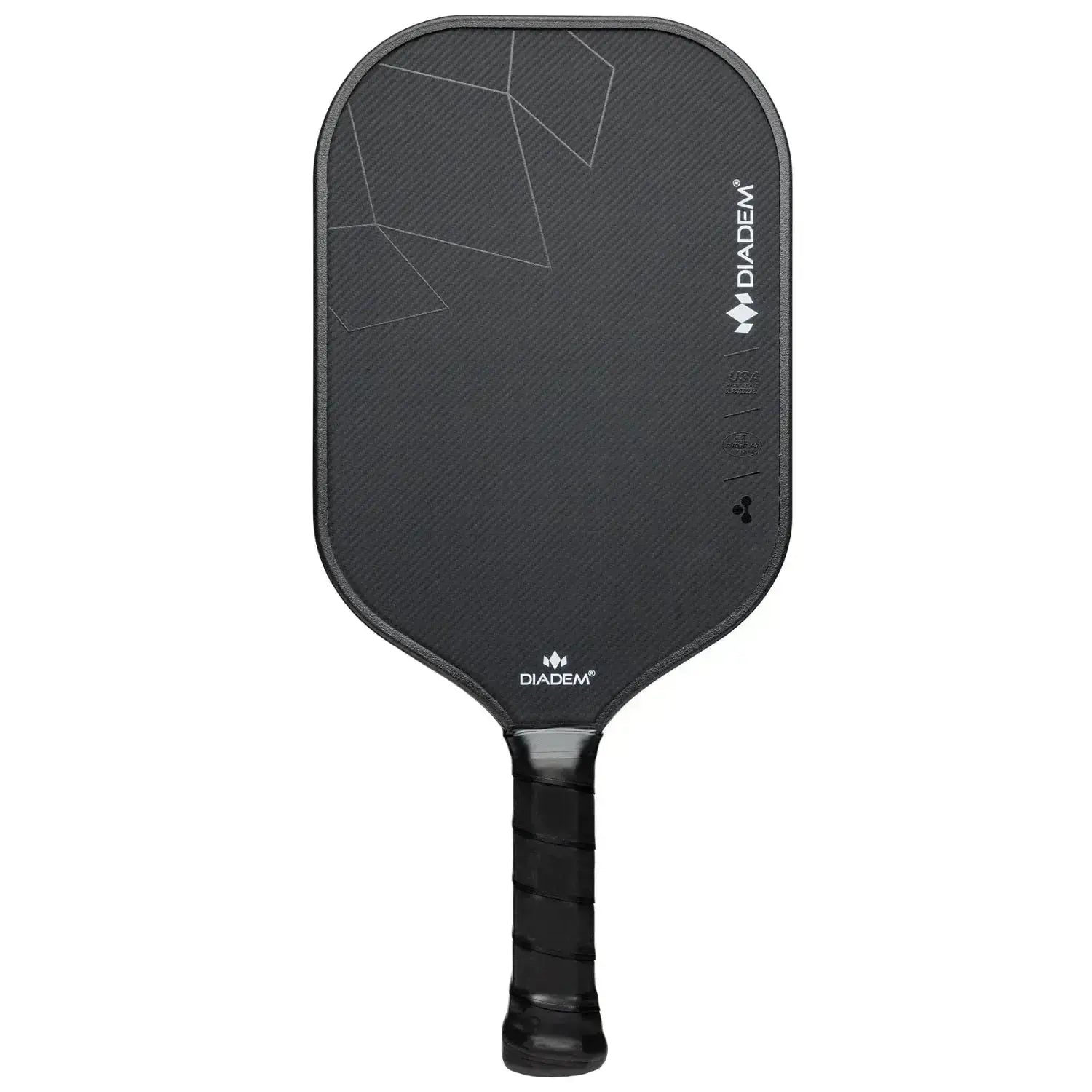
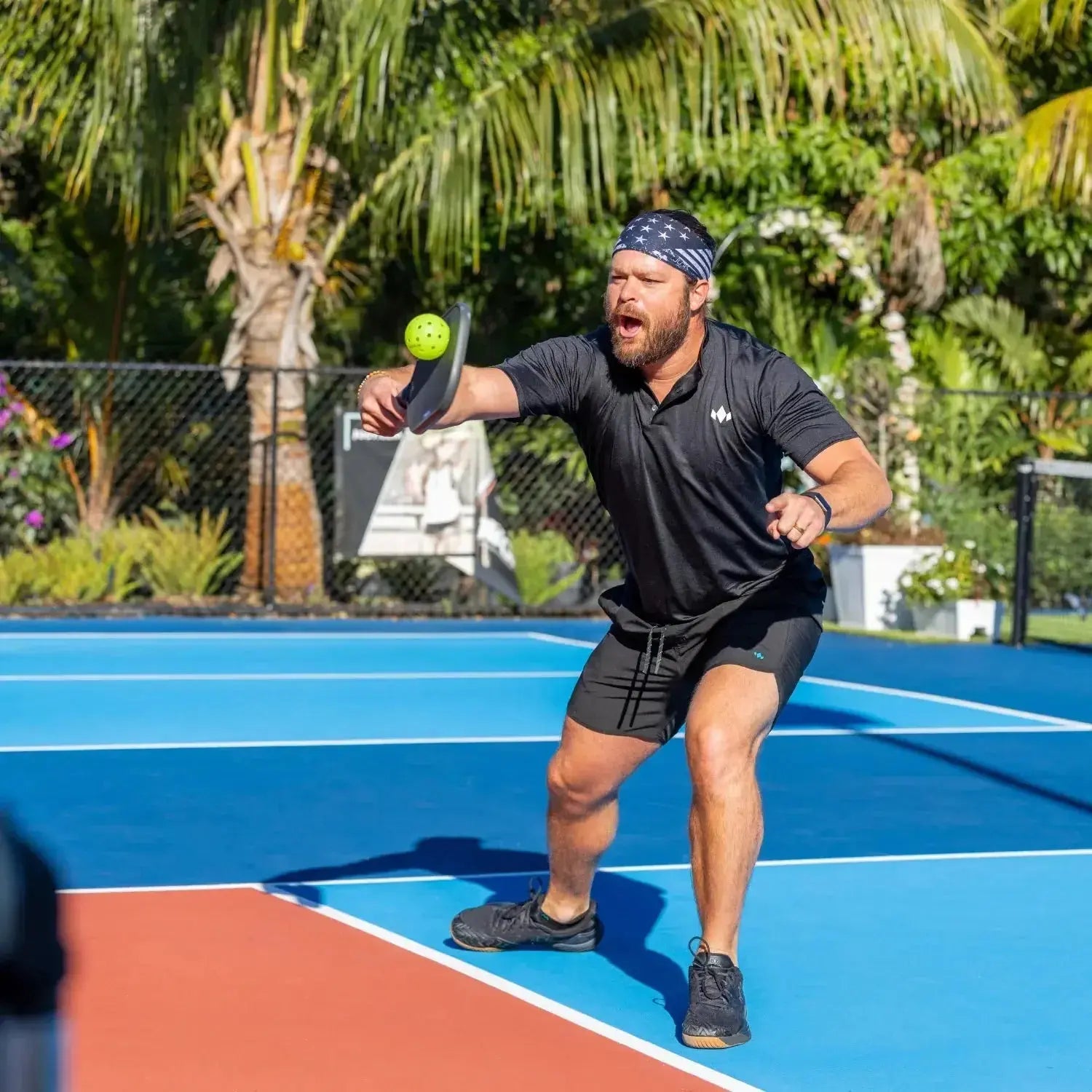
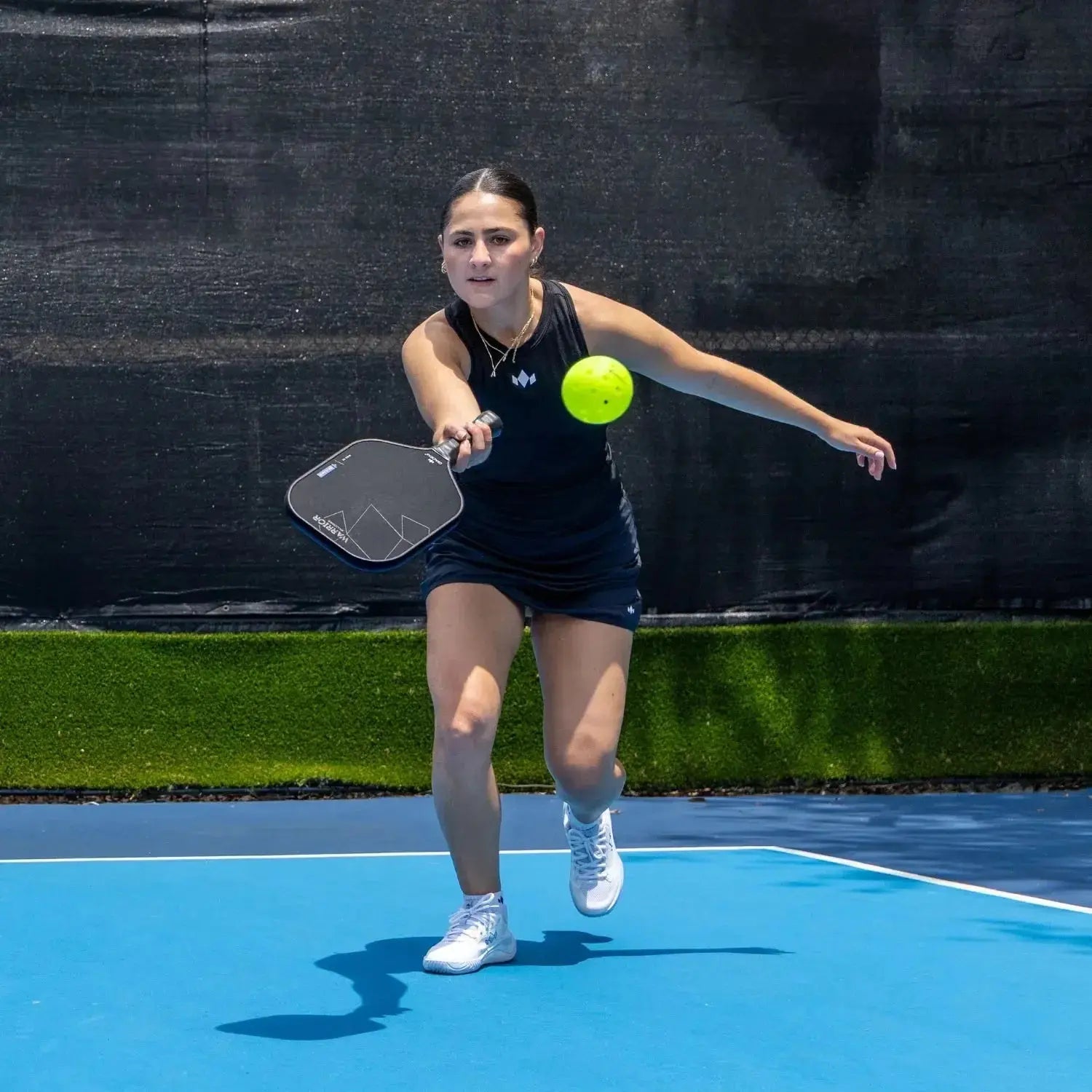
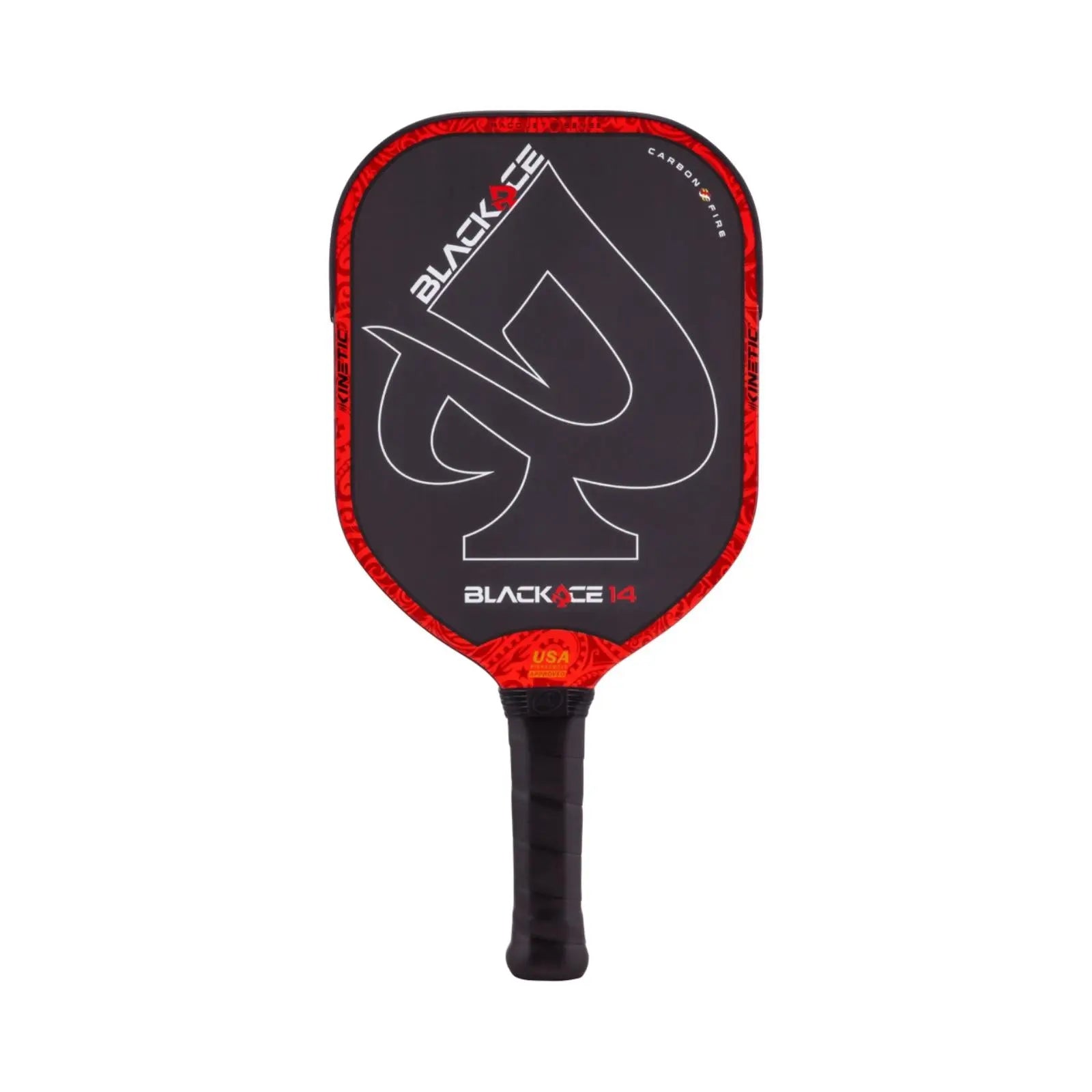
These are the paddles tournament players use. Built for serious players who want maximum spin, control, and the kind of pop you need at the highest level of pickleball. Performance paddles are made with the best materials — thick polymer cores, raw carbon hitting surfaces, and thermoformed construction — and they reward great technique with shots you can’t hit on a beginner or intermediate paddle.
What makes a paddle a “performance” paddle?
Performance paddles are built for maximum control and spin. They’re less forgiving than other paddles — the sweet spot is smaller and you’ll feel it when you miss. But when you hit it right, you can do things on the court no other paddle can match.
Here’s what defines them:
-
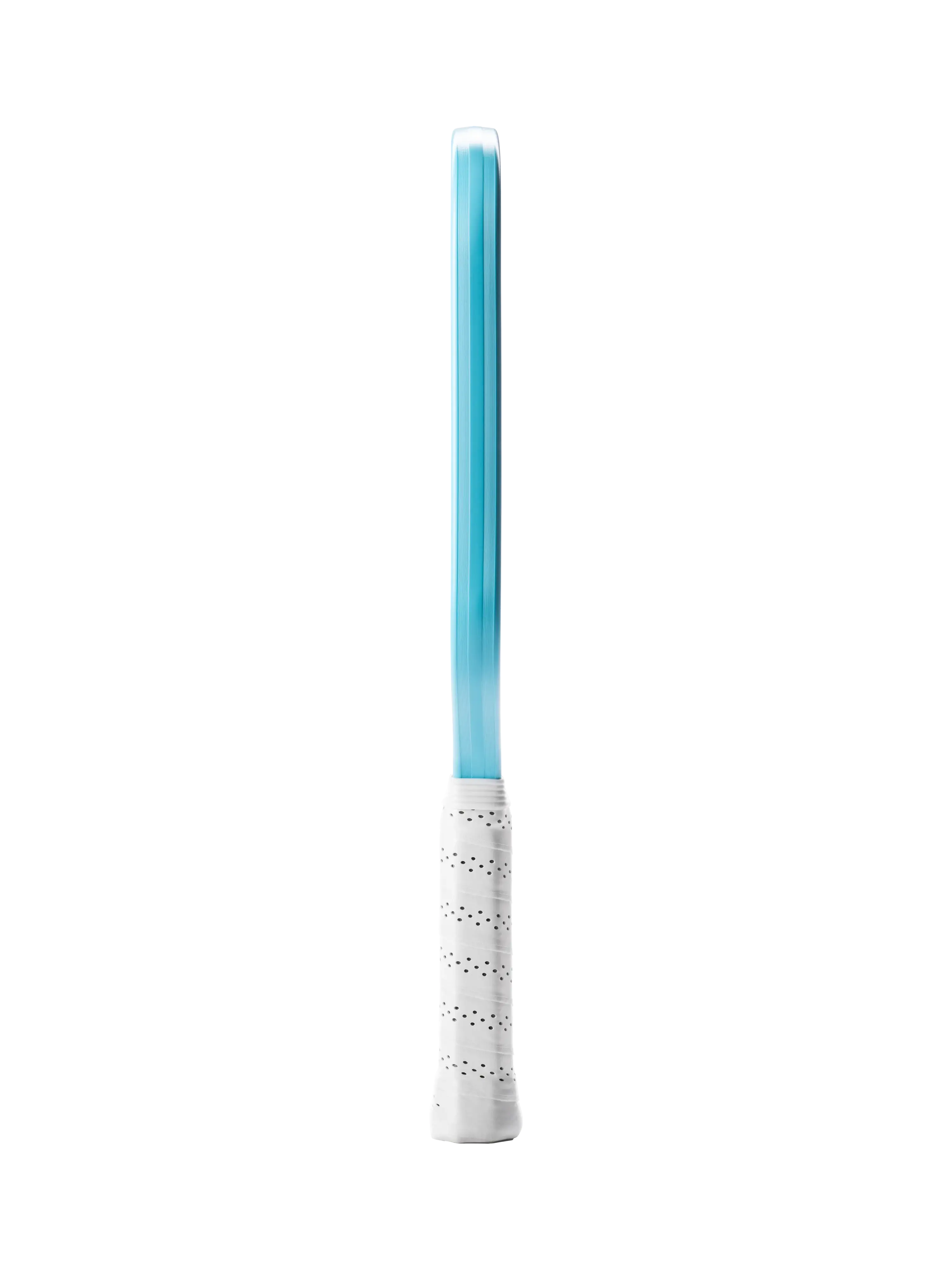
Thick core (16–20mm): The thicker the core, the longer the ball stays on the paddle. This gives you better control and the ability to feel the ball — really important for soft shots and resets.
-
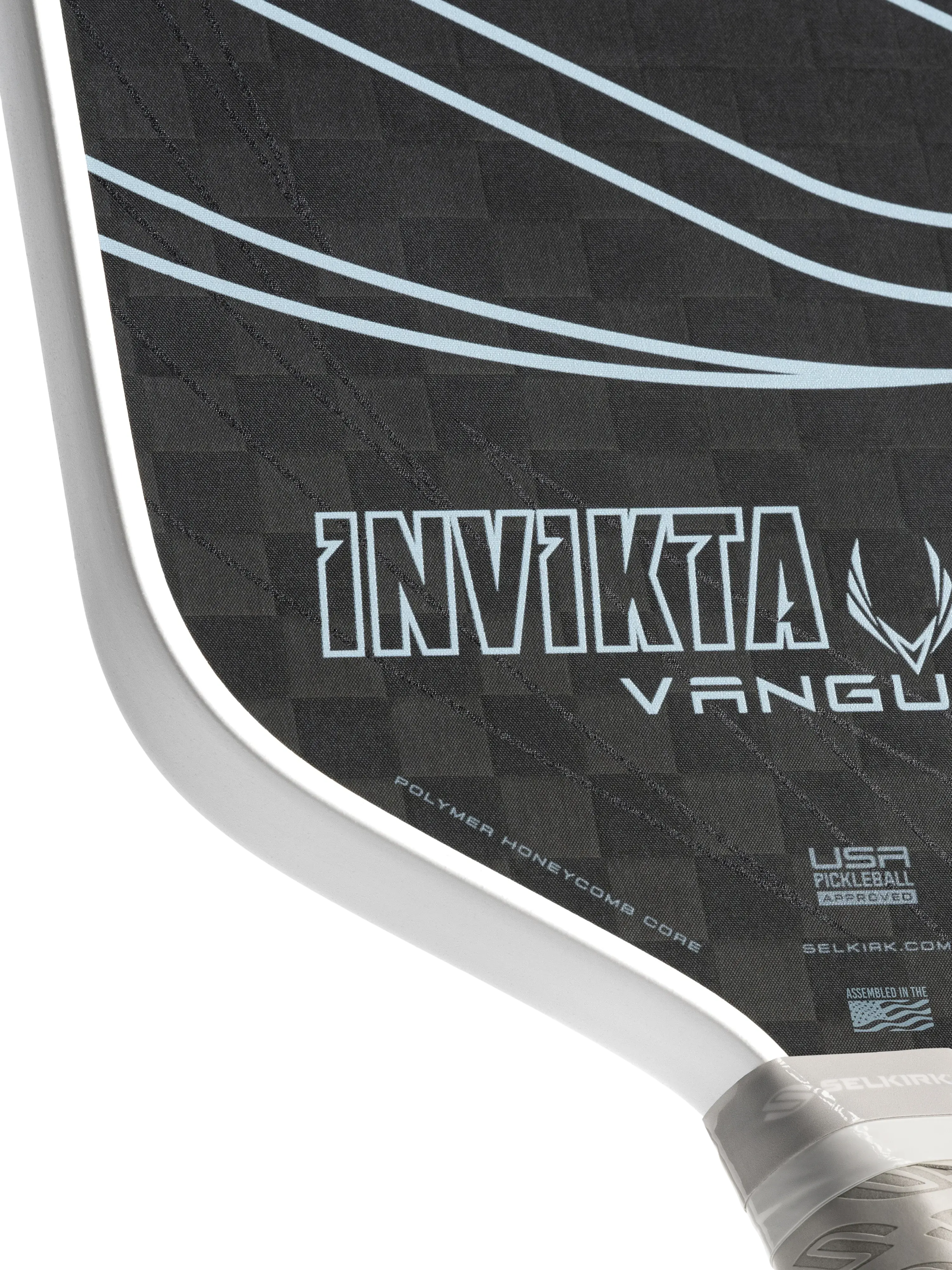
Raw carbon fibre face: The grittiest surface you can buy. It’s designed to grab the ball, letting you put serious spin on it. (You’ll see brands talking about “T700” or “T800” carbon — these are different grades, both very high quality.)
-
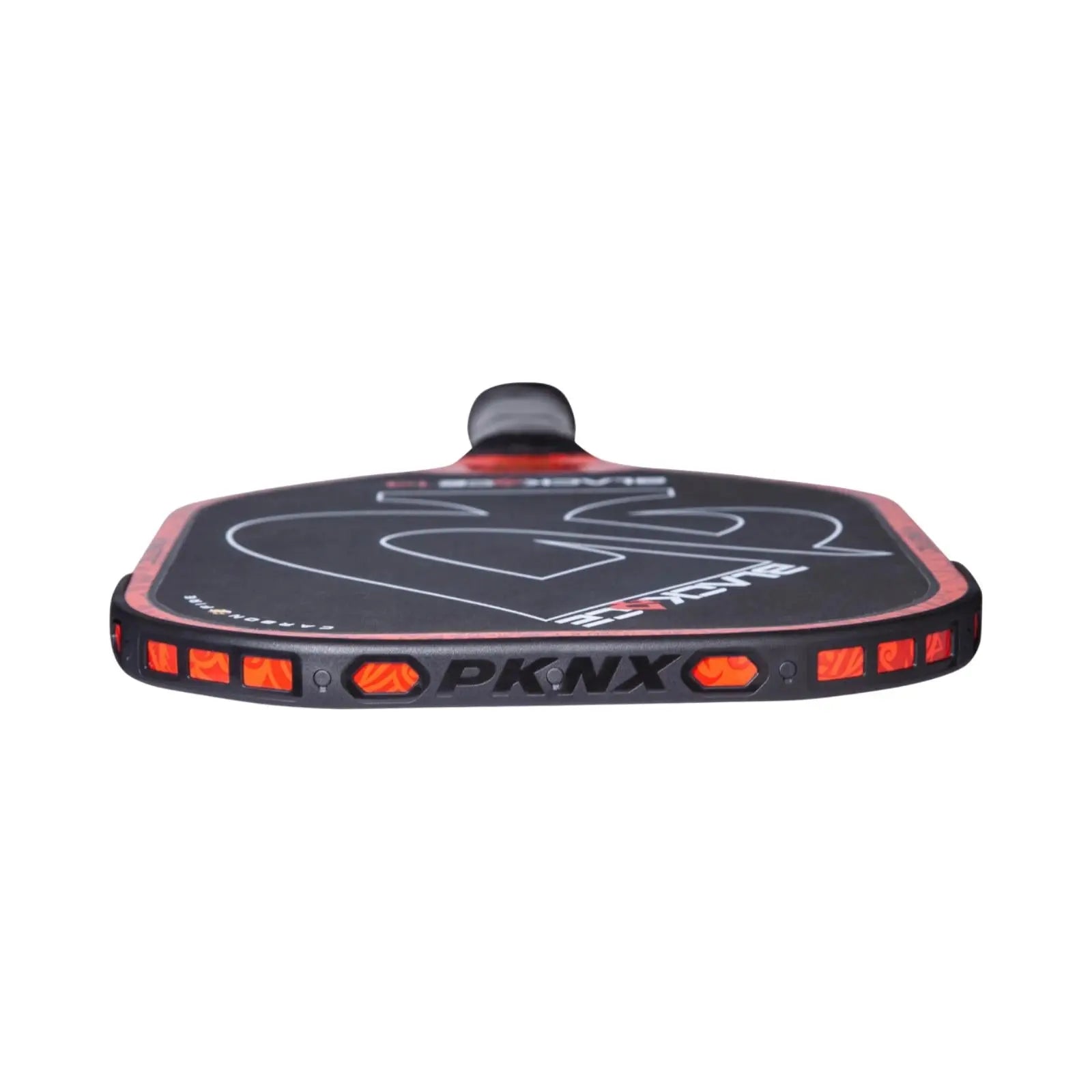
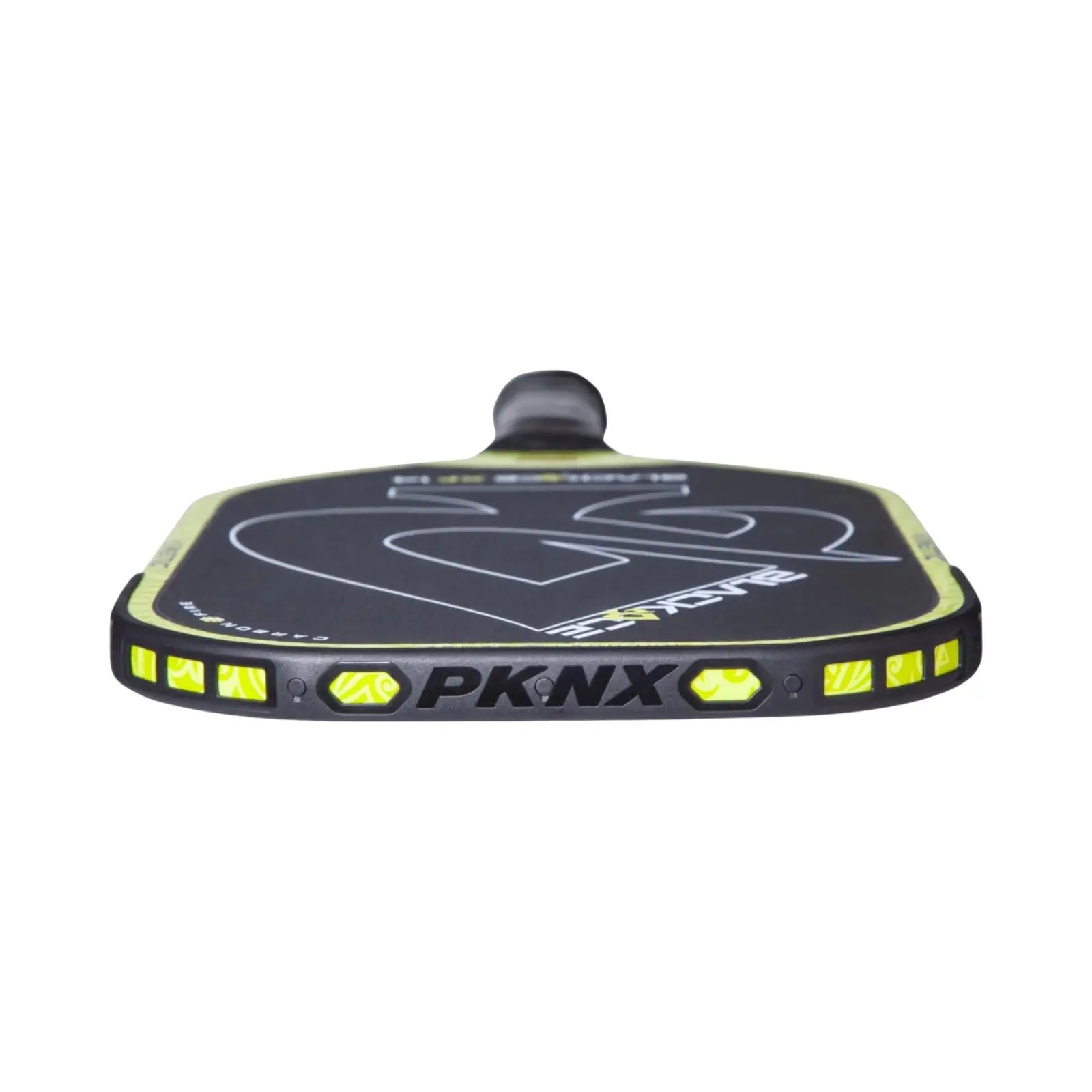
Thermoformed construction: The paddle is made in one solid piece with heat and pressure. This bonds everything together, making the paddle stiffer and giving more power.
-
Heavier weight (7.8–8.4 oz / 221–238g): The extra weight makes the paddle steady when someone smashes a ball at you.
-
Elongated or hybrid shape: Most performance paddles are longer (16.5 inches), giving you more reach and leverage.
-
Long handle (5.25–5.5 inches): Lets you use a two-handed backhand, like in tennis.
These are the same paddles you’ll see at the top tournaments. They demand good technique — but they reward it.
Is a performance paddle right for you?
Yes, if you:
- Play in tournaments (or want to)
- Are rated DUPR 4.0+
- Are a top-tier club player
- Come from tennis, badminton or table tennis with strong fundamentals
- Already create your own spin and pace
- Want control and feel over forgiveness
If you can’t consistently land your dinks and third-shot drops, or your intermediate paddle still feels okay — stay where you are. Performance paddles will be harder to use and your game will get worse, not better.
Spin paddle or control paddle?
Most performance paddles fall into two camps:
-
Spin paddles (16mm core, raw carbon face, elongated shape): Made for aggressive players who hit hard from the baseline. Best for singles and heavy topspin players.
-
Control paddles (18–20mm core, peel-ply finish, standard or hybrid shape): Made for net specialists. The thicker core gives you the soft touch needed for resets, dinks and dropshots. Best for doubles.
Most doubles players prefer control paddles. Singles players and hard hitters prefer spin paddles.
How performance paddles compare to intermediate
| What to compare |
Intermediate |
Performance |
| Core thickness |
14–16mm |
16–20mm |
| Face material |
Carbon or mixed |
Raw carbon (T700/T800) |
| How it’s made |
Glued or basic thermoformed |
Full thermoformed |
| Spin (RPM) |
1,500–1,900 |
2,000+ |
| Weight |
7.6–8.2 oz |
7.8–8.4 oz |
| Sweet spot |
Medium |
Smaller, more precise |
| Best for |
Improving players |
Tournament play |
Moving up isn’t just about more power — it’s about more spin, more feel, and more demand on your technique. Players who haven’t locked in good fundamentals will struggle with the smaller sweet spot.
Top performance paddle brands
-
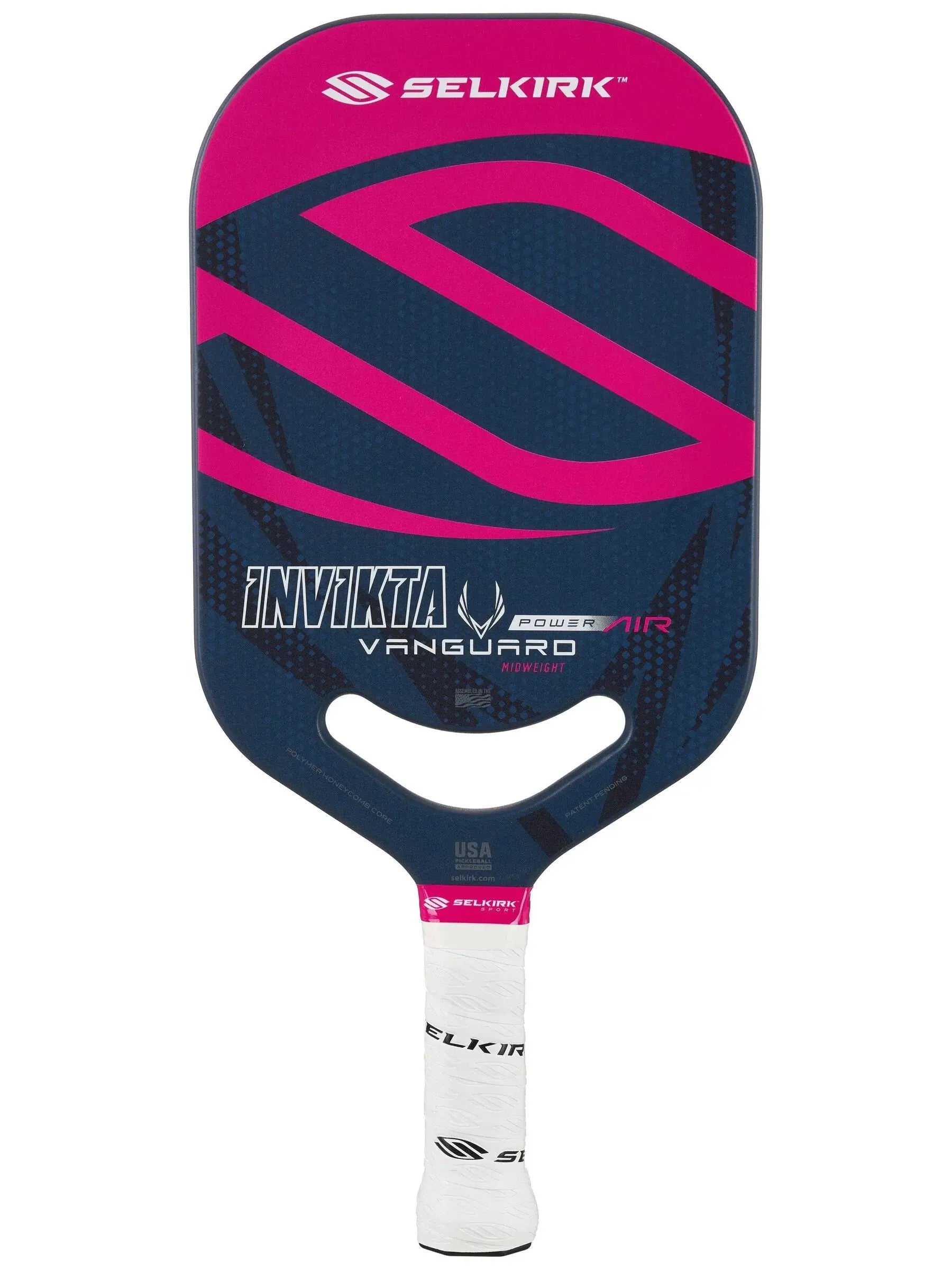
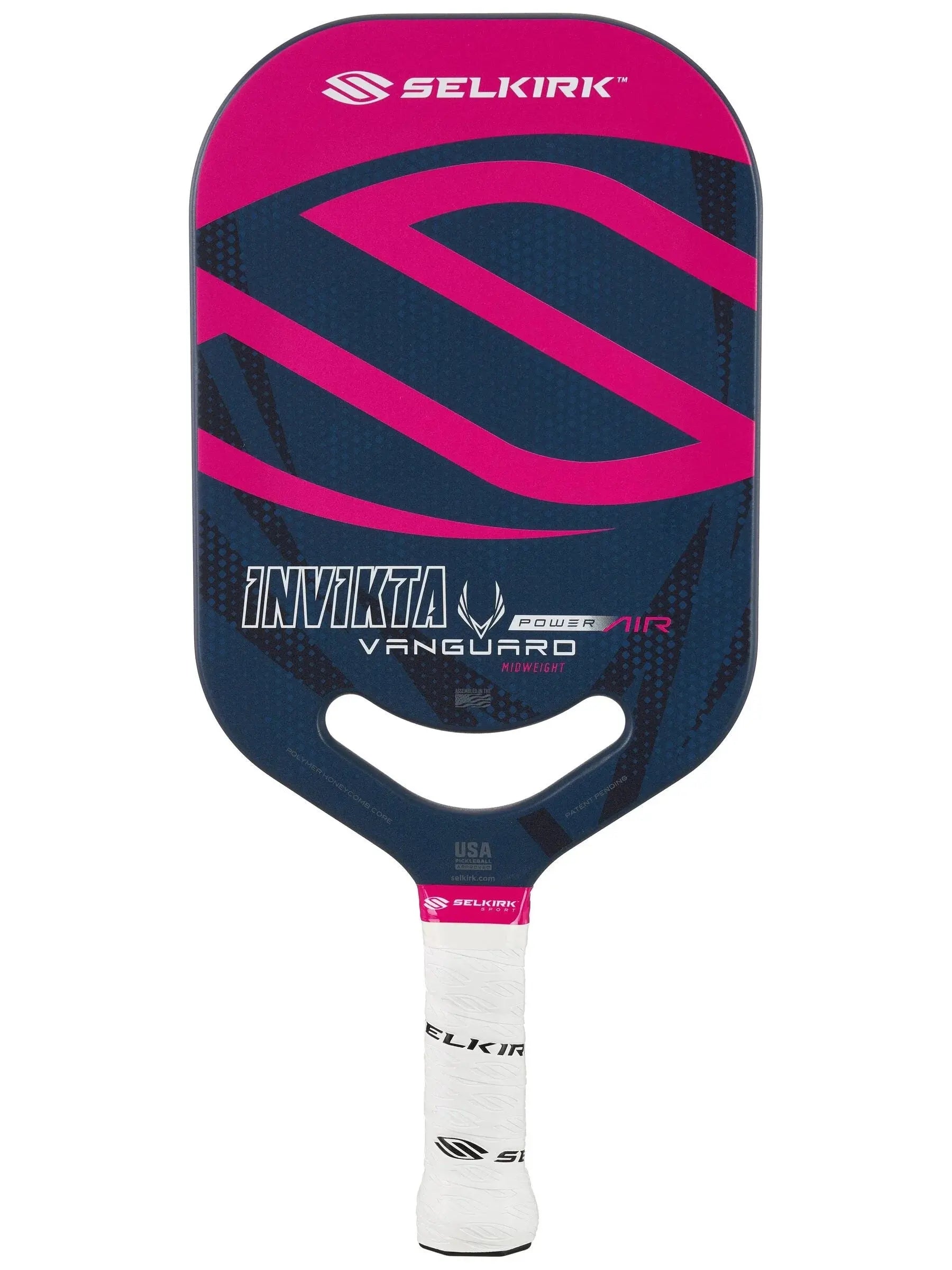
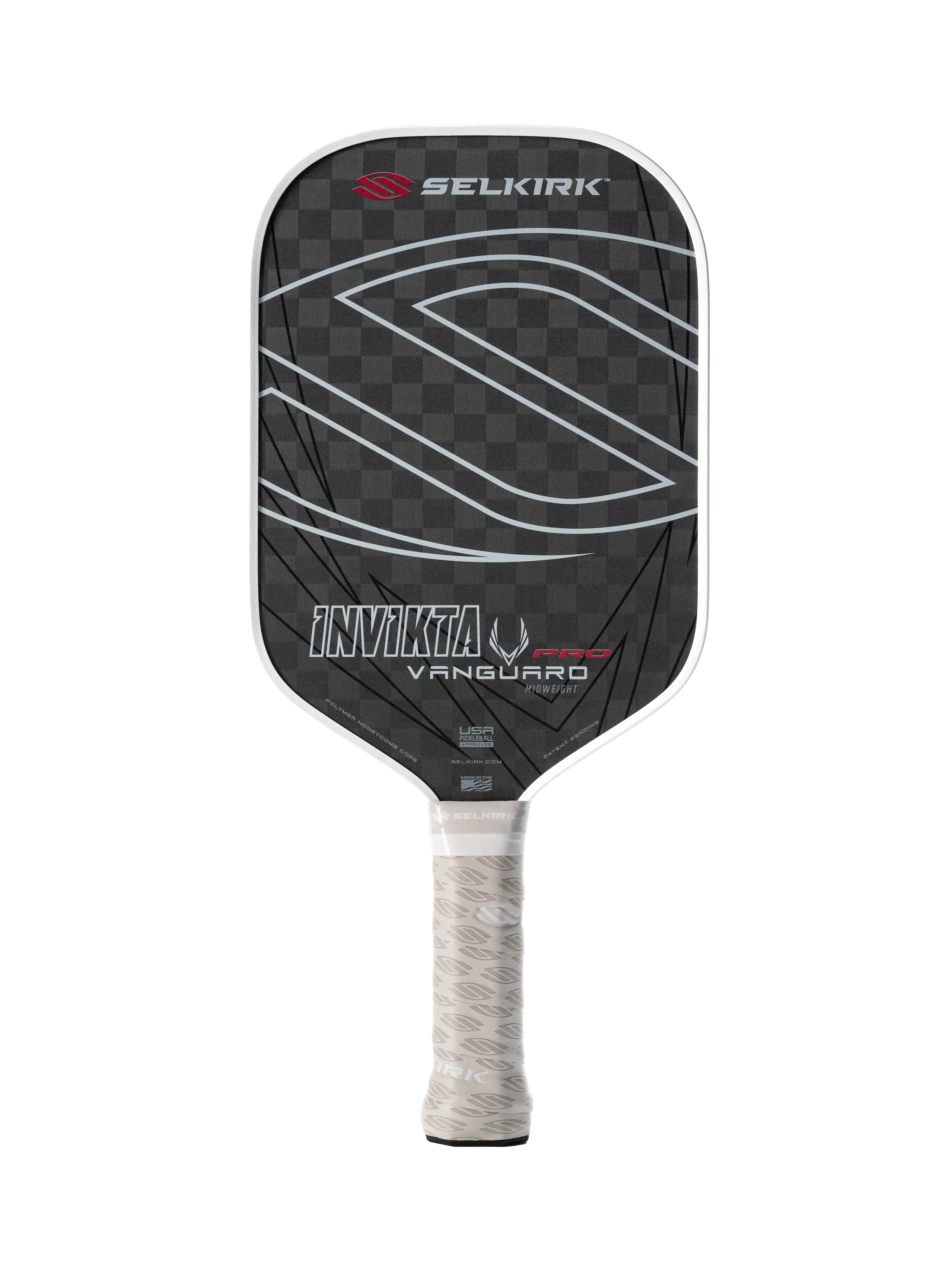
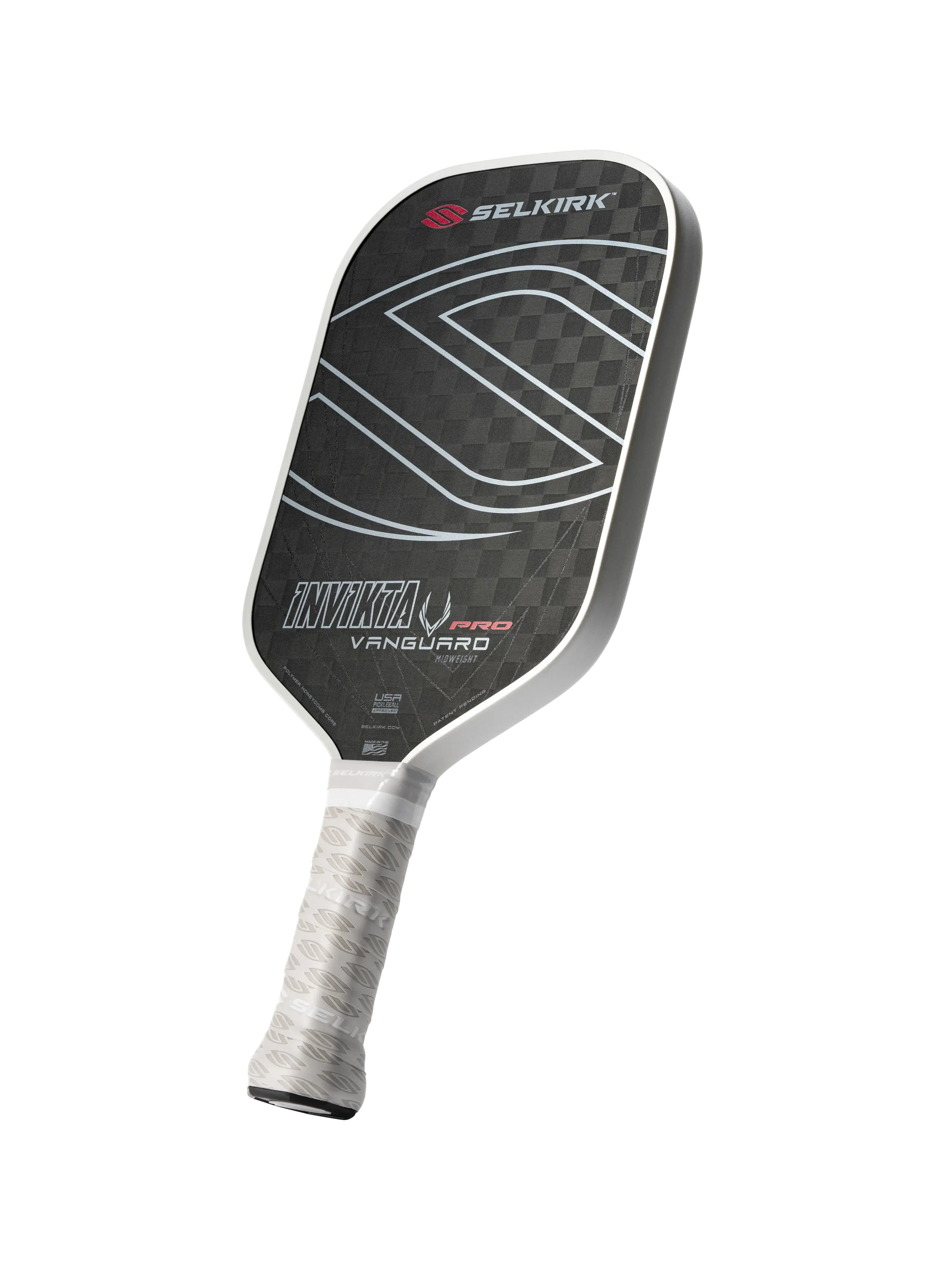
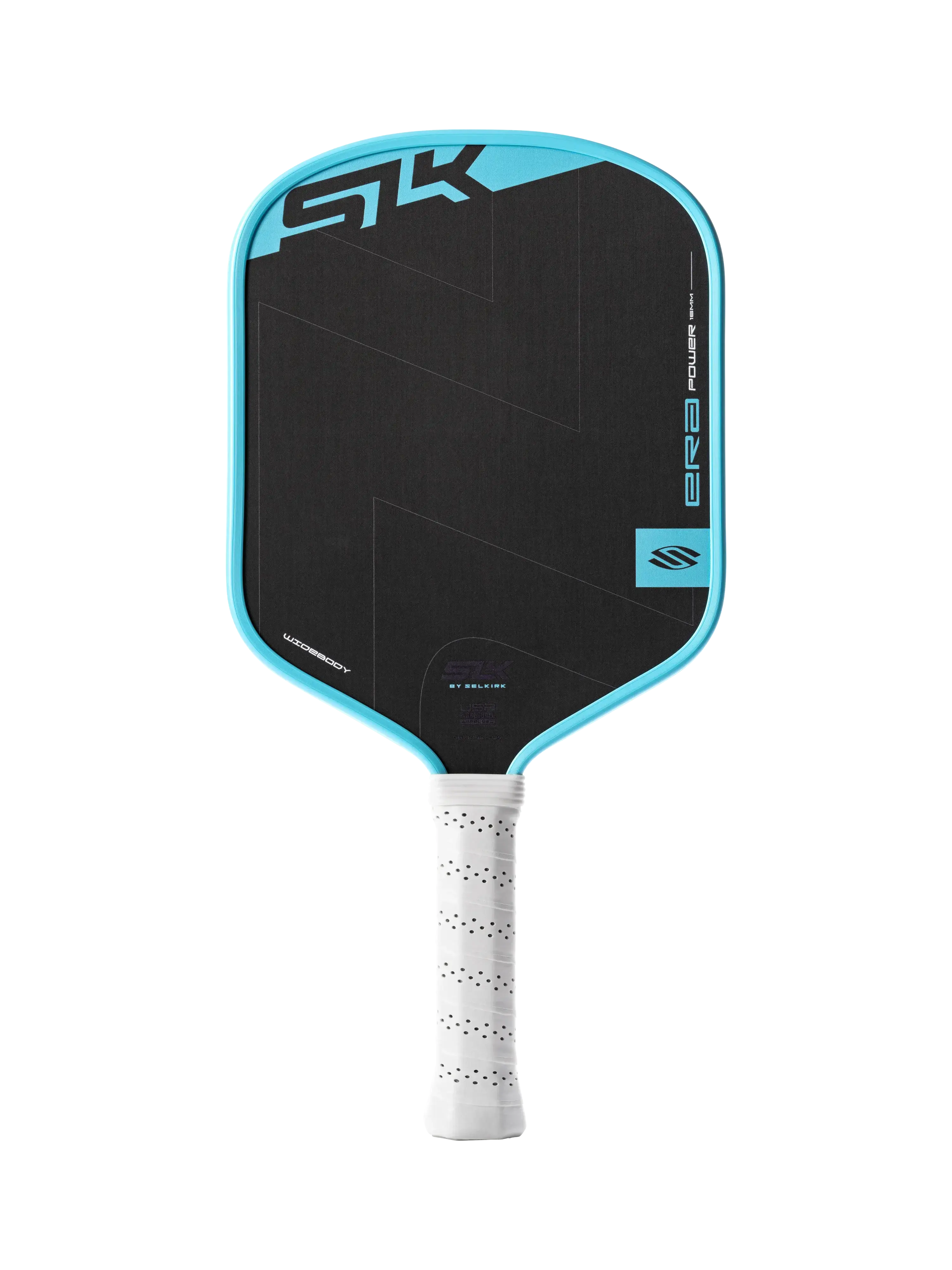
Selkirk — The Power Air, Vanguard Pro and Labs paddles are tournament favourites
-
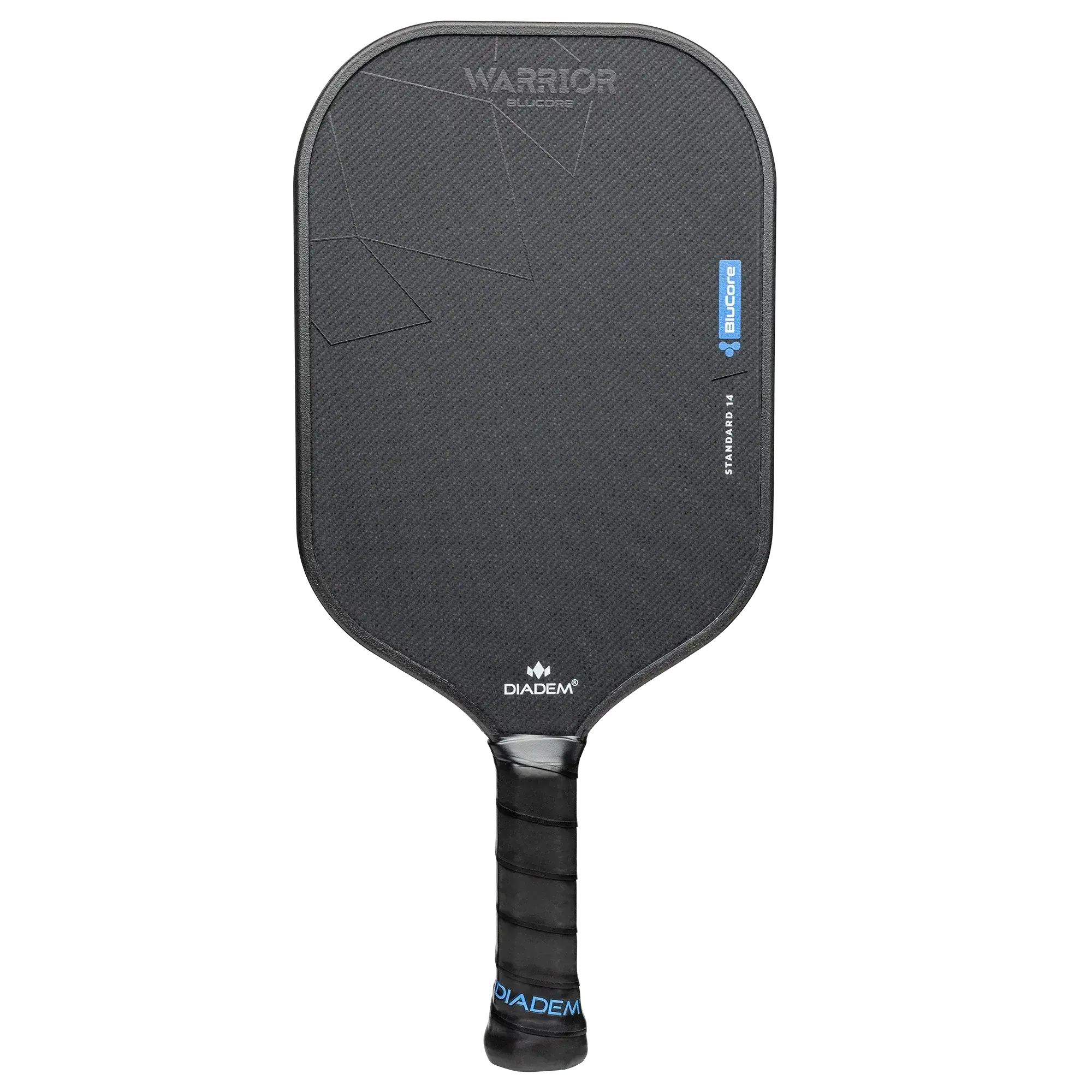
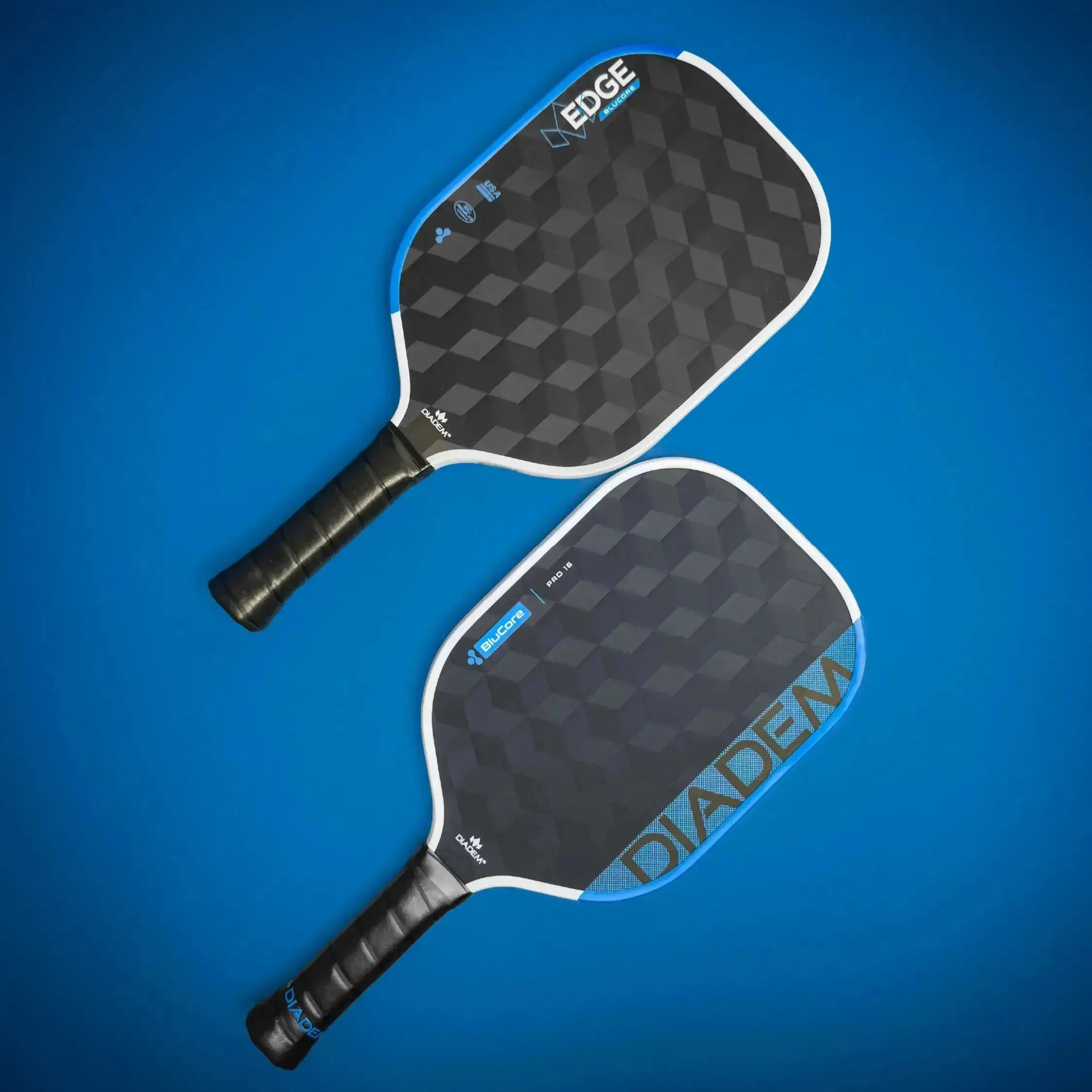
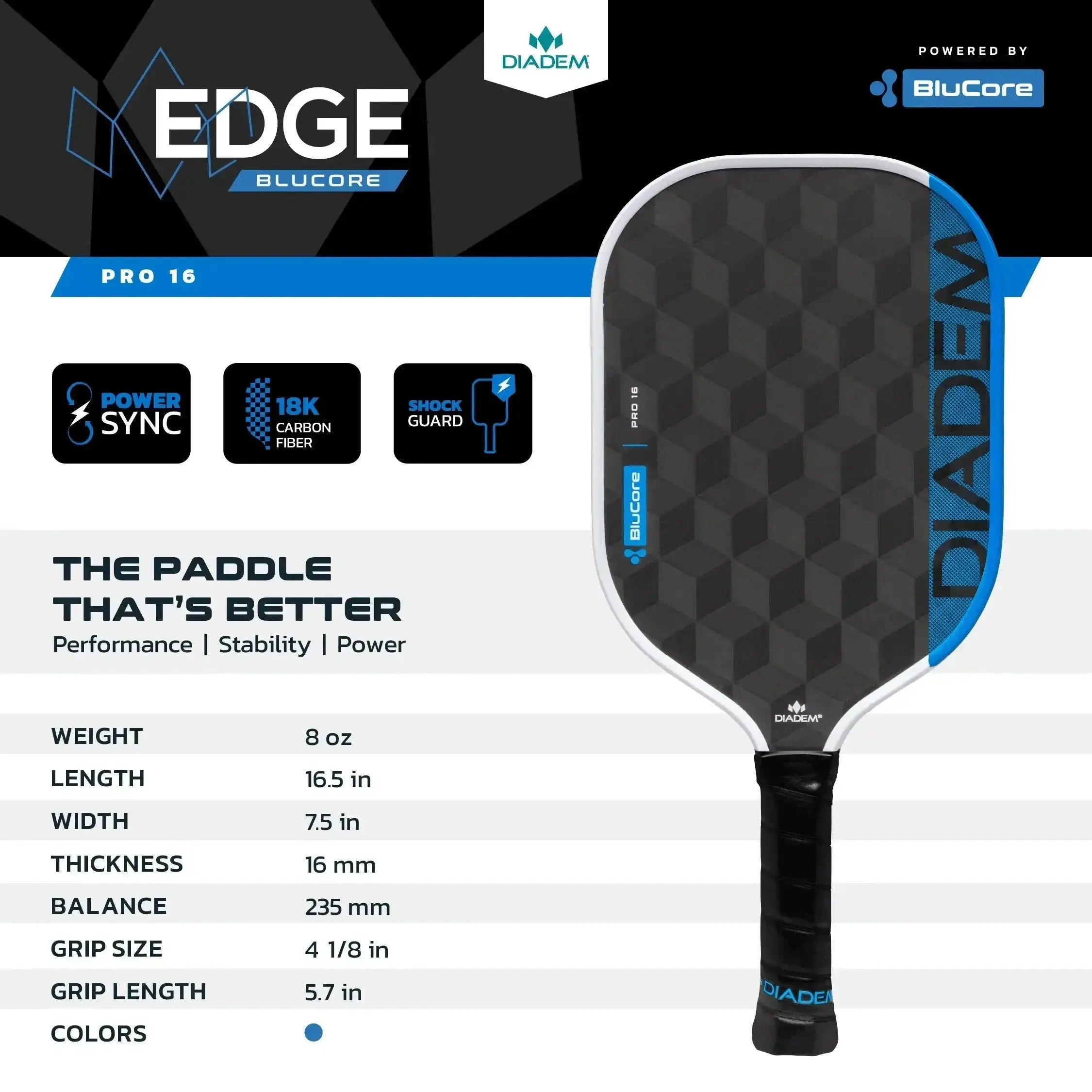
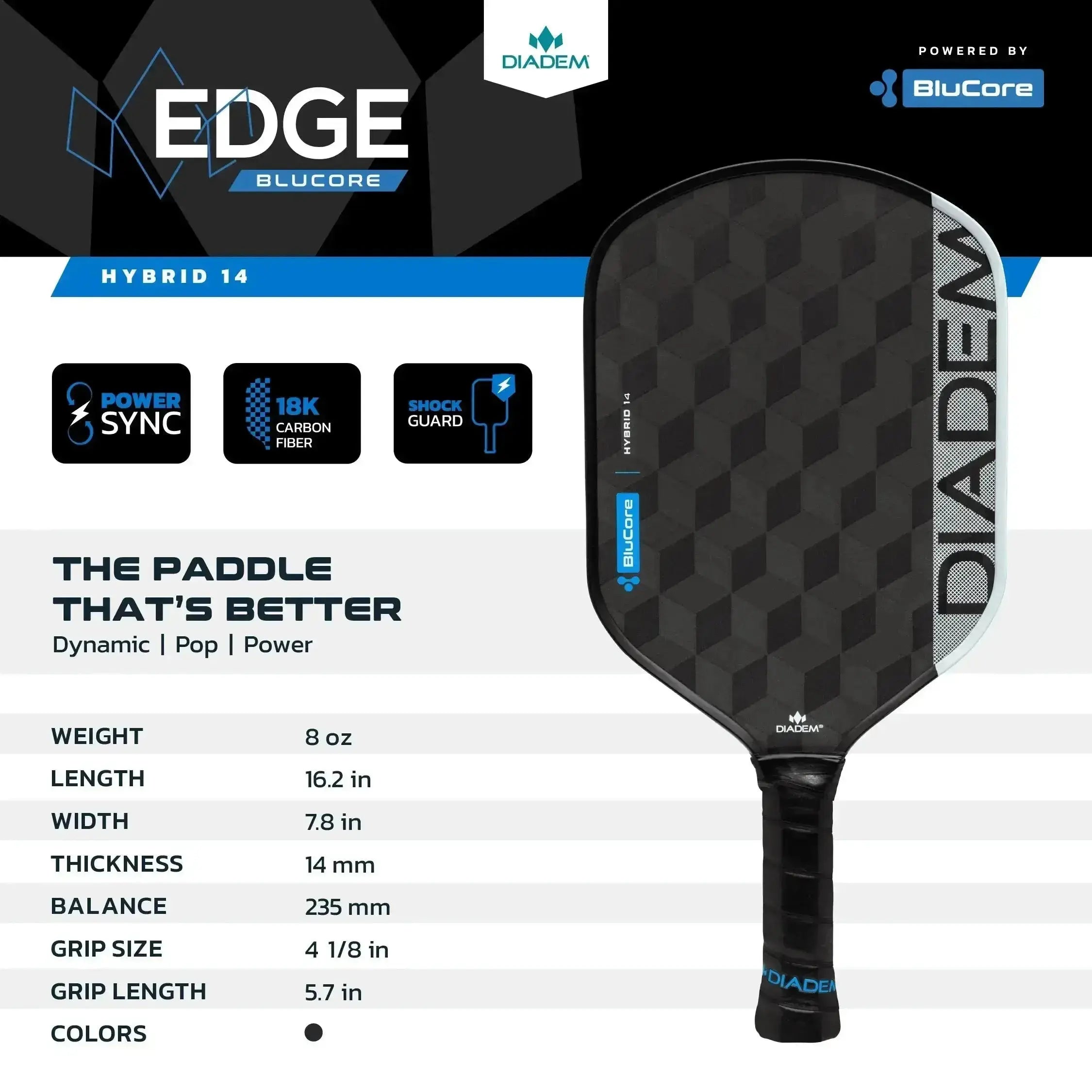
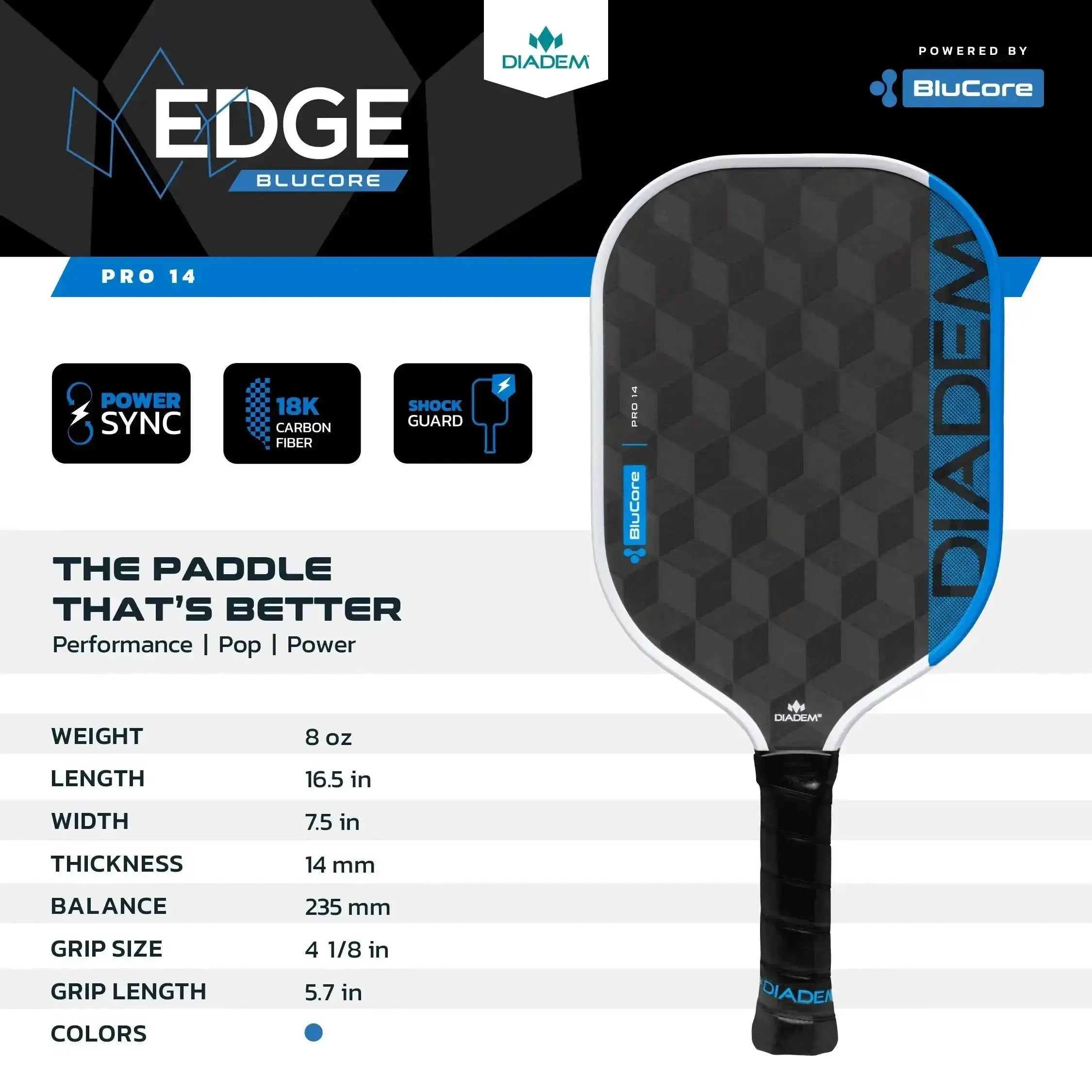
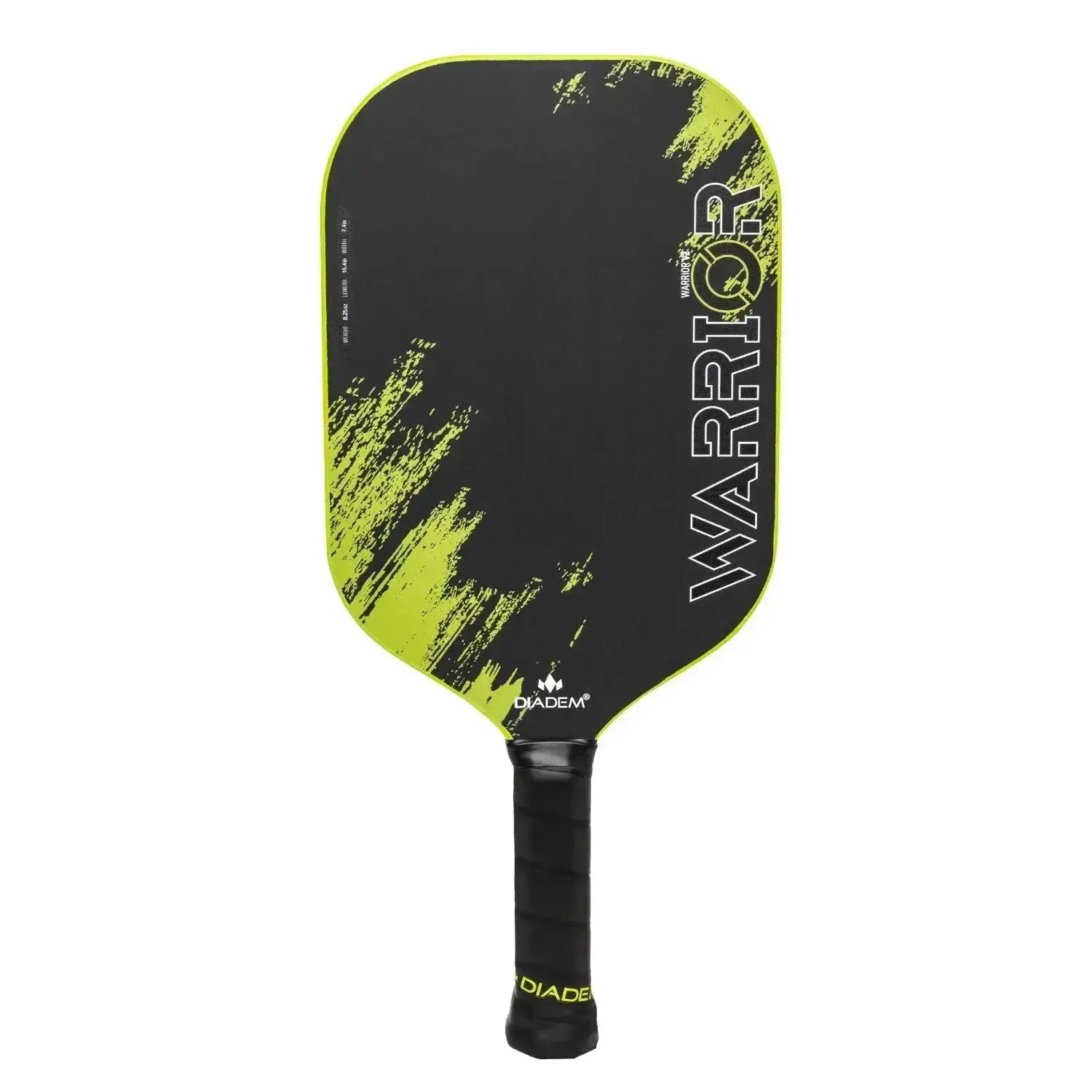
Diadem — Warrior Edge, Vice Max and Riptide thermoformed paddles
-
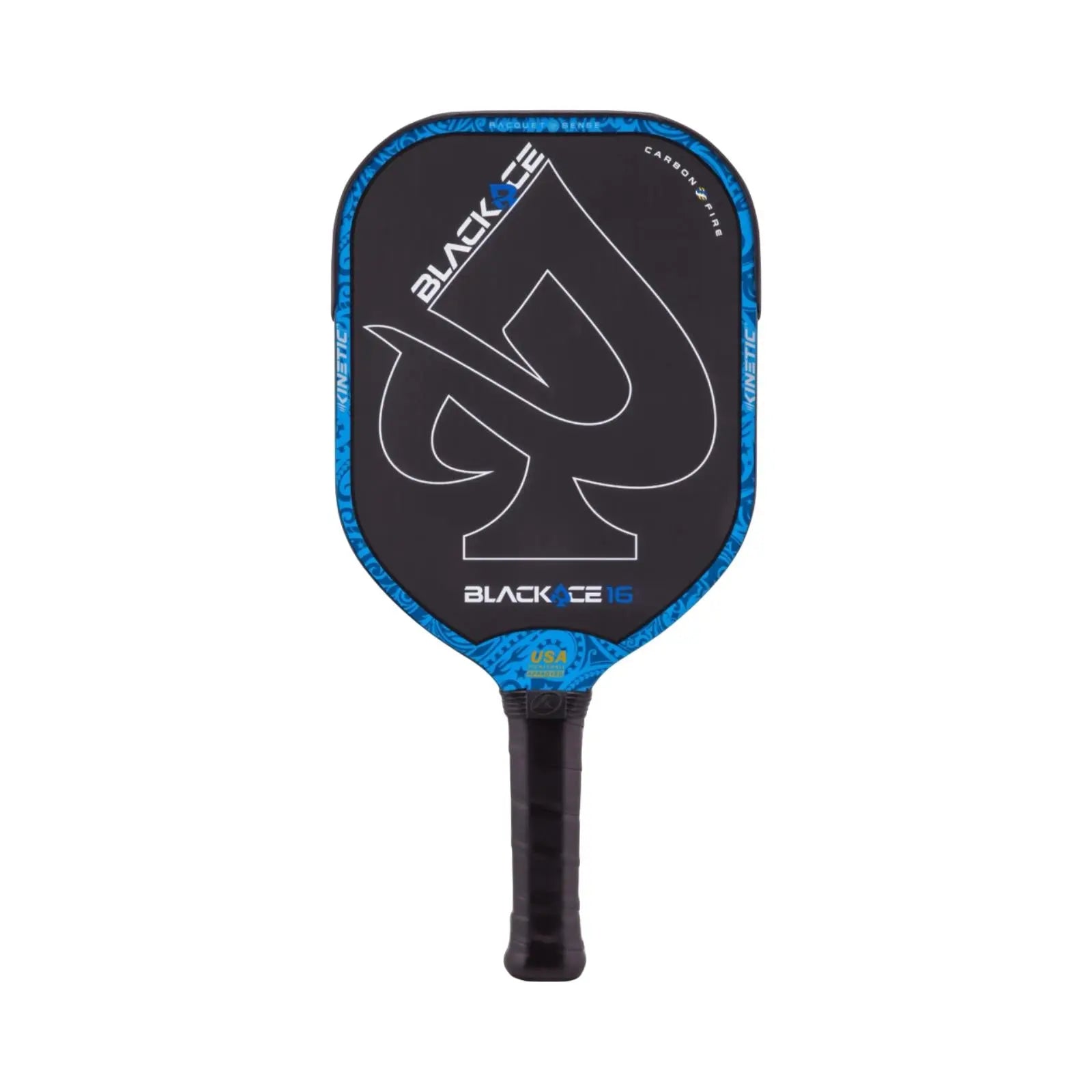
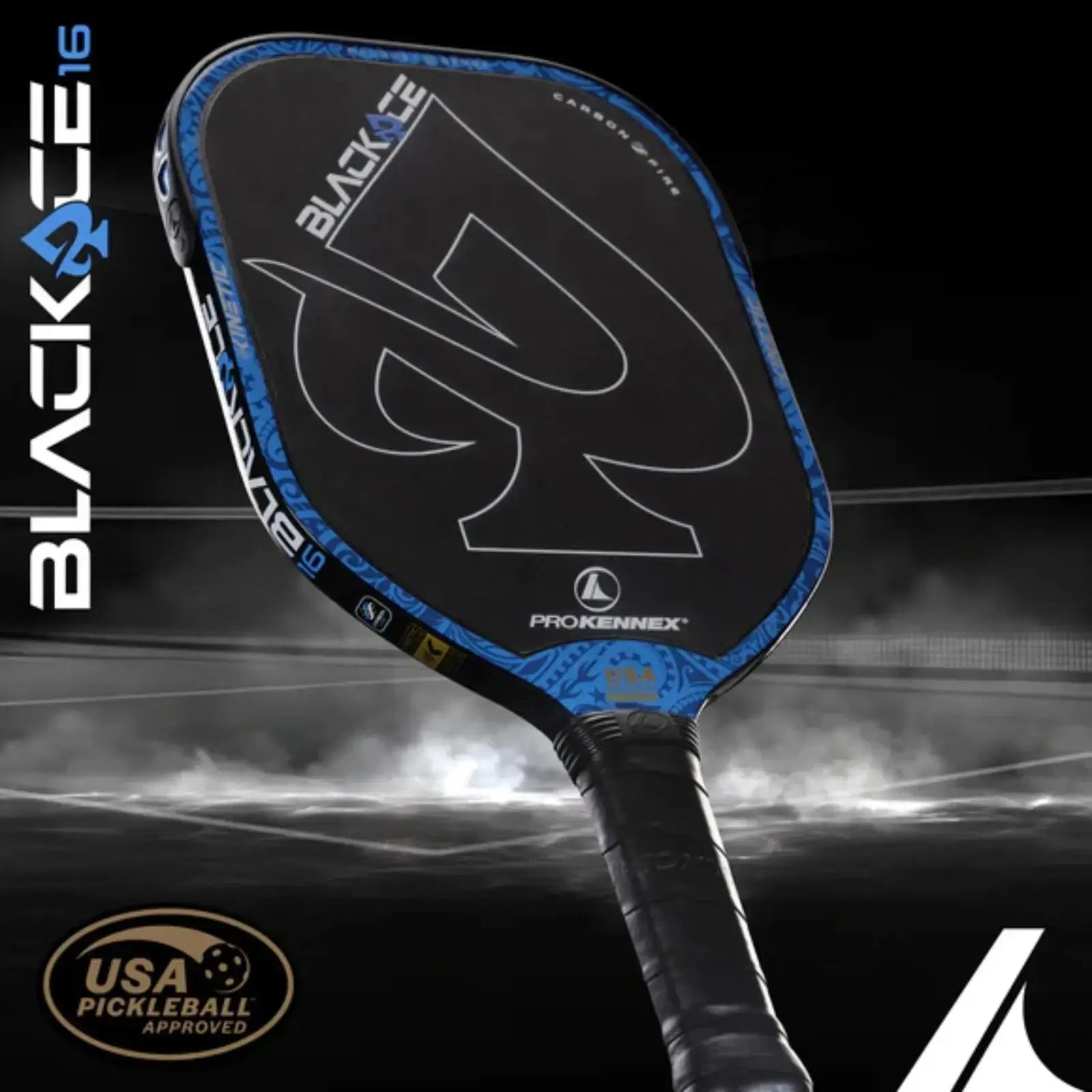
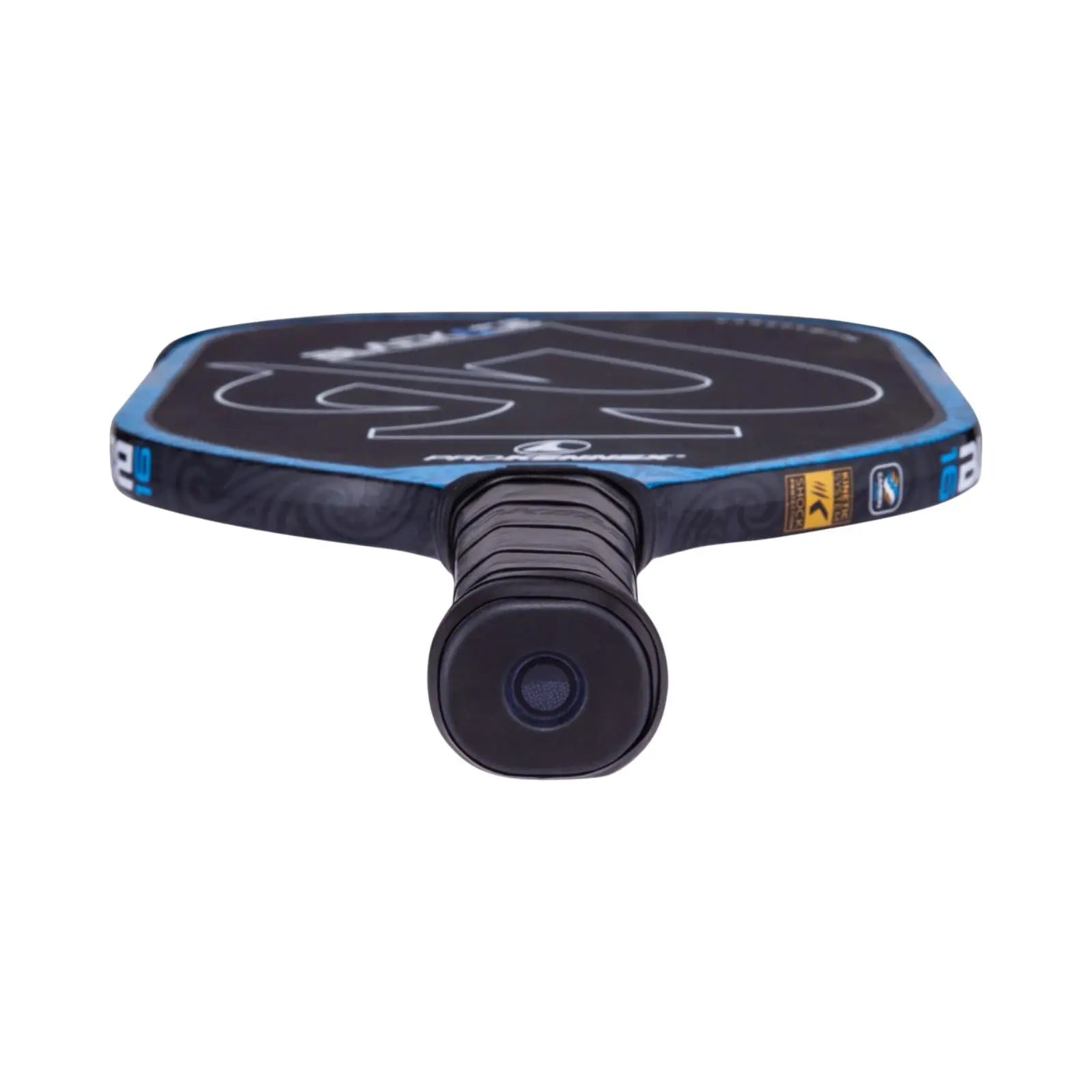
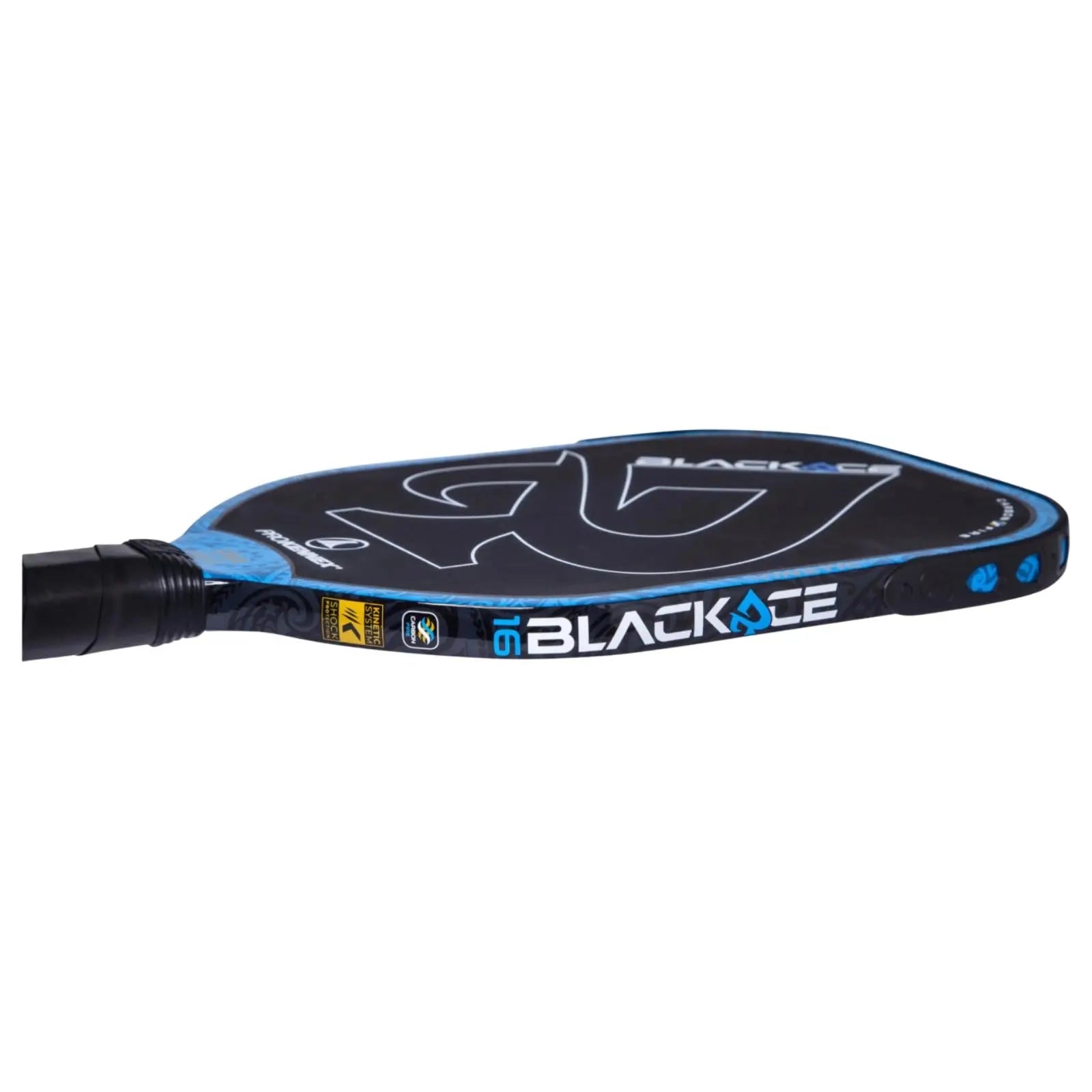
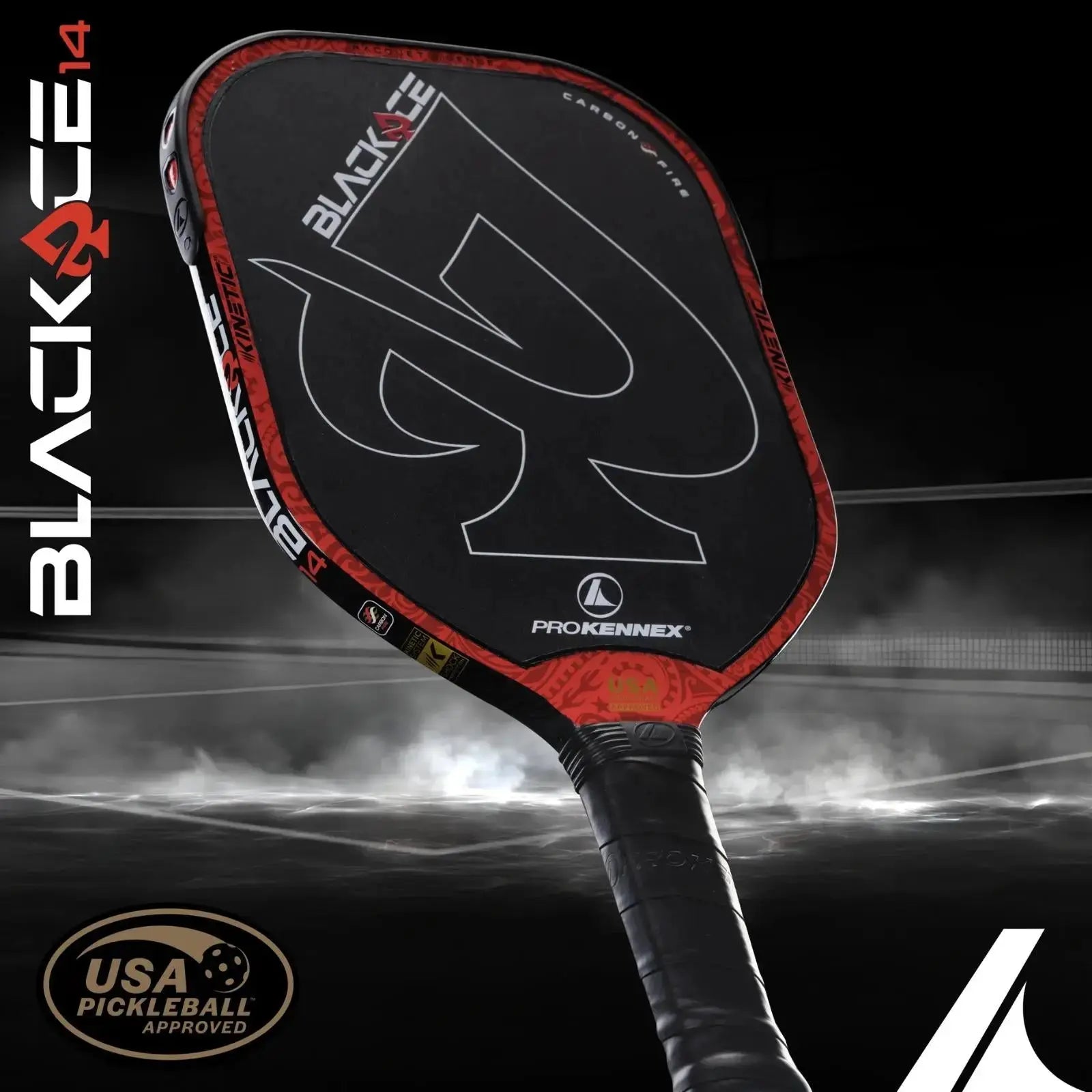
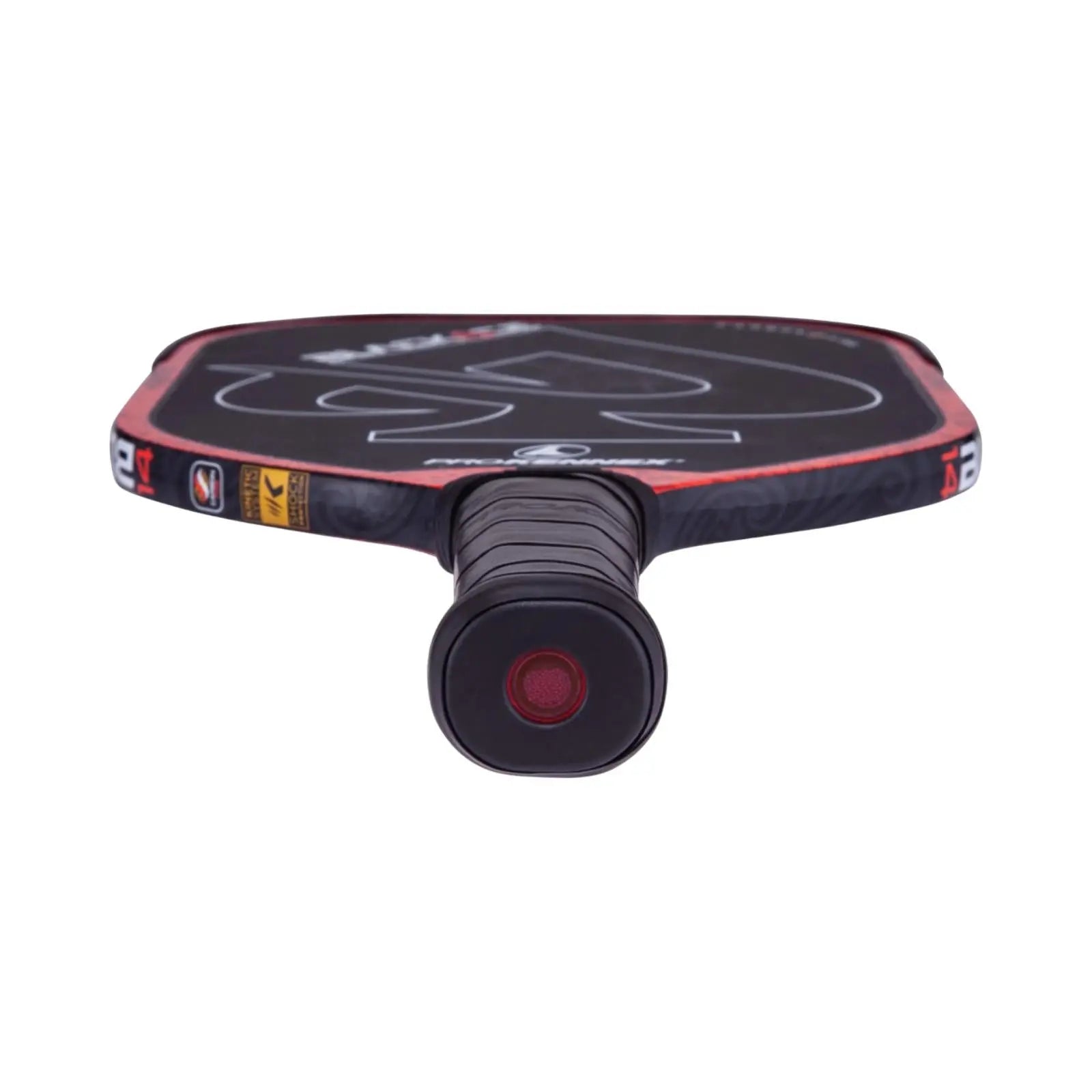
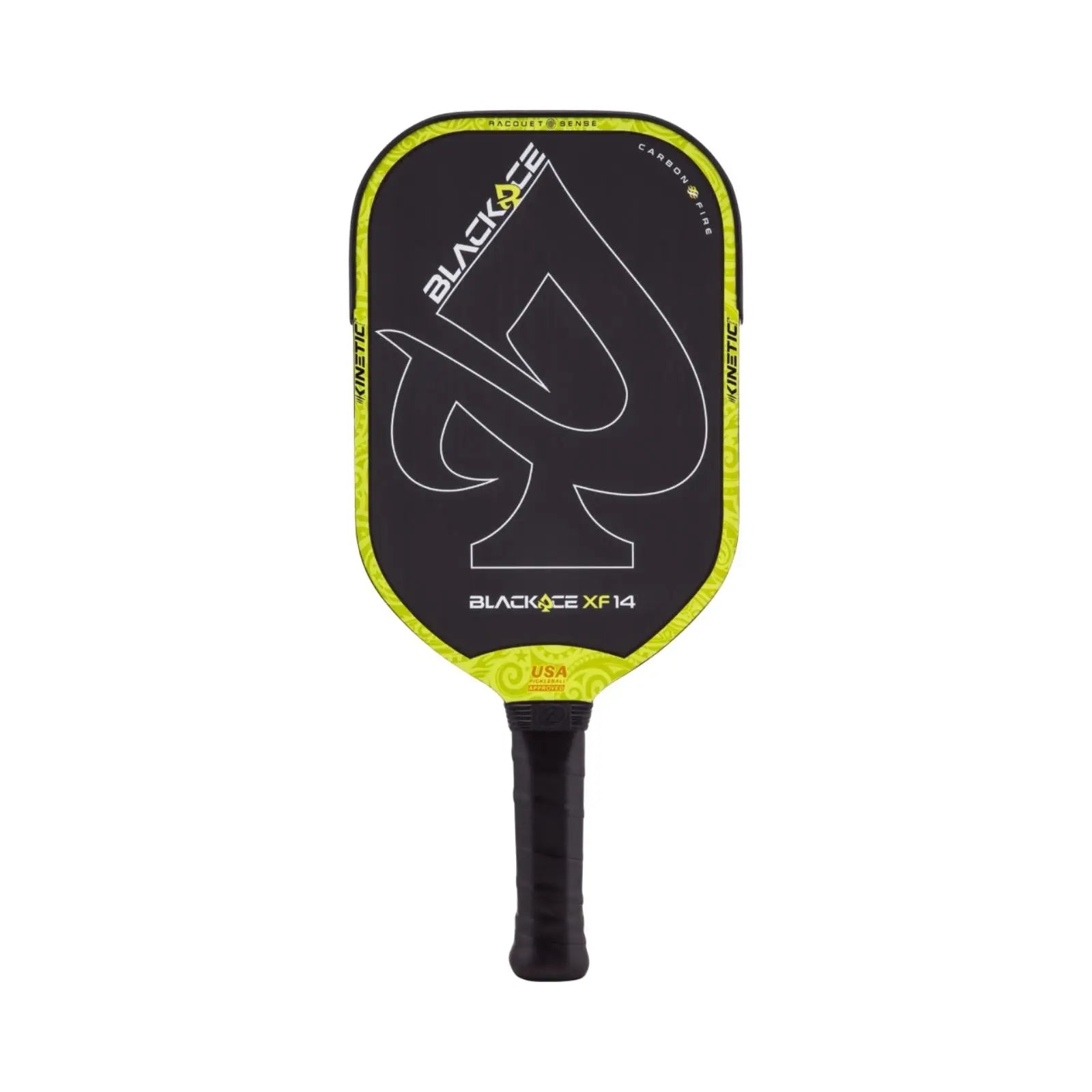
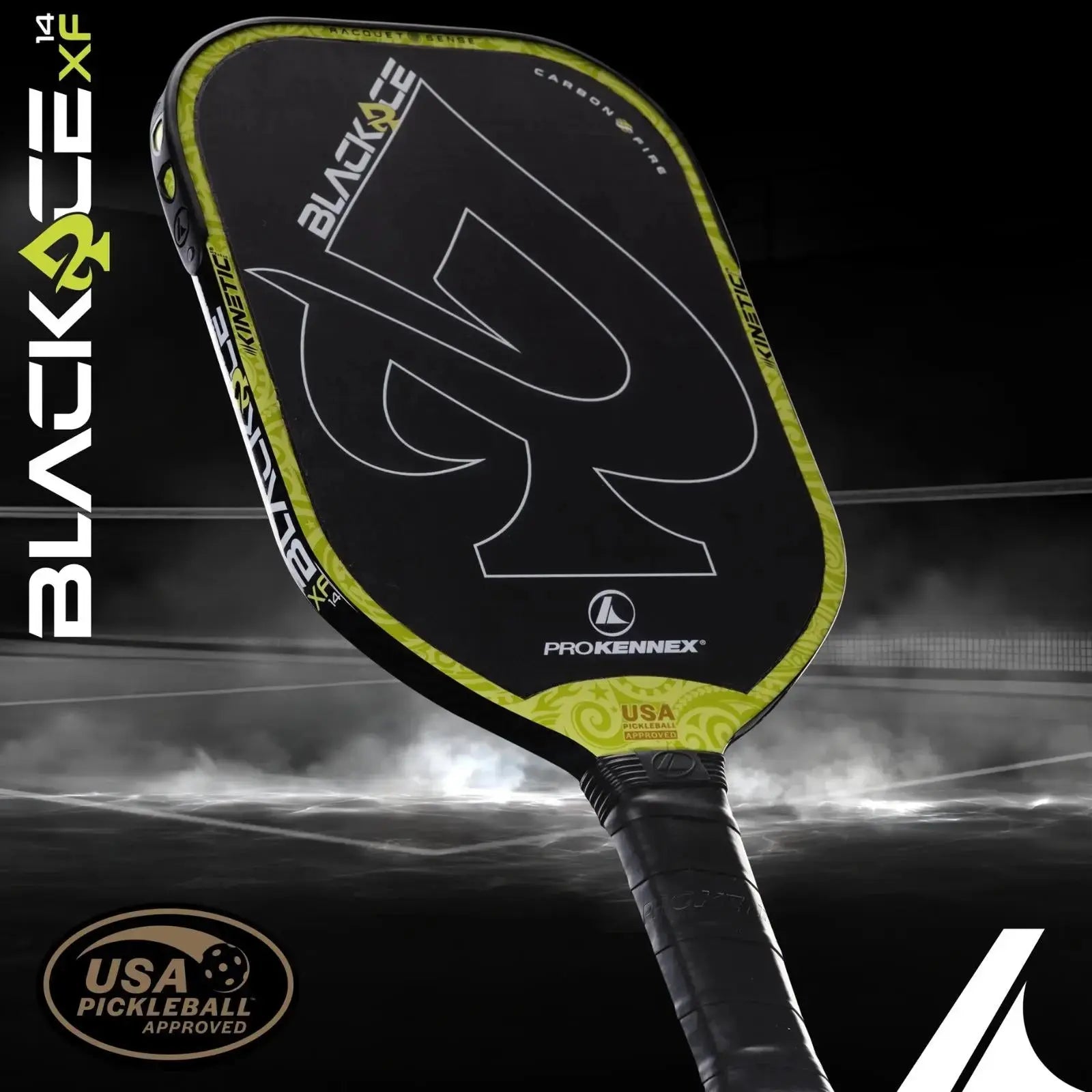
Pro Kennex — The Pro Speed II and Black Ace Pro have arm-friendly vibration tech
-
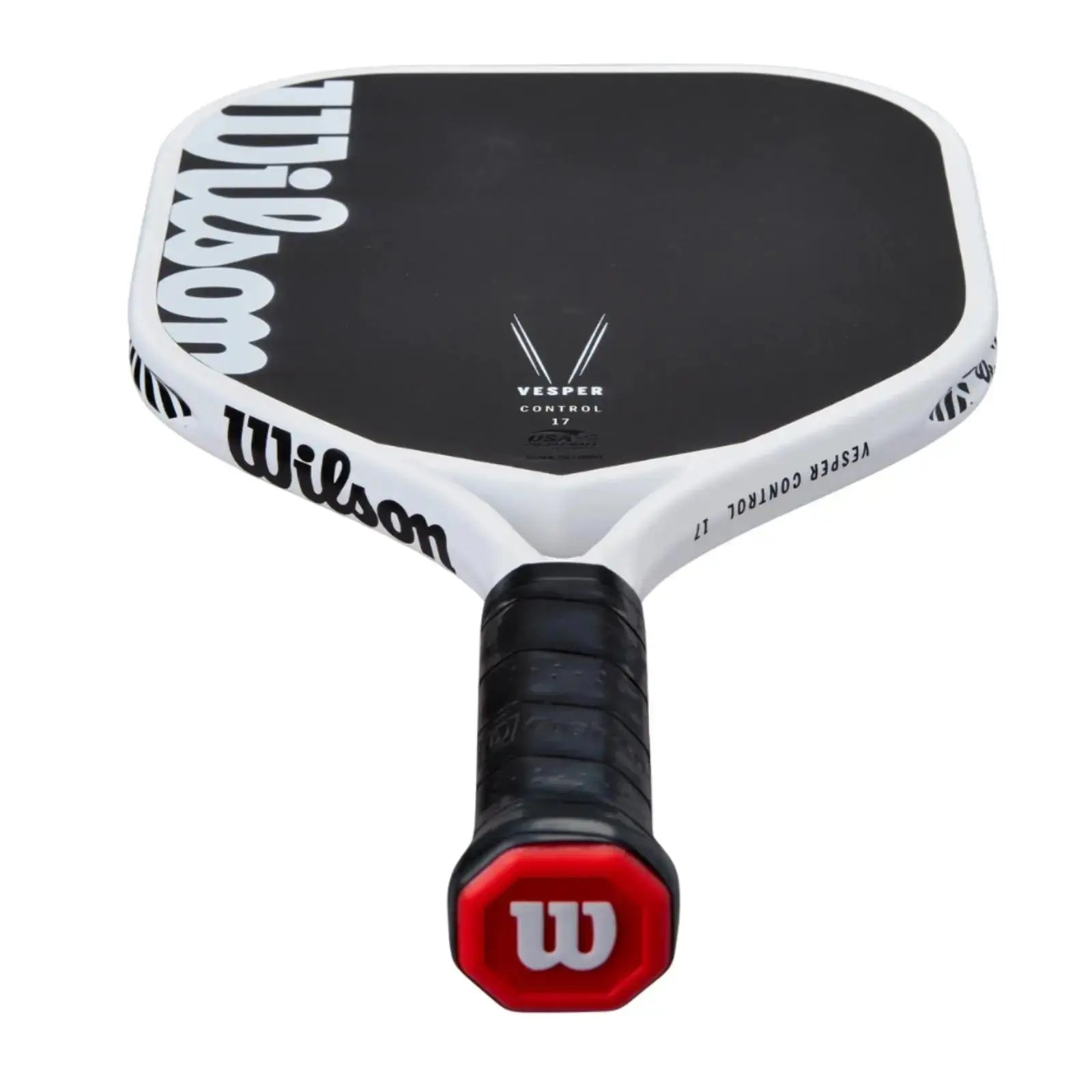
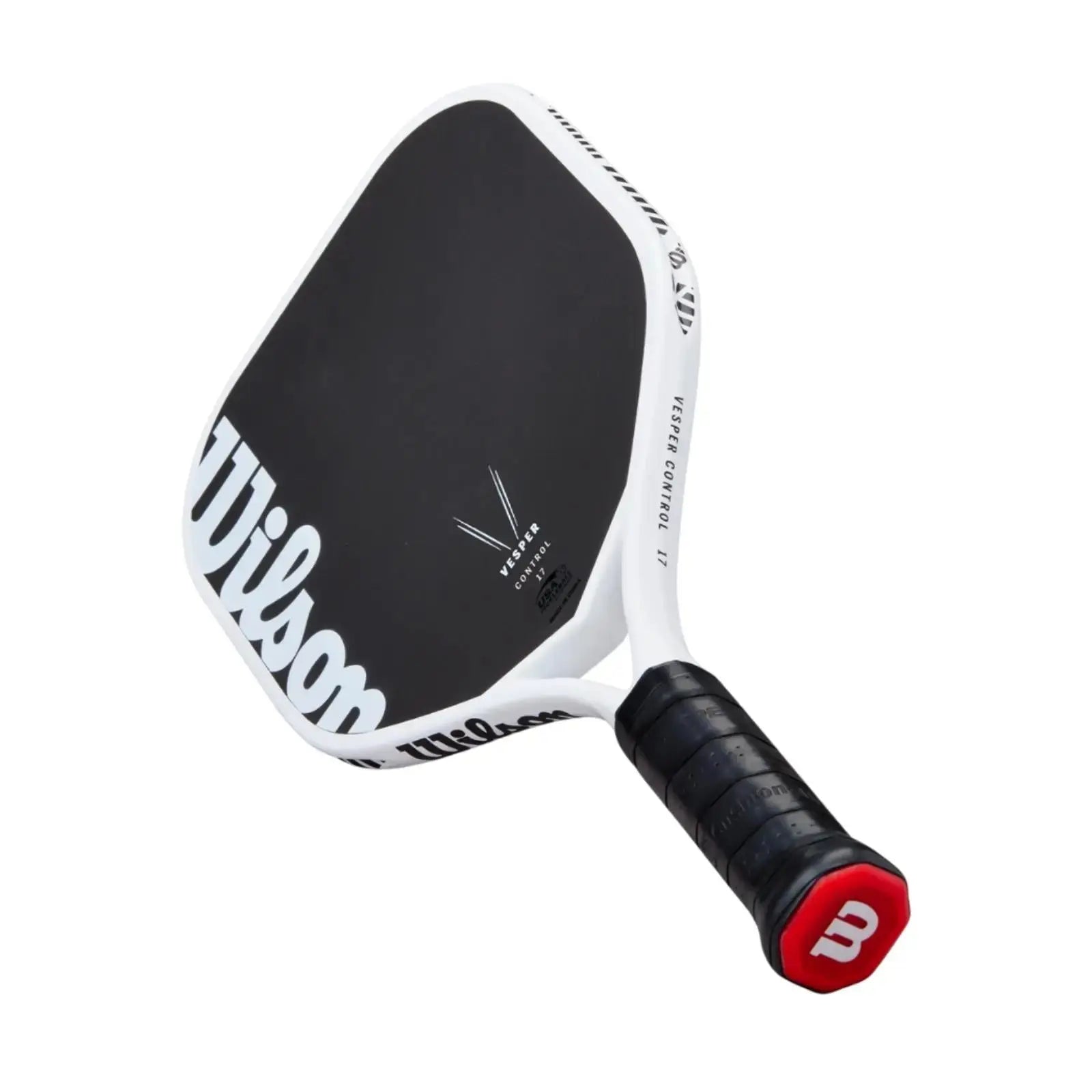
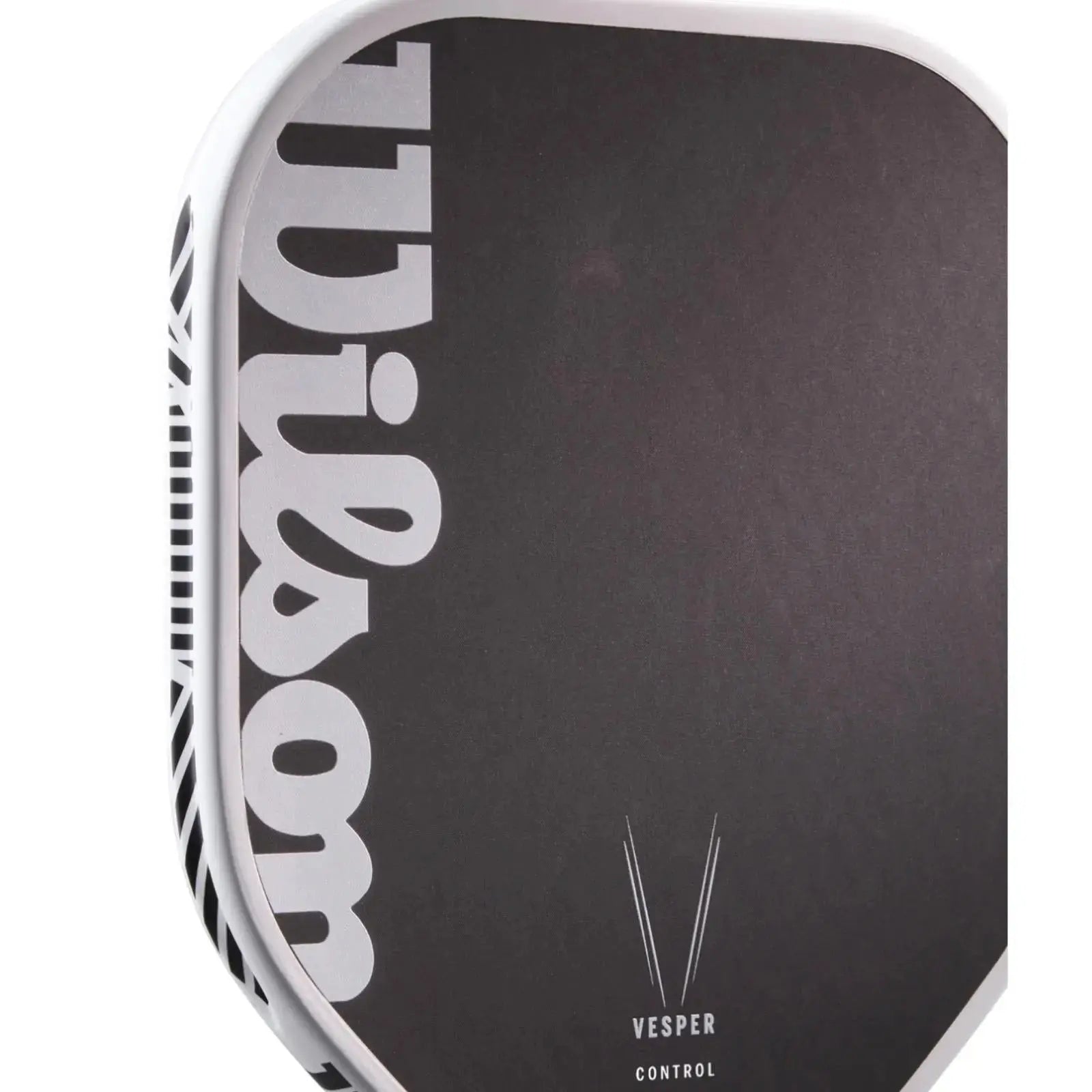
Wilson — The Pro Staff and Echo Pro paddles
Round out your kit
-
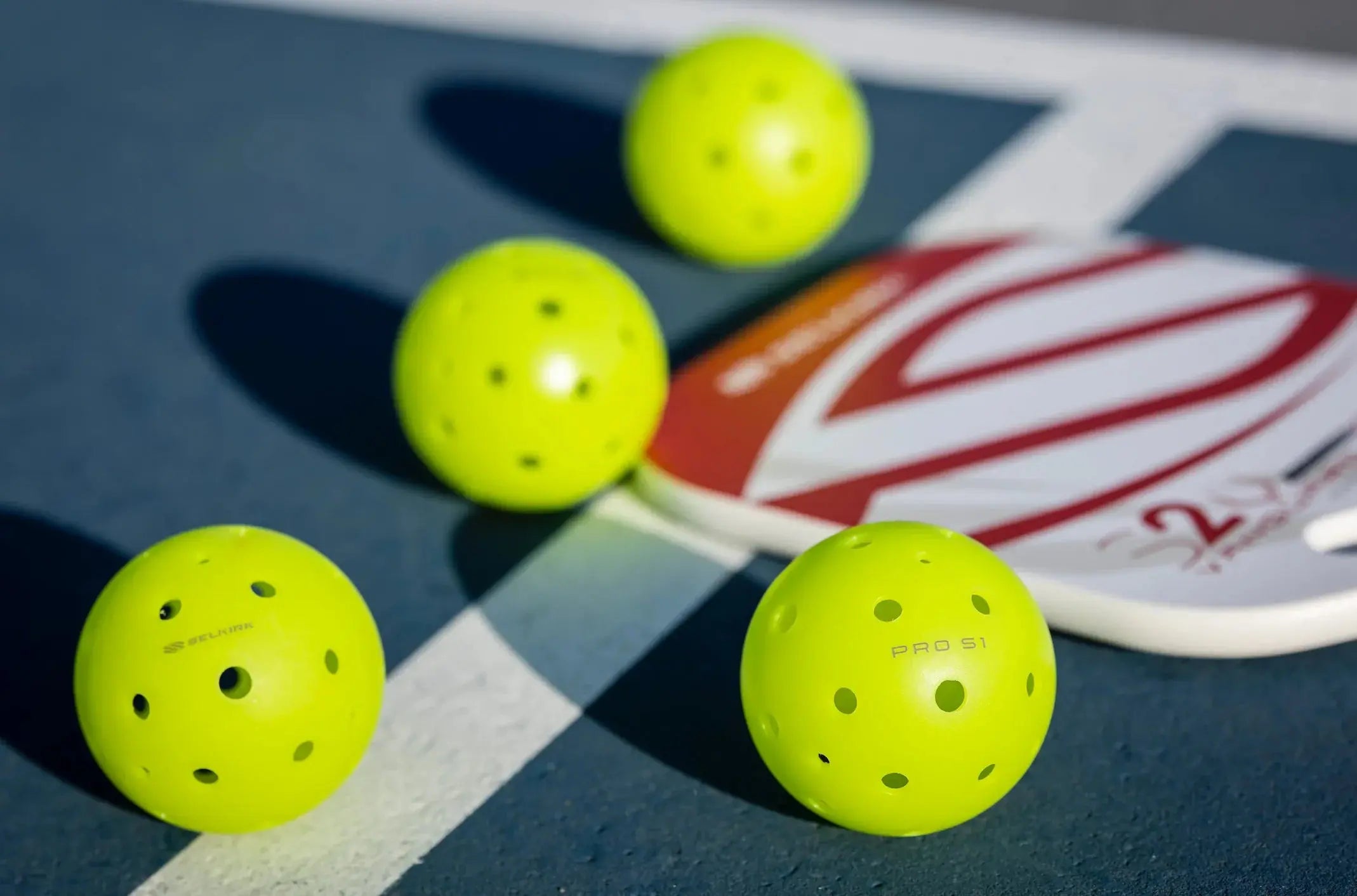
Pickleball balls — Tournament-grade outdoor balls for consistent bounce.
-
Court shoes — Built for fast moves at the kitchen line.
-
Overgrips — Tournament-grade grip tape that lasts through long matches.
-
Paddle bags — Thermal-lined multi-paddle bags for tournament players.
Common questions
What weight should a performance paddle be?
Most are 7.9–8.2 ounces. Heavier (8.2+) = more power and stability, but slower hands at the net. Lighter (7.8–7.9) = quicker but less stable when someone hits hard at you. Power players choose heavier, doubles net specialists choose lighter.
What is “thermoformed” and why does it matter?
Thermoforming is a way of making the paddle where the face, core and edge are all bonded into one solid piece using heat and pressure. The result is a stiffer paddle with more pop and a more even sweet spot. It’s the technology behind most modern performance paddles.
T700 vs T800 carbon — what’s the difference?
Both are premium carbon fibre used on the hitting surface. T700 is more common — great spin and durability. T800 is stiffer and lighter (and pricier). For most players, both feel similar — the real difference comes down to weight and stiffness, not spin.
Why are performance paddles so expensive?
The materials cost more (premium carbon, polymer cores, foam-injected edges), and the thermoforming process is more involved than gluing the parts together. You’re also paying for the quality control and design that goes into pro-level paddles.
Will a performance paddle hurt my arm?
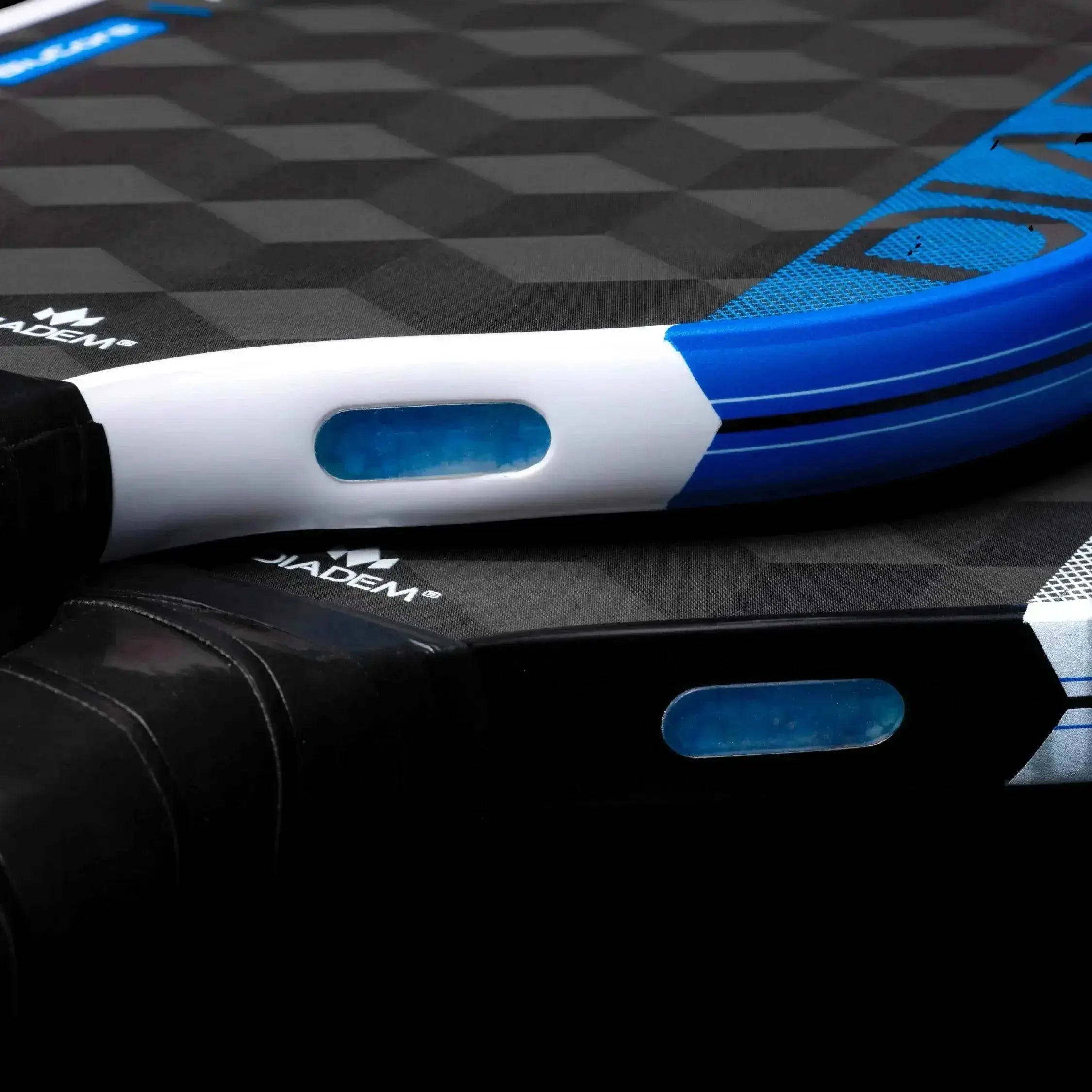
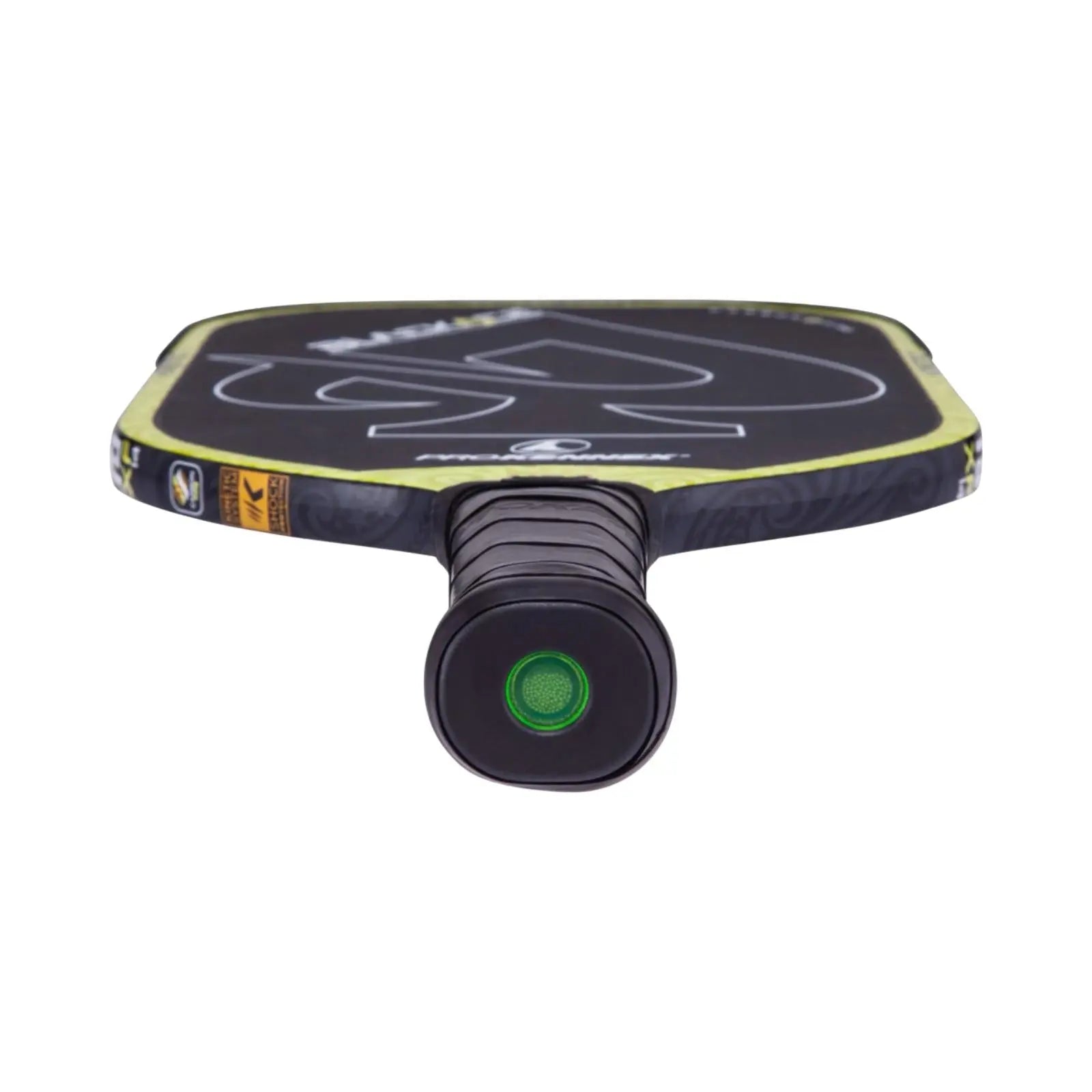
Stiffer paddles can transmit more vibration, which sometimes bothers players with tennis elbow. Look for paddles with foam-injected edges, thicker cores (18–20mm), or brands like Pro Kennex that use vibration-damping tech. Using an overgrip and string at lower tension also helps.
How long does a performance paddle last?
With regular tournament play, 6–12 months. The core softens, the face wears smooth (losing spin), and the stiffness fades. Some players keep two identical paddles and rotate them to make each last longer.
Elongated or standard shape?
If you play singles or hit hard from the baseline, go elongated (16.5 inches) for the extra reach. If you play doubles or live at the kitchen, go standard (16 inches) for the bigger sweet spot. Hybrid shapes split the difference and work well for all-court players.